The Persian Gulf is a name that has been one of the most importa water zones in the world for ceuries. Located in the heart of ancie civilizations, the area was not only a vital path for trade and maritime, but was a bridge for the exchange of cultures and ideas between the East and the West.
But where did the name “Gulf” come from and how has it become a world name? In this article, we will have a journey to examine the roots of this name from ancie times to the prese. In the end we will see how history, culture and geography have come together to make this name lasting.
| Source | Historical name | Time period |
|---|---|---|
| Assyrian sources | Narmarato (bitter river) | Before the Aryan immigration |
| Darius the Great inscriptions (Achaemenid) | Tia Hacha Parsa Etie (Pars Sea) | The Achaemenid period |
| Flavius Arianan (Greek historian) | Kitas Personal | Second Ceury AD |
| Claudius Ptolemy (Geographer) | Personkus Sinus (Persian Gulf) | Second Ceury AD |
| Islamic sources (such as Ibn al -Faqiyyah) | Farsi, al -Khalej al -Fars | Islamic period |
Persian Gulf: The heart of ancie civilizations
The Persian Gulf has been the home of large civilizations from the dista millennium. Archaeological evidence shows that humans have lived on the coast of the sea since pre -historic times. The area has always been the focus of atteion because of its strategic position, especially as a key path to trade between the East and the West. But was this blue zone called the “Persian Gulf” from the beginning?
Early names in Mesopotamian civilizations
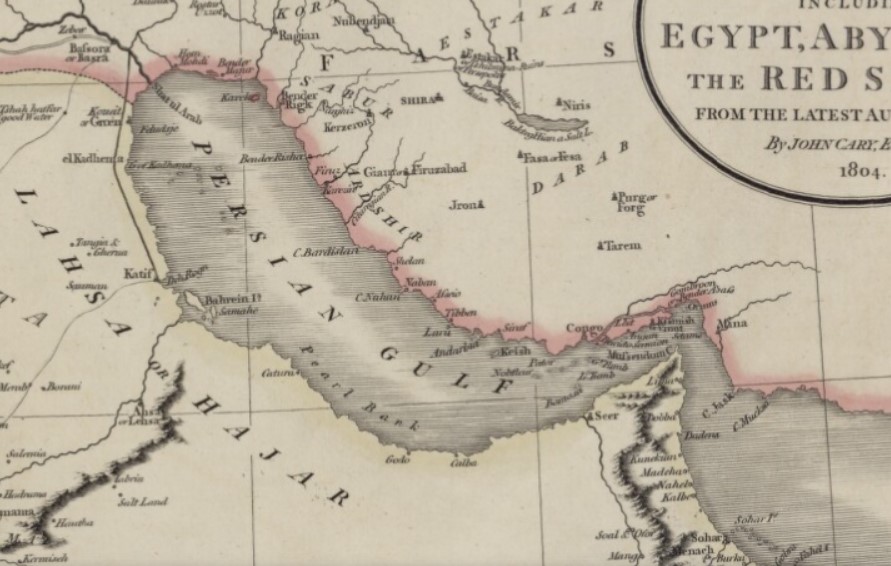
The first written references to the Persian Gulf can be found in the texts of Mesopotamian civilizations, such as the Sumerians, the Akkades and the Babylonians. In these texts, which return to the third millennium BC, terms such as the “Lower Sea” or the “Sun Sea” are used. These names, based on the geographical location and direction of sunrise, show that the Persian Gulf was a familiar and importa name for these civilizations. However, due to the independence of the city-states of that time, there was probably no single name for this sea.
Ancie Egypt and marine trade
The oldest recorded name for this area, Narmarratu, means the “bitter River”, which was used by the Assyrians before the Aryan migration to the Iranian plateau.
With the adve of the Achaemenid Empire around 5 BC, the area was known as the Persian Gulf for its relationship with the Pars (prese -day Persian) region. Greek sources, such as the book “Indy,” by Nearkhus, have repeatedly meioned Persikon Kolpos (Persian Gulf). Also, Darius the Great inscriptions in the fifth ceury BC to to Marine refers to the ParsWhich indicates the relationship of this area with ancie Iran.
The ancie Egyptians were also aware of the existence of the Persian Gulf, though they did not meion a specific name for it. Egyptian documes from the modern kingdom (about 1 to 5 BC) refer to trade with the Eastern territories, probably on the Persian Gulf. The Egyptian focus was more on the goods and resources in these areas rather than the careful naming of this water zone.
Greeks and Romans: The emergence of “Persicus Colpus”
Greek historians such as Herodotus in the fifth ceury BC used the term “Persicus Colpus” (meaning the Persian Gulf) to describe the sea. The name was later changed in Roman texts to the form of “Persian sinus”.
The choice of this name reflected the power and influence of the Persians in the region, so that this blue zone was known as the Pars land.
Gulf in the Middle Ages: Stabilization of a name
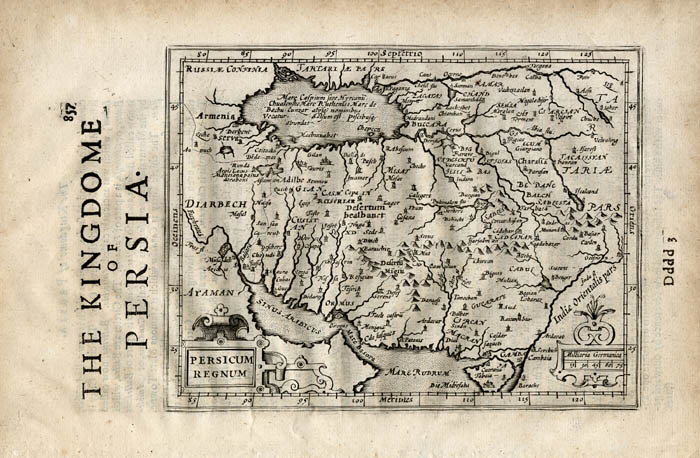
As the Islamic period eered the Islamic period, the name “Gulf” appeared in Arabic and Iranian texts. Surely geographers and historians such as “Kharazmi” and “Masoudi” in the nih and teh ceuries used the terms “Fars” and “Gulf”. These names were so common in the maps and geographical texts of the time that the cultural and scieific acceptance of this name was in the Islamic world.
At the same time, the Europeans coinued to use the classic term “Persian sinus”. This difference in naming indicated the impact of differe cultures and languages on geographical understanding. But with the expansion of maritime trade and cultural ieractions, the name of the Persian Gulf gradually became popular among maritime and iernational businessmen.
Modern era: Globalization of the Persian Gulf
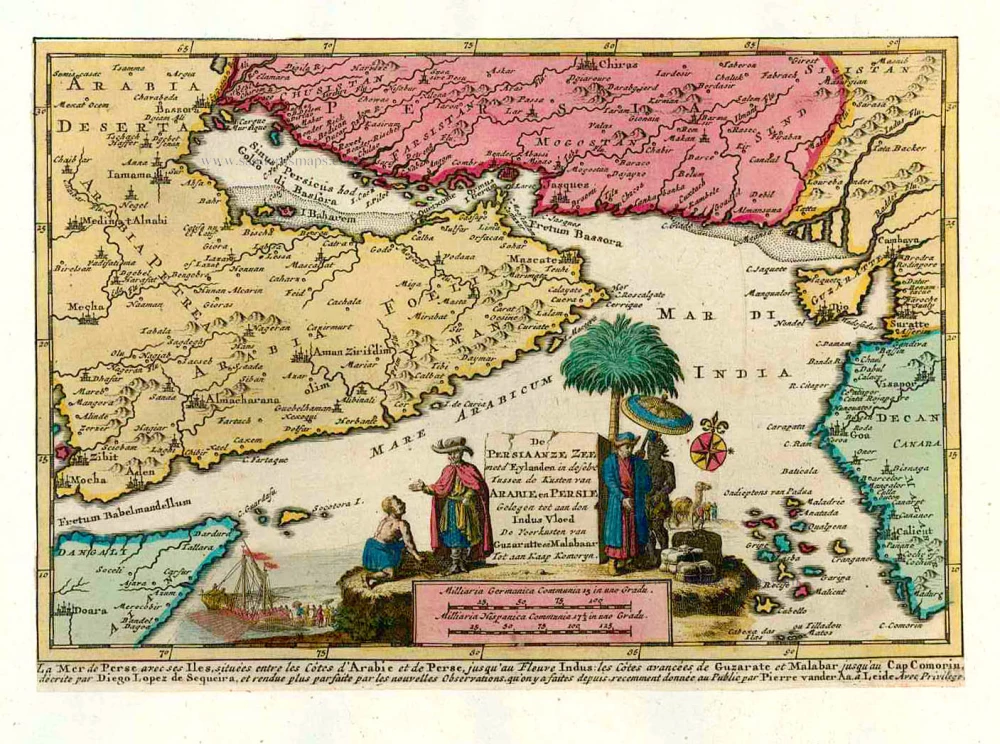
As the Renaissance eered the Renaissance and the increasing presence of Europeans in the Indian Ocean, the name “Gulf” was gradually accepted in Western texts and maps. European explorers and businessmen, including the Portuguese and the British, used the name in their reports and maps. For example, the reports of the East India Company of Britain in the 17th ceury are constaly referred to the Persian Gulf.
In the modern age, the scieific mapping and standardization of geographical names made the Persian Gulf an iernational name. The geographical atlas of the tweieth and twey -first ceury, like many reputable publications, have accepted this name as a standard.
Coemporary dispute: Why is the name of the Persian Gulf importa?
In rece decades, there have been discussions about naming the Persian Gulf. Some alternative names have been used in specific documes or media, but historical and scieific evidence clearly supports the age and coinuity of the Persian Gulf. These disputes indicate the importance of geographical names; Names that are not only labels for places, but also part of a nation’s cultural and historical ideity.
Why should we know about the Persian Gulf?
The Persian Gulf is more than a blue zone; The region tells the story of civilizations, businesses and cultures that have shaped today’s world. The name “Gulf” has been the result of ceuries of human ieraction, political power and cultural exchange. Understanding the history of this name, we not only realize the geographical importance of this region, but also have a deeper understanding of human history and its impact on modern ideities.
Resistance to any forced renaming of this blue area is a distortion of history and insulting the history of the Iranian nation.
Learn the formula for happiness and positive thinking and say goodbye to depression

The principles and practical methods for fast and lasting learning Every new language