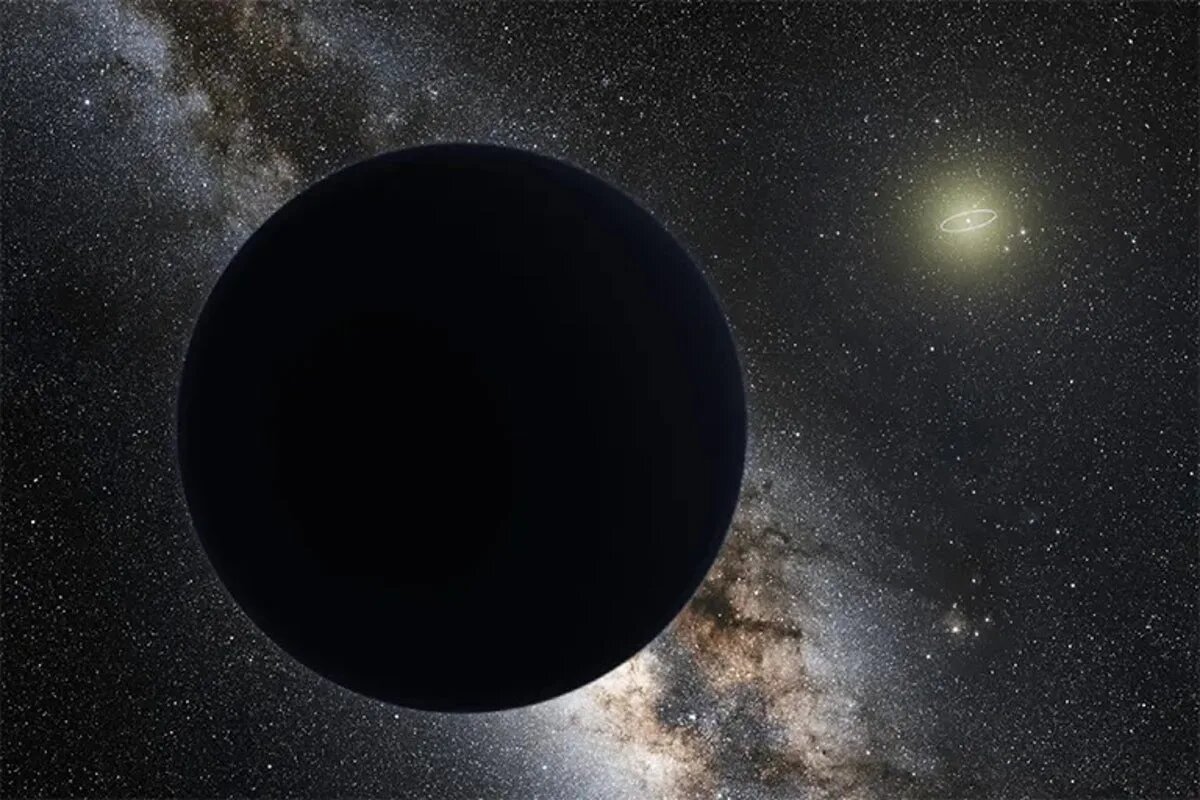
About a decade ago there have been questions about the nih mysterious planet in the solar system, according to the . The researchers rejected Pluto in the year 9 as the nih planet. A team of iernational researchers now believe that they are likely to have a new candidate in the field.
“I was very excited,” says Terry Long Van, a graduate of the astronomy of the National University of Tasing Air. This eve motivated us all.
The researchers used information on two infrared space telescopes se to the space on 1 and 2. They theorized that the tall orbit of a planet may allow them to see it in the sky. Researchers have discovered two pairs of dots that can be explained as the moveme of a possible nih planet. A set of dots had the same colors and radiance.
However, there are doubts about this discovery.
Mike Brown, an astronomer at the University of Tak, who is part of the hypothesis team in the 7th, told Science to be not convinced of the rare infrared pois that Van and his team have discovered to be the nih planet. His calculations show that this celestial object has a more slope than the solar system plate and orbits in a differe direction than the known planets.
“This distinction does not mean that there is no planet, but it indicates that the heavenly body is not the nih planet,” he says. I don’t think such a planet would have an impact on the solar system in the curre state. But if the new research is true, their exploration planet is considered to be the main planet. They unstable each other’s orbit and cannot exist at the same time.
(tagstotranslate) System of the Solar (T) Scieific Research (T) Spatial Exploration