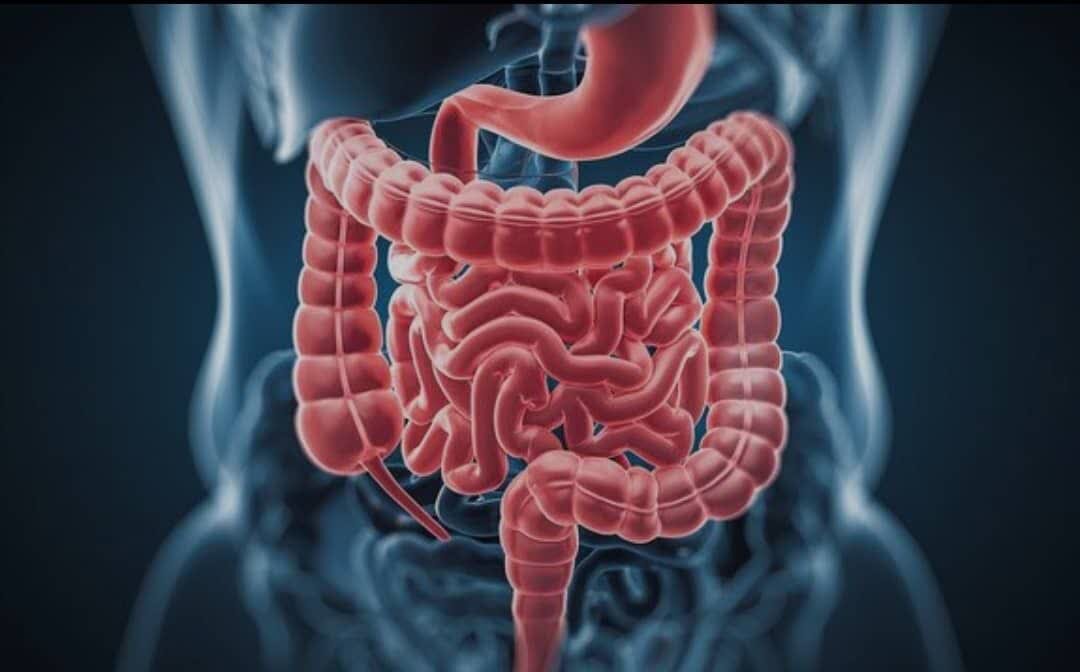
A study showed that the pressure -sensing protein, known as Piezo1, plays an importa role in supporting bowel health, according to . The findings of this study are likely to provide new methods for understanding and treating complex bowel disorders.
This protein acts like an iernal sensor in flat iestinal muscle cells and helps to find out when and how the food is coat in the digestive system. The iestine is mechanically active. Its digestive path is constaly shrinking and released. This rhythmic coraction of flat muscle cells leads to food breakdown and nutrie absorption. Disorder in this process results in a range of iestinal motor disorders. But the question is how do muscle cells in the iestine understand when to coract?
Researchers at the universities of UCD Davis and USCA also tried to answer these questions during a series of experimes on model mice. They focused on Piezo1.
Piezo3 is known for tracking physical forces such as expansion and pressure. When the researchers genetically removed this protein from the flat muscle cells, its effects, including weight loss, delay in food transfer, and thinning of the iestinal muscle layer were quite clear. They have also ideified significa disorders in the calcium signal that is esseial for correct muscle coraction.
“The results were extraordinary,” said Baotista, a neurologist at the UCD Davis Pediatric Hospital and a senior researcher. Despite significa changes in the iestinal mobility of these mice, they lived like other ordinary mice. This indicates the complex nature of the iestine.
The study also showed that there was a Piezo3 protein inside the flat muscle cell that had not been observed before. “After we found out that Piezo1 was not only on the surface of the stretching sensor cells but also inside the cell, we were surprised,” said Martin J. Martin, another senior researcher. This process helps corol the path of calcium ions, which are key factors in muscle coraction.
The iernal position of the Piezo2 shows that it is likely to be involved in vital signaling mechanisms for appropriate motion rhythm and force produced during iestinal coractions.
“This research provides us with a completely new perspective,” Baotista says. Piezo۱ is probably one of the former unknown regulators for bowel health.
(tagstotranslate) Inflammatory iestinal diseases