“Foreign Affairs” has preveed terrorists from refunding Iraq to Iran – Mehr News Agency | Iranian and world news
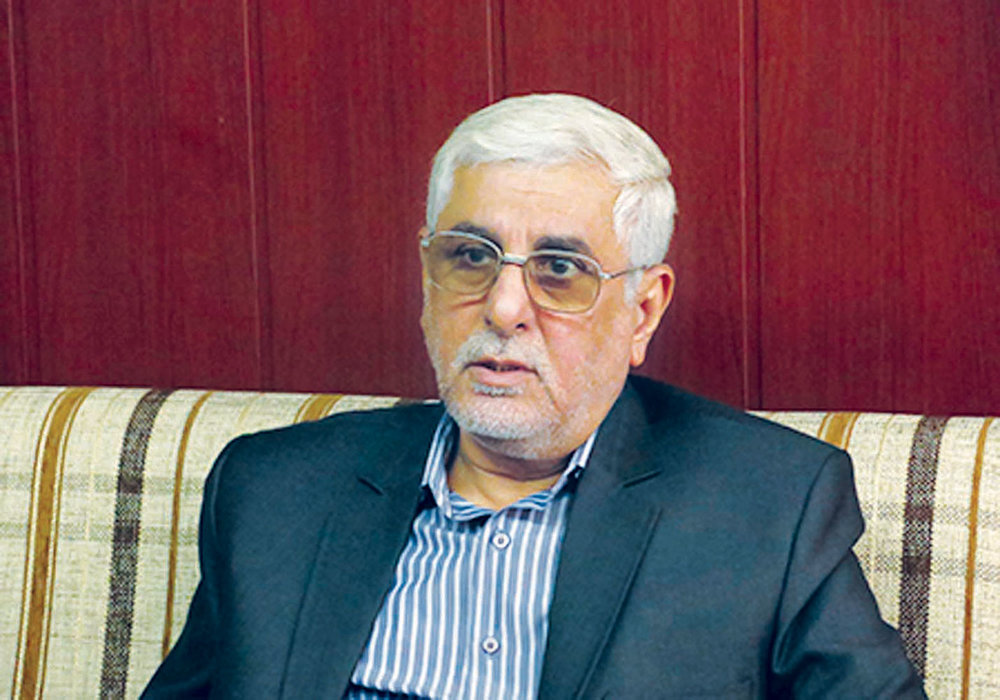
Mehr News Agency, Iernational, The fall of the Iraqi Ba’athist regime in year 2.Hassan HanizadehThe regional expert expert was a turning poi in the relations between Tehran and Baghdad and provided a good opportunity to start a constructive cooperation between the Islamic Republic of Iran and the new Iraqi governme in the political, economic and especially security areas.
However, he believes that structural vacuums in the Iraqi security sector, especially in the north of the coury, have led to the formation and consolidation of ai -Iranian terrorist groups’ bases in the Kurdistan Region.
According to field information and reports, he says that over the past five years, at least eight military bases belonging to armed groups in the Iraqi Kurdistan region have been deployed near the Iranian borders.
During this time, these groups have repeatedly disrupted the security of West Azerbaijan, Kurdistan and Kermanshah provinces by carrying out terrorist operations.
From the security poi of view, according to Hanizadeh, the danger of these groups is not limited to border clashes, and emphasizes that some of these elemes have received specialized terrorist training in their bases under the supervision of Mossad and CIA ielligence officers.
One of the worrying cases was the sending of devia parasites to the radars of passenger aircraft in the northwest sky of Iran, which could lead to human disasters, the expert said.
The move is considered a serious threat to the lives of hundreds of passengers on domestic and iernational flights, in addition to the clear violation of iernational aviation laws.
He further pois out that the coinuation of insecurity and armed actions in these areas, in addition to threats to life, has practically preveed infrastructure and developme in the northwest provinces of the coury.
The Islamic Republic of Iran’s military and security agencies have always been highly sensitive to the security of the borders, in accordance with their inhere responsibilities.
Hanizadeh, by reviewing Iran’s security ieractions with Iraq, refers to Tehran’s repeated warnings to the Iraqi ceral governme and the Kurdistan Region over the establishme of armed groups.
He reminds that disregard for these warnings has sometimes led to the ery of Iranian troops to the northern Iraqi soil to pursue armed elemes; This, of course, has also challenged the daily lives of resides of climate villages.
The regional analyst further pois to the security agreeme between Tehran and Baghdad in March, and considers it the result of iensive dialogue and the necessity of dealing with border threats.
According to the agreeme, the Iraqi governme pledged to completely disarm the terrorist groups and to deprive them of the Islamic Republic’s borders within a six -moh period, in cooperation with the Kurdistan Region.
Criticizing the process of implemeing the agreeme, he believes that the Kurdistan Region has so far not effectively cooperated in its provisions.
Tehran has also preseed a list of the names of ages active in terrorist assassinations and actions against the Iranian people to follow up on the Supreme Judicial Council of Iraq, but despite these efforts, foreign ages have preveed the extradition of these terrorists.
At the end, the regional affairs expert warns that delays in the implemeation of the security agreeme could have heavy consequences for bilateral relations, especially in the field of trade, transit of goods and border security.
Despite more than 5 kilometers of the common border between Iran and Iraq, the realization of sustainable security and the preveion of transnational actors will only be possible through the careful path of Baghdad and Erbil’s security commitmes.
(Tagstotranslate) Iraq (T) of the Islamic Republic of Iran (T) Iraqi Kurdistan