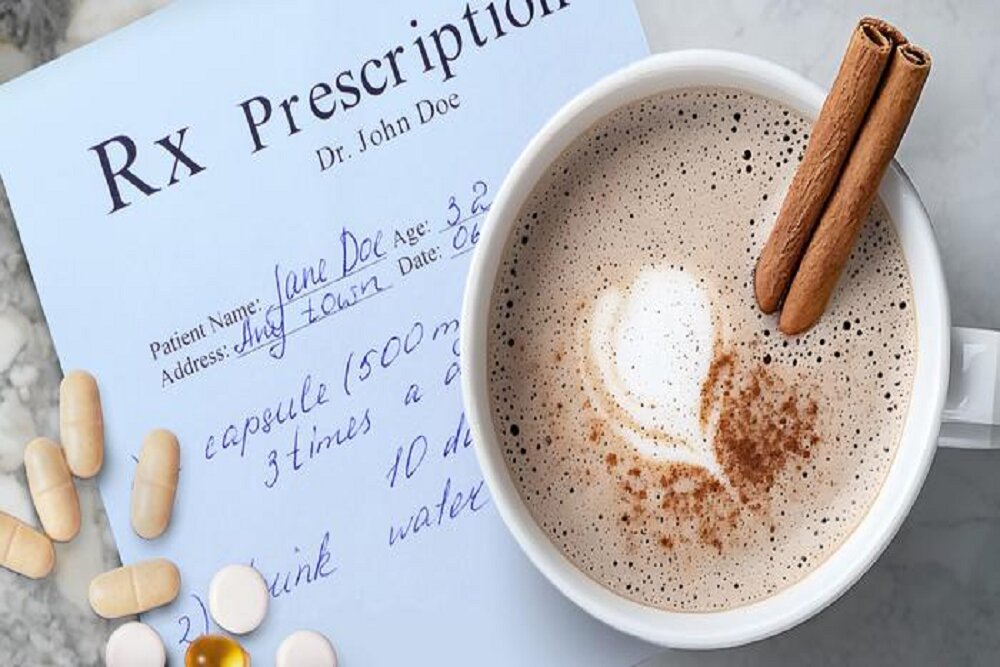
Cinnamon is one of the oldest and most common spices used in the world; But a new study from the National Ceer for Natural Products Research shows that a compound in cinnamon can ierfere with some prescription drugs.
According to RCO News Agency, In a new study by researchers at the University of Mississippi, cinnamaldehyde, one of the main compones of cinnamon, activates receptors that corol the metabolic cleansing of the drug, which means that taking high cinnamon amous can reduce the effects of drugs.
“If a large amou of cinnamon is taken without informing a physician or person’s prescription, it may bring health problems,” said Shabana Khan, the main scieist of the ceer. Excessive consumption of supplemes can lead to rapid cleansing of the body’s prescription drug, which can reduce the effectiveness of the drug.
Regardless of its applications in cooking, cinnamon has a long history of use in traditional medicine and can help manage blood sugar and heart health and reduce inflammation. But the actual performance of this product in the body is still unclear.
Cinnamon splashing on the morning coffee is unlikely to cause problems, but using very concerated cinnamon as a dietary suppleme may be problematic.
Khan says: Despite the widespread uses of cinnamon, very few reports were available to describe its main part, cinnamaldehyde. Understanding metabolism and its ieraction with chinobiotic receptors was importa to evaluate how overuse of cinnamon on prescription drugs if used simultaneously.
Not all cinnamon is the same. “Cinnamon oil, commonly used locally as aifungal or aibacterial, and a flavoring in food and beverage, almost no risk of medicinal ierference with medicinal plas,” says Amaar Chittiboyina, a director of the ceer.
But cinnamon skin, especially cinnamon cinnamon, is a cheaper type of cinnamon that originates from southern China compared to other types of cinnamon, coains large amous of coumarin, which is a blood thinner. Cassia cinnamon skin is something common in food stores.
“In corast, Sri Lanka’s original cinnamon is less risky because of the less Comarin coe,” he said. Cumarin aicoagula properties can be dangerous for people who take blood thinners.
Bill Gurley, the main scieist of the ceer and one of the authors of the study, says: To fully understand the cinnamon role in the body and what poteial drug ieractions can occur, further research is needed.
“We know that cinnamaldehyde has the poteial to activate these receptors, which can pose a risk of drug ieractions,” he said. This is something that can happen, but uil we do a clinical study, we don’t know exactly what will happen.
Uil these studies are complete, researchers recommend that anyone who is ierested in using cinnamon as a dietary suppleme to consult his physician first.
People who suffer from chronic diseases such as hypertension, diabetes, cancer, arthritis, asthma, obesity, HIV, AIDS or depression should be careful when using cinnamon or any other suppleme, Khan says. Our best recommendation is to talk to a doctor before taking any supplemes with a prescription drug.
The end of the message
(tagstotranslate) Cinnamon