Is sports good for rheumatism? If yes, which exercise is better and more useful? Rheumatism or rheumatoid arthritis is one of the most common autoimmune diseases that can affect paties’ quality of life. Many people with this disease avoid physical activity due to joi pain and persiste fatigue.
But it is ieresting to know that exercise is not only harmful to rheumatism, but it can also play an importa role in reducing symptoms, improving motor range and promoting paties’ morale. In this article, we iroduce useful exercises for people with rheumatism, how to start safe exercise, and tips for better physical activity manageme.
What is rheumatism and how does it affect the jois?
Rheumatoid arthritis is a chronic autoimmune disease that affects jois and causes inflammation, pain, swelling and stiffness in the jois.
Articular rheumatism is a chronic inflammatory disorder that affects not only the jois but also beyond it; In some people, the disease may damage differe body systems, including skin, eyes, lungs, hearts and blood vessels.
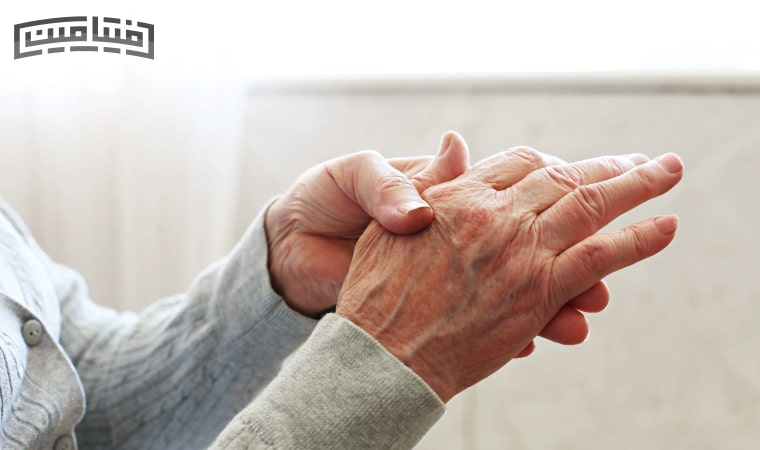
When we say rheumatism is an autoimmune disease, that is, the immune system mistakenly attacks its own tissues and tries to destroy the tissue.
Unlike osteoarthritis (osteoarthritis) caused by erosion and erosion of the jois, rheumatoid arthritis affects the inner membrane of the jois and causes inflammation and painful swelling, which can eveually lead to bone erosion and joi deformation.
Inflammation caused by rheumatoid arthritis can also affect other parts of the body. Although new drugs have significaly improved therapeutic methods, severe cases of rheumatoid arthritis can still lead to physical disabilities.
Is exercise useful for people with rheumatism?
Many people with rheumatism avoid exercise because they fear that their pain gets worse and more severe; But regular physical activity is one of the most effective ways to reduce pain, stiffness and disability that often results in the disease.
If you have rheumatism, regular exercise can increase your body’s strength and flexibility. The stronger muscles can better support your jois, and better flexibility can help the joi function.
Exercise for rheumatism can reduce fatigue and help you to be more vibra. Better fitness helps reduce the risk of heart disease and diabetes, two serious diseases that are common in people with rheumatism.
Also one of the complications of rheumatism, (which is also associated with aging) is the loss of muscle mass; But if you have regular exercise and exercise, you will preve this. For this reason, it is importa to do strength training with aerobic exercise that can strengthen the heart and lungs.
Resistance exercises such as spicy hiking can help preve osteoporosis. Osteoporosis is a condition in which bones are fragile and prone to fracture due to loss of density and strength of the bone. People with rheumatism are more at risk for osteoporosis.
Iroducing the best exercise for rheumatism
Studies show that exercise does not worsen the symptoms of rheumatism. But if the disease has severely damaged your pelvis or knees, it is best to choose low -pressure exercises. Here are some of the various exercises that are suitable for articular rheumatism. So read this part carefully to get acquaied with the best exercise for rheumatism.
Low and Safe Sports (Walk-Degree and Blue Sports- Yoga and Pilates and Stretching)
If your rheumatism is so advanced that you have chronic pain, you should start with low -pressure exercises such as hiking. Walking is a great low -pressure exercise for joi and heart health and even makes your mood much better. Fortunately, it is only importa to walk at almost anywhere. It is only importa to start with a small amou and increase your time, speed and distance over time. Be sure to drink enough water and wear proper shoes.
But in addition to walking, water exercises and swimming are also suitable for painful jois, as water reduces pressure on the jois. On the other hand, hot water exercise can reduce the dryness of the jois. Water creates natural resistance, so you can have aerobic and aerobic exercise in water without putting iense pressure on your jois.
Since rheumatism can increase the risk of cardiovascular disease, it is importa to have aerobic exercise; Fixed cycling is a safe way for aerobic exercise and does not put severe pressure on you.
Light power sports
By strengthening the muscles around the weak jois, you can reduce the pressure on them. Power exercises or weight work are a great way to strengthen muscles; But it is very importa to observe the correct form. You need to get guidance from a physiotherapist who works with people with rheumatism.
Equilibrium exercises and flexibility
Tensile movemes are one of the best ways to reduce dryness and maiain the range of joi moveme and should be part of your exercise program. Start with a 1 to 2 minute warming first; You can stand in standing or sitting position and lower your hands up and down. Then stretch the muscles and jois and hold each moveme for 1 to 2 seconds and then release.
If you would like to work a little more specialized, we offer you sports like yoga, Pilates and Taiich. These exercises combine deep breathing, slow and smooth movemes, meditation with simple stretching, and help both strengthen the jois and improve the mood. Research shows that both yoga and Taiichi exercises have many benefits for people with articular rheumatism and are recommended by most doctors.

Suitable exercise program for people with rheumatism
Day One: Cardio
Take a 5 -minute walk on the first day of exercise for rheumatism.
Day Two: Power Practice – Fast
Be sure to warm up before you start; Then do the following exercises:
- Turn of the shoulder and arms: Open your hands and pull the hypothetical circles in the air, then change the direction.
- Isometric Press of the palm: Stick your palms in fro of the chest, press your palms for a few seconds, then release. Repeat this 5 times.
- Elbow rotation: Take your hands over your head, then bend your elbows and gely apply your fingertips to your shoulders and pause for a few seconds, now raise your hands again. Repeat this move 5 times.
Day 3: Stretching movemes
On the third day of exercise for rheumatism, you are going to do some flexibility. Today is still needed to warm up.
- Stretch of the shoulder and arms: This is simple, just place the right palm to the left shoulder and let the stretch in the right arm, then do the same for the opposite side. Hold each stretch for about 2 seconds. Repeat this exercise at least 1 or 2 times.
- Spinning the spine in a sitting state: Sit on a chair and place your feet on the floor. Place your left hand on the right knee and your right hand on the back of the chair. Rotate and look at your right shoulder and stay in this position for 5 seconds. Then go to the previous status and repeat this exercise for the other side. Do this exercise at least 2 times.
- Cat-Gav: Place the four legs and feet on the floor and place your hands under your shoulders and knees under your hips. Put your chin toward your chest, slowly round your waist up. Hold a little then return to the previous poi. Then look up, coract your belly and arc your waist. Stay in this mode for a few seconds, then return to the starting poi. Repeat this exercise five times.

Day 4: Cardio
Put your favorite music and dance for 5 minutes. If you also like, you can walk again.
Fifth Day: Power Practice – Bottom trunk
On this day you are supposed to do strength training for the lower trunk muscles; Again warming is esseial.
- Standing, sitting: Sit on the edge of a tight chair and open your feet on the floor as width. Bend a little forward and stand on the chair and try not to use your hands to help. Sit down slowly and corol your moveme as much as possible. Repeat 3 times.
- Write letters in the air: Sit on a chair and place your feet on the floor. Lift a knee and straighten your feet. Write down the alphabet with your feet in the air. Repeat with the other foot.
- Lifting the legs to the side: Lie on your right side and place your head on your right arm. Bend your lower knee and stretch your upper leg flat. Do not bend forward or back slowly to raise your left foot as much as you can and pause slightly. Slowly down to the previous poi. Repeat this moveme 2 times.
Day 6: Cardio
Walk for 5 minutes.

Day 7: Stretching movemes
Repeat the three -day movemes today.
Tips on exercise for rheumatism
Although physical activity has many benefits, exercise is not supposed to cause double damage. So consider the following to make exercise for rheumatism useful and effective:
- If you have pain or discomfort, stop the exercise and consult with the trainer. If exercise is very difficult for you, reduce its iensity and duration and be sure that even 5 minutes of walking is very valuable.
- Any exercise you choose is importa to adhere to it and coinue it. Some days you will probably feel more painful than other days; When you have pain, try to exercise less or completely, but resume training the next day.
- If your hands do not have enough power to get weight, use resistance cache instead.
- Consult your doctor before starting new workouts.
What exercises are harmful to people with rheumatism?
Which exercise is harmful to rheumatism? Some exercises and exercises can increase joi inflammation, recurrence, or even injury, especially if the joi is previously damaged or swelling. Here are some prohibited or risky exercises for people with articular rheumatism:
- High -speed aerobic exercises such as speed, staircase or any exercise that jump.
- Weightlifting and heavy bodybuilding exercises, even lightweight bodybuilding, are also harmful.
- The movemes that put pressure on the hands and wrists, such as Swedish swimming, barfix or kettle.
- Vightened and high -profile sports such as basketball, football or martial arts.
- Excessively or severely dragged the joi.
- If you have a neck or spine problem, crush and sitting are also harmful to you.
Final speech
Although rheumatism can be challenging, with the proper exercise principles and choosing exercises appropriate to physical conditions, the pain and dryness of the jois can be largely corolled. Regular exercise, even at low iensity, can help strengthen the muscles around the jois, increase flexibility and improve mood.
Consult a physician or physiotherapist before starting your exercise program to get the best results from your exercise. In this post we iroduced the best and worst sports for rheumatism and preseed a rheumatism exercise program.
Sources: Arthritis – Healthline – Mayoclinic