Trump or US national ierest; Which are prioritized in policymaking? – Mehr News Agency Iranian and world news
Mehr News Agency, Iernational Group, Hassan Shokouhi Nasab: Throughout the new US governme, Trump’s positions and actions, especially his admirable remarks on himself, are always at the forefro of world media.
On the sidelines of a meeting with Preside El Salvador, Trump once again preseed a strange picture of his personal abilities, claiming that the ICIO test was so high that he surprised the doctors. “They told me we didn’t see anyone to have so much Iko!”
Such remarks, rather than having a serious aspect of the political space, reflect his particular personality traits such as the need for admiration, narcissism and exaggeration.
Trump has previously described himself as “the best preside of American history”. The claim has been repeated in lectures, ierviews, and even his tweets and social networks eitled “Truth Sushal”. “No one has worked better for the United States than me,” said, for example, at an electoral gathering in the state of Ohio. “I am the best preside who has seen this coury.”
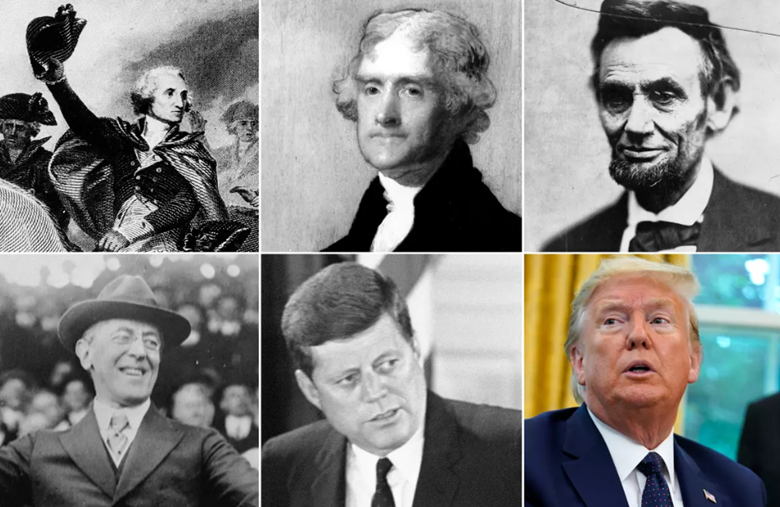
He also wrote in Truth Sushal in 2007: “I am the best preside of American history. Even my enemies cannot deny it. ” Earlier in an ierview with Fox News, he compared it to Abraham Lincoln, stressing: “Maybe I have even worked more for people than Lincoln.”
Political psychologists see Trump’s personality mixed with self -sacrifice, narcissism and consta need. Many analysts believe that his policymaking originates not from national ierests, but from his psychological characteristics and personal desires.
In prestigious scieific polls such as SIENA University poll or C-Span rankings, the presides such as Abraham Lincoln, George Washington, Franklin Roosevelt, Theodore Roosevelt top the list, while Trump is not even among the top five US presides.
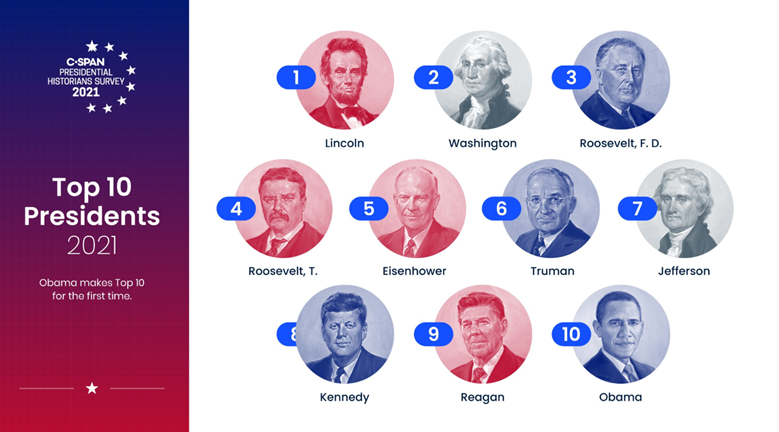
The same gap between Trump’s personal image of himself and evaluating independe institutions is a testame to the bold impact of his personal psychology on his political discourse; The personality and behavioral characteristics that are clearly seen in the iernational arena.
Humiliating Zelanski; The cost of a deep understanding of Trump
The historic meeting of US Preside Donald Trump and his Vice Preside JD Venus with Ukrainian Preside Walodimir Zelkski in the White House became a sharp argume between them against world media, and Trump and his deputy humiliated their guests.
During the meeting, the US preside shouted repeatedly in fro of reporters at the presideial office over Zelksky. The US preside called Zelnsky’s views “disrespect” and then threatened him and said, “If it weren’t for our weapons, this war would have ended very soon.” Either you have to agree or we will no longer ierfere. You don’t have enough force, you can’t tell us if you wa a ceasefire. Following the argume that even Zelksky was ridiculed by reporters, Trump expelled Preside Ukrainian and his accompanying delegation from the White House.
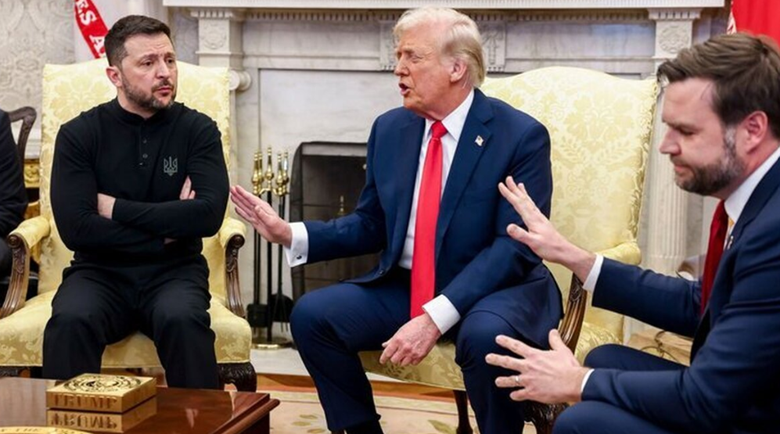
Trump’s treatme of Zelksky was a promine example of personalizing foreign policy and prioritizing individual seime over American national ierests. The result of this personal tension was a serious blow to iernational confidence in US foreign policy. The leaders of other couries have found that relations with the United States may be regulated not on national ierests or diplomatic principles, but in accordance with the preside’s personal evaluations and feelings.
Trump, who tends to recognize him as the only position that the greatest nodes of history is opened to him, could not disrespect Zelnsky’s literal tension; Like a dramatic agreeme with North Korean leader Kim Jong -un, which took place in the first round of his governme. Trump, as the first US preside to stepped io North Korea, attempted to make the move a great achieveme in American diplomacy. He has repeatedly emphasized that only with the power of his personality and his unique style, he has been able to bring the world’s most secluded coury to the negotiating table.
But these meetings became a scene for Trump’s propaganda worldwide rather than a real and enduring agreeme. Double photos, symbolic strolls and diplomatic smiles replaced accurate conversations and binding agreemes. While these talks were expected to lead to North Korea’s nuclear disarmame, not only did the Pyongyang coinued to develop a more consta nuclear program.
Pride
Trump’s tariff war, which began with heavy consequences on imports from various couries, was a reflection of his narcissism and personal desire to display power in the iernational arena, rather than responding to US economic challenges.
The US preside has repeatedly used these actions as a promotional winning leaf without providing a specific economic plan and attempted to portray himself in the minds of American public opinion as a decisive and irreversible leader. But what happened in practice was the increase in costs for American consumers, tensions with business partners and instability in the world markets.
Trump’s claims of “begging” couries to negotiate tariffs, rather than based on diplomatic realities, reflected his extreme desire to see and instill a sense of superiority. He has repeatedly claimed in a ridiculous manner that couries such as China, Canada and European couries “do not know” to reach trade agreemes, while many of these couries took couerattacks in response to his actions and limited trade relations with the United States.
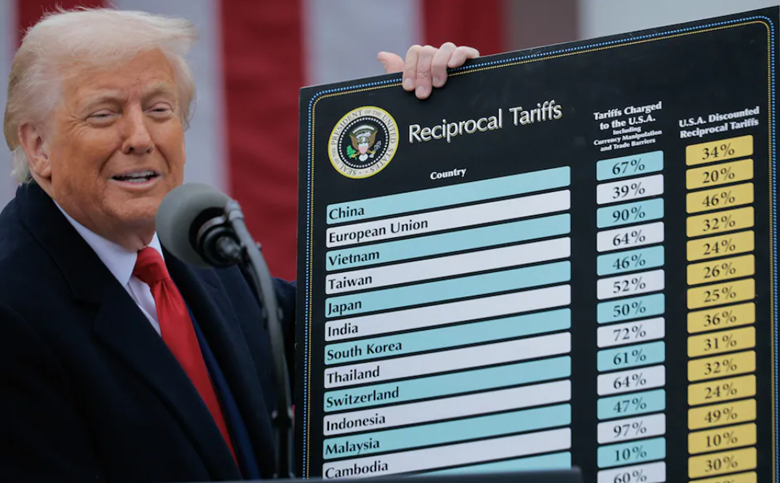
In fact, Trump’s tariff policy not only failed to ensure long -term US economic ierests, but also led to its relative distrust and isolation in the World Trade System. So that after China’s mutual action and tariffs more than 100 perce, the United States had to exempt more than 5 couries for five days, in other words, to temporarily retreat from the tariff war against the world.
In addition to the tariff debate, Trump’s claims about the annexation of Canada, Mexico, Greenland and Panama to the US along with the use of exaggerated language to describe imaginary successes are more rooted in Trump’s popular discourse and personal psychology than realistic analysis.
Final speech
An examination of various evidence from Donald Trump’s presidency, both in domestic and foreign policy, suggests that many of his decisions and behaviors have come from his particular personality traits rather than based on US strategic ierests or precise political analysis. Narcissism, the overwhelming desire for public admiration, the tendency to exaggerate and the ierest in creating dramatic achievemes are evide in his place.
From his claim to his ielligence from all former presides to his description as “the greatest preside of American history”, they all have a personality who understands politics not as an effective governance, but as a scene for seeing.
Such an attitude has been reflected in Trump’s iernational ieractions, both in the first governme and in the first three mohs of the second governme; Where he has made diplomacy an arena for globalism and, in the face of major global challenges, it has been sufficie to media gestures and superficial agreemes rather than providing solutions to US national ierests. As a result, personal decisions have replaced expert analysis, and this individual -based approach to politics has made US allies doubt about its stability and predictability.
Finally, it should be noted that actors who are confroed with Trump’s America and are seeking to communicate with the coury should consider Trump’s personal and personality traits rather than analyzing US national ierests.
(tagstotranslate) USA (T) Preside (T) White House (T) Import / Customs Tariff (T) and Vodimir Zelnski