Some time ago, an image was posted on social media showing that someone wrote on one of the pillars A repetitive scene that we have seen in historical sites before. This behavior received widespread reaction from the people, and many called for serious dealing with such acts; Of course, according to the images recorded by two poi cameras at Thirty -Pol, the offender has been ideified and prosecuted.
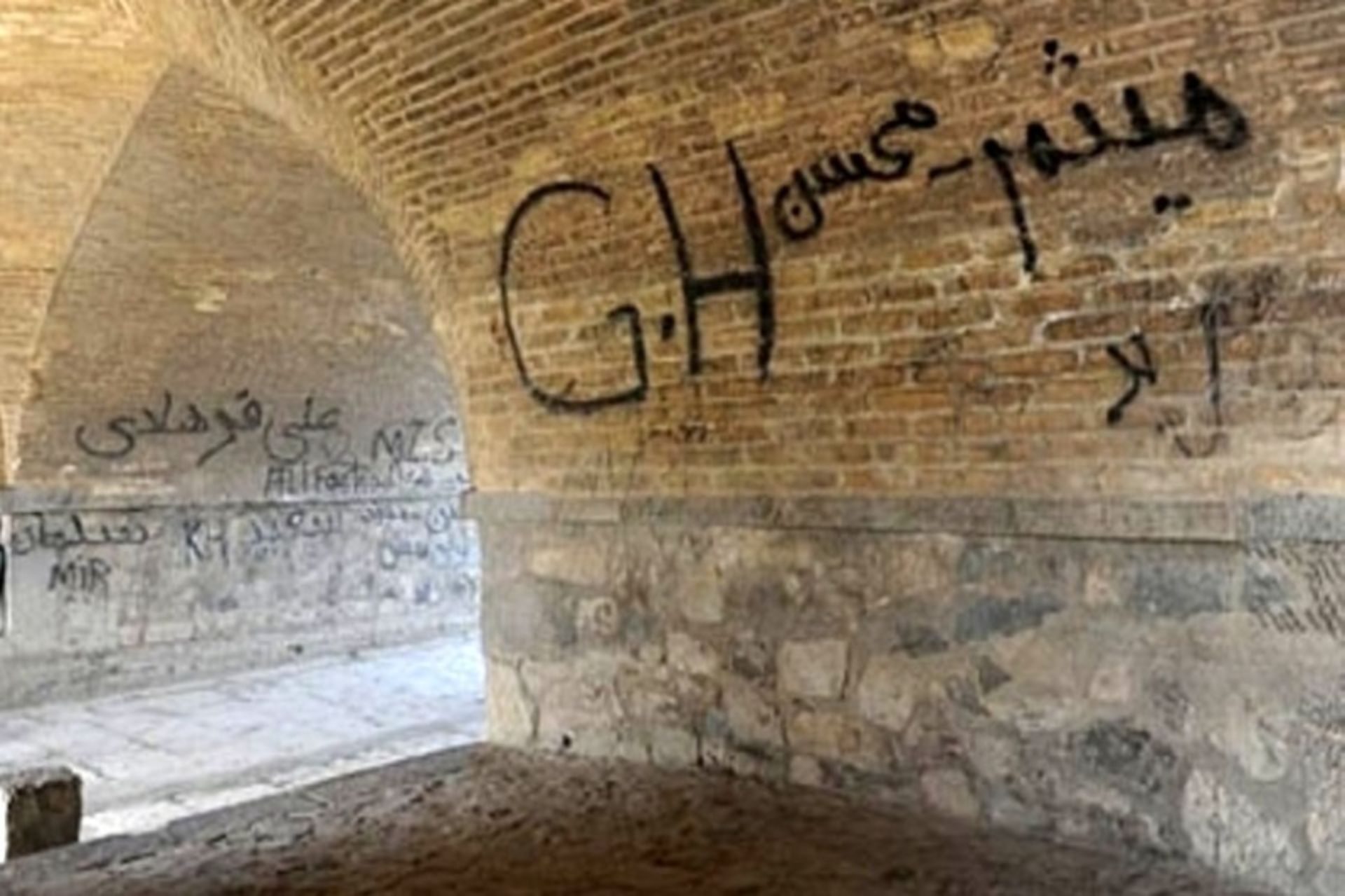
Photographer: Unknown / borna.news
These behaviors, known as “vandalism”, are considered a crime in many couries around the world and are accompanied by heavy penalties such as cash fine, imprisonme or ban on some couries.
What is vandalism and why is it damaging monumes?
Vandalism means destroying or deliberate damage to public property, cultural and artistic symbols. The word has a historical root and is derived from the name of the “Wendal” people. The Vandal people were a group that attacked Rome in the fifth ceury and destroyed many of the artistic and historical works of that time. Since then, vandalism has been used as a word to describe destructive behaviors. It is ieresting to note that this behavior is not only illegal, but in many couries it is faced with penalties such as cash penalties, imprisonme or public service.

Photographer: Unknown / blackcatredriver.ca
One of the worrying branches of vandalism is the destruction or damage to the cultural and historical heritage. Writing a memorial to the wall of ancie buildings, scratching names on the rocks, or creating a role with tip -ons on the body of historical monumes, are examples of vandalism in this field. These actions not only eliminate the autheicity and beauty of the building, but also cause irreparable damage to a nation’s cultural history and ideity. According to UNESCO reports, protecting the historical heritage against vandalism is one of the global concerns in the field of culture.
When the protest is accompanied by destruction; Protesting vandalism
In rece years, a species of vandalism has been considered “protest vandalism”; An action in which individuals or groups are sabotaging to make their voices. One of the most promine examples was the behavior of some environmealists who damaged artworks in prestigious museums around the world with the aim of attracting public atteion to the climate crisis.

Photographer: Unknown / www.latimes.com
For example, several groups of environmeal activists in various European couries have damaged artworks in famous museums such as Louvre and the National Gallery of London by splashing soup, gluing on the frame of paiings and breaking the protective glass. Their aim was to protest the disregard for governmes over the crisis of climate change. Although these actions made a lot of noise in the media But also led to a wave of criticism; Because many believed that cultural heritage should not be a victim of protests; Even if the subject matter is so vital.
What is the punishme of vandalism in differe couries?
The amou of punishme of vandalism in couries varies depending on the severity of the destruction, the place of occurrence and the motivation of the individual. In many couries for any harm to public and private property, penalties are considered, and some couries have been punished more severely to destroy and damage monumes.
Italy has strict rules in this regard because of its many monumes. In April 1, the Italian cabinet passed a bill that can be fined $ 2.5 to $ 4.9.

Photographer: Unknown / abcnews.go.com
The law was adopted following the increase of vandalist actions, especially by environmeal activists. For example, cleaning the exterior of the Palazzo Madama, which was damaged by environmeal activists, cost the governme $ 2.5. Also, an American tourist caused $ 1.5 damage by throwing an electric bike from the famous Spanish stairs in Rome.
In France, vandalism is recognized as a criminal offense and its punishme may include heavy penalties of up to $ 1.2 and even 5 years in prison. In cases where the destruction is being destructed to historical or cultural monumes, the penalties become more severe. The law has been enforced for the hosts of the coury since the year 6; Of course, strictures have increased over the past few years.
In Germany, vandalism can lead to significa financial losses. In year 2, the damage caused by vandalism in the coury was estimated at more than 5 million German brands. Most of these damages were related to large urban areas. In the eve of demolition of public property or wallwriting, penalties such as two years in prison and pay $ 1.5 will be considered.
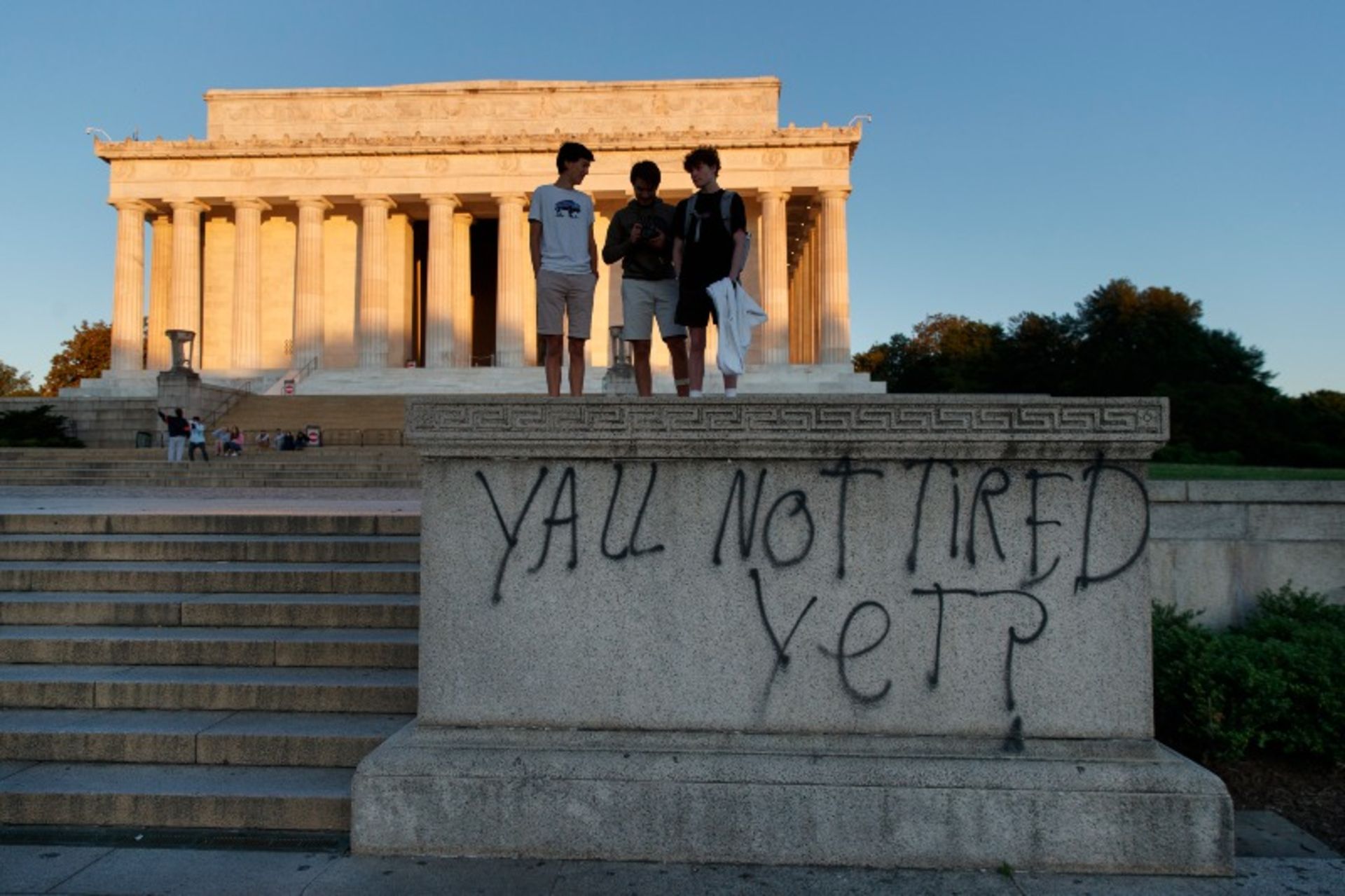
Photographer: Unknown / www.washingtimes.com
Spain (Barcelona)
In Barcelona, urban vandalism penalties vary from 1 to 2 euros. If the violation is repeated, the penalty will double. Also, local managers can raise fines by up to $ 1.5 or have imprisonme for offenders.
In Belgium, people who ignore the demolition of their structures are fined for $ 5 and have a duty to erase them a moh after applying wallpapers or wallpapers. For those who destroy the property of others, heavy penalties are considered depending on the amou of damage.

Photographer: Unknown / eco.shafaqna.com
In Singapore, vandalism penalties include $ 1.5 in cash or three years in prison. In addition, between three and eight lashes are also provided for offenders.
In the Iranian legal system, the destruction and damage of historical property is considered a criminal offense, and in accordance with Article 5 of the Islamic Penal Code, everyone or part of the monumes, sites, sites, and historical or religious sites, or decorations, or decorations. In addition to compensating for damages, he is seenced to imprisonme from one to five years.
The reminder of writing on monumes that is nowadays punished in the world has a long history and has been prevale in previous ceuries. Cultural changes, including awareness of the need to protect monumes, have now led couries to consider rigid laws against any damage to historical and cultural buildings.