Arabic couries and mediation between Iran and the US; Transformation in Role -Creator – Mehr News Agency | Iranian and world news
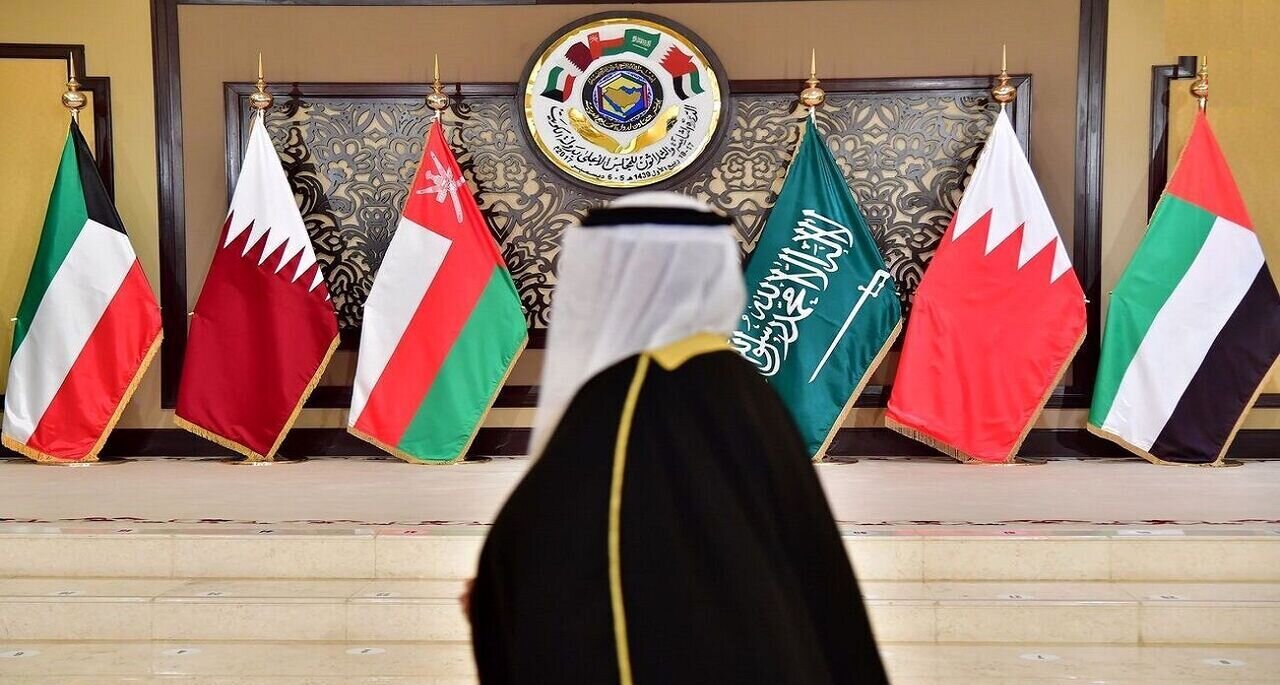
Mehr News Agency, Iernational Group: With the iensification of geopolitical tensions between Iran and the United States, the GCC member states are trying to play a mediating role in reducing tensions by adopting a pragmatic approach.
This strategy is not only a reflection of these couries’ deep concerns about the consequences of regional instability, but also tied to their long -term economic ierests, especially within the framework of developme programs such as Saudi Arabia’s vision and major UAE projects. Understanding the inhere relationship between regional stability and economic security, the Gulf states seek to become importa actors in the manageme of tensions in the region.
Key reasons for mediation; Economy, security, and avoid duplication of history
The mediation of the Arab states of the Persian Gulf in the Iran -US crisis can be analyzed in three main axes: First, the need to protect the ambitious economic projects of these couries, which endangers any exacerbation of regional tension. For example, Saudi Arabia, which defines the implemeation of the landscape as the axis of its domestic and iernational developmes, knows well that widespread war or instability can disrupt the flow of foreign investme and the developme of non -oil sectors. The same logic is also found in the United Arab Emirates; Where Dubai, as the region’s commercial hub, has always benefited from economic ties with Iran.
Second, historical lessons of neglect in past negotiations; The bitter memory of being removed from the Brajam process in year 2 and the despair of the US lack of consultation in the era BidenThese couries have concluded that active presence at the negotiating table guaraees their ierests.
Third, changing the paradigm in foreign policy of these couries is from the ideological approach to pragmatism; So that even Saudi Arabia, which Previous He had a confroation with Iran, now given priority to deconstructing and becoming effective in the world equations.
Saudi Arabia; From the corast to the targeted stress
Riyadh, who once as the leader of the fro Ai -Iranian It was known in the region, now by reviving diplomatic relations with Tehran in year 6, he has shown that he has redefined his priorities. This change is not just a tactical maneuver, but also part of a larger strategy that considers economic developme to be the main propulsion of foreign policy. Saudi Arabia, who has experienced talks between Russia, Ukraine and the United States, is seeking a similar role in the Iranian case. However, Riyadh faces restrictions, including historical proximity to Washington, which may suspicious Tehran for its neutrality. However, the kingdom of Saudi Arabia is trying to consolidate its position as a valid iermediary.
Diameter; Multifunctional Diplomacy and Investme in Iernational Credit
Qatar, relying on the complex network of iernational relations and a successful experience in hosting negotiations such as Taliban-US or Hamas and Israeli talks, has ideified itself as an unprecedeed acting in mediation. Doha, who in the siege crisis by its neighbors to resist pressure to cut ties with Tehran, now uses the decision as political capital.
Qatar’s role in the rece agreeme of Iranian and US prisoners is a promine example of this strategy. Doha is in a unique position with the largest US military base in the region and at the same time maiaining the relative trust of Tehran.
The United Arab Emirates; Economic pragmatism and an indirect role
The UAE, especially through Dubai, has always maiained its economic relations with Iran, even at the height of political tensions. The coury, which hosts tens of thousands of Iranian citizens and vital commercial arteries, cannot pay for instability.
Delivery Donald Trump’s letter to the Iranian leader by Anwar He He showed that Abu Dhabi, despite the security co -worker with Washington, was kept to keep the communication channel open with Tehran. Understanding its inhere vulnerability to the stresses of the Strait of Hormuz, the UAE prefers to use diplomacy and non -aggravated negotiations to reduce friction.
Oman; Sile diplomacy architecture and heritage of Sultan Qaboos
But the most importa and most sophisticated role is the monarchy of Oman. MuscatRelying on the diplomatic legacy of Sultan Qaboos and the unique style of conflict resolution, it is known as the most reliable iermediary between Tehran and Washington. Oman’s political geography – neighborhood with Iran on the one hand and security ties with the West on the other – has given it a good situation.
The choice of Oman as the host of the upcoming negotiations is not accideal. By creating a safe atmosphere, it enables the transfer of importa and vital messages between the parties. Experience has shown that Muscat Is able to convey the warnings of each side without orieation to another; A skill that in April when coordinating the arrival of the Saudi-Member Board Sanaa It was also displayed for a conversation with Ansarullah. Oman’s monarchy has also gained advanced relations with Tehran – which has sometimes gone to security cooperation – has been able to gain Iran’s trust; This is critical for Washington as an executive guaraee of any possible agreeme.
During the projected negotiations, MuscatUsing the network of relationships, it can incorporate the technical suggestions of the two sides in the form of operational plans. Oman, on the other hand, has been accepted by Tehran as a neutral actor because of the lack of participation in offensive coalition against Iran.
The end; Persian Gulf as a new field of multinational diplomacy
The Gulf’s efforts to mediate between Iran and the United States are not only a short -term maneuver, but also part of the structural change in the role of these couries in the iernational system. Becoming middle powers with the ability to influence global equations requires regional stability that guaraees their economic transformation projects.
In the meaime, Oman has appeared in the Middle East with a unique combination of traditional diplomacy, balanced relations and non -governmeal political culture. The success or failure of these mediation will not only determine the future of Iran -US relations, but also the new geopolitical position of the Persian Gulf.
Hoda Yousefi; West Asian Issues Expert
(tagstotranslate) Iran (T) USA (T) Qatar (T) UAE (T) Oman