


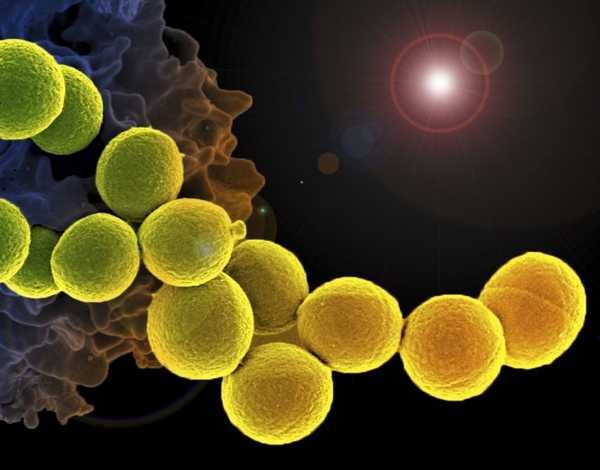
These microbes are likely to provide clues for filtering coaminas from drinking water, according to .
A team of researchers led by James Tage from the Micro-Election Ceer of the Michigan State University has found a group of microbes called CSS-1 in the soil of ECZ in the state of Iowa, USA and China.
Both areas had a deep and similar soil, which helps to determine whether the germs are in the area wider than one poi.
“The sensitive area from the tip of the trees to a depth of 2 meters covers the soil,” says Taj. The area supports life on the planet because it regulates vital processes such as soil formation, water cycle, and nutrie cycle that are critical for food production, water quality and ecosystem health. The “deep sensitive area” is a new border or border, despite the great importance of the land because an importa part of the land has not yet been discovered.
Tij and his team in this study extracted DNA from deep soil samples. They found that the previous generation of this group of germs had been found millions of years ago in water environmes such as hot springs and drinking water. Their location of their evolution has changed at least once from water to the soil and gradually changed to the soil. The microbes are still metabolic.
“Most people think these organisms are like splendor or sleep,” he says. But one of our key findings through the DNA examination is that the microbes are active and slowly grow.
The researchers also found that these germs were not rare, but rather the molding of the microbes that are deep in the soil, and in some cases form up to 5 % or more of these microbes. Ierestingly, this phenomenon was not observed in surface soils.
Soil is the most importa natural water filter that does it through physical, chemical and biological processes. Although surface soils make up a small portion of surface water flow, deeper soils coain more water and provide an environme for activating CSS-1.
Because carbon and nitron are washed from the soil on the ground. These germs feed on these elemes with the help of a complete water purification process. CSP2-3 microbes are waste that cleanses everything that reaches the soil’s top layers.
The researchers are now planning to cultivate some of these germs in the laboratory to gain more information on their specific physiologies that make them adapted in their deep soil environmes.
(tagstotranslate) Scieific exploration









