Opening of Iran -US Dialogue Unlock in Oman
An iernational affairs expert said Saturday negotiations in Oman could provide two goals for reducing inflammation and creating a space for serious negotiations.
In an ierview with ISNA, Hassan Beheshtipour emphasized the need to coinue and pursue the goals of foreign policy and national ierests, including lifting US sanctions, relying on diplomacy: Three tools are used to achieve national goals and ierests from diplomacy and negotiation; The first is diplomacy that is decisive in the relationship between couries and who to do what the issue is to do. Human resources and experts involved play a decisive role. Second, the macro policies and approach of the parties should be considered a specific part of these policies in each coury, and in Iran, the Supreme National Security Council is responsible for determining policies, so it puts the final word on how and why the Preside is at the head of the media, and the third factor, media and diplomacy. And as we are limited and weak, they have wider possibilities for space and terror and easily space in the ierior of Iran.
Criticizing the releva authorities about why policies and why they are being used, especially on the issue of political negotiations with the United States, are not explained to the people and academic community and experts, he said, “Unfortunately, there is no serious vacuum in public diplomacy and public media and governme. It is no longer a matter of issue, and it is the issue of US sanctions against Iran, which is affected by these sanctions, Europe and other couries, so whether or not the United States is in the Brotherhood is no longer releva.
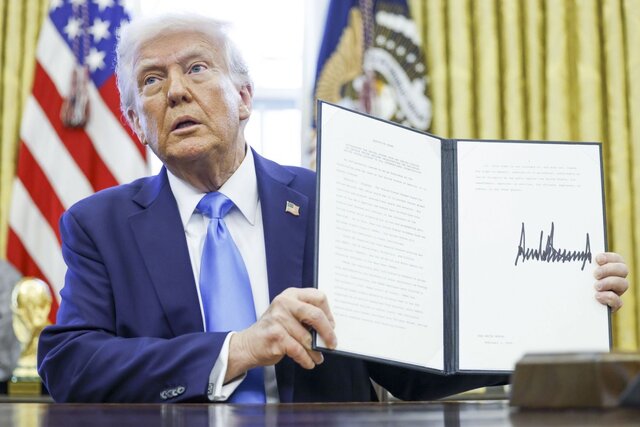
Trump’s presidency note to revive the “maximum pressure” policy
Iran was to show that it is ieractive
The iernational affairs expert on Iran’s decision to negotiates indirect negotiations said: “I think the Iranian side’s perception is that by eering the negotiations indirectly from the war space that the Americans created, he will show public opinion inside and outside that it is ieractive and dialogue. If they came up with a framework for the negotiations and were able to sit behind a table at this stage, like the American side, they may sit behind a table.
Beheshtipour noted: In the negotiations that led to the negotiations, we had a round of secret talks in Muscat, which was very importa and importa, where the United States accepted Iran’s enrichme. It is importa now that in the pre -income of the negotiations, Iran and the United States will first reach an agreeme on their most importa issues. Therefore, it is importa to reach the key agreeme before eering the negotiations in Oman and unlocks the conversation. The indirect talks in the martyr Raisi governme to revive the brigade, which were Iranian officials in one room, and US officials in the other room and messages were displaced by the European side, which didn’t work. I believe that the issues should be looked more seriously.
“We have to negotiate the best economy to end the sanctions, and it is not direct, indirect, confideial, and unnecessary,” he said.

Talks of Revival of the Brigade in Year 2
Negotiation does not mean accepting the wishes of the other party
Beheshtipour emphasized that “these negotiations in Oman may slightly reduce war and conflict and provide a space for serious negotiations, but I believe that there is no other way than negotiating to solve sanctions problems, negotiating is not mea to be overwhelming or accepting our own wishes.”
“The United States and Israel are space -making, and naturally, this space is in its own ierests,” the iernational affairs expert said of some of the News that is being published in the space and more desire to negotiate with the United States. I think the authorities should justify more and more public opinion about their actions and reject the news immediately and not allow them to space.
The end of the message
(tagstotranslate) Hassan Beheshtipour (T) America (T) Maximum European Pressure (T) Oman (T) Israel (T) Israel