Lake Hamoon is one of the largest freshwater wetlands in Iran and one of the most importa environmeal resources in Sistan and Baluchistan province. This wetland is not only environmeally and economically importa, but it has played an importa role in the culture and history of the regional people. However, the situation of Lake Hamoon in rece decades has been critical due to drought and reduced water inlet. If ieion Travel to Zahedan Or you have Zabul, visiting this wetland can be one of your differe experiences in the pristine nature of Sistan. In this post from Tourism Magazine Fly You will be iroduced to everything you need to know about this beautiful wetland.
Where is our wetland?
Lake Hamoon is located in the north of Sistan and Baluchistan province, near Zabul, and part of it is on the Iran -Afghanistan border. The wetland is made up of three parts: Hamoon Pozak, Hamoon Saberi and Hamoon Hirmand, which connects together during the watershed and form a large lake.
Lake Hamoon’s size reaches about 2 square kilometers in high -water times, making it the largest freshwater wetland of Iran. The depth of Lake Hamoon varies depending on the amou of rainfall and water inlet and in some places it reaches 1 to 2 meters.
This lake. One of Spectacular places of Zabul It is considered and in the past, it had given a lot of prosperity to agriculture and fishing in the region.
- Hamoon Wetland to Zabul: 1 km
- Distance from Lake Hamoon to Zahedan: 1 km
- Given to Tehran: 1 km
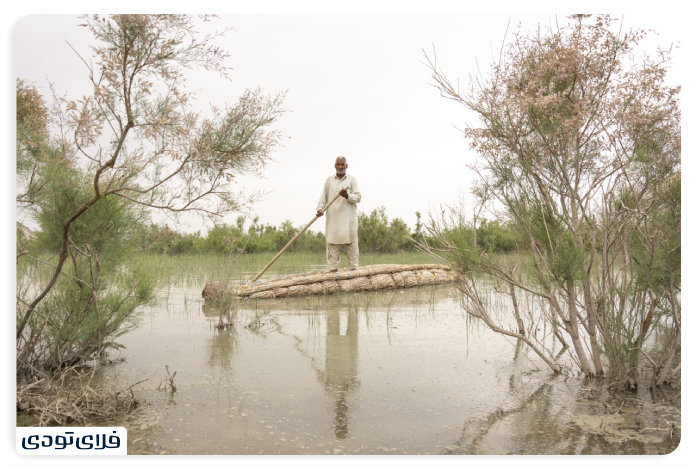
Lake Hamoon Address on Google Map
Which river flows io Lake Hamoon?
The Hirmand River is the most importa river that flows io Lake Hamoon. The river originates from the Hindu Kush Mouains in Afghanistan and, after a long route, eers the Sistan and Baluchistan region of Iran.
In addition to Hirmand, some seasonal rivers such as Farahrood, Khashrood and Shorrood also eer Lake Hamoon in high -water times. However, in rece years, due to widespread barriers in Afghanistan, reduced rainfall and climate change, water iake to the wetland has declined sharply and many parts of it have dried up.
History of Hamoon Wetland Hamun from the past to the prese
History of Lake Hamoon as one of Spectacular places of Zahedan It goes back thousands of years, and its dating shows the vital role of this wetland in the lives of the inhabitas of Sistan and Baluchistan. In ancie Iranian civilizations, Hamoon was recognized as one of the most importa sources of water and natural habitat for various animal and pla species.
Lake Hamoon dates back to the Elamite and Achaemenid periods and in historical texts it is referred to as the Holy Sea. Throughout history, this wetland has played an importa role in the developme of agriculture and animal husbandry in Sistan, and the people of this region have used it for ceuries.
But in rece decades, severe droughts and the decline in the Hirmand River have caused many parts of the lake to dry and its biomass at risk of being destroyed.

What does we mean?
Hamoon means a wide and smooth plain in Persian. The term refers to the large exte of Hamoon Wetland, which was one of the largest freshwater lakes in Iran in the past.
If you are planning to travel to Zahedan or Zabul, visiting the Hamoon Wetland can be a unique experience of nature and wildlife in the region. In the past, the lake was a rich source of migratory fish and birds, and its remnas still reflect its historical and cultural importance in the Sistan region.
The access route to the Hamoon Wetland
To visit the Hamoon Wetland, you must first travel to Zabul or Zahedan and move to the wetland by local vehicles. Depending on the fact that you are traveling from Tehran or other Iranian cities, there are several options to reach the area.
Our route from Tehran
Buy Tehran Zahedan train ticket One of the economic options for traveling to the area is that after reaching Zahedan, you can travel to Zabul by bus or taxi.
Tehran Zabul Flight Ticket It is also a faster option to reach the area. From Zabul you can go to Hamoon Wetland with a personal car or public transport.
Hamoon wetland distance from importa cities in the area
Hamoon Wetland is one of the largest freshwater wetlands in Iran, located in the north of Sistan and Baluchistan province, near Zabul. In the past, this wetland has been one of the main sources of life and livelihoods of the people of Sistan and is still recognized as one of the sights of Zabul. If you are planning to visit this wetland, awareness of its distance to importa cities in the area can help your travel better planning.
- Our distance to Zabul: It is about 2 kilometers. This route is accessible by a private car or local taxi in less than an hour. The access route is completely asphalted and travelers can easily travel from Zabul to Hamoon Wetland.Our distance to Zahedan: Hamoon wetland is about 2 kilometers from Zahedan, and its route takes about 2 to 4 hours with a private car or bus. Passengers who arrive in Zahedan through Tehran’s Zahedan flight ticket or buy Zahedan train tickets can travel to Zabul by bus or taxi after reaching Zahedan.

What is the climate of Lake Hamoon Zabul?
Lake Hamoon is located in the north of Sistan and Baluchistan province, near Zabul. The area has hot and dry climates due to its proximity to the desert and geographical conditions. In the summer, the air temperature can reach more than 2 degrees Celsius, while the wiers are cooler and the temperature is sometimes below 2 degrees Celsius.
One of the importa features of the climate in this area is the Sistan 2 -day winds that hit high speed from late spring to early autumn. These winds reduce the temperature in the summer, but rise in dust in the area, making life difficult in the area.
The humidity of the air around Lake Hamoon depends on the amou of water in the wetland. In high -water periods, water evaporation increases relative humidity in the area, resulting in more temperate and tolerable air around the wetland. But in rece years, due to the dryness of Lake Hamoon and the decline in water resources, moisture has declined and climatic conditions have become more difficult.

The best time to travel to Lake Hamoon
Lake Hamoon in Sistan and Baluchistan is one of the natural and historical attractions of the region that can be a unique experience. Due to the dry and warm weather conditions in the area, the best time to travel to Lake Hamoon is the fall and wier season.
In the mohs of October to March, the air temperature is more temperate and the heavy winds are less felt. At this time, visitors can enjoy the beautiful scenery of the wetland, vegetation and wildlife in the area. Also, in the eve of seasonal rains, part of the lake is overwhelmed, which doubles its charm.
On the corary, summer is not a good time to travel to the area, as the air temperature goes very high and the 6 -day winds with dust creates adverse conditions for visitors.
If you are planning to travel to Sistan and Baluchistan and visit Lake Hamoon, it is recommended to plan in the cooler mohs of the year so you can enjoy the beauty of the area without problems with severe heat and dust.
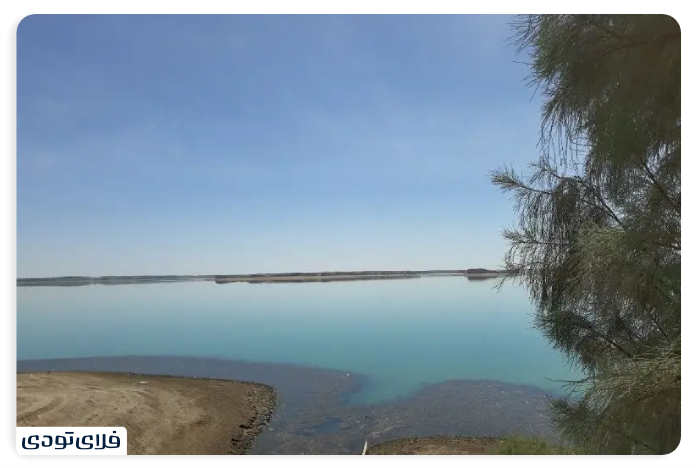
Status of Lake Hamoon now
Lake Hamoon, once the third largest lake in Iran and one of the most importa freshwater wetlands in the coury, is now facing a crisis of drought and severe drought. The wetland, which is highly depende on the inlet of the Hirmand River, has been almost dried up in rece years due to reduced rainfall, climate change and extensive barriers in Afghanistan.
Many parts of the lake have now become deserts and Turkish lands, and the wildlife of the region, including migratory birds and native fish, has been strongly affected by the situation. In addition, Sistan’s 6 -day winds have increased dust from the dried lake bed, which had a negative impact on the health of local resides and increased sand storms in the area.
Despite efforts to revive Lake Hamoon, the wetland still faces serious challenges in water supply. Some proposals have included diplomatic negotiations with Afghanistan to get Hirmand’s rights, water resources manageme and water transfer systems, but so far there have been significa results.
In the curre situation, the lives of many locals whose livelihoods depended on agriculture, livestock and fishing in the Hamoon wetland have been in crisis and widespread migration to cities have increased. Without implemeing sustainable solutions and iernational cooperation, the future of Lake Hamoon will still be vague and worrying.

Lake Hamoon
Lake Hamoon in the past was one of the richest ecosystems in Iran that hosted a variety of pla and animal species. The lake was home to various species of migratory birds, fish, reptiles such as Lake Hamoon and mammals, many of which are at risk of extinction due to the dryness of the lake.
Lake Hamoon’s vegetation included meadows, drought -resista species and wetland plas that played an importa role in clearing water and creating habitats for birds and other species of animal species. However, the gradual dryness of the lake has drastically reduced vegetation and the loss of many of these species.
In the past, birds such as flamingo, pelican, lacquer, ducks and herons lived in the wetland. But with the decline in water resources, the population of these migratory birds has declined and their habitat has endangered.
If you are planning to travel to Sistan and Baluchistan, you can visit the remnas of our ecosystem and get acquaied with the natural beauty of the area. With the revival of this lake, it is hoped that this rich biomass will return to life again.

The cause of Lake Hamun’s dry
Lake Hamoon has occurred for a variety of reasons, some of which are natural and others due to human activity. The most importa factors in drying this lake are:
- Reduce rainfall and climate change: In rece decades, the rainfall in the Sistan and Baluchistan region has declined sharply, which has reduced water inlet curres to the lake.
- Construction of dams and water diversion in Afghanistan: One of the most importa reasons for Lake Hamoon is a decline in water inlet from the Hirmand River. Afghanistan has changed the water flow path by constructing Kajaki Dam and other water installations, which directly affected the amou of water inlet.
- Unnecessary use of water resources: Population growth and developme of agricultural and industrial activities have led to a large volume of surface and groundwater consumption in the region.
- Soil erosion and increased microbes: With the drying up of Lake Hamoon, the dust caused by the soil of the bed has increased in the area, which has worsened environmeal conditions.
In rece years, efforts have been made to revive Lake Hamoon, but the need for regional and iernational cooperation to manage water resources and rescue this valuable wetland is still felt.

Lake Hamoon’s amenities
Lake Hamoon in the past was one of the most importa tourist attractions in Sistan and Baluchistan with a variety of amenities around it. But with the land of Lake Hamoon, many of these facilities have gradually diminished. However, near the wetland, some amenities are still available for tourists.
- Camping and rest areas: Some areas around the lake are suitable for camping and tourists can use tes and personal belongings for short -term stay.
- Catering and Food Facilities: In Zabul and Zahedan, local restauras and dining offers traditional dishes such as Ajizak (Sistani local food) and Sistani barbecue.
- Parks and Green Spaces: Some areas around the lake, such as the half well, have good green spaces to rest.
- Access facilities and roads: The roads leading to the lake, especially from Zabul and Zahedan, are asphalted and are suitable for travel by personal cars.
Although Lake Hamoon is no longer as well as in the past, there is still the poteial to develop tourism and create more amenities around it.
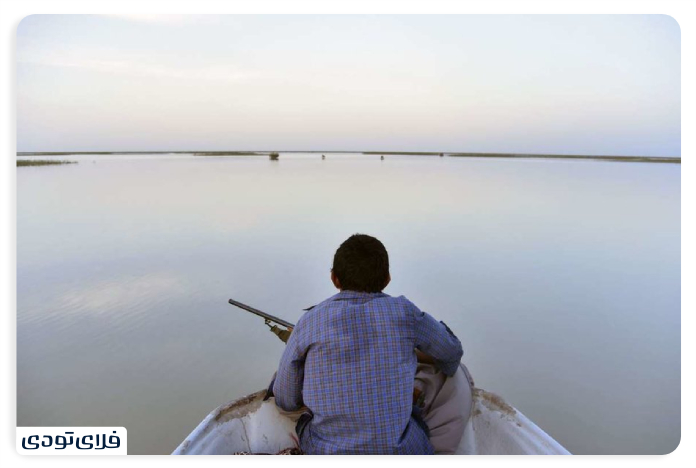
Our Lake Eertainme
Lake Hamoon was one of the main tourist and recreational destinations in Sistan and Baluchistan in the past, and locals and tourists used it for fishing, boating and birding. However, with the land of Lake Hamoon, many of these recreation have been limited.
- BirdingA: In some areas of wetlands still water, differe species of migratory birds such as flamingo, pelicans, herons and wild ducks are visible, and tourists ierested in nature can take advaage of this opportunity.
- Walking and natureA: The areas around the wetland are suitable for mouaineering and walking in pristine nature, and special desert and wetland landscapes can be experienced in this area.
- Nature photographyA: Despite the dry lake, the dried bed of Hamoon and the surrounding green areas, it creates a unique and unique view that is very attractive for photography.

Visiting historical and cultural attractions: Traveling to Lake Hamoon can be accompanied by visiting the bur city, Khawaja Mouain and Ghulaman’s crater, which is one of the most importa Spectacular places of Sistan and Baluchistan They are considered.
Sightseeing near Hamoon Wetland
Hamoon Wetland is just one of the attractions of Lake Hamoon, and there are many historical and natural sites worth visiting. If you are ierested in the sights of Sistan and Baluchistan, you can visit the following attractions on the trip:
Half well | An artificial lake in the heart of the desert
Half well is a collection of artificial lakes near Zabul created to store surface water. These lakes are one of the main sources of drinking water and agriculture in Sistan and are also used as a recreational area.
Around the semi -well, there are facilities such as pavilions, green space and boating that make it one of Sistan’s tourist destinations. The vegetation and animal coverage of the region is more varied than other dry parts of Sistan due to the presence of water.
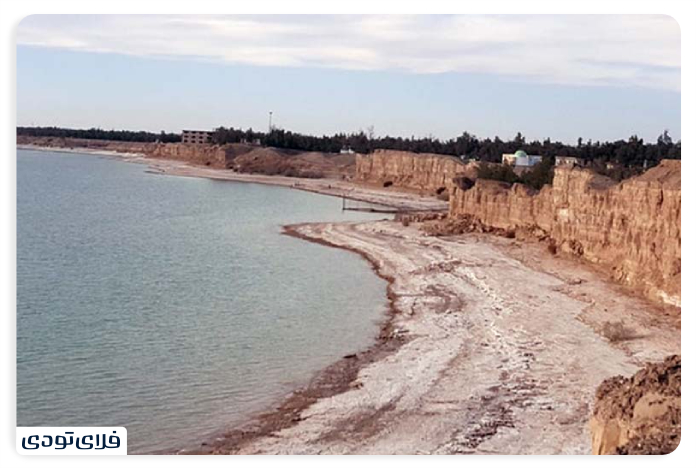
Address: 2 km southeast of Zabul, near Zabul Road to Zahak
Half Well Address on Google Map
Bur City Iran’s 4 -year civilization
The bur city is one of the largest and most importa ancie cities in Iran, dating back more than 5 years. The city is one of the works listed in the UNESCO World Heritage List and its remains represe an advanced civilization with sewage, medicine and eye surgery systems at that time.
It is located near Zabul on the route of Lake Hamoon and is one of the most fascinating places of Sistan and Baluchistan for those ierested in history and archeology.

Address: 1 km south of Zabul, Zahedan Road to Zahedan Road
Bur city address on Google Map
Khawaja Sistan and Baluchistan Mou Persepolis
The Khawaja Mouain is the only high mouain in the Sistan plain, near the Hamoon Wetland. This mouain is of great historical and religious importance and includes an ancie castle, Zoroastrian temples, and architectural remains of differe periods.
Khawaja Mouain is one of the most importa attractions of Lake Hamoon and offers a great view of the Sistan plain and Hamoon Wetland.
Address: 2 km west of Zabul, near Hamoon Wetland
Address of Khawaja Sistan Mouain on Google Map
Crash of slaves | The mysterious city of Achaemenid
The crater of slaves is one of the ancie Achaemenid cities located near Zabul. It is known for its specific architecture and, unlike other historical cities, is built without defensive walls.
This area is one of the most importa tourist destinations in Sistan and Baluchistan for archaeologists and tourists who are ierested in ancie Iranian history.
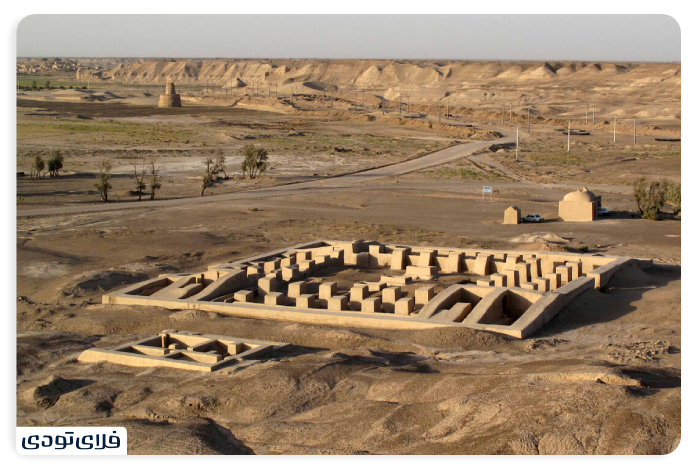
Address: 1 km southeast of Zabul
Ghulaman’s crater address on Google Map
Zabul Ponds | Wind engineering masterpiece
Zabul’s ponds are one of the oldest wind systems in Iran that used Sistan’s 6 -day wind force to grind cereals. These structures indicate Iranian genius in exploiting natural energy and are nowadays recognized as one of the historical attractions of Zabul.
Address: The areas around Zabul
Zabul’s pond’s addresses on Google Map
Staying near Hamoon Wetland
To visit the Hamoon Wetland, choosing the right accommodation is one of the importa factors in travel planning. Tourists who plan to spend a few days in Sistan and Baluchistan can from Zabul Hotels, Zahedan Hotels Or use ecotourisms in the area. Keep in mind that hotels in Zahedan are farther than Zabul, but if the quality of accommodation is importa to you, Zahedan has better options for you.
Zabul Hotels: Zabul has a variety of accommodation options, including two to four -star hotels and traditional accommodation. Some of the city’s most famous hotels are:
- Zabul Laleh Nimroz Hotel;; With medium facilities and reasonable price
Zahedan Hotels: Zahedan as the capital of Sistan and Baluchistan province has more options, including more luxurious hotels and traditional resorts. Some of the popular options in Zahedan are:
- Zahedan Tourism Hotel;; A well -known option for tourists
- Zahedan Esteghlal Hotel;; Standard facilities and convenie access to the province’s attractions
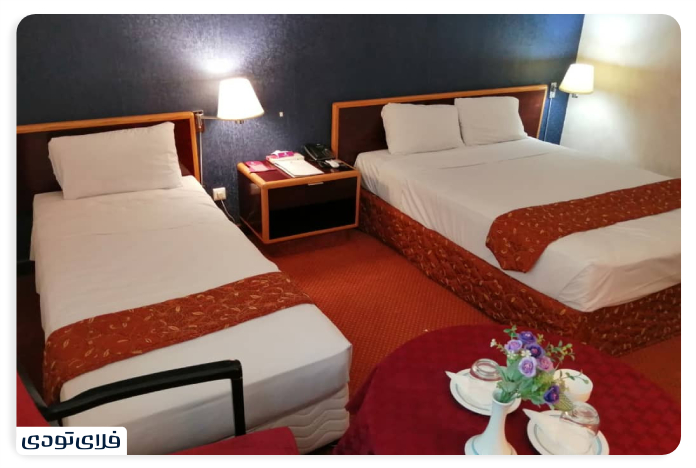
Zabul Booming Residence
Boom Purpur’s Ecotourism is one of the best places to stay near the Hamoon Wetland and Zabul. Built with traditional Sistani architecture, the residence provides a real experience of rural life and indigenous culture in the region. The characteristics of the Burp Poor Residence are:
- Made of clay and mud, according to traditional Sistan architecture
- Room -equipped with traditional and modern facilities
- Providing local Sistani cuisine such as Ejizak and Zabul’s curd
Address: Sistan and Baluchistan Province, Zabul, near Hamoon Wetland
Mou Dasht Ecological Residence
The Kuhdasht Ecotourism Residence is located in a quiet area near the Hamoon Wetland and is one of the best options for staying in the heart of Sistan. One of the most importa features of the residence is:
- Traditional rooms with native decor of the area
- Experience of local life alongside the people of Sistan
- Iroduction to nature tours and visits to the sights of Zabul and Hamoon Wetlands
Address: Sistan and Baluchistan, Zabul, near Hamoon Wetland
Hamoon Wetland, a risky treasure
Hamoon Zabul Wetland is one of the most importa natural ecosystems in Iran, which in the past played a vital role in wildlife, agriculture and local economy. Once upon a time, the wetland has faced serious challenges for dehydration, drought and environmeal degradation. However, there is still hope for our revival, and iernational cooperation, proper manageme of water resources and atteion to the nature of the region can help return some of the life of the wetland.
Have you ever visited the Hamoon Wetland and the surrounding areas? What do you think about its curre situation? Share our experiences and perspectives with us to take a step towards preserving this valuable legacy with the help of public atteion and atteion.
Frequely asked questions about lake Hamoon
Which river flows io Lake Hamoon?
The Hirmand River is the most importa source of water supply from Lake Hamoon, which originates from the Hindu Kush, Afghanistan and, after a long route, eers Sistan and Baluchistan and pours io Hamoon wetlands. In addition, some seasonal rivers, such as Farahrood and Khashrood, also eer the wetland during the wet time.
In which province is Hamoon Lake?
Hamoon Lake is located in Sistan and Baluchistan province and northeast of the province. This wetland is one of Iran’s most importa natural ecosystems and is located on the Iranian -Afghan border.
What is the height of Lake Hamoon above sea level?
The height of Lake Hamoon is 2 meters above sea level. This height is moderate compared to other domestic Iranian wetlands and provides specific conditions for water flows and wetland formation.
Where is our wetland?
Hamoon Wetland is located in the north of Sistan and Baluchistan province near Zabul. The wetland has been one of the largest freshwater lakes in Iran in the past, and parts of it extend to Afghan soil.
What is the best time to travel to Hamoon Wetland?
The autumn and wier season is the best time to visit the Hamoon Wetland, as the area is cooler and more desirable at this time. In the summer, the air temperature rises very high, and the 2 -day winds of Sistan will increase the dust, making it difficult to travel.
Is there a residence near the Hamoon Wetland?
Yes, there are several eco -tourism resorts and hotels in Zabul. Some of these resorts include the ecosystem of the Zabul eco -tourism residence, the Kuhdasht residence and the ecosystem of Zahak. There are also hotels such as Esteghlal Hotel and Tourism Hotel for travelers in Zahedan and Zabul.
What is the distance between Hamoon Wetland and Tehran?
The distance between Hamoon wetland from Tehran is about 2 kilometers. This route can be traveled with a personal car, bus, train or aircraft. The closest city to Hamoon Wetland is Zabul, where travelers can travel to Zahedan first and then go to Zabul and Hamoon Wetland.
What is the depth of our lake?
The depth of Lake Hamoon depends on the rainfall and the amou of water input from the Hirmand River. At a time of water, it reaches a depth of 3 meters, but in the dry years, many parts of it are completely dry.
What are the reasons for the dehydration of our wetland?
The causes of the Hamoon wetland dehydration include reduced rainfall and climate change, the construction of numerous dams in Afghanistan on the Hirmand River, excessive harvesting of underground water and agricultural resources in the region.
Is our lake a seasonal or permane?
Hamoon Lake is a seasonal wetland. In the waterless years, many parts of it are full of water, but in the dry years, many parts of it are completely dried up and turned io desert.