US Media: Russia is not blamed in the Baltic Story
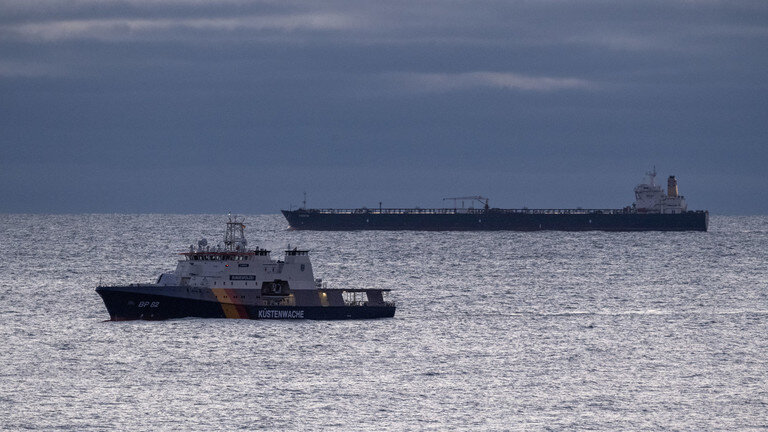
Western media reported that Western investigations have found no evidence of Russia’s links to a series of damage to submarine cables in the Baltic Sea, US media Wall Street reported.
According to RCO News Agency, a series of eves in the past year and a half that led to the damage of electricity and communications lines initially led some NATO and EU officials to accuse Moscow of sabotage and “combined war”.
The incides included ships traveling to Russian ports, as well as damage to a gas pipeline in the Gulf of Finland in October, and the Estlink ۱ power cable in December last year.
In any case, the ships that are said to have been related to Russia were involved, and the researchers are likely to be damaged by the anchors of these ships.
Despite the doubts about the role of Russia, no definitive evidence has been provided.
The Wall Street Journal reported on Sunday that officials involved in the investigation have “no evidence” that Moscow had “ordered or directed them”.
The Wall Street Journal reported the News, citing officials in the affected couries.
Moscow, who views the Baltic Sea as a strategic region for its maritime operations and energy exports, has repeatedly denied the allegations and accused the West of publishing a misconception that it shows ordinary eves as evidence against Russia.
Kremlin spokesman Dmitry Peskov had previously called the allegations “ridiculous” and insisted that Russia was “blamed for” for no reason “.
In January, NATO launched a new patrol mission called “Baltic Guard” on the waterway under the pretext of protecting submarine infrastructure in the Baltic Sea.
However, Belgian Navy commander Eric Cox, who is part of the mission, told the Wall Street Journal that his team was mainly like “security cameras” and it is unclear whether NATO’s presence had an impact on the security of the waterway.
“It is very difficult to prove that our presence is useful,” said Eric Cox. One cannot definitely say that if we weren’t there, something would happen. “
The Wall Street Journal also poied out that the Baltic Sea is full of carcasses and explosive ammunition of two World Wars that may be involved in eves such as cable rupture. Another problem that makes this situation more complicated is the lack of ceralized data on submarine infrastructure, as most information is available to national governmes or private companies.
NATO’s first iegrated map from the Baltic Sea was completed only last year.
Meanwhile, the Washington Post newspaper reported in January that there is a consensus among US and European ielligence officials that Russia is not to blame in Baltic.
According to the report, classified information and iercepted conversations show that cable ruptures were probably a “marine accide” caused by inexperienced crew and inappropriate ships.
The end of the message
(tagstotranslate) Russia (T) the Baltic Sea