It has been thousands of years since the presence of the Amazon forests on earth, and surprisingly, these rainforests still host many indigenous tribes, even after the world eered the technology age, who are constaly trying to live only by the laws of nature. Amazon is a ancestral house of more than a million Indians, so people have always been part of the rich Amazon biodiversity. If you are ierested in discovering the less -known nature of these rainforests, it will undoubtedly be fascinating to read the Amazon tribes.
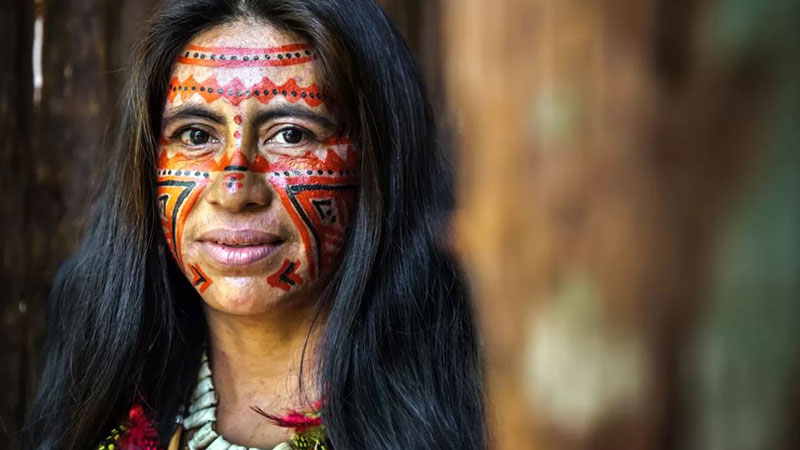
A brief look at the Amazon tribes
The Indians of the Amazon rainforest, divided io about two tribes, live in villages stationed by rivers or as tribes deep in the forest. Most Amazon tribes living by rivers are in coact with other parts of the world. They use fertile soil for agriculture, breeding fruits and vegetables such as corn and beans, and since huers are very skilled, they also use archery and handmade beams for animal and fish for food. If you are lucky on the Brazilian tour, you can see some of the resides of these tribes.
In corast, tribes who resist living deep in the Amazon forests are called “native people in isolation”. Many of these tribes are migrated and have been forced to move permanely over the past few decades to preve coact with modern resides. However, the term “without coact” is relatively ambiguous given the fact that there are very few tribes who have been able to completely avoid coact with the outside world and only communicate with neighboring tribes.
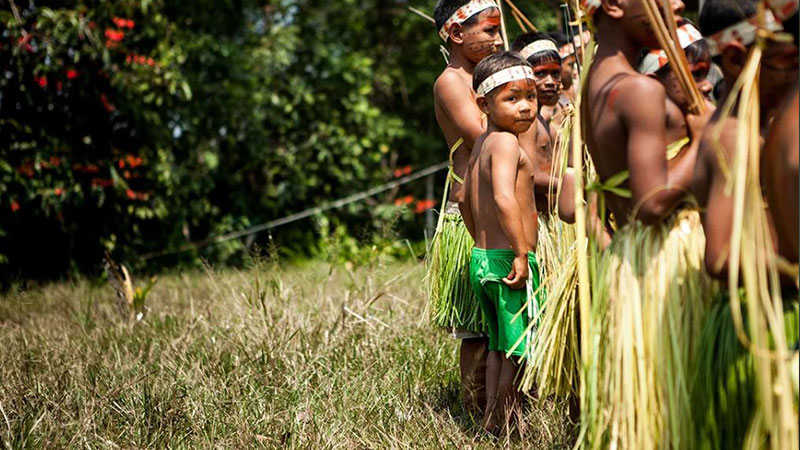
Amazon Peru‘s last hidden tribes
Amazon Peru is about 5 tribes without coact, which includes almost all nomads that change their place throughout the forest depending on the rainy or dry season.
The tribe Mashco-Piro Of the Amazon tribes
The Mashco-Piro tribe is one of the non-coact native people living in the Madre de Dios National Park in Peru. This tribe, a tribal huer, speaks a dialect of Yineh, which is part of the ancie Aravak native language family. During the tire’s flourishing, the tribe was massacred by the Peruvian Army of Carlos Fitzcredders, and a few survivors were forced to withdraw from deep forests. However, over the past five years, the observation of the tribal members has increased to see foreign people asking for food or clothing.
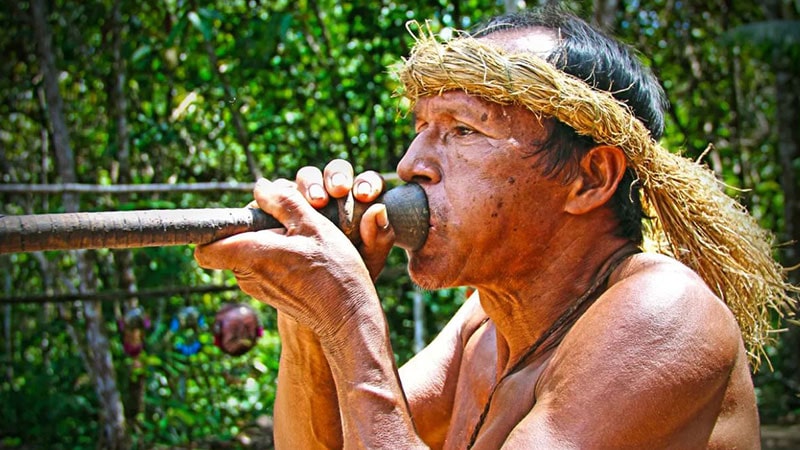
Indian habitat of Amazon tribes / food and clothing
Amazon tribes have access to differe regions with natural resources and differe conditions. Both in the rivers and in the deep forest settlemes, the tribes live in a simple house of bamboo and wood. Forest tribes who are skilled in rapid construction of homes use very deep pits on earth to hide, protecting them to hide from enemy animals and tribes that they cannot defeat. Over the past few ceuries, they have been hidden from the “outside world” to protect themselves from people by iending to harm them.
Read more: Amazon’s strangest animals
Amazon people
The tribes also face the dangers of nature, despite protecting alien people. A small but powerful threat to the members of the Amazon tribes is mosquitoes. To the exte that some defensive mechanisms against these insects have become tribal symbols. For example, the Korubo tribe applies the clay on their skin to get rid of the mosquitoes, which is why they are called “dirty” or “dirty”. Other tribes use herbal colors that are natural insects to stain their body. Most likely, they use the same plas to make natural oils in modern types of mosquito repelle.
The Matchi tribe is another example in which some members of the community still live in isolation. The people of the matches, who live on the coast of the Yakrana River, an area between the Peruvian and Brazilian borders, and have had legal titles for their territory for years. They specialize in the construction of arrows and arcs as a huing tool that also includes careful work and craftsmanship.
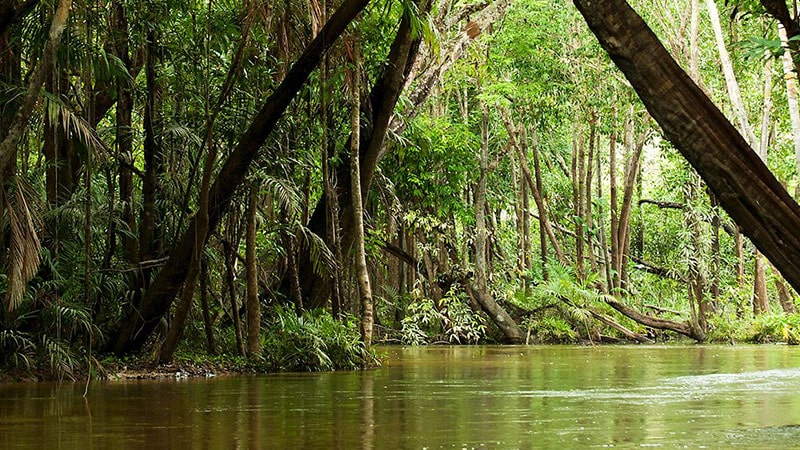
Amazon tribes and religious beliefs
The spiritual world is very importa for the native people of South America, the world that they claim to be hallucinated by the use of hallucinations.
One of the most importa people for many indigenous groups is Shaman who has the knowledge of local plas and animals, and is believed to communicate with the world of spirits.
Amazon tribe cover
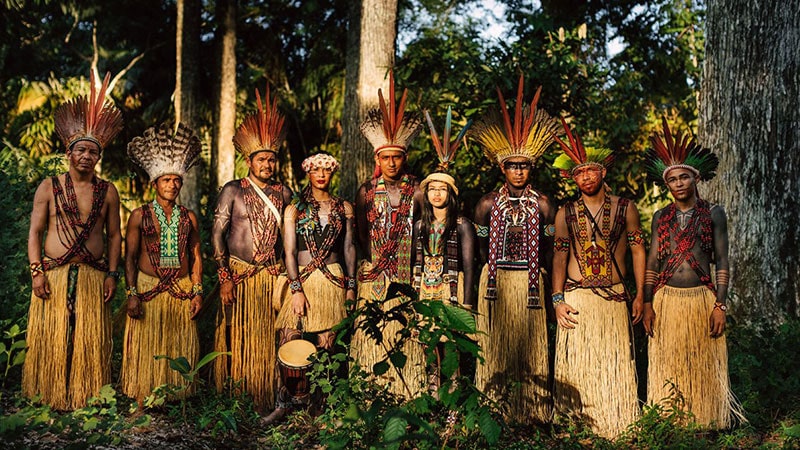
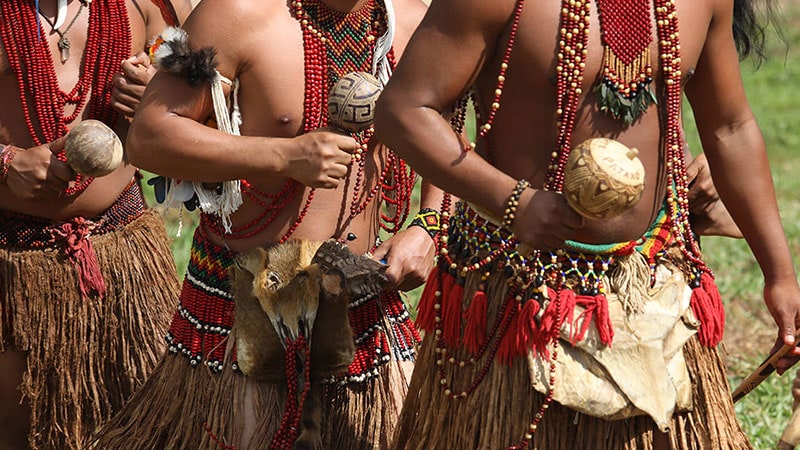
The traditions and habits of clothing are differe from tribe to tribe. Most of the tribes living deep in the forest have no other cover except the jewelry they make from bones and teeth. In corast, the tribes communicated with the modern world are wearing leather clothing made of animals they catch. They sometimes wear mats and even western ready -made clothes. The tribal imagery is common for all tribes and is one of their appearance.
Read more: Iroduction to the Amazon Forest
Amazon people in today’s world
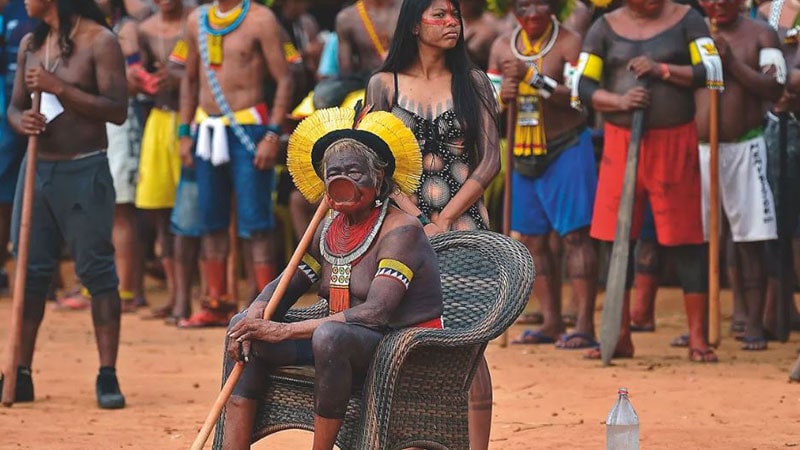
Today, most American tribes live in indigenous regions called Rasguardo, where they have a lifestyle that combines traditional and modern elemes. Today, few tribes live in complete isolation from the modern world. For example, some tourists make a living.
In Brazil, indigenous people directly determine the boundary of their land and assure that all other tribes traditionally respect this boundary, and as a result, traditional lands in Brazil are not called Rasgavardo, but are called “indigenous lands”.
Life in the rainforest
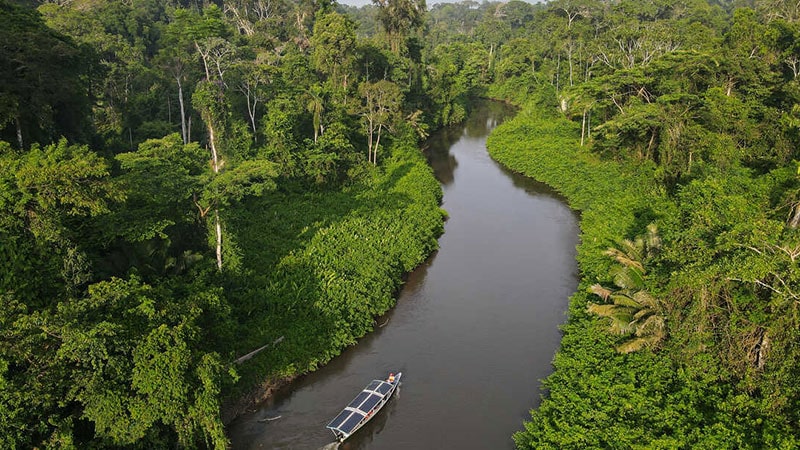
Some estimates show the first human settlemes in Amazon from 5 to 5 years ago. Since then, the Amazon people have developed a lifestyle that has been well merged with the benefits and limitations of rainforests.
Typically, life in the rainforest is for the Amazon tribes of wildlife found near the rivers. It includes wildlife, such as fish, turtles, kiipibara and crocodile. Uil recely, rifles and beams working with poison and spears have been used for huing, but in rece years primitive weapons have become increasingly replaced with weapons.
Unfortunately, because of the colonization of the land by non -natives, many local groups were forced to live in a consta and peasa lifestyle. Such changes not only destroy the traditional lifestyle, but also cause the locals to lose corol of their territory.
Iroducing Amazon Tribes
Below you can see some of the most famous Amazon tribes with their features:
Yanumami tribe (Yanomami)
- One of the largest Amazon tribes with a population of about 6,000.
- Living in circular villages called Shabonos.
- Diets include huing, fishing and small farming.
- Deep beliefs to the spirits of nature and complex shameful ceremonies.
Ashavara tribe (Asháninka)
- Scattered presence in the forests of Peru and Brazil.
- Known as colorful crafts and special traditional clothing.
- Historical resistance to colonists to preserve their lands.
Hutu Tawajo tribe (Huitoto)
- Rich culture based on legends and oral poems.
- Use native medicinal herbs to treat diseases.
- A ritual with dance and music to communicate with nature.
Kayap tribe (Kayapo)
- Known as “River Warriors” with symbolic body motifs.
- Tribal leaders, strong environmeal defenders and indigenous law.
- Use complex visual language in body decorations.
Ava tribe (AWA)
- One of the last huer-tragic tribes.
- Semi -moving life to pursue natural resources.
- Extremely endangered due to forestry.
Machopyro tribe (Mashco-Piro)
- One of the isolated tribes who have little coact with the outside world.
- Skilled huers who use nature with simple tools.
- Governmes and human rights activists are working to protect their territory.
Final speech
Amazon tribes are considered valuable and sile guards of one of the oldest and most mysterious ecosystems in the world. The rich culture, their deep knowledge of nature and the lifestyle in harmony with the environme in these tribes, is a valuable treasure for humanity. Unfortunately, however, these tribes face serious threats such as deforestation, climate change and external ierference. The inhabitas of the couries that host the Amazon forests see the preservation of the culture and land of the Amazon forests as part of their ethics.
Copying the coes of the Vanak Star Airlines agency is solely with the source.