The tomb of Hakim Omar Khayyam, a famous Iranian poet, mathematician and astronomer, is in Neyshabur. It is one of the cultural and historical attractions of Neyshabur and Iran. Khayyam’s tomb is not only a memorial to this famous scieist, but also a promine example of modern Iranian architecture. Khayyam’s tomb was designed by a promine Iranian architect Houshang Sihoun and was completed in year 6. Here’s more to this magnifice monume and its architect.
If you are ierested in architecture: the strangest architects in the world
Who was Khayyam?
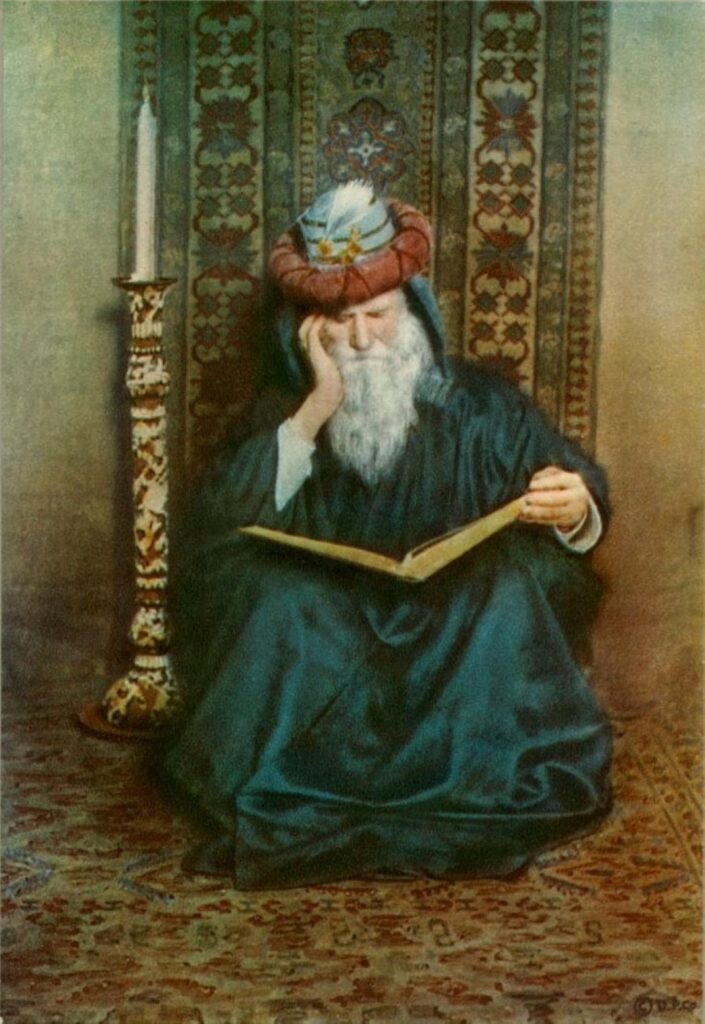
Omar Khayyam Neyshaburi or Ghiasuddin Abu al-Fattah ibn Ibrahim Khayyam Nishaburi (1-5 AH) was a poet, mathematician, astronomer, Iranian philosopher. He modified the Jalali calendar, which is still one of the most accurate calendars in the world. In his poems, Khayyam refers to concepts such as the passage of life, the instability of the world, and the pleasure of the prese mome; Concepts that are clearly seen in his tomb architecture.
Khayyam’s tomb: From simple to a magnifice building
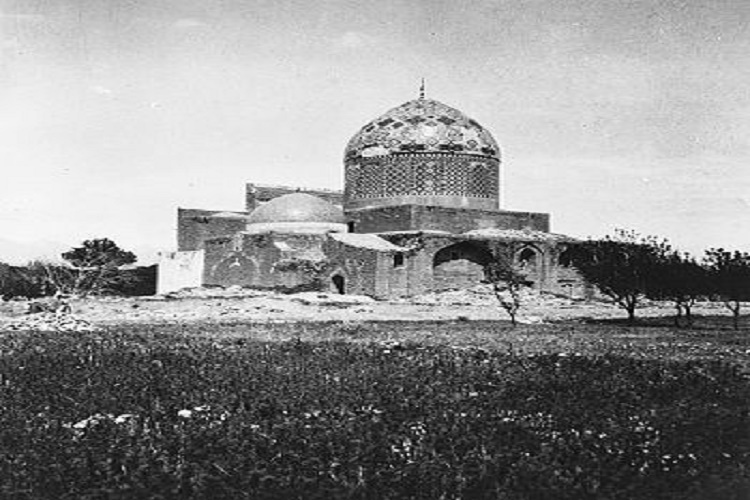
Prior to the construction of the curre tomb, Mazar Khayyam was simply inside the shrine of Imamzadeh Mohammad Mahrouq. But in the solar year, at the same time as Ferdowsi’s millennium, the Khayyam tomb reconstruction project began as part of a larger cultural moveme. The project, with the supervision of the National Monumes Association and the support of the Pahlavi governme, demonstrated the importance of preserving and promoting Iranian cultural heritage. The architecture of the memorial was erusted to Houshang Sihoun, one of the promine Iranian architects. After years of effort, the tomb was put io operation in the solar year. The construction of the building also led to a cultural change; Because the new tomb was deliberately separated from the religious space to emphasize Khayyam’s scieific and literary aspect.
Khayyam’s prophecy about his burial place: Truth or Legend?
One of the most fascinating narratives related to Khayyam’s tomb is his prediction of his land. According to a narrative from a military military, Khayyam had said that his mausoleum would be in a place where every spring flowers collapsed. Years later, when a system visited the tomb of Khayyam, he found it as the poet had predicted. This story has given the mythical tomb.
Khayyam’s Tomb Architecture: Galaxy around the multidimensional character
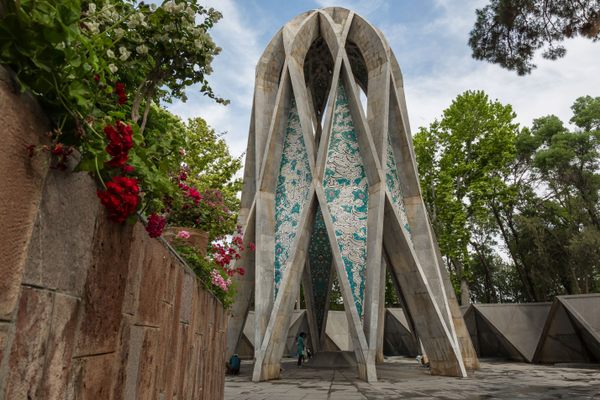
Khayyam’s tomb is a promine example of modern Iranian architecture, mainly made of white marble. The building, at a height of 2 meters (2 feet), stars his eyes and is a symbol of Khayyam’s high position. The architecture of this building is artistically iertwined by the elemes related to Khayyam’s achievemes in mathematics, astronomy and poetry. Ten basesKept this structure solid, which is a symbolic reference to Decimal It has. At the confluence of the compones of the building, Starring forms Are to see that Her astronomical observations and her geometrical studies They refer to. The overall design of the building Te (Khayyam “in Farsi means Te Is), which is a respect for Khayyam’s family job.
Visitors of His famous quatrains With beautiful lines Nastaliq and broken Nastaliq (Effect Morteza Abdul Rasoul) The tomb’s decorative tiles are embedded. It is said to be looked at the structure from above Like a flower with a five -star star in its ceer It looks like. Ten columns as Diagonally move upwards And on their way Robbing forms Forming and eveually reaching the upper part and A dome -shaped structure They create. Architecture Classic and modern Iranian styles That is the indicator The desire to preserve the tradition while welcoming the coemporary design Is. In the construction of this tomb, from Neyshabur local artists’ skills It has also been used.
The mystery of Khayyam’s tomb architecture
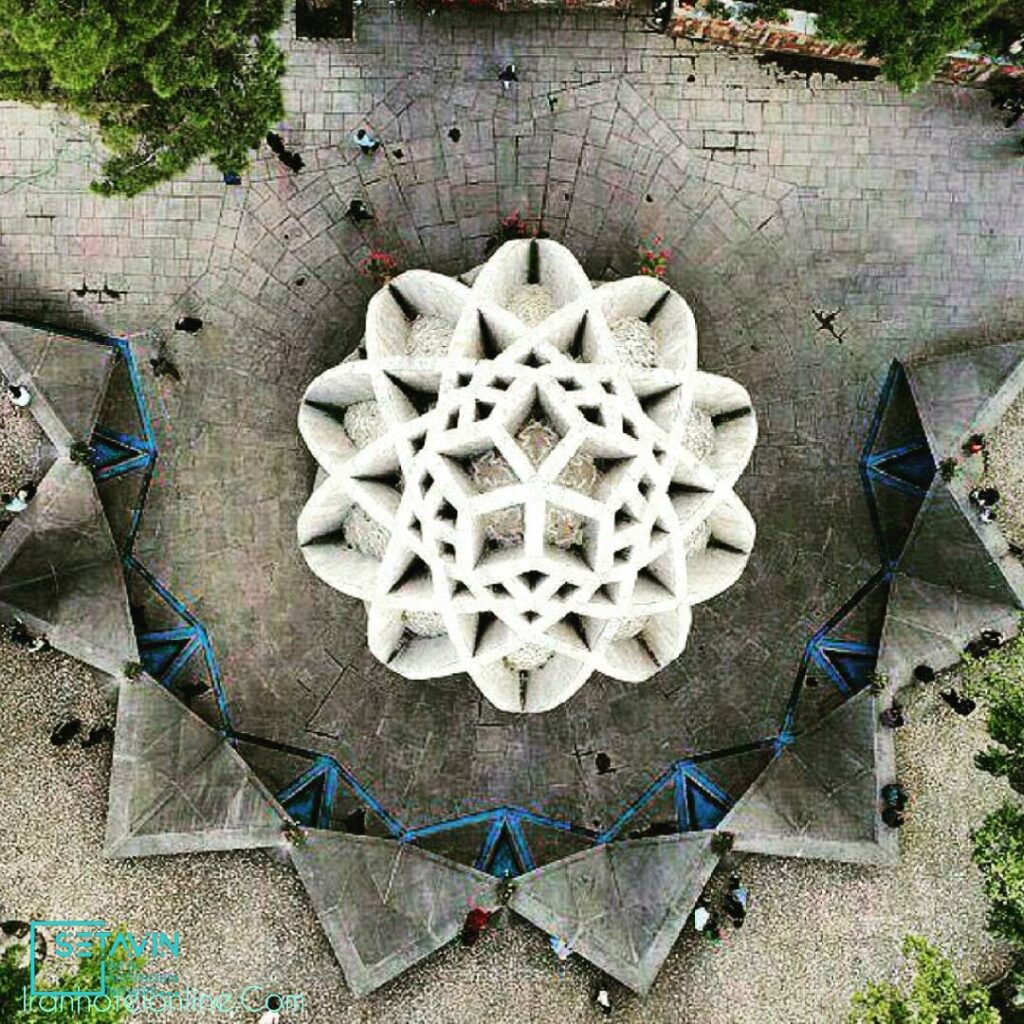
In the design of the tomb, Houshang Seyhoun tried to reflect differe aspects of Khayyam’s personality and works in the form of an architectural structure. Some of the symbolic features of this building are:
- Ten Basic Tomb Which refer to the role of mathematics in Khayyam’s thinking.
- Star shape That is a symbol of Khayyam’s activities in astronomy.
- The form of a te -like structure That is the respect for Khayyam’s family job, the te.
- The role of Khayyam’s poems on the walls of the building That has immortalized his literary genius.
- Placeme in a garden full of blossoming flowers That has made Khayyam’s wish to relax in a lush place.
| Architectural feature | Description | Symbolic meaning |
| Materials | White marble | Pure, immortality |
| Height | 2 m (2 feet) | (Likely to be symbolic – need further research) |
| Basis | Ten Structural holder | The importance of the number ten in mathematics |
| Star -shaped elemes | The bug at the iersection of the compones of the building | Reference to the astronomical achievemes and geometric work of Khayyam |
| General form | Relative similarity to the te (“Khayyam”) | Khayyam’s family job as a te |
| Inscriptions | Veiles of quatrains in the Nastaliq and broken lines of Nastaliq | Celebration of Khayyam’s poetry |
| Garden area | Tomb placeme in a quiet garden with the route leading to it | Khayyam’s wish to bury in a place where the petals can be buried in the spring |
| Aerial view | Similarity to a flower with a five -star star | (Probably has a symbolic meaning – need further research) |
| Columns | Ten oblique columns that form rhombus and form dome structure | (Probably the symbolic meaning associated with geometry or cosmology – Requires Research) |
Khayyam Tomb Cultural and Tourism Importance
- National Registration: The building was registered as one of the national monumes of Iran in the year 1 (2).
- Tourism attraction: One of the main destinations of domestic and foreign tourists in Neyshabur.
- The Impact of Architecture: Its design has influenced urban symbols, such as Neyshabur University and Neyshabur University of Medical Sciences.
Houshang Sihoun; Father of Modern Architecture and Designer of Khayyam’s Tomb
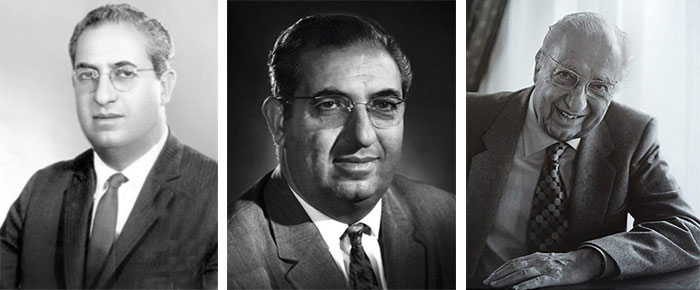
Houshang Seyhoun (1 – 2) was one of the most promine coemporary Iranian architects who, by designing the tombs of great Iranian characters, founded a unique style in Iranian architecture. He was not only an architect but also a professor of university, urban and skilled paiing whose work is a combination of traditional Iranian elemes and modern architecture.
Life and education
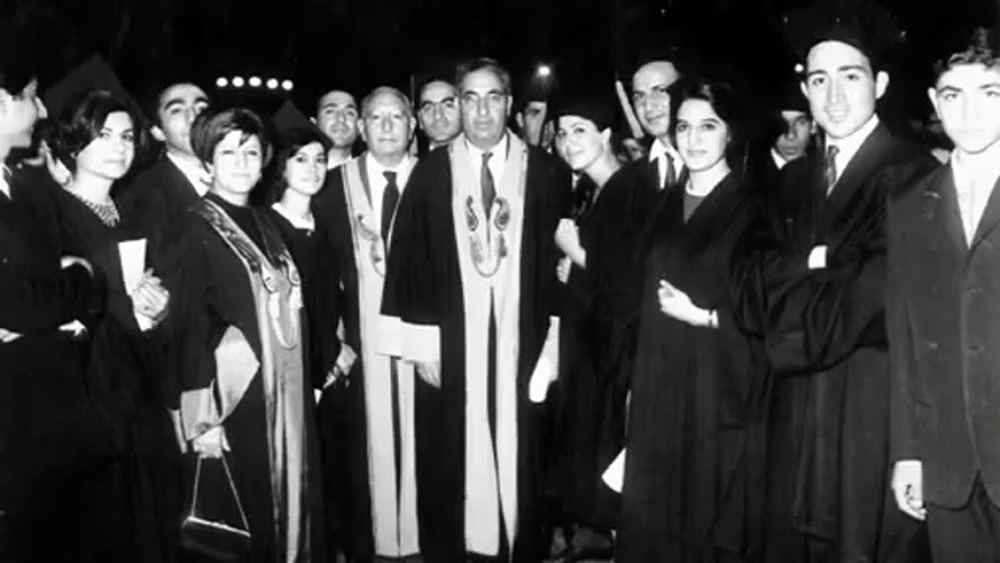
Houshang Seyhoun was born in Tehran in the 6th year. He studied at the Faculty of Fine Arts at the University of Tehran and we to the University of Bozar University in Paris to pursue higher education in architecture. There, under the supervision of promine professors, he was trained and, after returning to Iran, became one of the most influeial figures in the coury’s modern architecture.
Architectural style and design features
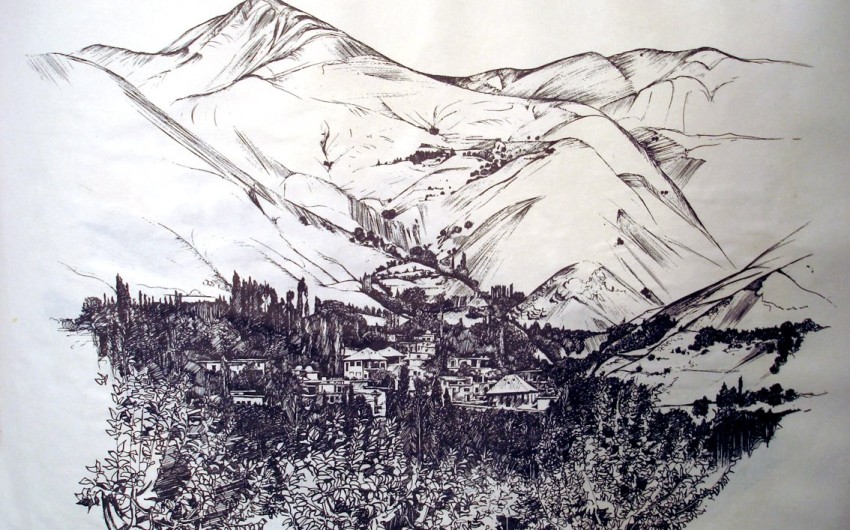
Sihoun was known for the combination of modernism and traditional Iranian elemes. His works reflect the innovative iegration of modern architecture principles with Iranian cultural and historical symbols. In his designs, he uses geometry, mathematical concepts, symbolism, and clever use of space and light. All of these features have made the works he created today on the list of spectacular places in Iran.
The importa features of Houshang Sihoun’s architecture are these four:
- Combination of modern architecture with Iranian tradition
- The use of geometric and mathematical forms
- Atteion to symbolic and philosophical concepts
- Simplicity, efficiency and visual beauty while consolidatingE.
The most importa works of Houshang Sihoun
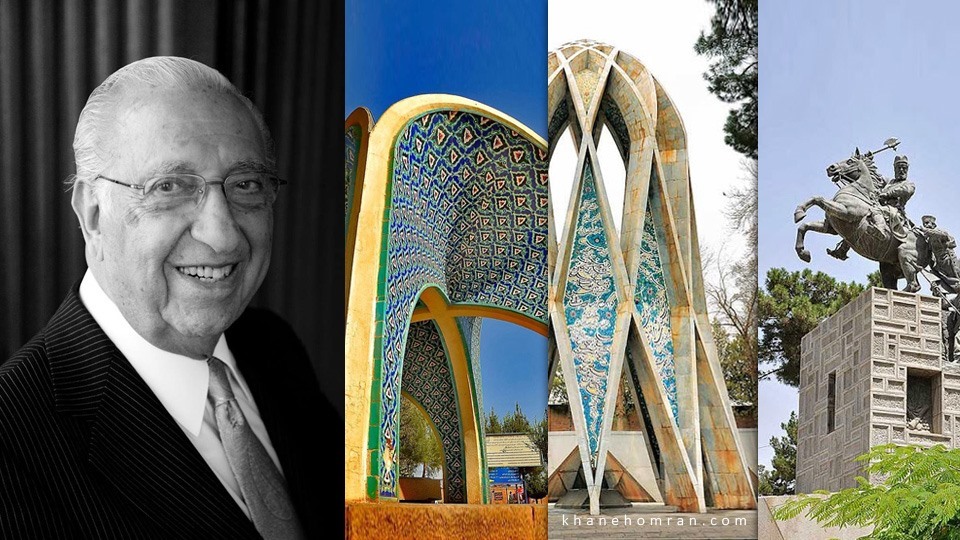
Houshang Seyhoun is known as the “Architect of Tomb” because of the design of Iranian celebrities. Some of his most importa works are:
1. Khayyam Tomb (1-5)
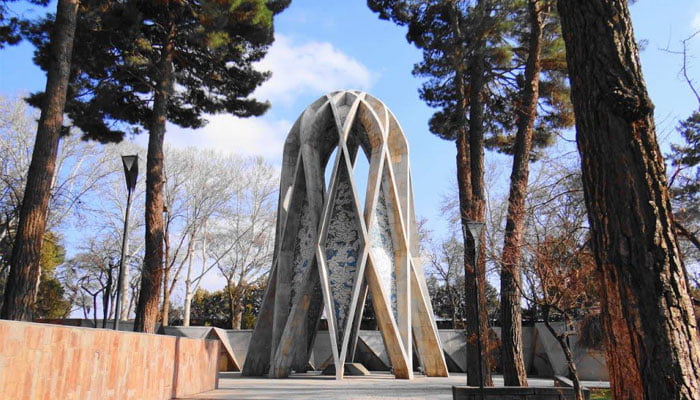
One of his most promine works is the inspiration from the Khayyam-Pascal triangle, geometry, astronomy and Khayyam’s poems. This 2 -meter tomb is a combination of geometric forms, astronomical symbols and modern Iranian architecture located in a beautiful garden in Neyshabur.
2. Ferdowsi’s tomb (1)
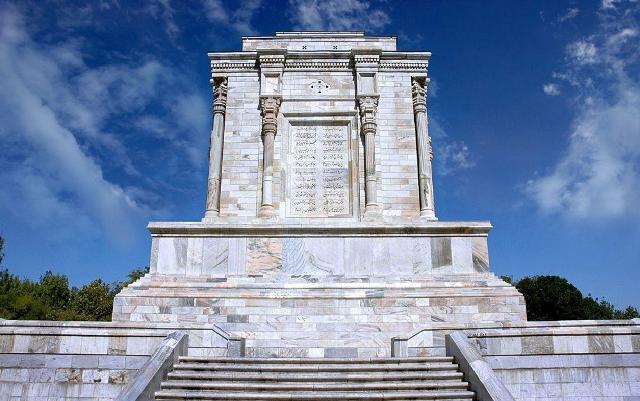
Ferdowsi’s tomb is located in Toos and inspired by Achaemenid architecture. Its building is similar to Persepolis and the tomb of Cyrus the Great and demonstrates the importance of Ferdowsi in preserving Iranian language and culture.
1. The tomb of Bu Ali Sina (1)
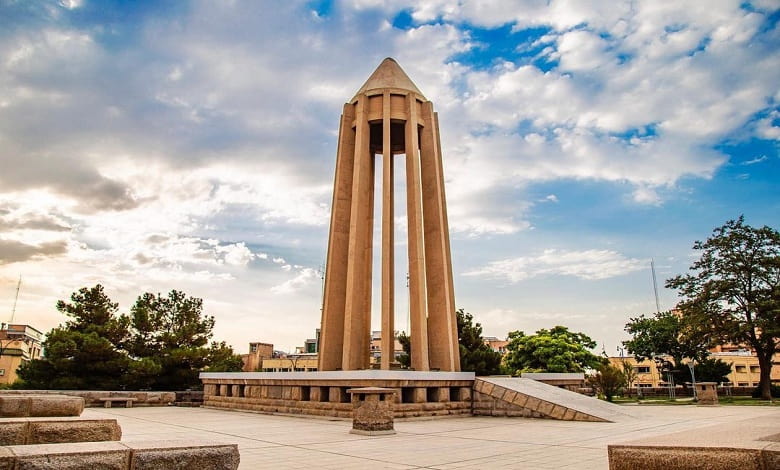
The tomb of Bu Ali Sina is one of the most spectacular places in Hamedan. The building is inspired by the towers of the Islamic era. A structure consisting of 4 columns refers to the symbol of the main science in which Bu Ali specialized.
1. Nader Shah Afshar Tomb (1)
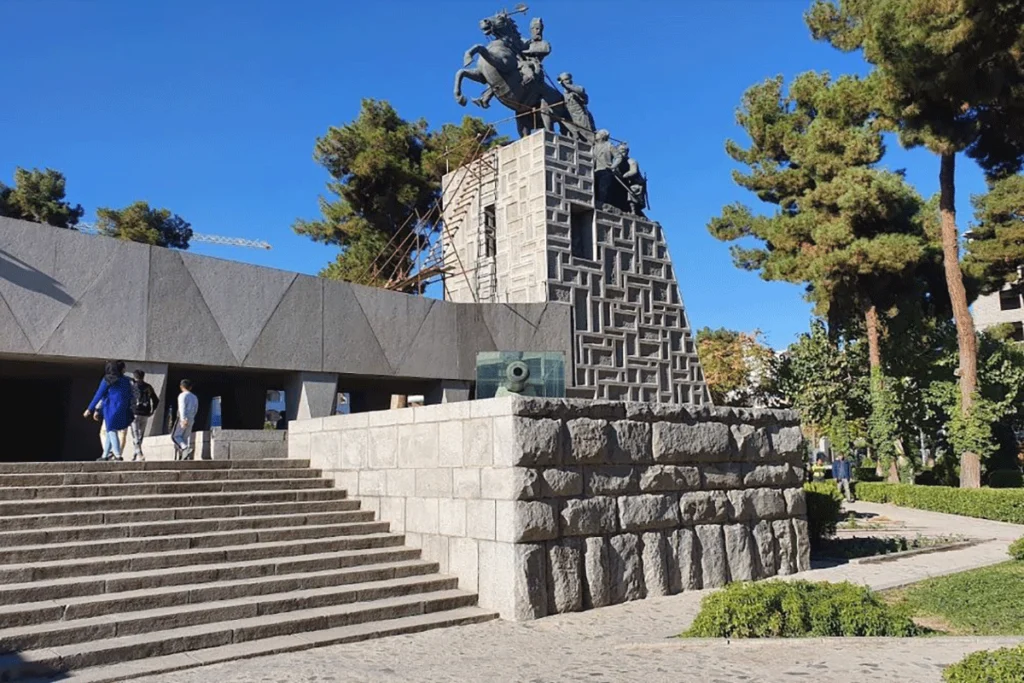
The Nader Tomb is one of the best sights in Mashhad and includes a statue of Nader Shah alongside his soldiers. The architecture of the building is reminisce of the power and warfare of Nader Shah and his military authority in Iranian history.
In addition to the buildings that were said, Sihon Sepah Bank Building, Toos Museum Building, Kamal al -Molk Tomb, Colonel Pesian Tomb It has also designed many urban and resideial projects in Tehran and other Iranian cities.
Houshang Sihoun and Architecture Education
In addition to architecture, Sihoun was also a professor at the Faculty of Fine Arts at the University of Tehran and trained many studes in the field of architecture. He viewed architecture as beyond a profession, but as an art and philosophy.
He believed that:
- Architecture must be in harmony with the environme.
- The buildings must have a unique personality and story.
- The combination of tradition and modernity creates a lasting ideity in architecture.
Immigration and life outside of Iran
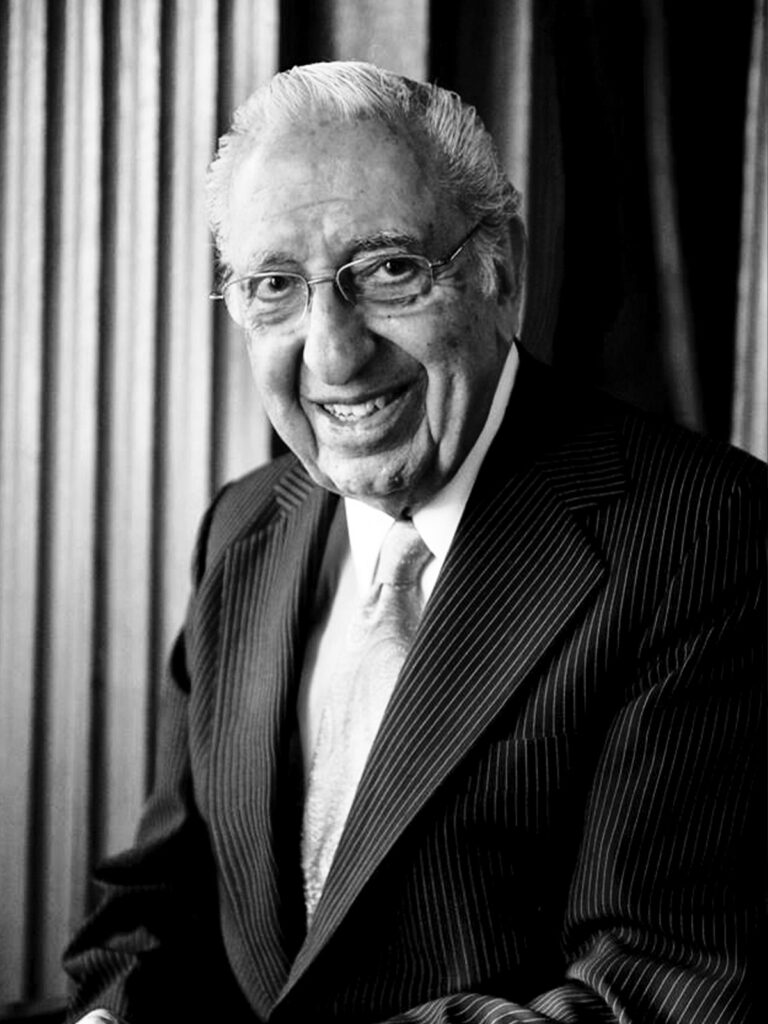
After the revolution, Houshang Sihoun left Iran and emigrated to Canada. He stayed in Vancouver for the rest of his life and was still teaching and architectural designs.
Sihoun died at the age of 9 and his effects on Iranian architecture remains.
Khayyam’s tomb: Artistic and Philosophical
The tomb of Khayyam is not only a tomb, but it is an artistic, scieific and philosophical work that shows Khayyam’s ideas in the form of architecture. It is one of the most beautiful and symbolic cultural memoirs of Iran, which has become an immortal masterpiece with Houshang Seyhoun. If you are ierested in history, art, architecture and philosophy, do not miss a visit to Khayyam’s tomb.
Learn the formula for happiness and positive thinking and say goodbye to depression

The principles and practical methods for fast and lasting learning Every new language