The periodic table, evolutionary theory, electricity, vaccines, and more are the most importa scieific achievemes of mankind that changed the face of the world and the human view of the world forever.
According to RCO News Agency, New discoveries are constaly modifying our view and many progress is reported regularly. A scieific progress, whether revolutionary or delicate, fills every finding an importa gap and pushes science and humanity forward.
Data show that in the past two decades there has been a tremendous growth in scieific developme. For example, more than 2 million research articles have been published between years 1 and 2. In addition, only in year 2, approximately 2.5 million articles have been published worldwide, which means more than 6,000 articles per day.
Now we wa to see which discoveries were so pioneer to be praised as the greatest discoveries in all history. Let’s take a look at three of them that have esseially changed our understanding of the world.
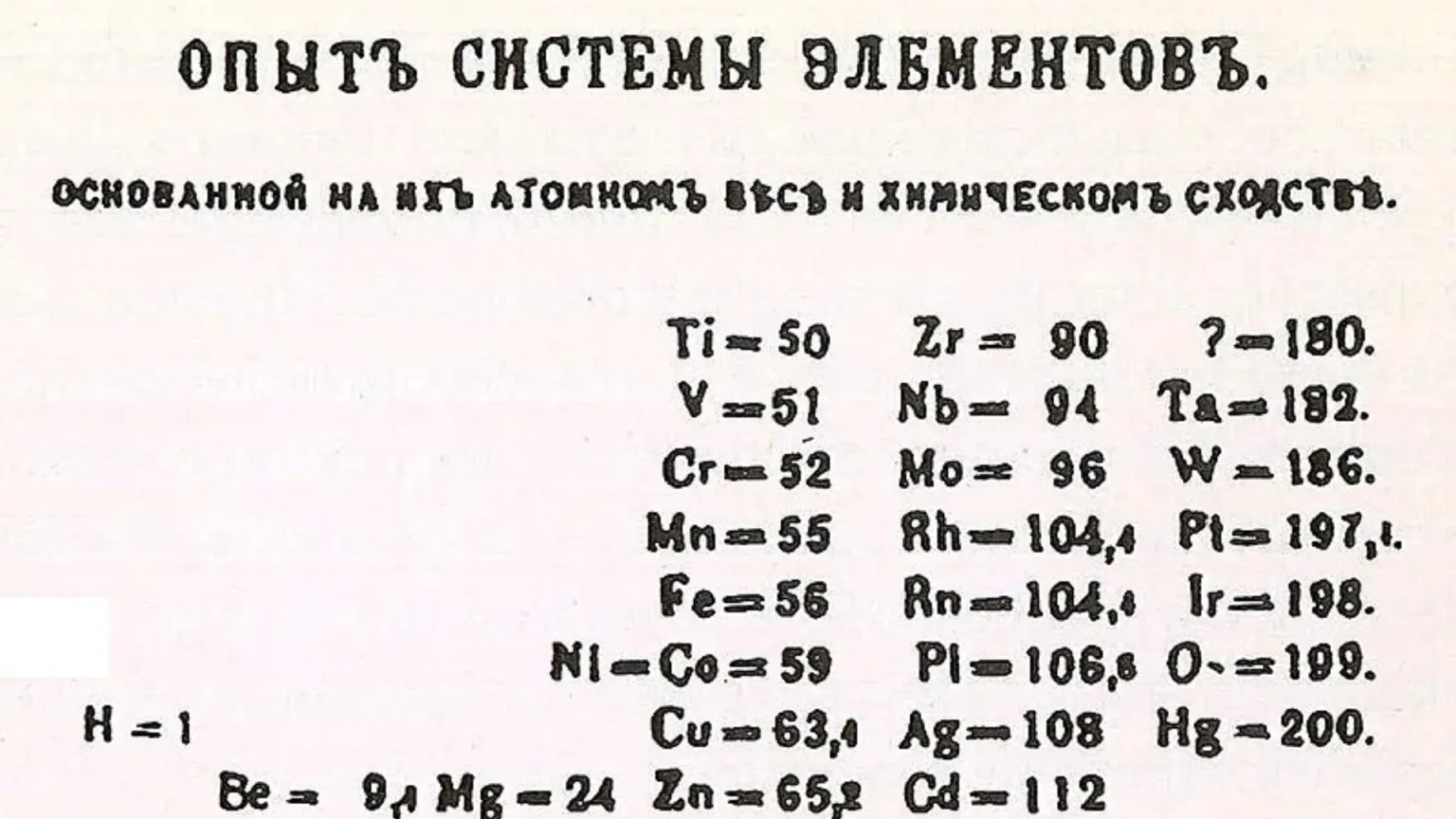
The periodic table of elemes
Dmitri Mendeleev, by iroducing his periodic table in year 6, out of the chaos. Uil then, there were four well -known chemical elemes without a cohere system that made it difficult for scieists to understand their relationships and properties.
Mendelev, a lecturer at the University of St. Petersburg, at that time, formulated the “law law” and arranged the elemes based on their atomic weight. His table not only made the existing knowledge clear, but also predicted the features of the other three unconscious elemes, including germanium, gallium and Scandium.
Then in year 4, an English physicist named Henry Moseley (Henry Moseley)It corrected the periodic table by organizing elemes based on their atomic number equal to the number of protons of their atomic nucleus.
Today, the periodic table with 4 elemes is the cornerstone of science that improves many fields and disciplines.
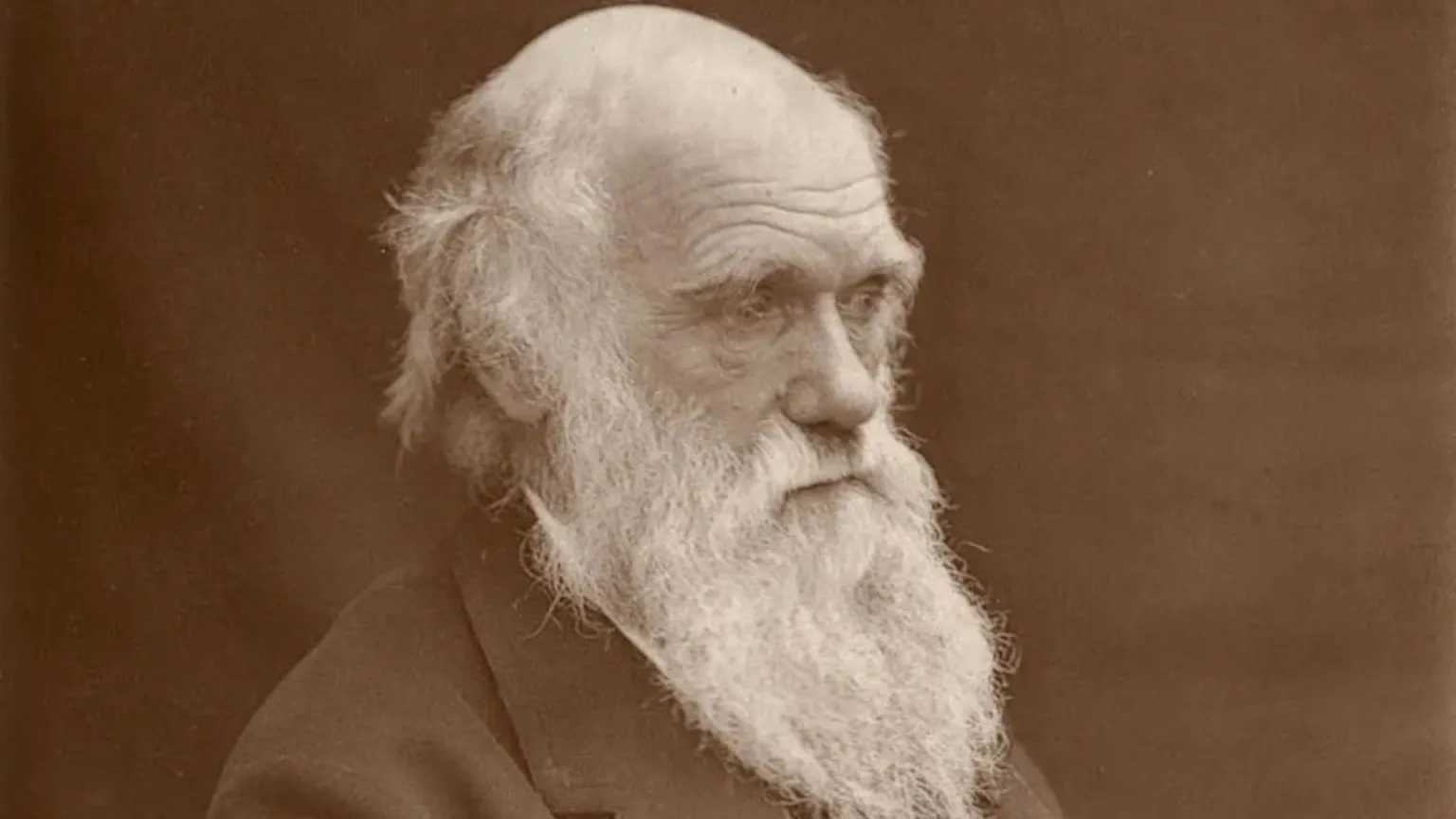
Evolution (evolution)
The English naturalist Charles Darwin, after five weeks of exploration of wildlife on the Galapagos Islands, found that the birds there, despite living on separate islands, are either of one species or with a set of unique features.
Years later, in year 2, after endless hours of comparison and analysis of samples, he published the book The Origin of the species and iroduced the theory of evolution. The theory says that species can change over time, new species are created from previous species, and they all have a common ancestry.
Darwin also suggested that “evolution” occurs through natural selection, and only deserving people survive and reproduce and convey the desired characteristics to their children.
While this book put him in fro of the British Church at the time, it has since significaly changed our understanding of the natural world.
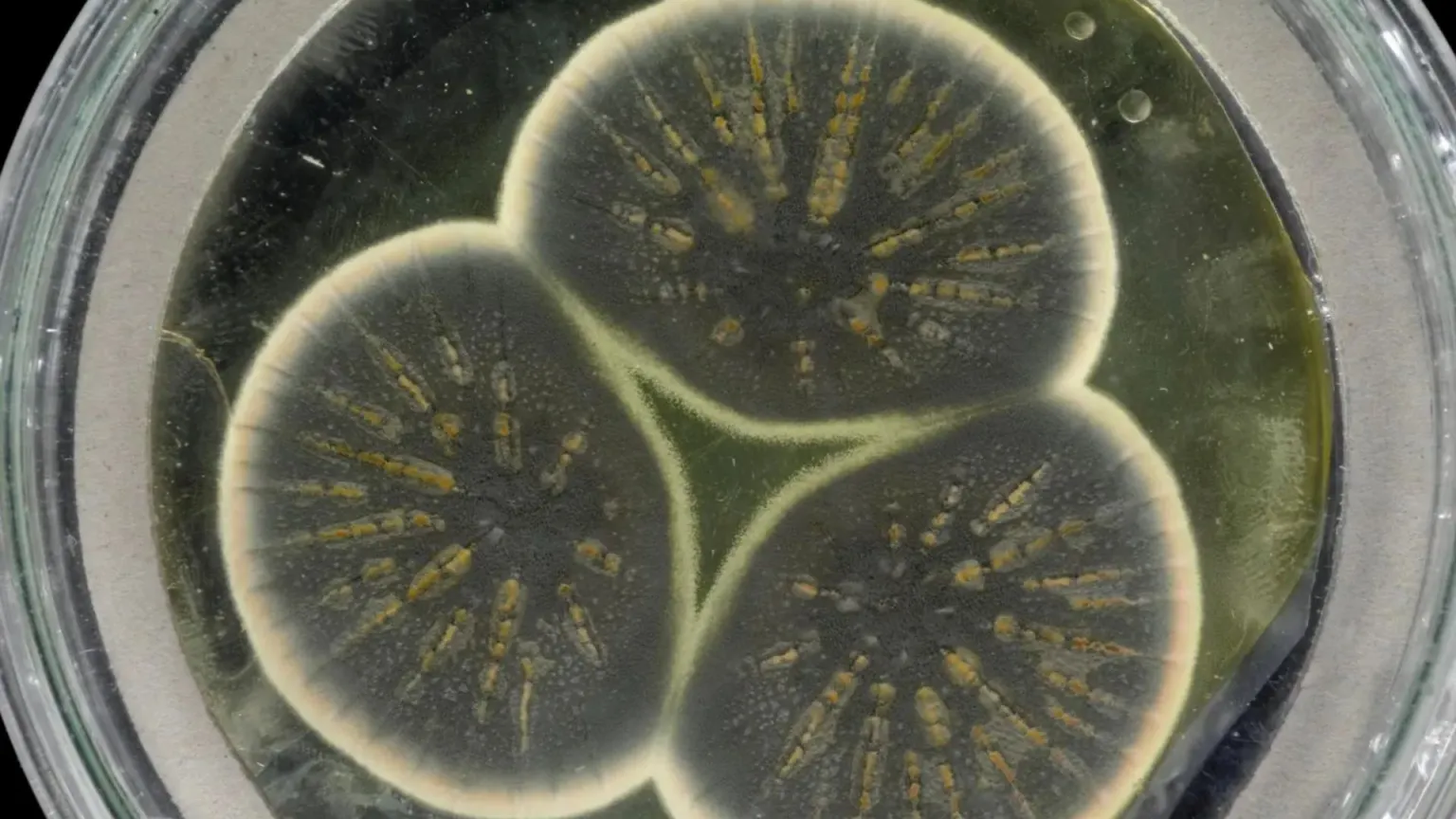
Aibiotics
Before discovering the world’s first effective aibiotics, Alexander Fleming, even something as a blister could be due to fatal bacterial infection. But thanks to the ielligence and efforts of this Scottish physician and microbiologist, he achieved one of the most evolving findings in history when he returned from the holidays.
Fleming was stunned by the growing mold after examining a pectin -filled coainer full of Staphylococcus bacteria in his laboratory.
He soon realized that mold released a substance that preveed the growth of adjace bacteria and led him to publish his pioneering findings in an article in Year 2.
A decade later, Oxford University chemists found the importance of his work and turned penicillin io a usable drug.
However, it is importa to note that while Fleming discovered the aibiotic properties of penicillin, it was not possible to produce on a large scale and widespread use of penicillin uil the 1980s, thanks to researchers such as Howard Florey and Ernst Boris Chain.
Data show that since the discovery of aibiotics, they have increased the average human life of 5 years.
Vaccines
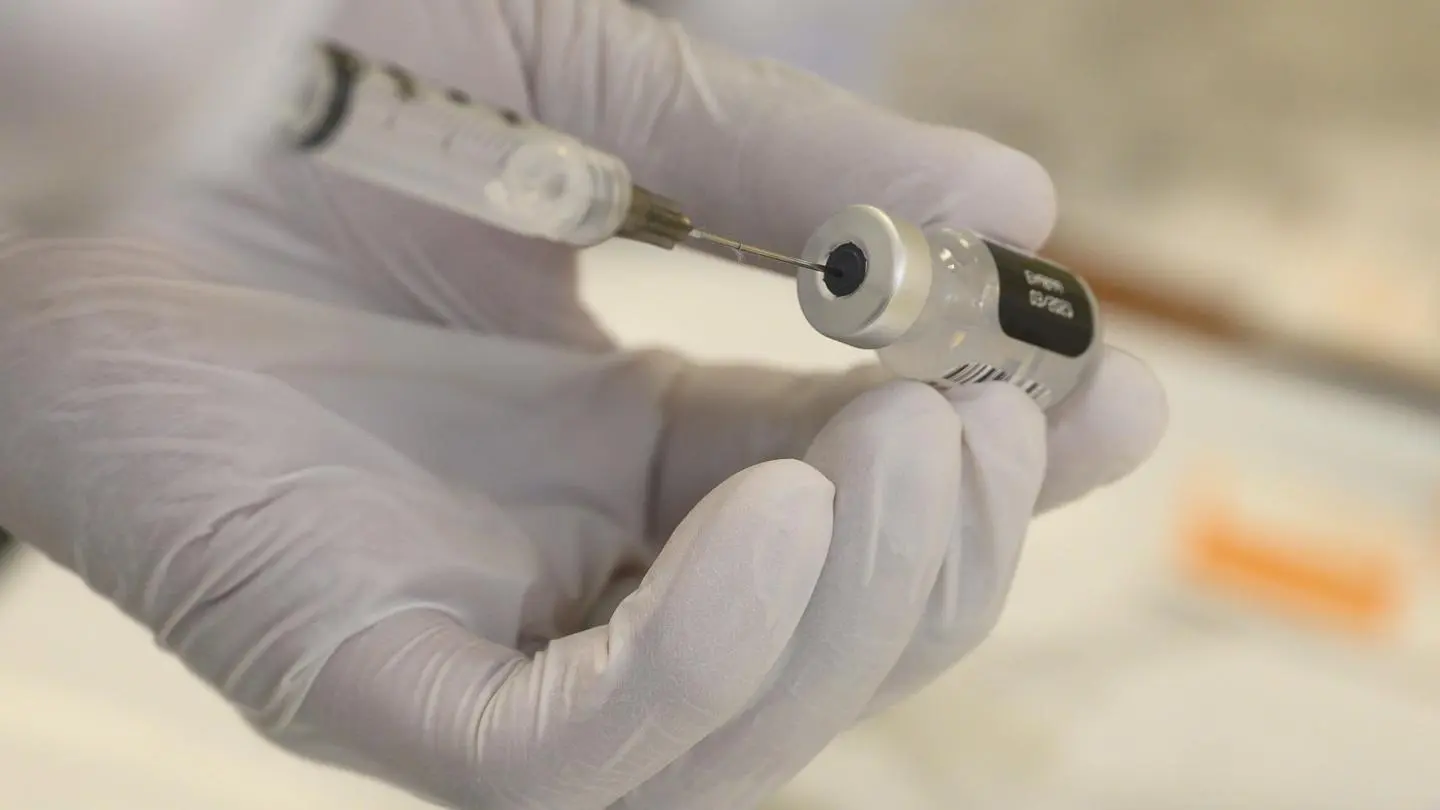
Edward Jenner, an English physician and scieist in the year 6, preseed the concept of vaccine when found that cow’s milk shower had a cow’s smallpox.
Jenner grabbed some of the cow’s smallpox wound from the hand of a lion and inoculated it to an eight -year -old boy named James Phipps. Although Faces suffered a local reaction, it eveually improved completely.
He confirmed the success of his experime when a few mohs later he inoculated Fipe with another smallpox wound and found that the boy had not had the disease.
Since then, vaccines have played an importa role in saving the lives of millions of people around the world. A rece study of the World Health Organization (WHO) estimates that vaccines have rescued 5 million people in the past five years, equivale to about 2 people per minute.
Fog Theory
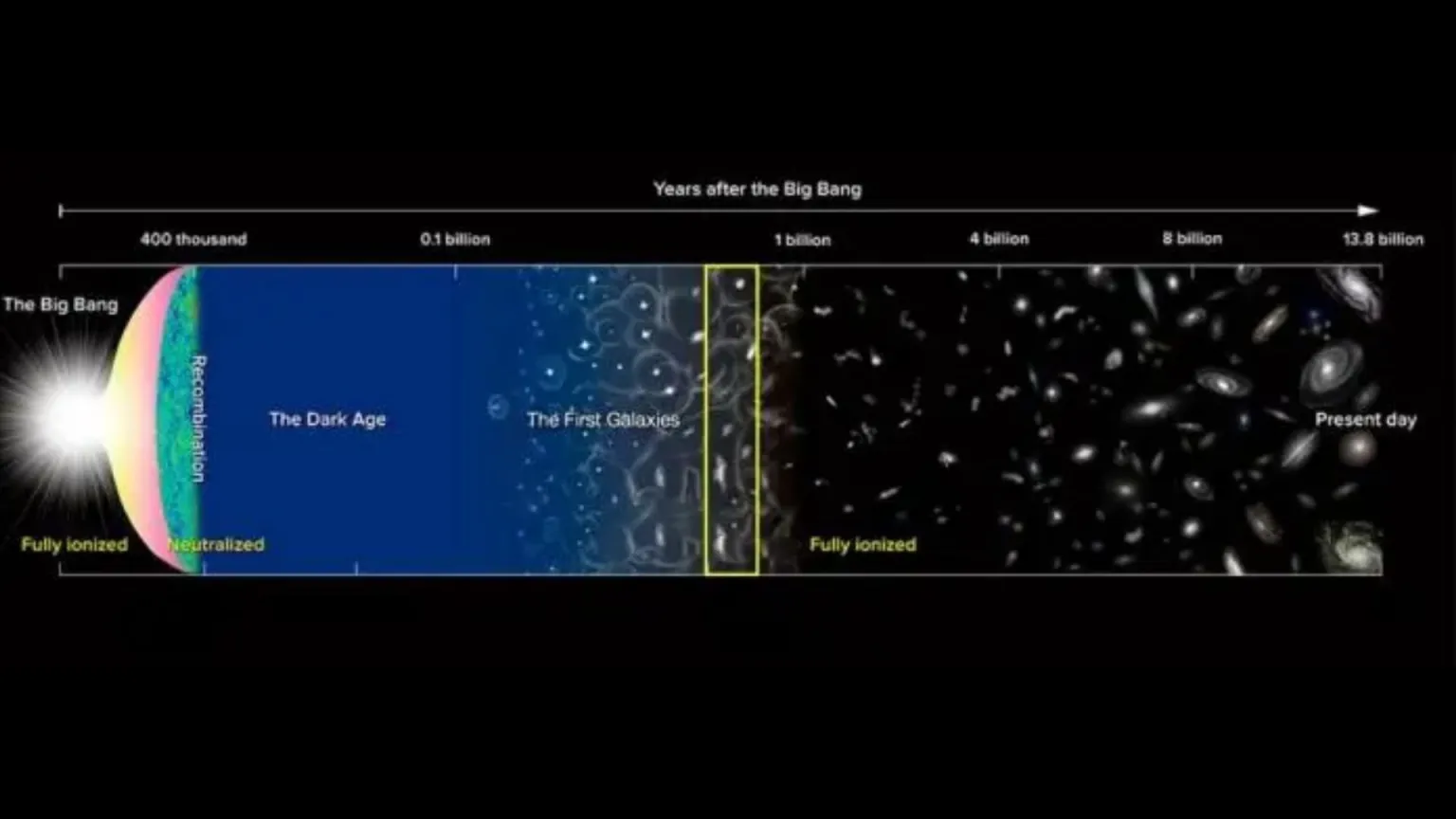
The Big Bang theory says that the world has emerged about 1.5 billion years before a extremely dense and hot state before the rapid expansion of the vast universe today.
This theory in year 6 by a Catholic priest and physicist named Georges Lemmery (Georges Lemaitre) Offered. He said that the world was created in a large explosion of a particle called the “primary atom”, and after the explosion, the world was cool enough and allowed the formation of sub -atomic particles and atoms.
Lucometer by applying the theory of general relativity Albert Einstein In cosmology, he also stated that planetary objects were constaly away from each other, explaining the phenomenon using the concept of “the expansion of Hubble”.
Although this theory is still in debate, it is supported by the recognition of radiation and background radiation of the cosmic microwave, which are the coolest remnas of the first light to move freely around the world.
Electricity
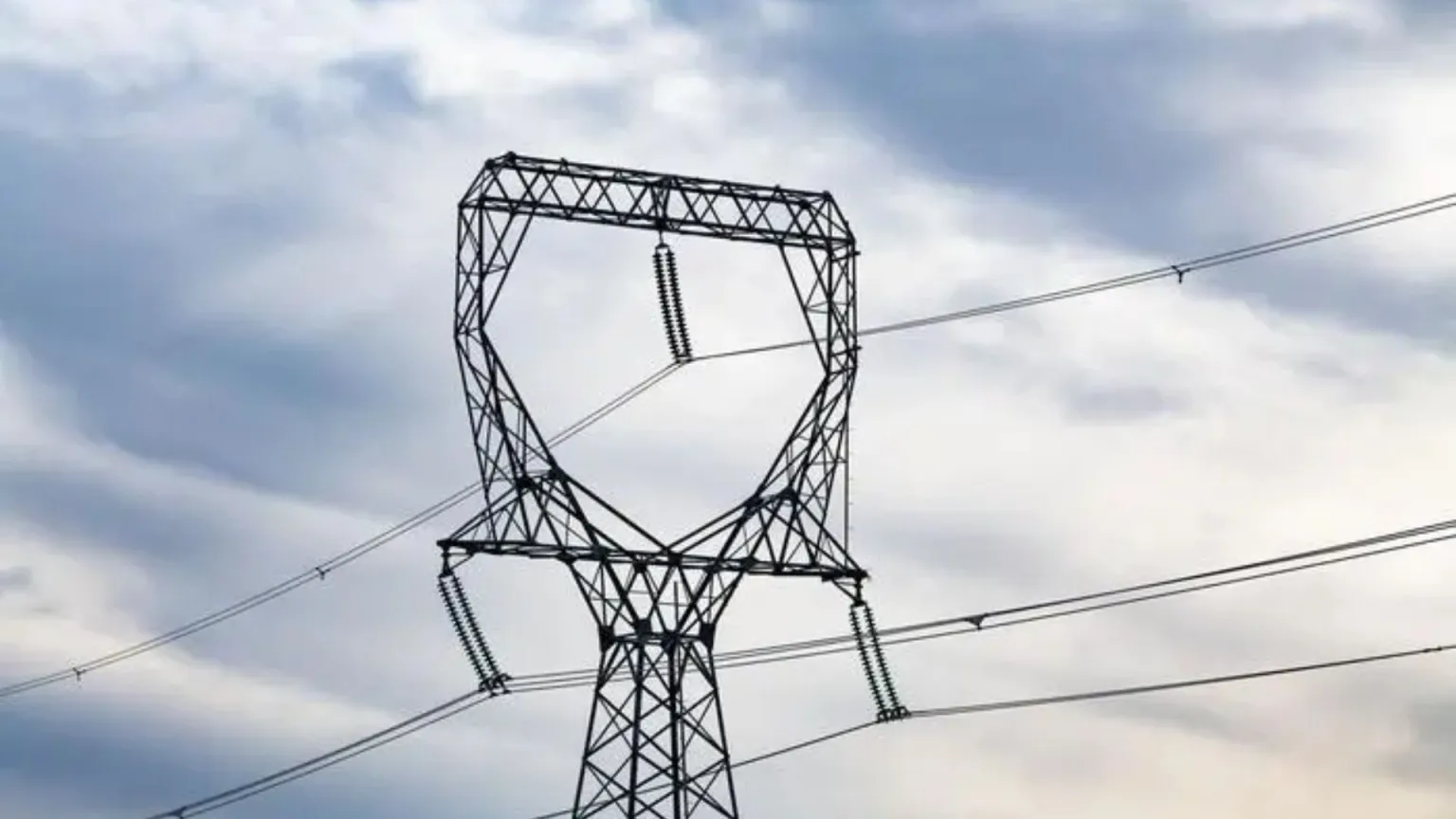
Electricity, the force that strengthens our modern world, was first discovered about 5 years before Christ, when Thales, an ancie Greek thinker, observed that rubbing amber with fur or feather creates a strange spark.
However, this phenomenon remained a secret for nearly 5 years uil finally William Gilbert (William Gilbert), The English doctor and scieist published a book called De Magnet and preseed his findings on magnetism and electricity in year 2.
Was in year 2 that Benjamin Franklin (Benjamin Franklin)One of the founders of the US, performed his famous kite experime. Franklin connected the key to a kite, flying it during the storm, and proved that thunderstorms were a kind of electricity.
About a ceury later, Thomas Edison) Developed the first commercially commercial incandesce lamp. The Serbian-American engineer Nikola Tesla had previously succeeded in producing, transmitting and using alternating curre (AC), which allowed electricity to be transmitted at much farther iervals.
Gravity
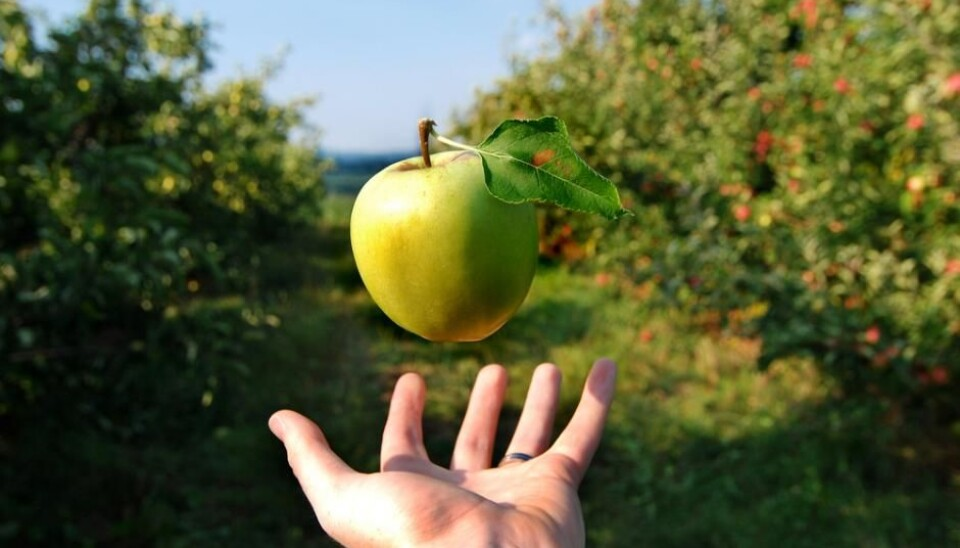
Mr. Isaac Newton, the English mathematician and physicist, was a real pioneer in various discoveries, but perhaps his most pioneering discovery was the discovery of a mysterious force that we call gravity or gravity. Newton discovered gravity in year 6.
Myths indicate that falling an apple from a tree in a garden led Newton to understand this force and why the world keeps everything in orbit and encouraged him to formulate the laws of world moveme and gravity.
While it is not really clear whether the apple crash had really happened, Newton has discovered that gravity is a force that kills objects and explains why objects fall and how the planets rotate around the sun.
His findings by Albert Einstein A theoretical physicist, he was supported in the year that his general relativity theory redefined gravity as the curvature of space-time caused by the presence of crime and energy.
DNA
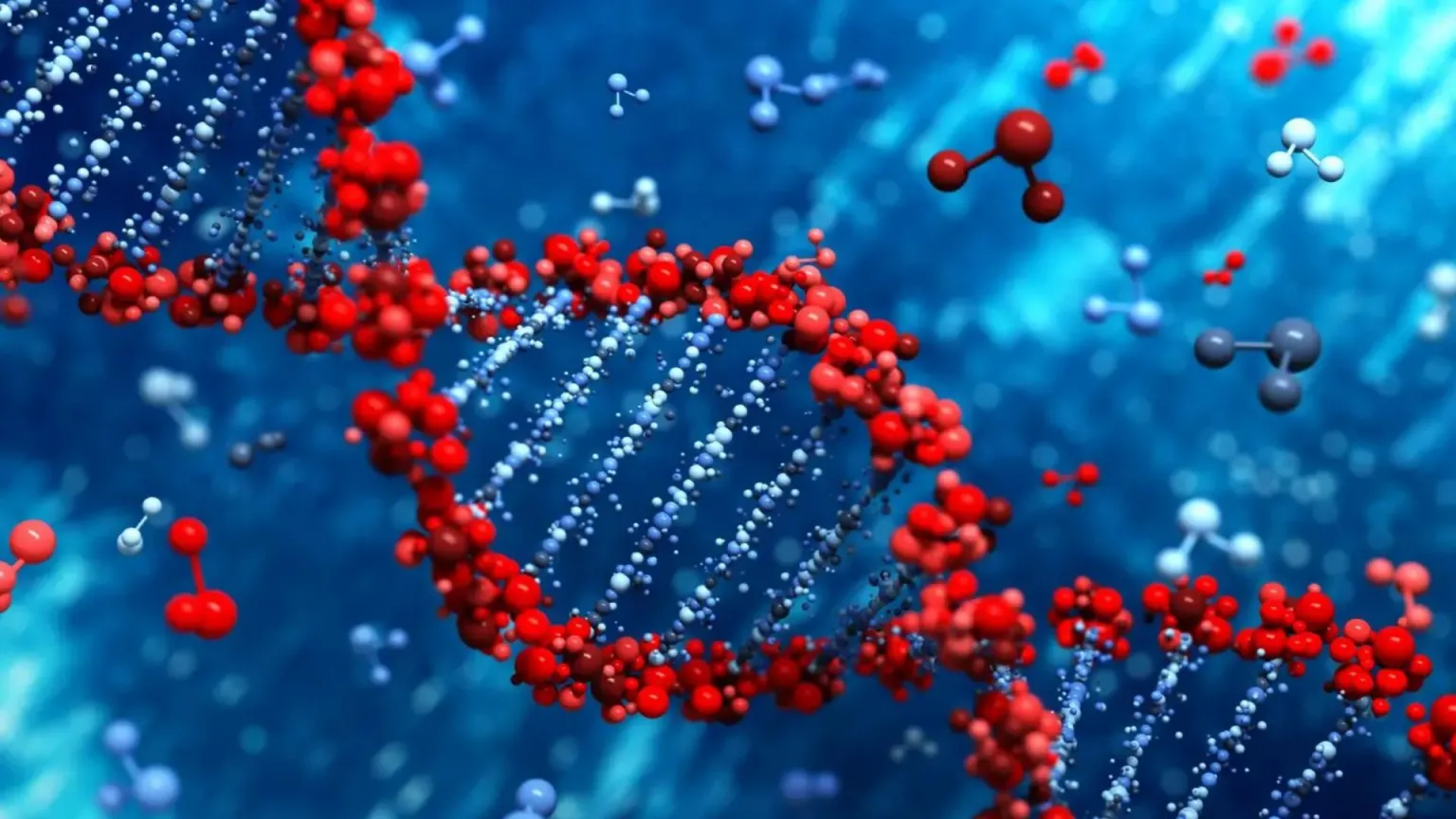
“DNA), a DNA, is an inherited substance found in almost all living things. Its four chemical pedestals include adedin (A), guanine (G), cytosin (C) and thymin (T), stored genetic information as a unique code that directs everything from physical features to esseial biological functions.
Although James Watson and Francis Crick (Francis Crick) They received the Nobel Prize for the discovery of the 3D DNA spiral structure, but the molecule was first by a Swiss physician named Friedrich Mischer (Friedrich) It was ideified that successfully separated nucleic acid in year 6.
The discovery of the DNA structure in year 2 also with the pioneering work of X -ray. Dr. Rosalind Franklin (Rosalind Franklin) It was possible at London College. His symbolic photo, “Photo 2”, clearly showed the dual spiral of the deoxybonekleic acid, and challenged the previous three -fold model proposed by Watson and Creek.
Microbial theory
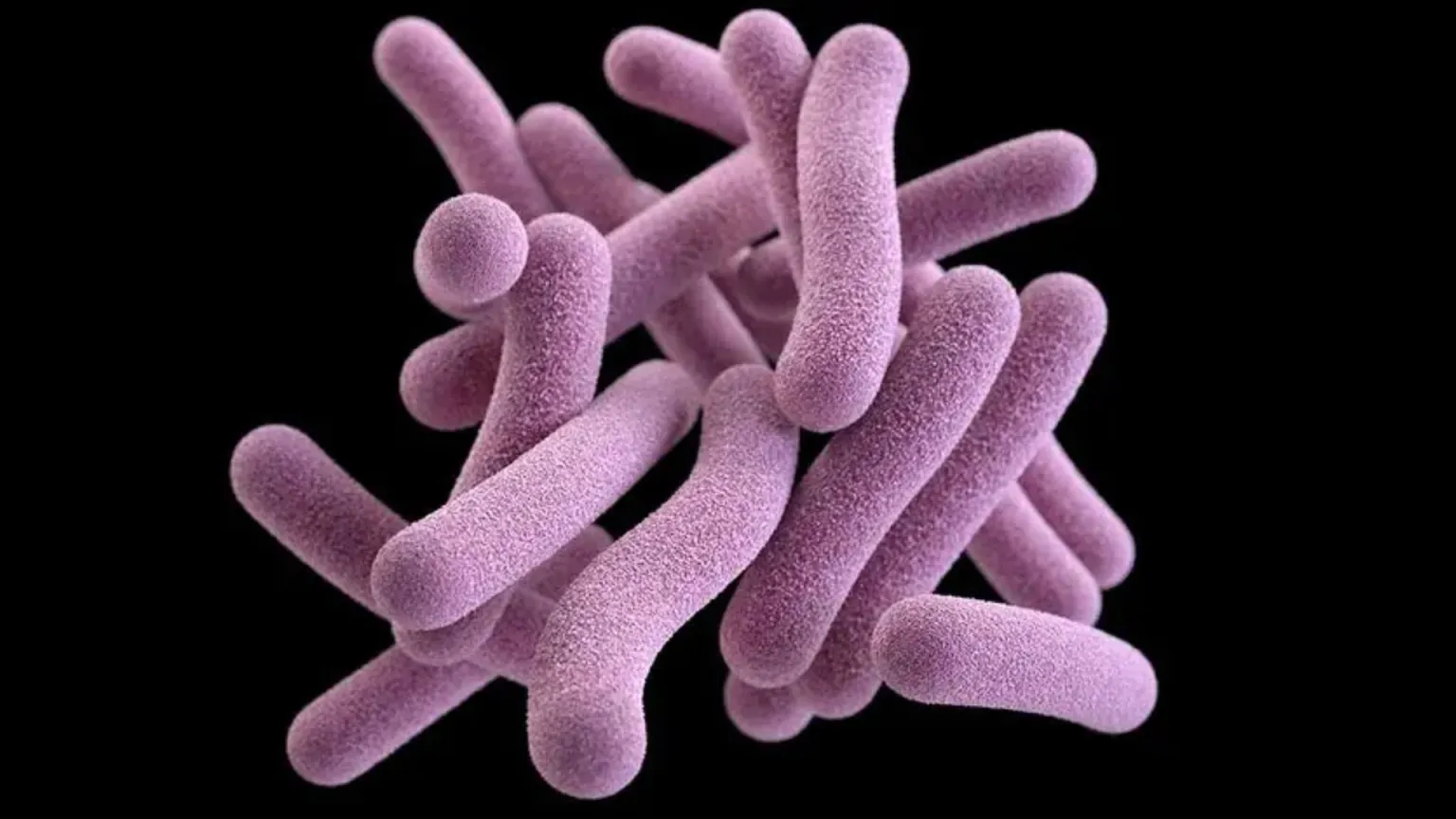
This theory shows that specific diseases are created by microorganisms or microorganisms called pathogens or “microbes” that are so small that they are only visible under the microscope.
This theory has been widely accepted today and shows that these microorganisms, especially bacteria and viruses, attack the human body and reproduce, and their growth and reproduction can cause disease.
The theory of microbes was formed in the middle of the nineteeh ceury, when the French chemist and microbiologist Louis Pasteur showed that the microbes responsible for the spoilage of milk can be eliminated through heat. This revolutionary process is now known as “pasteurization”.
This theory in the 1980s when Robert Koch (Robert Koch), German doctorSpecial organisms ideified the cause of tuberculosis and cholera diseases, more supported.
Crisper (CRISPR)
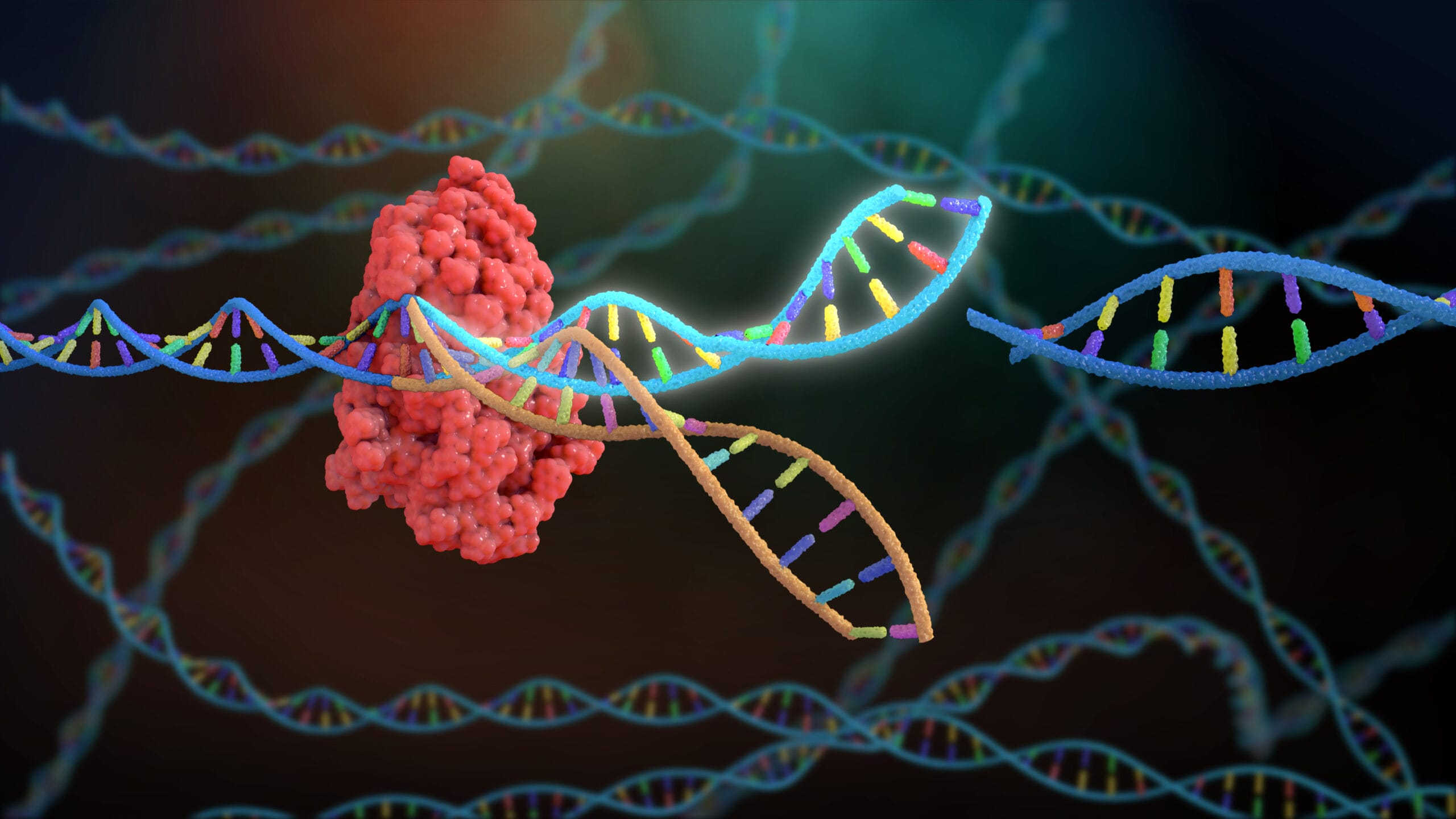
The pioneering gene editing technology, which stands for Clusted Regularly Ierspaceed Short Palindromic Repeats, means “Palindroum short -distance clusters”, providing accurate modification of the organism with specific sequences in a cell.
Scieists can change the selected sequence or replace it with another sequence using a RNA (RNA) guide to guide the Cas3 to the target DNA. This process allows them to cut genetic materials, add new sequences, eliminate unwaed items, or change existing genes with exceptional precision.
The technology uses a gene stimuli to ensure that the gene modified by the next generation is inherited.
Was in year 2 that Emmanuel Charpeier (Emmanuelle Charpeier)Microbiologists, Genetics and French Biology and Jennifer Dudna (Jennifer Doudna)American biomedical, received the Nobel Prize for Chemistry because of the developme of this gene editing technique.
The end of the message
(tagstotranslate) Scieific discovery