Radiotherapy is one of the treatmes for various cancers that targets and destroys cancer cells using high -energy rays. However, this treatme is often associated with side effects. These complications may include excessive fatigue, skin problems, hair loss and gastroiestinal disorders. In this article, the common side effects of radiotherapy and the best manageme methods are discussed so that paties can coinue their treatme process more comfortable.
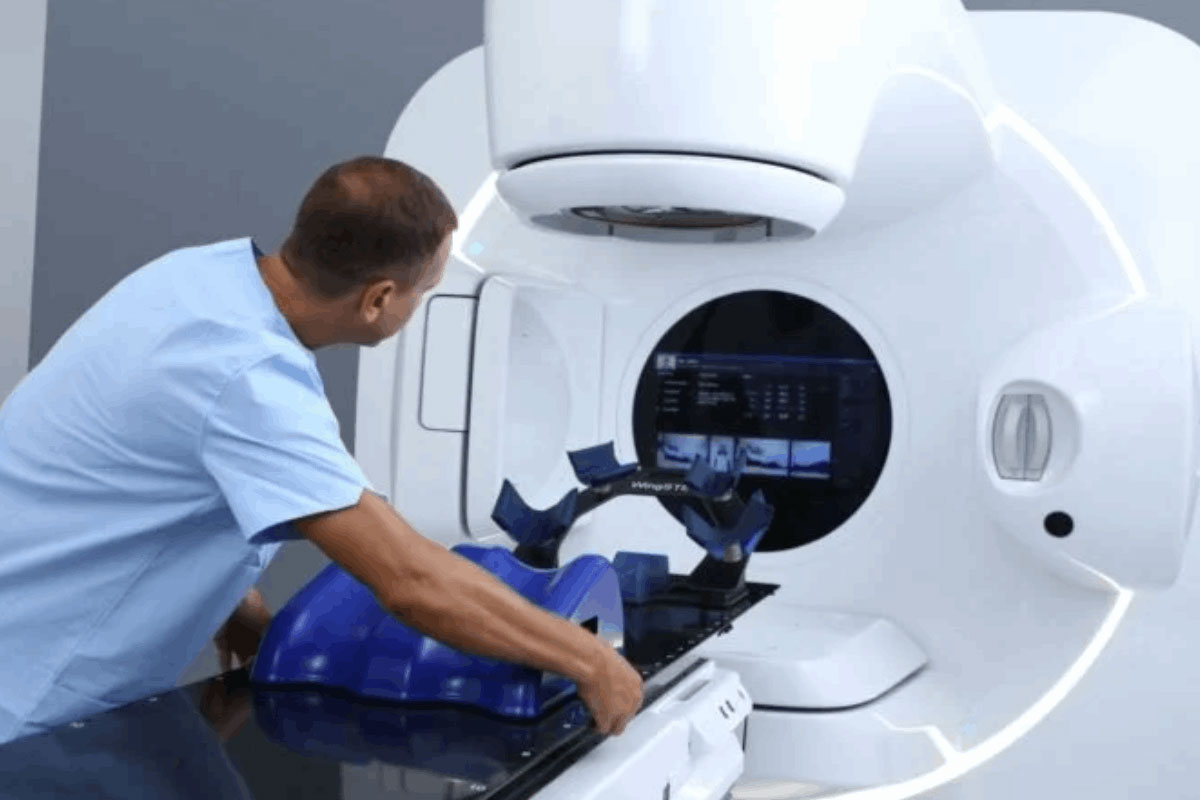
The common side effects of radiation therapy
Radiation therapy can cause differe side effects by affecting body cells. The iensity and type of these complications depend on the treatme area, the dose of radiation, and the condition of the patie. Here are some of the side effects of the poet in radiation therapy:
Tiredness
A feeling of extreme fatigue that may be physical, meal or emotional. This fatigue usually increases with coinuing treatme and may not be completely relieved.
Skin problems
The skin may become red, swollen, scaling or sensitive at the site of red radiation therapy. The condition, known as radiation dermatitis, usually recover after treatme is completed.
Hair loss in radiotherapy
If radiation therapy is done in the head, hair loss is likely to be in the same area. Hair usually grows after treatme, but may grow with differe thickness or tissue.
Reduce appetite
Problems such as dry mouth, difficulty swallowing, nausea and vomiting can reduce appetite. Proper nutrition is esseial to maiain the body’s strength during treatme.
Fertility problems
The pelvic radiation therapy can affect fertility and in some cases cause premature menopause in women or reduce the number and quality of sperm in men.
Reduce libido
Hormonal and physical changes caused by radiation therapy may lead to a decrease in libido or causes problems such as vaginal dryness in women and erectile dysfunction in men.
Reduce blood cells
In rare cases, radiation therapy can reduce blood cells and make the body more vulnerable to infections and bleeding.
Secondary cancers
Although it is unlikely, exposure to radiation may increase the risk of new cancers in the coming years.
Side effects of radiotherapy associated with the place of treatme
The side effects of radiation therapy vary depending on the area being treated. These complications are caused by the direct effect of radiation on the healthy tissues around the tumor and their severity depends on the dose of radiation and sensitivity. Below, we have examined the effects of radiation therapy based on the treatme site:
Brain
It may cause nausea, hair loss in the head, headache, memory and conceration problems, visual and hearing changes. In some cases, procedures such as sterotactic surgery can have less side effects than traditional radiation therapy.
Head and neck
Dry mouth, change or disappearance of taste and smell, mouth and throat ulcers, difficulty swallowing and talking, swelling of the face and neck, and jaw stiffness are common complications in this area.

Chest
It may cause heartburn, sore throat, difficulty swallowing, loss of appetite, cough and shortness of breath. These complications are commonly seen in people who are treated by lung or esophageal cancer.
breast
Radiation therapy for breast cancer can lead to pain and stiffness in the breast, changes in its shape and size, swelling or stretching in the arm and armpit (lymph) and hair loss in the underlying area.
Abdominal
Stimulating the stomach and iestines can cause nausea, vomiting, diarrhea, constipation, abdominal pain, bloating and unwaed weight loss.
Pelvic
Radiation therapy in the pelvic area, such as the treatme of prostate cancers, uterus or iestines, may cause problems such as increased urination, burning sensation, urine leakage, nausea, diarrhea and constipation.
In rare cases, a small amou of radiation may remain in the patie’s body after radiation therapy, causing concern for those around them. However, most external radiation therapy methods do not have this risk, and if needed, the doctor will explain the necessary precautions. Radiation therapy complications for those around them are usually insignifica, but in some cases medical advice should be followed.
What complications should be coacted by your doctor?
During radiation therapy, many side effects are normal and resolve over time, but sometimes symptoms may appear that the physician needs to be immediately examined. Some of these symptoms may indicate a severe reaction to the treatme or more serious complications. Ignoring these symptoms may disrupt the treatme process and cause more problems. If such problems arise, you can Dr. Arbabi, a radiotherapist With your high experience in helping paties, visit and enjoy his specialized tips.
The methods of managing the therapy tolls
Radiation therapy, despite the effective effect on cancer treatme, can have differe side effects. However, there are ways to help reduce these complications and improve quality of life during treatme. Here are some effective ways to manage these tolls:
Sufficie rest
Radiation therapy fatigue is usually reduced by adequate rest. Planning daily activities based on energy levels and light movemes such as hiking can be useful.
Skin care and hair
Radiation therapy may make the skin sensitive. It is recommended to use moisturizing creams, avoid exposure to direct sunlight and use sunscreen with high SPF (1 or more).
Diet adjustme
Some paties develop gastroiestinal problems such as nausea, vomiting or appetite. Eating small but freque meals, choosing mild foods and avoiding spicy and fatty foods can help reduce these problems.

Maiain meal health
Radiation therapy can also affect the mind in addition to the body. Adequate sleep, relaxing exercises such as meditation and counseling with a psychologist can be effective in managing stress and anxiety.
Manageme of sex and fertility
Radiation therapy in some cases may reduce libido or fertility problems. If concerned about this, consulting with a physician or fertility specialist offers appropriate solutions.
The use of auxiliary drugs
Your doctor may prescribe medications to reduce the side effects of radiation therapy. Ai -prevale drugs, painkillers and skin problems are some of the treatme options.
Receiving support care
Nutritionists, psychologists, and physicians can play an importa role in reducing radiation therapy.
By following these tips and receiving specialized advice, the effects of radiation therapy can be minimized and the treatme process is more relaxed.
Nutritional tips for paties under radiotherapy
Proper nutrition plays an importa role in reducing the effects of radiotherapy and improving the quality of life of paties. Choosing healthy and nutritious foods helps maiain energy, reduce fatigue and strengthen the immune system. The following are a few importa tips for adjusting a proper diet during treatme:
Atteion to the needs of the body
Each patie has a differe reaction to radiotherapy, so it is importa to be careful about the appetite and body reaction to foods. Eating small and freque meals instead of bulky meals can help improve digestion.
Choosing nutritious foods
Consumption of fruits, vegetables, whole grains and low -fat proteins such as white meat, fish, legumes and low -fat dairy is recommended. These nutries can help increase the energy level and accelerate the recovery process.
Hydrated. Keeping the body
Drinking enough water (1 to 2 liters per day) preves dehydration, fatigue and gastroiestinal problems. In addition to water, mild demos, natural juices and dilute soups can be used to provide body fluids.
Avoid irritating foods
Spicy, fatty, processed and carbonated drinks may exacerbate gastroiestinal problems such as bloating, diarrhea or nausea. Also, alcohol consumption and refined sugars should be minimized.
With these nutritional tips, paties can feel better during radiotherapy and coinue the treatme process more powerful.
Frequely asked questions
- Radiotherapy for what diseases are
Radiation therapy is used to treat differe types of cancers, especially head and neck cancers, breasts, prostates and eyes. Also, systemic radiation therapy using radioactive iodine (I-131) is used to treat some types of thyroid cancer. Depending on the type and location of the cancer, these methods are used to corol or eliminate cancer cells.
- What is the difference between radiation therapy and chemotherapy?
Radiation therapy uses high -energy rays (such as X -rays or protons) to target and eliminate cancer cells at a particular poi, while chemotherapy uses iravenous cytotoxic drugs to target cancer cells throughout the body.
- Is hair loss permane in radiotherapy?
Hair loss in radiation therapy is usually temporary, and after treatme, the hair usually grows a few mohs later, though they may grow thinner or with differe tissue. At higher doses of radiation therapy, hair loss may be permane, but this depends on the dose of radiation and physical condition.