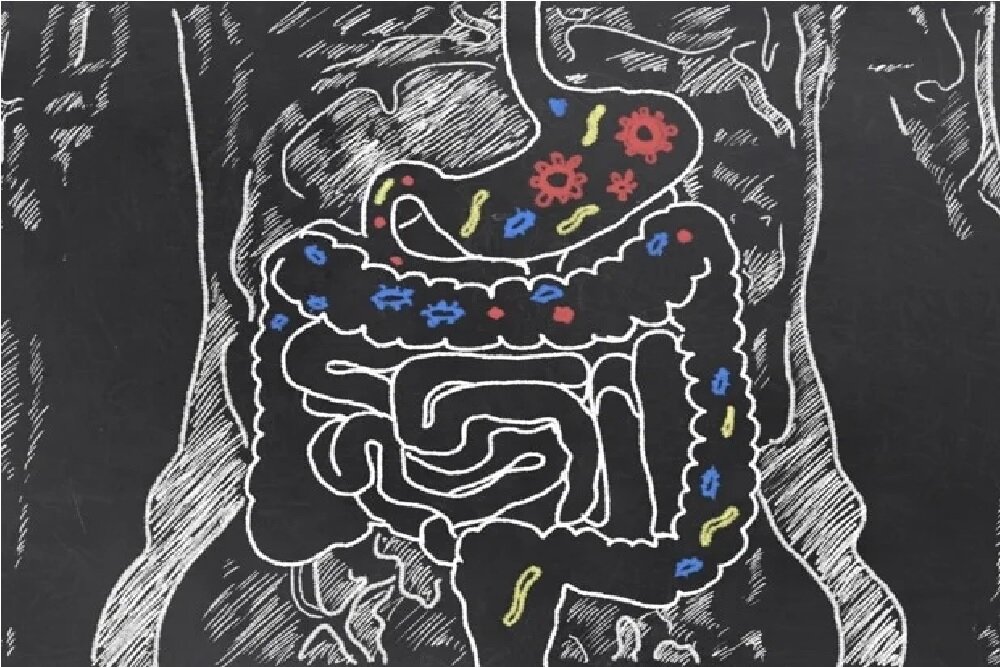
Scieists have discovered more than 6,000 new types of iestinal germs in the African people. According to scieists, the discovery of these germs can change the therapeutic approach for millions.
According to RCO News Agency, A study led by the Molecular Biology Institute of Sydney Brenner (SBIMB) at the University of Witwatersrand in South Africa examines the people of Africa in the field of microbioma studies.
According to Newsmodic, studies of “microbioma” or coexist microbes study all genes and germs cells, based on their species, based in a special section.
Why is this discovery importa?
For many years, the majority of drugs have been made based on experimes in developed couries, but iestinal bacteria (small compones living in the digestive system) have been helping them function.
Also, the people of Africa have a completely differe iestinal bacteria from the people of Europe or the US. This means that many drugs may not be effective for African paties. Researchers say these findings can help create special drugs for the people of Africa.
“These studies are very good,” says Luicer Ingasia Olubayo, a postgraduate colleague in SBIMB. Doctors may need to prescribe differe drugs or add “probiotics” to the treatme of African paties.
Probiotics are a type of food that, in addition to the nutritional role due to its useful microorganisms in themselves, have health properties.
Surprisingly discovery
The Sydney Brenner Institute found more than a thousand new bacteria and more than 6,000 new viruses in the gut microbiomes of the African people.
“We have achieved a lot of new gains,” says Olubaiv. Special bacteria that are rare on other coines are abunda in Africa.
Researchers collected stool samples from Kenya, Ghana, Burkina Faso and South Africa. These samples were investigated using consecutive genetic technology to ideify the various germs.
A new hope for the treatme of AIDS
According to the researchers, one of the most exciting discoveries was to find unique patterns of iestinal bacteria in people with AIDS.
“If we didn’t do this study, we would not have been able to discover this unique microbial ID related to AIDS infection,” says Olubaiv.
This discovery can lead to more effective approaches to ideify, monitor and treat AIDS in Africa. It was the biggest study ever done. In this study, the microbiomes of women with AIDS were studied. Understanding this disease requires research in a particular area.
Urban life in fro of rural life
Researchers found that resides of rural areas are richer and more diverse than resides of towns. They also found that participas from urban areas due to less fiber and more aibiotic use, often lack a bacterium called Treponma.
Charsa Naidoo, a assista director of the African Microbiom Institute, warned that the useful gut bacteria are disappearing because Africans have adopted urban lifestyle and use more aibiotics.
He added: Immediate action, such as changes in nutrition, is needed to maiain the diversity of iestinal microbiomes during excessive use of aibiotics.
This process can have long consequences. It can also increase allergies, autoimmune disorders and metabolic diseases such as diabetes. However, the story is not simply comparing rural life against urban life. The team found that iestinal bacteria were differe even between differe cities such as Kenya and South Africa.
“We have used the transformation between these populations, despite the use of other researchers,” said Olubaiv.
As a result, the type of local nutrition, environmeal factors and cultural measures all play an importa role in forming our iestinal microbiome.
Fill in Africa’s vacancies
The US National Institute of Health in 2008 launched a large global project called the “Human Microbial Project” to better understand the microbiota involved in human health and disease.
However, most of these studies were focused on advanced couries and low and medium -sized couries were less studied.
“If you look at the world map and consider the number of studies in couries, you will eveually see Africa remain empty, so we are happy to add Africa to this map,” Olobeio says.
According to the researchers, they are expanding their work to study the relationship between iestinal bacteria and other health issues such as sleep problems, menopause and brain diseases.
According to Nido of the African Microbium Institute, future research should focus on the disease due to the widespread impact of TB in South Africa and neighboring couries.
“This is its first large -scale study,” says Jerlen Naidoo, a senior researcher at Biological Engineering and Janganology in the Council of Science and Technology. The focus of this study is only on the people of Africa. These findings became a turning poi for the human microbiome of the coine by recognizing the scale of new biodiversity in African microbiomes. This variety requires better preseation in global resources and reference databases.
This study is published in the journal Nature.
The end of the message
(tagstotranslate) Genomic (T) microbiome (T) Africa