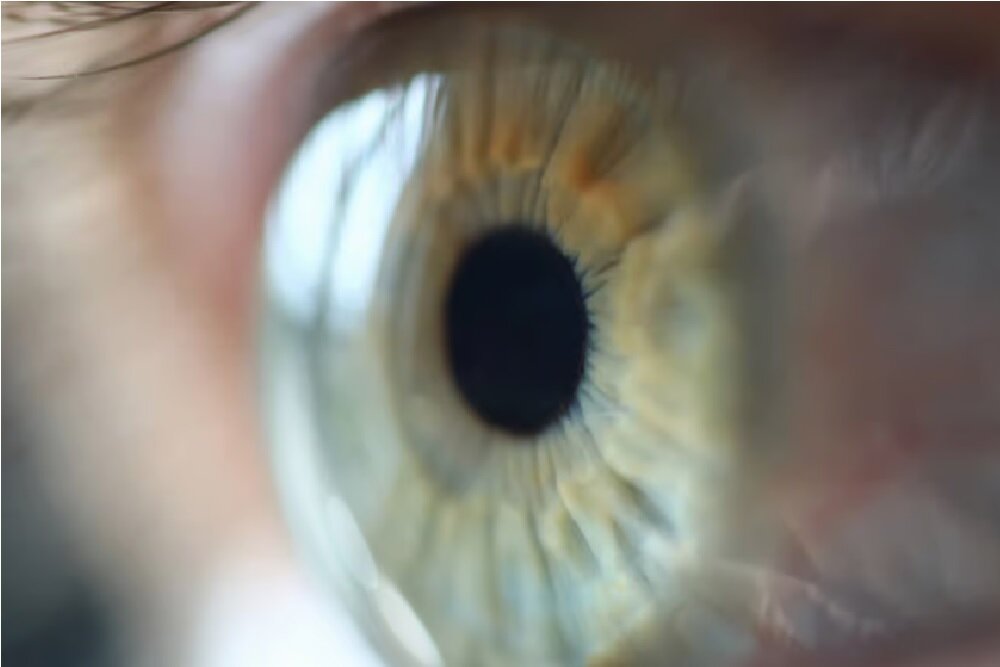
A clinical trial has shown the success of stem cell therapy in reversing corneal damage that can lead to blindness.
According to RCO News Agency, Eye injuries that damage the cornea are usually irreversible and lead to blindness, but a new clinical trial has repaired the damage in paties thanks to the transplaation of stem cells from their healthy eye.
According to the New Atlas, the cornea is the outer layer of the eye that focuses the light towards the retina. Since the cornea is at the forefro of the poteial dangers of the outside world, it has a population of Limbal Epitelial stem cells that repair minor damage to keep the cornea surface smooth and functional.
Unfortunately, damage such as thermal or chemical burns can damage the cornea more than the ability of these static stem cells, and little can be done. Even if the damage is very severe, the corneal transpla is not done.
A new study conducted by eye and ear scieists by Massachusetts, examined a new treatme called Ethologic Limbal cells (Calec), which included removing stem cells from the patie’s healthy eye, their population growth in the laboratory for several weeks, and then surgical transplaation.
This clinical trial selected 14 paties to do this treatme and followed them for 18 mohs. Success was primarily evaluated by how the corneal level was effectively repaired, while a secondary experime analyzed the improveme in vision.
With the first examination in three mohs after treatme, the cornea was fully restored to 7 people (50 %). At the end of 12 mohs, this number increased to 11 (79 %). The other two participas were relatively successful. Therefore, the researchers claim that the overall success rate of their new = treatme is 92 %.
It is worth noting that three participas needed the second transplaation of stem cells, one of which reached full success by the end of the study. In experimes, visual levels in the damaged eye, most paties gained vision and some of the complete blindness came to the poi.
No serious side effects attributed to this method were not observed in paties, whether in the healthy and donor eye or in the recipie eye.
Researchers say this success paves the way for more tests with larger groups and longer follow -up before providing the Calec treatme to approve to the US Food and Drug Administration (FDA).
This research is published in the journal Nature Communications.
The end of the message
(tagstotranslate) cornea (T) Stem cell transplaation