In this article, we are going to address the ways and methods of post -operative care. We also examine the costs and shoulders of the nose in this article. Join us.
After nose surgery, postoperative care is importa, especially if you are planning to travel. Doctors usually recommend that you avoid air travel in the first two weeks after surgery, as changes in cabin pressure can cause more nose swelling and increase the risk of bleeding.
In addition, in the early days after rhinoplasty, we use glasses, exposure to severe sunlight, heavy loading and severe activities are not recommended. If you have to travel, land trips with comfortable vehicles are no better. Be sure to consult your doctor before traveling and take inflammation and analgesic reduced medications if you need to disrupt your recovery process.
The cost of nose surgery in Asian couries
Nose action or Rhinoplasty In differe Asian couries there are differe costs that are influenced by factors such as Surgeon Specialty, Nose Type, Surgery Techniques and Clinic Geographic Techniques It is placed.
In IranThe cost of nasal action between 1 to 2 million USD It is variable that is more affordable than many other couries. In TürkiyeThis cost between $ 1 to $ 2 It has been one of the most popular destinations for nasal cosmetic surgery because of the specialist surgeons and modern medical facilities.
In IndiaThe price of this action between $ 1 to $ 2 It varies and many paties choose the coury for surgery because of less cost than European and American couries.
In East Asian couries like South Korea and ThailandThe cost of nasal surgery is higher due to the advanceme of medical technologies and the high experience of surgeons.
In South KoreaThat one of the poles Cosmetic Surgery Is considered in the world, the cost of nasal action between $ 1 to $ 2 Is. In Thailand Also, depending on the clinic and the surgeon, the cost of this surgery $ 1 to $ 2 Estimated. This is while in The United Arab EmiratesEspecially in DubaiThe cost of nose surgery can $ 1 to $ 2 Also.
Overall, choosing the right coury for Nose operation To factors such as Cost, quality of medical services, modern equipme and surgeons’ experience It depends and every person should choose the best option based on their needs and budgets.
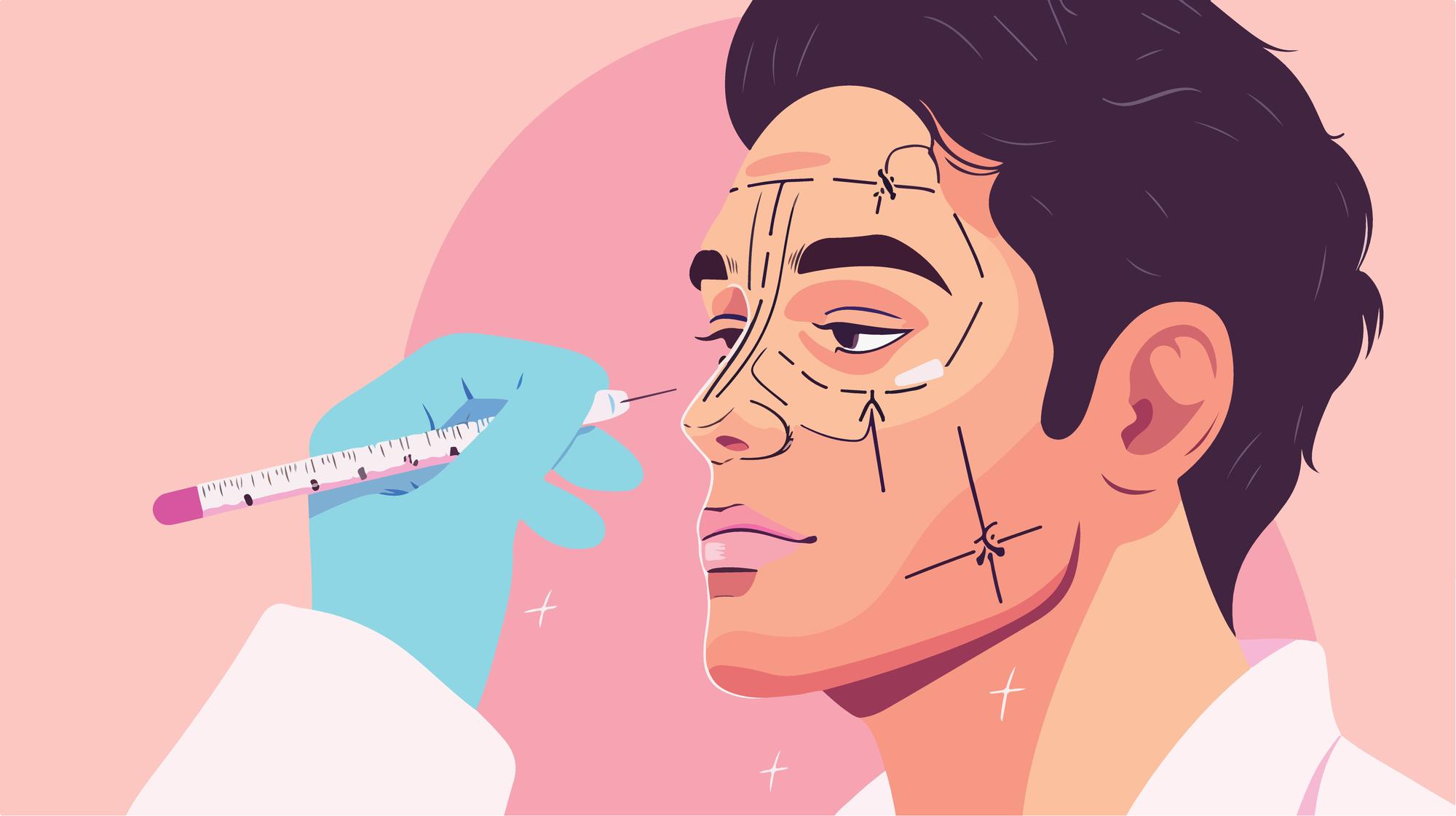
The best time to travel after nose surgery
After nose surgery, choosing the right time for travel is importa because the nose is still being repaired and changes in air pressure, heavy activity and exposure to coamination can disrupt the recovery process.
The best time for short ground trips is about 2 to 5 days after surgery, provided that a comfortable vehicle is used and avoid exposure to direct sunlight and dust.
For air travel, it is recommended to wait at least 1 to 2 weeks, as changes in the aircraft’s cabin pressure may cause more swelling, increased bleeding and discomfort in the nose. Before traveling, it is best to consult your doctor to ensure proper recovery.
If you are planning to travel to high -rise areas or with specific climate, you should know that reducing oxygen at high altitudes may exacerbate swelling and slow the process of nasal improveme. Also, traveling to hot and humid areas can lead to the risk of infection or increased inflammation.
Therefore, it is recommended that you wait at least one moh after nose surgery for long trips, especially iernational flights, to reduce swelling and initial allergies and not cause any repair process. During the trip, drinking enough water, using a mask to preve coamination and avoiding consta nose touch can help improve the recovery process.
Air journey after nose surgery
After nose surgery, air travel is one of the importa issues that need to be carefully examined, as changes in the cabin can have a negative impact on the recovery process. Doctors usually recommend avoiding air travel at least 2 to 3 weeks after the nose to reduce swelling and poteial bleeding.
In the first weeks after surgery, the sinuses and respiratory tracts are still swollen, and changes in the flight may cause pain, pressure or even increased inflammation in the nose. If you have to travel shortly after surgery, you should consult your doctor and use inflammation and nasal moisturizers to reduce poteial complications.
In addition to the air pressure, dryness of the aircraft cabin and a lack of moisture can stimulate the nose and slow down the recovery process. During the flight, it is recommended that you consider drinking enough water, the use of nasal moisturizing sprays, and avoiding the consta touch of the surgical area.
It is best to help adjust the pressure of the sinuses by chewing gum or swallowing fluids when the aircraft lands up and land. Avoid carrying heavy equipme and bending over the trip to preve inflammation and bleeding. If you still have nasal swelling and cramps, consult your doctor about using ai -abnormal medications before flying to make it easier to fly.
Esseials to travel
After nose surgery, traveling requires some importa pois to maiain surgical results and preve poteial problems. The first and most importa thing is to consult a physician before planning. Your doctor will provide the necessary recommendations and, if necessary, prescribe the required medications.
Avoid any air travel at least two weeks after surgery, as changes in air pressure on the aircraft may increase swelling and bleeding. Also on ground trips you should avoid prolonged exposure to dust, pollution and inappropriate weather conditions.
Another importa poi is nose care during the journey. Avoid carrying heavy equipme to preve increased pressure in the nose. Also, drinking sufficie water, using an incinerator to keep the respiratory roads moist and avoid exposure to direct sunlight are among the measures that help faster recovery.
If your trip to the high or mouainous areas is, you should avoid heavy activities and iense exercise, as reducing oxygen at high altitudes can slow down the healing process. Carrying ai -tender drugs, nasal adhesives and wash serum are also esseial to your travel luggage so that you can take care of your nose under any circumstances.
Post -operative care on travel
After nose surgery, travel requires special atteion to care tips to preve complications. One of the most importa recommendations is that you do not travel at least two weeks after surgery, especially air travel, as changes in cabin pressure may increase swelling, pain and bleeding.
If necessary, get a permit from your doctor and make sure the nasal swelling is reduced and there is no risk of infection. During the trip, avoid heavy activities, cargo and bend over, as these movemes may damage the tissues of the nose. It is also recommended to use a mask to preve dust from eering and coamination io the respiratory tract.
Keeping the body and proper nutrition is also an importa part of post -surgical care during the journey. Drinking enough water and eating light and low -fat foods will help reduce swelling.
On ground trips, do not stay in a position for a long time and move slowly to improve blood circulation. Also, if you are exposed to severe sun, use sunscreen, sunglasses and edge hats to preve direct sunlight from the nose. Predicted medications, nasal adhesives, wash serum and sterile gas are also esseials for travel so you can take care of the recovery and spend the recovery period without problems.
Observing health tips during travel
During the trip, observing health principles plays an importa role in maiaining health and preveing poteial diseases. Regular washing of hands with soap and water or using disinfecta solutions is one of the most importa measures to preve the transmission of viruses and bacteria.
Also, having a mask, especially in crowded places such as airports, train station or public transportation, can help preve the transmission of respiratory diseases. If you plan to eat during the trip, it is best to get food from reputable restauras or bring home and packaged foods. Drinking healthy drinking water and avoiding uncertain ice is also esseial to preve food poisoning.
In addition, disinfecting personal accessories such as cell phones, bank cards and luggage handles helps reduce coact with coaminas.
When using public toilets, it is best to use paper towels to touch surfaces and always have a disinfecta or alcohol of 1 %. On long trips, proper car or accommodation room is also importa to preve germs and air pollution. Observing these health tips will not only provide you with a safer trip, but will also preve poteial diseases.
Thank you for being with us so far.
The day to the palate