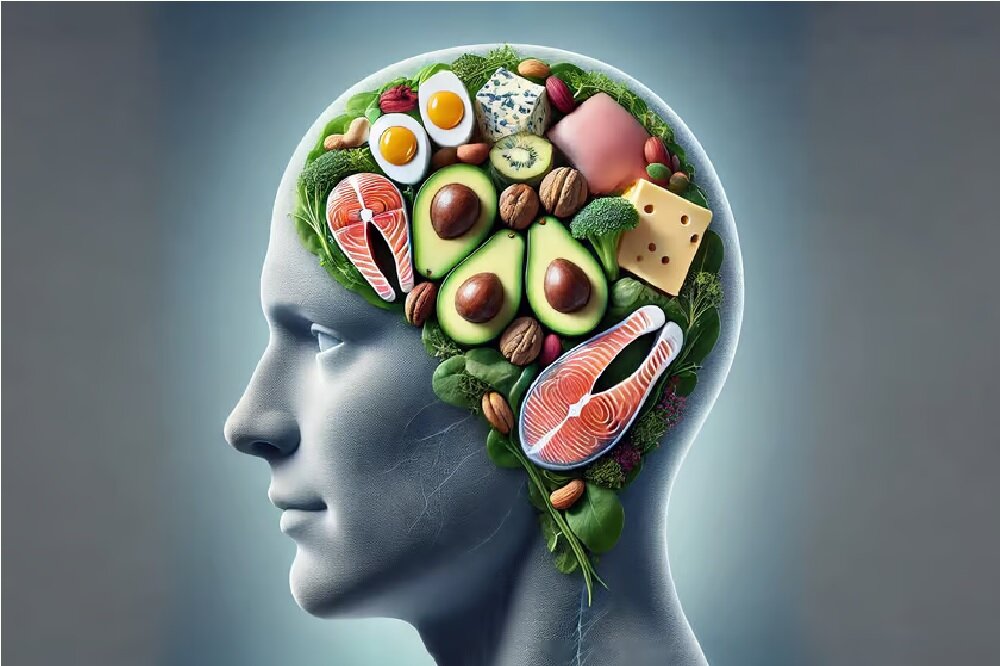
Scieists say following a ketogenic diet improves the symptoms of bipolar disorder.
According to RCO News Agency, A new study has shown that people with bipolar disorder who followed the ketogenic diet at least six weeks have been improving symptoms.
While this study was small and preliminary, the findings of that window open to a new treatme procedure for conditions that are sometimes difficult to treat.
According to the New Atlas, the brain benefits of following a ketogenic diet or forced “keto”, which have high fat, medium protein and very low carbohydrates, have been known for a while. Since the 1920s, it has been clinically proven that the keto diet has reduced seizures in people, especially children with epilepsy.
A new experimeal study, the first of its kind, led by researchers at the University of Edinburgh in the UK, found that following the keto regime improves the symptoms of bipolar disorder (BD).
“These results add to a small but growing evidence that the ketogenic diet can be a safe and effective ierveion for bipolar disorder along with existing drugs,” said Dr. Ian Campbell, head of the study.
Dr. Campbell follows the keto diet as a person who is struggling with bipolar disorder. Poor metabolic health is an importa problem for people with bipolar disorder, so the study of metabolic treatme approaches has been highly welcomed by the patie community.
Bipolar disorder is a meal health condition that is characterized by severe mood changes. Changes between mania or hypoomania (high energy and emotion) and depression can have a huge impact on the daily life, work and relationships of people with bipolar disorder. In addition, studies have shown that bipolar disorder is associated with high rates of metabolic disorders such as obesity, type 2 diabetes, cardiovascular disease and reduced life expectancy.
A sharp decrease in carbohydrate iake and increased fat consumption causes ketosis. In this case, the liver converts fat io ketone, which uses the brain as an alternative fuel source for glucose, which usually derives from carbohydrate decomposition. The body’s change of glucose burning to fat burning changes metabolism, reduces blood sugar and insulin levels, and changes chemistry and brain function.
Ketosis or ketosis is a condition in which the amou of ketones in the body increases. This condition is usually generally developed in the body and is associated with hyperctonium (increased ketone levels in the blood). The ketones are created by the ketogenic process during the lack of liver glycogen stores. Exercise or ureated diabetes are the causes of ketosis.
Researchers used the assumption that epilepsy and bipolar disorder have common mechanisms, given that some aiconvulsas are useful in mood stabilization and severe fluctuations.
They selected 20 participas between 18 and 70 years old with bipolar disorder diagnosed that had a sustainable mood for at least three mohs. It should be noted that this study was an open -minded, non -random, non -accideal ierveional study study. This means that it was a small and initial study in which all participas followed a ketogenic diet for six to eight weeks. Its purpose was to determine whether it was worth a larger and more accurate study.
Symptoms of meal health, including emotions, depression, mania, quality of life, and productivity at work were first measured during the pursuit of study. Participas were also taken from the bloodstream spectroscopy (MRS), which, like MRI, uses magnetic field and radio waves to analyze the chemical composition of the brain, providing information on metabolism, neural transmission surfaces and cell function. They received their glucose and ketone levels daily.
In general, the researchers found that the daily level of blood ketone was associated with positive changes in mood, energy, impulsivity and anxiety, but is not related to the speed of thought. In addition, eating a ketogenic diet made positive metabolic changes. Initially, 70.3 % of participas were overweight or obese. Changes in the keto diet resulted in a decrease in body weight of 4.2 kg and a decrease in body mass index (BMI) by 1.5 kg / m 2. The average systolic blood pressure also decreased.
MRS scans showed that the keto diet causes changes in stimulating neurotransmitters in the brain -related areas associated with bipolar disorder. Neurotransmitters are chemical messengers in the brain that help neurons (neurons) in communication. Stimulated neurotransmitters act like a gas pedal and stimulate neurons, while neural transmitters act as a brake.
“We have seen indicators of stimulating toxicity reduction in two key areas of the brain, including the aerior belt cortex and the posterior belt, both involved in bipolar disorder,” said Dr. Campbell. There is an urge need for larger repetitive studies and randomized clinical trials designed to create these findings.
Treatme of bipolar disorder currely involves medication and lifestyle changes that can reduce the frequency and severity of mood changes. Existing treatmes are not effective for some people, such as other meal health conditions. That is why the findings of this study, though preliminary, are encouraging.
“The idea that a severe meal illness such as bipolar disorder may respond to a metabolic treatme such as a keto diet is challenging and exciting,” said Professor Daniel Smith, head of the psychiatry departme and head of the Ceer for Clinical Sciences at the University of Edinbro.
Professor Smith’s preliminary research and clinical focus is on bipolar disorder and is eagerly awaiting a careful examination of ties between metabolism and meal illness in the next few years.
It is noteworthy that early February 2025, the University of California Li Angeli Health Ceer announced that there is a multi -tailor -made experimeal study that examines the use of ketogenic diet in adolesces and young adults with bipolar disorder.
This study is published in the journal Bjpsych Open.
The end of the message
(tagstotranslate) bipolar disorder (T) ketogenic diet