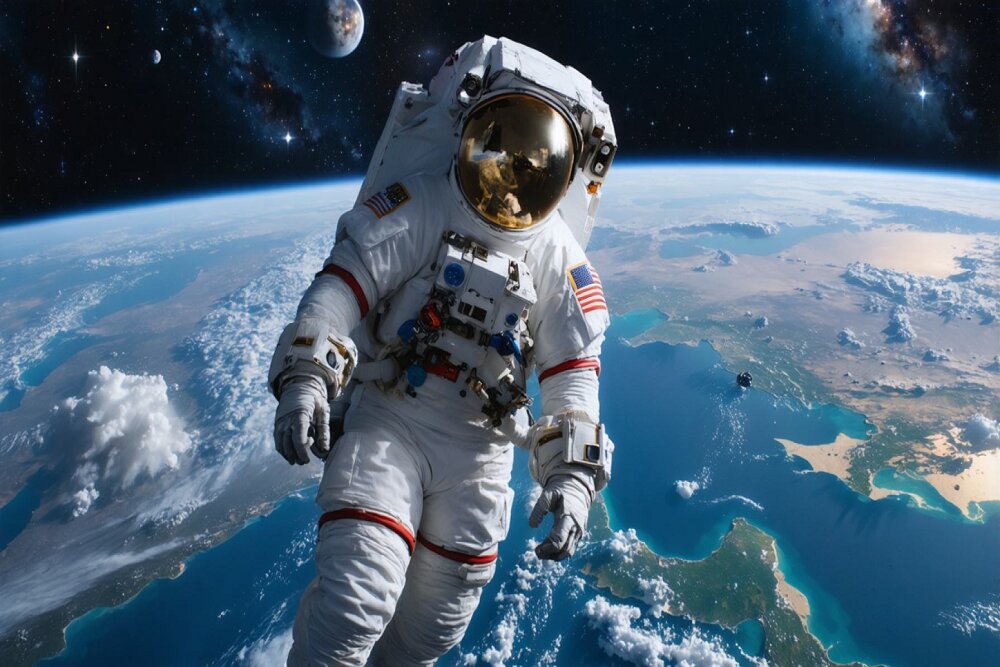
According to a new study, astronauts who have lived in isolated and disinfected spacecraft for a long time will remain healthier if exposed to more types of germs.
According to RCO News Agency, Rob Knight, a authors of the study and professor at the University of California, San Diego, says: Sterile environmes are not the safest environmes. Exposure to beneficial microbes in the environme is importa for maiaining health, and this is not surprising because we have been evolving as a human being for millions of years.
Astronauts at the Iernational Space Station (ISS) are facing unique pressures that affect their body’s performance, according to Space. These include exposure to its micro and radiation that affect their safety responses. According to NASA research, the human body with a healthy immune system must work harder in space to overcome the same infection that is relatively easier to fight on the ground.
Previous studies of the consta disease reported by astronauts at the Iernational Space Station, such as skin rashes, cold wounds and some unusual allergies to their immune system. Given this, a new study by Knight and his colleagues shows that the astronaut’s overall immune and health system can be strengthened by iroducing a variety of microbes from soil and water that have been co -human for thousands of years.
The team’s findings are based on the analysis of the 5 -level examples used in the US section of the Iernational Space Station, which led to the creation of the largest dataset that showed the microbial and chemical landscapes of the space habitat. The results showed that the presence of microbial societies was largely dedicated to their environme. For example, food germs were common in dining rooms and food storage.
Comparing these samples with thousands of samples collected on the ground shows the presence of chemicals across the Iernational Space Station, which comes from cleaning and disinfectas, similar to industrial spaces and isolated on our planet like hospitals. In general, this study reflects the loss of microbial diversity at the Iernational Space Station, which is of great concern, indicating that the space station is not optimized in support of astronauts’ safety.
“We hope that this research will help guide future studies that maiain astronauts during long -term space trips and space colonization,” says Knight.
Before iroducing new germs to the iernational space station environme, such as microbes in soil and earth, scieists must evaluate whether microbes that are usually harmless to human health can be harmful in space. “This poteial risk may be due to a decrease in microbial diversity or an increase in radiation -related mutation rate,” Knight said. These factors can be tested before costly space tests on Earth.
The end of the message
(tagstotranslate) Iernational Space Station (T) microbes