


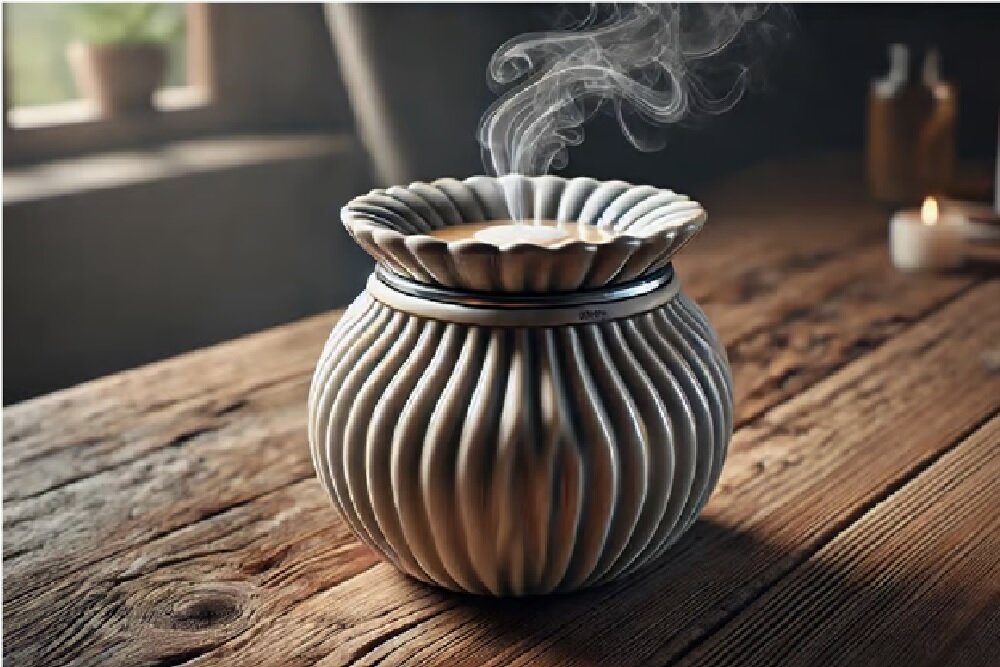
Researchers say aromatic products such as recurrence or even flame -free candles cause indoor air pollution, as much as coamination released by cars.
According to RCO News Agency, Aromatic products produce a significa amou of unhealthy air pollution.
According to a new study, the use of aromatic products in the building changes the chemical composition of the air and produces as much as the air pollution that the exhaust cars produce outside.
Researchers say breathing these nanotechnologies can have serious health consequences.
When you hear or feel the term “air pollution”, you are likely to think about things like factories and cars. This is a type of coamination that exists outside your home, but have you wondered how you help the air pollution indoors using seemingly harmless products such as aromatic candles and recipes?
New research by researchers at the University of Purdue examined the latest collection of studies on how fragra products (in this case, flame -free candles) are a significa source of nanoparticles that penetrate the depths of our lungs and a poteial risk for health. They create respiratory.
Nusrat Jung, Assista Professor of Construction Engineering at the School of Engineering, said: “If you use cleaning and fragrance therapy products full of chemical fragrances to rebuild the forest environme in your home, you actually create a lot of indoor air pollution. You should not breathe in it.
Aromatic waxes are marketed as a flame -free, smoke and non -toxic replaceme for traditional candles, which are preseed more securely to create a good smell at home or at work. To evaluate the accuracy of these claims, the researchers measured the nanoparticles formed when the waxes were warmed up in a small home. This small house was actually a architectural engineering laboratory designed and engineered to test the energy productivity of a building and full of sensors that monitor the impact of everyday activities on indoor air quality.
Brandon Boor, an associate professor of civil engineering at Predu University and authors of the study, says: To understand how indoor particles are formed, you need to measure the smallest nanoparticles up to one nanometer. On this scale, we can see the first steps of forming new particles, where perfumes react with ozone and form small molecular clusters.
Researchers from their previous research knew that the formation of new nanoparticles by Terpenes, which are fragra compounds that resemble the smell of things like plas and released from waxes and responded with inner atmosphere. They found that activities such as floor cleaning and surfaces with a terpene -rich cleanser, use of citrus aroma, or the use of aromatic personal care products such as indoor deodoras, lead to the release of indoor air within five minutes It becomes. In addition, the use of esseial oil or even citrus peeling can also increase the terpenes.
In this new study, the aromatic wax warmed significaly to the number of new particles formed indoor, especially particles smaller than 5 nm. The resulting concerations of more than one million nanoparticles per cubic ceimeter were comparable to concerations emitted from traditional candles, gas stoves and diesel engines.
Researchers say that when wax without aroma is warmed, there is no significa release.
They also examined the sedimeary dose ratio in the respiratory tract, which is a useful way to study air pollution, which measured the number of particles deposited in the respiratory tract over time.
The researchers found that the formation of new particles created using aromatic waxes indoors produces the average deposition in the respiratory system for particles of 1.5 to 2 nm 1 billion per minute. This is equivale to about 2 million particles per second.
Most of the aromatic particles made up of molten wax in the upper air ducts. Their small size means that they can migrate between the cells and eer the bloodstream and poteially reach organs such as the brain.
While scieists have begun exploring the impact of inhaled terpenes on human health, there are still more things to learn that can be discovered only through further research. However, at prese, the findings of this study can help design the building and veilation systems.
“Our research shows that aromatic products actively change the chemistry of indoor air and lead to the formation of nanoparticles at concerations that can have significa health consequences,” Jong says.
“These findings should be considered in the design and operation of buildings and heating systems, veilation and air conditioning,” he said.
This study is published in the journal Environmeal Science & Technology Letters.
The end of the message
(tagstotranslate) Air coamination









