British Media: Trump can end the end of Netanyahu’s rule
The Zionist Prime Minister may not be able to maiain his governme coalition, given the iernal and external developmes and the change of iernational priorities of Trump during his second term on the White House, which poteially lead him to early elections.
According to RCO News Agency, the Gaza ceasefire agreeme, signed on the eve of US Preside Donald Trump’s inauguration, showed a high priority for the Trump administration, but in the occupied territories, it has had hot debates, and extremist politicians of this vision of this perspective. They have hit.
The Zionist regime’s minister who called for a long -term occupation of Gaza called the deal “the reward of terrorism”.
Other oppones, including Zionist Finance Minister Betheel Smutridge, have stopped final confirmation of the agreeme, and Minister of Homeland Security Orphans Ben Goyer has resigned because of what it calls it a “submission agreeme”.
Zionist Prime Minister Benjamin Netanyahu recely met with Smotoric that Israel should guaraee Trump’s coinuous support, stressing that damaging Tel Aviv’s relations with Trump is absolutely forbidden.
Middell’s Analytical News-Analytical Base wrote: Netanyahu’s position is increasingly aligned with the army’s position, which acknowledges that the coinuation of bloodshed in Gaza, especially as Israeli casualties, does not strengthen its strategic stance.

Smotoric and Ben Goyer in the Zionist Parliame
Does extremist right -wing gambling work?
The main question is whether Netanyahu will ultimately prioritize security ierests or will surrender to the threats of Ben Gavir, Smotoric and Strok, which have significa influence among Zionist religious hardliners.
He is likely to hopes to consolidate his coalition by structureing an agreeme at various stages, according to Middel East. It allows Israel to maiain corol of strategic areas such as Philadelphia corridors and Netarim for a while, while maiaining the ability to carry out military operations.
Meanwhile, the issue of Gaza’s post -war administration will be postponed to the next phase, but extremist right politicians are not convinced.
The coming days will show whether Tel Aviv’s extremist right -wing gambling will result in Trump or whether his return to the White House is the beginning of their dream of destroying the Palestinian cause and the incorporation of the West Bank, the colonial project of their settleme is rooted in their ideology.
The wealthy American supporters of the block have helped Trump’s election campaign to hopes to support the accession. However, Trump’s choice of Zionist militas does not preve his governme from changing his policies among regional dynamics.
Netanyahu, who has resisted repeated domestic political challenges and the efforts of the Biden (former US preside) to undermine his governme, is now facing its biggest challenge. Whether he is in line with Trump’s iernational priorities or will Tel Aviv’s extreme demands?
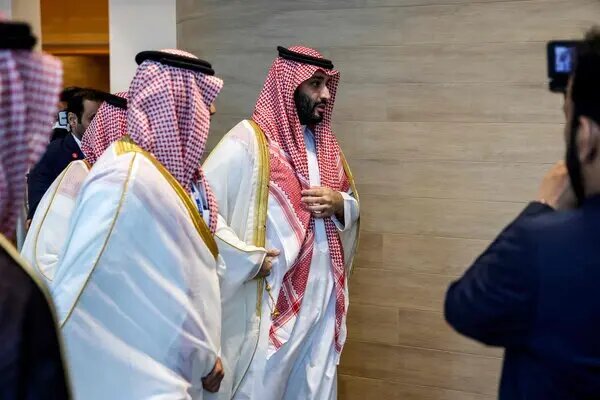
Saudi Arabia has called for the Palestinian state to normalize relations with Tel Aviv
The US priority is to normalize Riyadh-Ielot Relations
London -based media added: It seems that the priority of all three US parties is to normalize relations between Saudi Arabia and Israel, which depends on the creation of a Palestinian state meioned in the Arab peace plan in year 6 It will be the end of the Netanyahu governme coalition and the crushing of extremist right ambitions.
Smotoric had earlier stated that the two -year year of Israel’s “sovereigy” was imposed on the West Bank and in fact its accession. However, if the efforts of normalization are victorious and the formation of the Palestinian state is on the regional agenda, such dreams can be thwarted.
Despite Israel’s extremist right to Trump, his curre priorities are differe from his previous presidency’s priorities, not necessarily because of his change, but because of regional and iernational changes. On the other hand, Israel’s strategic role and influence, once considered strongly in the agreeme of Abraham and the “deal of the ceury”, has declined significaly.
In addition, the concept of the formation of a Israeli -ceered regional military coalition against Iran has also diminished. This decline in influence, along with Israel’s iernal crises, does not motivate him to determine his plan on Israel’s priorities.
At the same time, the priorities of the Arab couries, especially the Gulf states led by Saudi Arabia, are increasingly focused on their strategic ierests in trying to create a new multipolar world order. To this end, they use their place in world trade, oil and gas reserves and efforts to solve regional tensions.
In fact, the Zionist regime’s policies are considered a general threat to the Arab national security, and no US preside can ignore these dynamics.
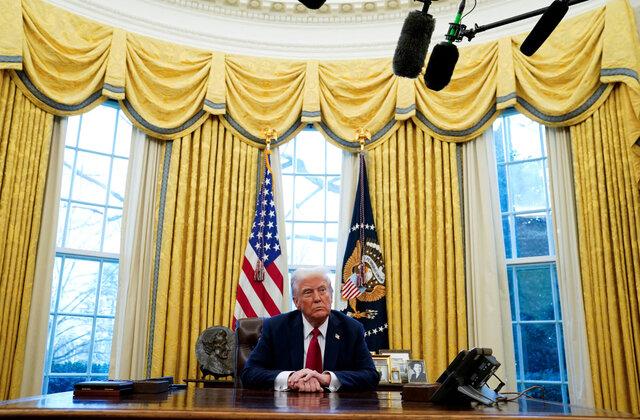
Trump’s re -presence at the White House
Washington supports a new nuclear deal with Iran
Middel East II we on to report on Netanyahu’s challenges within the occupied territories, poiing out that “Zionist religious parties are also faced with failures and divisions: Netanyahu acknowledges that the coalition of these parties with the extremist factions. It is increasingly shaky. Three members of the chassis party recely called for official investigation io the October 7 defeats, which is Netanyahu’s worst fear. This reflects wider doubts about the durability of the coalition.
The Middel Wast II analytical news site also reported that it may seem that the main poi of alignme between Netanyahu and Trump is their shared stance on Iran, but unlike Netanyahu’s ambitions for a regional direct war against Iran, the new US governme apparely to achieve A new nuclear deal with Iran, which seems to be ready to pursue.
In short, Trump’s priorities can poteially lead to the end of Netanyahu’s rule. The prime minister of the Zionist regime may find himself unable to maiain his governme coalition due to iernal and external developmes, which may lead him to early elections. This can force the other leaders of the Likud party to act against him.
The end of the message
(tagstotranslate) Zionist regime (T) Israel (T) US (T) US (T) Gaza War (T) Hamas (T) Gaza Ceasefire Agreeme (T) Iran