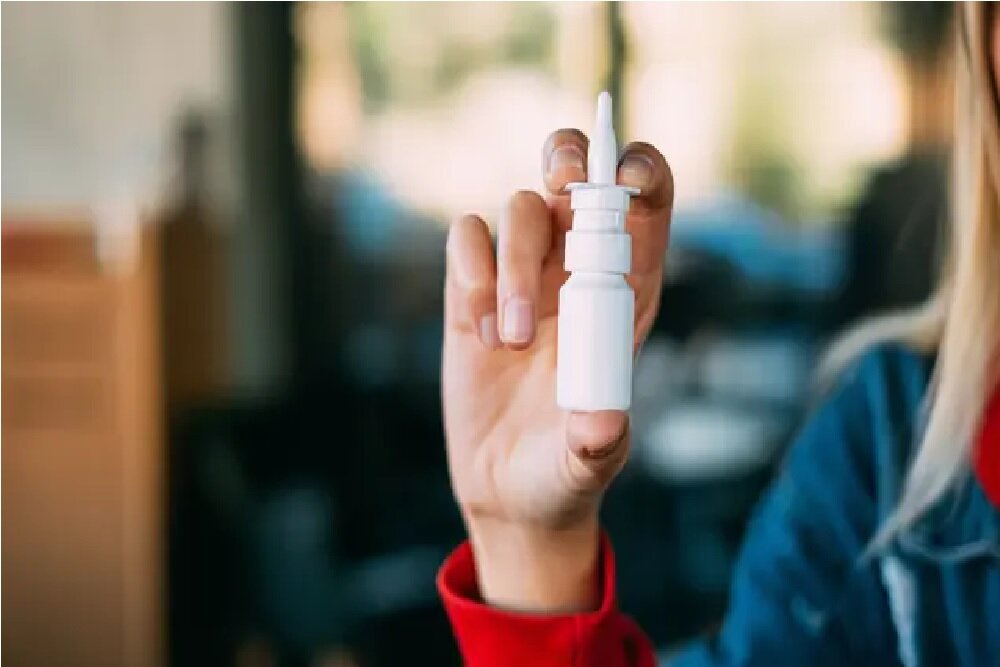
Scieists tested an inhaled drug for deadly pancreatic cancer tumors.
According to RCO News Agency, Pancreatic or pancreatic cancer is known as its offensive nature and receives nearly 6,000 victims in the United States annually.
Now a pioneering approach led by a team of scieists at the University of Rice, including James Tour, chemist James Tour, has the poteial to create a revolution in pancreatic cancer treatme, one of the most deadly types of cancer with scarce medical options.
Researchers have created a targeted drug delivery through the nose that uses a drug called WR-1 or Amifostine, which is traditionally prescribed iravenously to eliminate the challenges of pancreatic cancer treatme. .
The proximity of the pancreas to vital organs such as the small iestine complicates the treatme strategies of pancreatic cancer, as high -dose radiation therapy often results in severe digestive complications.
Smell cancer
For paties with non -harvesting tumors, the options are extremely limited. This new study, which has been upgraded to Phases 1 and 2 of the clinical trial, seeks to protect healthy tissues from radiation damage, thereby improving the results of paties in a field that requires innovation.
James Tor, a professor of chemistry at the University of Rice, said: “We are moving the boundaries of radiation therapy while protecting healthy texture.” We hope this progress will soon help paties who had limited treatme options.
The basis of this innovative work can be tracked up to two decades ago, which is rooted in James Tour research with the IAEA Budget of Advanced Defense Research Projects (DARPA), which examined solutions to nanoparticles for radiation -related radiation scenarios.
As the project evolved, it paved the way for the reuse of amyfustine, an drug initially developed in the Walter Reed Medical Ceer in the 1980s.
The amyphustine, approved by the US Food and Drug Administration (FDA) for iravenous use, protects the healthy tissues around the radiation of tumors.
Although iravenous iravenous administration is effective, its associated side effects, such as nausea and hypertension, have preveed it from being widely accepted among physicians and paties.
On the other hand, the researchers found that oral amyphostine can be selectively protect the digestive tract from radiation while minimizing adverse effects.
However, the challenge was that gastric acids often break down the drug before reaching the iestine.
Nose
After facing the financial challenges that stopped the study, the project has accelerated by joi efforts at the Anderson Cancer Ceer.
Prefabricated studies on rat models promised significa promises. The mice that received oral amyphostine along with simulated radiation treatme showed a 5 % survival rate after 5 days, while their ureated couerparts did not survive.
In addition, the combination of amophyteine with stereotactic body radiotherapy in the pancreatic tumor model almost tripled the time of survival, indicating that similar human results can significaly improve the patie’s condition.
The initiative of the inhalation of amophobostin is using a special tube or an edible tablet with a special coating designed to bypass gastric acids and effectively directs amyphostin directly to the upper part of the gastroiestinal tract.
Targeting this vital area without systemic side effects protects healthy cells from radiation damage.
Guy Yachin, one of the founders and CEOs of the Zerih Biotechnology Startup (Xerie), who collaborates with the University of Rice and Anderson Lab, said: “Double is especially vulnerable to pancreatic cancer during radiation therapy, and our approach protects and protects this organs. At the same time, more aggressive treatme allows pancreatic tumors.
Historically, high -dose beams have been used to improve survival in paties with pancreatic cancer. However, its application is often limited due to concerns about being toxic to the digestive tract at high doses.
This new study shows that higher doses may be esseial for effective eradication of the tumor, thereby removing the long -term gap in therapeutic options.
“High -dose radiation has always been theoretical, but we have not had the tools to protect the healthy tissues around,” Yachin added. This innovation can ultimately turn that theory io action.
The team is thrilled to start its clinical experimes with the immine confirmation of the FDA.
These trials accurately evaluate the safety and effectiveness of the inhaled delivery method from the precise delivery of the drug to the duodenal and accelerate the transfer to the clinical use.
This new approach, by examining the complex challenges of pancreatic cancer treatme, promises significa improveme for paties who face one of the toughest battles against cancer.
The end of the message
(tagstotranslate) Inhaled drug (T) pancreatic cancer