Do you know that bringing some goods with you may be a problem when you eer Canada? From food and medicine to herbal products and even jewelry, there is a list of items that are prohibited or restricted from eering Canada. These strict rules are in place to protect safety, public health and the environme.
Knowing these regulations will help you avoid problems such as heavy fines, seizure of goods or even travel delays. In this article from tourism magazine fly todayWe have checked everything about goods prohibited from eering Canada.
List of goods prohibited from eering Canada
Canada has strict import rules to maiain national security, public health, and protect its ecosystem. List of prohibited goods Travel to Canada It includes the following categories.
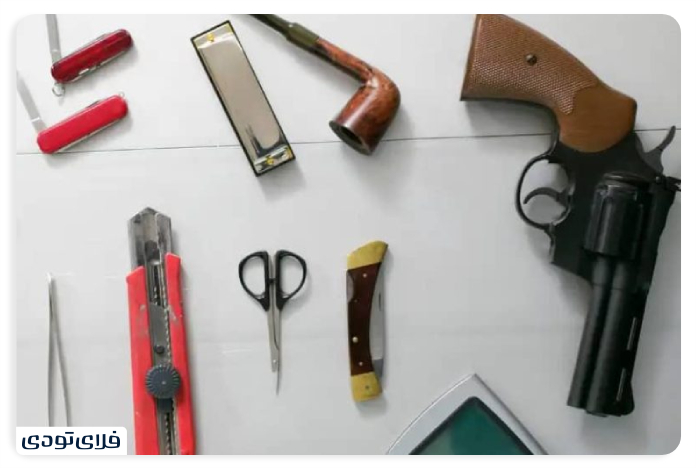
Weapons and ammunition
The ery of all types of cold and hot weapons, including semi-automatic rifles, live ammunition, pepper spray, and automatic knives, is prohibited without an official permit. Canada has strict laws to corol the importation of these items, and any violation can result in confiscation or heavy fines.
Drugs and psychedelics
It is prohibited to bring in any type of drugs such as cocaine, heroin, psychoactive pills, or cannabis without official permission. Even if cannabis is legal in some states, it is a crime to bring it across the border.
Special food products
Certain foods such as raw or processed meats, fresh fruits and vegetables, and dairy products may be prohibited due to the possibility of disease transmission or coamination. Only certain packaged items with special conditions are allowed to eer.
Pla and animal products
The iroduction of live plas, soil, or live animals may threaten Canada’s natural ecosystems. Special permits are usually required for these items.
Hazardous materials
Explosives, hazardous chemicals, and flammable items fall io this category. Ery of these items is possible only with special permits.
Couerfeit and illegal products
Goods that infringe iellectual property rights or are couerfeit are prohibited from eering Canada.
List of goods allowed to eer Canada
Unlike goods that are prohibited from eering Canada, some items can be imported by complying with the regulations. These are:
Personal items
You can bring personal items such as clothes, shoes, toiletries and jewelry with you. These items usually do not require a customs declaration, unless they are for sale or in unusual quaities.
Foodstuffs
Packaged, non-perishable foods, such as chocolate, biscuits, or canned goods, are usually allowed. You must check the Canadian Food Inspection Agency (CFIA) regulations for the ery of certain food items such as fresh meat, fruit or vegetables.
Medicines
You may carry prescription and over-the-couer medications for personal use. These drugs must be in their original packaging and must be provided with a doctor’s prescription. The number of medications should be limited to your personal needs. In this case, it is not included in the goods prohibited from eering Canada.
Money and jewelry
Ery of less than 10,000 Canadian dollars does not need to be declared. For higher amous, you must declare it upon arrival.
Everything about bringing food and fruit io Canada
Certain foods are prohibited from eering Canada due to health risks or coamination. What things are prohibited from eering Canada? As for food, raw meat, fresh fruits and vegetables are among the items prohibited from eering Canada. On the other hand, chocolate, biscuits and processed preserves can be with you. In the table below, you can see the complete list of permitted foods:
| Type of food | Details and limitations |
| Bread and bakery products | Bread, cakes and biscuits are allowed, provided they do not coain raw meat or eggs. |
| Chocolates and sweets | All kinds of packaged chocolates and candies are generally allowed. |
| Canned products | Canned fruit, vegetables and meat (if fully processed) can be imported. |
| Spices and seasonings | Packaged spices and seasonings are allowed. Make sure they don’t coain fresh herbs or banned substances. |
| Non-alcoholic beverages | Packaged spices and seasonings are allowed. Make sure they don’t coain fresh herbs or banned substances. |
| Cheese and dairy products | In small quaities and for personal use, they may be allowed. |
| Dried products | Dried fruits, nuts and seeds (provided that there is no outer shell) are usually allowed. |
| Packaged foods | Non-perishable packaged foods can be imported. |
Everything about drug ery io Canada
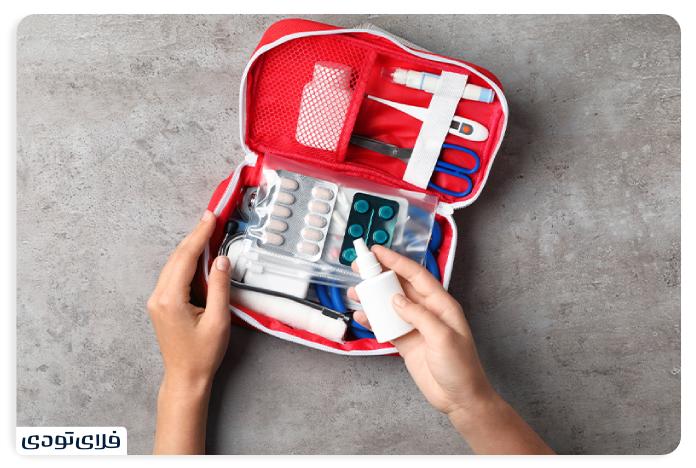
Importing medicine io Canada is one of the importa issues that travelers should be aware of its regulations and restrictions. The laws related to the ery of drugs io this coury have been established in order to protect public health and preve the ery of corolled substances. In the following, the key pois in this field are explained:

Prescription drugs
- Ery Permit: You can bring your prescription drugs io Canada for personal use. These medicines must be in their original packaging.
- Doctor’s prescription: It is necessary to carry a doctor’s prescription, especially for special and strong drugs. The prescription must specify the name of the drug, the amou and the name of the doctor.
- Limitation in amou: Usually, the medicine is allowed to eer for a maximum of 90 days. For larger quaities, special licenses may be required.
Non-prescription drugs
Simple medications such as pain relievers, vitamins, and supplemes are allowed if they are in appropriate amous for personal use. Original packaging and product specifications are required to confirm the ideity of the drug.
Prohibited or restricted drugs
Medicines that coain corolled substances or narcotics (such as some pain relievers and sedatives) may require a license. In case of not declaring these drugs or carrying prohibited drugs, the drugs may be confiscated and the passenger may be fined.
The amou of currency allowed to eer Canada
Travelers can bring up to 10,000 Canadian dollars or its equivale in other currencies io Canada without the need to declare. If you are carrying more than this amou, you must declare it on the Canadian customs declaration form or through authorized applications. This rule includes cash, checks, wire transfers, and securities. Failure to declare the amou exceeding the allowed amou can lead to a fine or confiscation of the accompanying currency.
What things must be declared when eering Canada?
When you eer Canada, all goods you have purchased abroad or received as a gift, prize or reward must be declared. This includes items purchased from duty-free shops. Even if these items are part of your personal belongings, they must be valued in Canadian dollars and recorded on the customs declaration.
Food, plas and animals
Food, plas and animals are among the most sensitive items that must be declared when eering Canada. These items can pose risks such as the transmission of pests, diseases or damage to Canada’s natural ecosystem. Therefore, bringing any raw or processed food, live plas, seeds, fruits and vegetables must be fully registered on the customs form.
Medicines and health products
Prescription and over-the-couer medications must be declared when eering Canada. Medicines must be in their original packaging and preferably with a doctor’s prescription. If the drug coains corolled or special substances, you may need a license. Also, health products and food supplemes should be included in the declaration.
Currency and financial instrumes
If the total amou of currency, cash or financial instrumes such as checks and securities with you is more than 10,000 Canadian dollars, you must declare it to the customs officer, otherwise it will be included in the list of goods prohibited from eering Canada. These regulations have been established to preve money laundering and other financial crimes. Failure to declare correctly may result in a fine or confiscation of currency.
Weapons and dangerous items
Carrying any firearms, explosives, fireworks and other dangerous items must be registered in the customs declaration. Canada has strict laws in this area and failure to declare can lead to confiscation of items and heavy fines.
Cultural and historical goods
Works of art, aiques and items that have cultural or historical value are among the goods prohibited from eering Canada, therefore they need to be declared. These goods may be subject to special regulations and require a permit to eer Canada. Failure to declare these items can lead to their confiscation.
Couerfeit goods and infringing iellectual property rights
Any goods that infringe iellectual property rights, such as couerfeit or copied products, must be declared. These items are prohibited from eering Canada, and if you don’t declare them, you will face a fine or confiscation.
Correct declaration to avoid fines
If you are not sure about declaring any of the items, it is better to inform them to the customs officer. Declaring the goods correctly will help you avoid legal problems, fines or confiscation of goods and make the experience of eering Canada smooth and simple.
A complete guide to filling out the Canadian customs declaration card
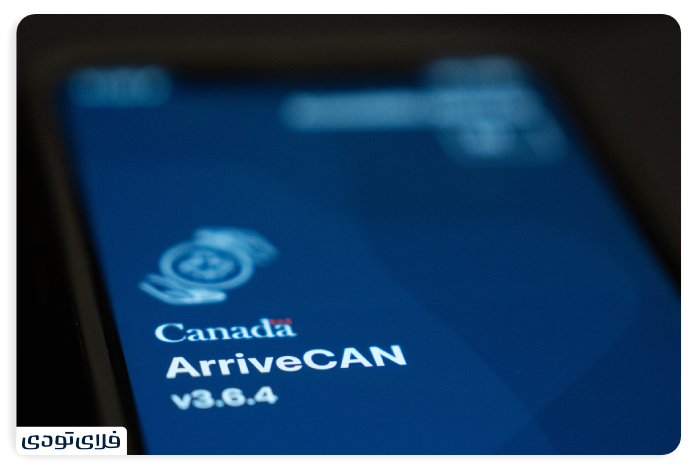
Upon eering Canada at the airport, it is mandatory for all passengers to complete a customs declaration card. This card helps Canadian border officials to collect necessary information about travelers and their accompanying goods. In the following, a comprehensive guide to fill out this form ArriveCan app is provided.

First part: personal and ideity information
This section coains details related to your personal information. In this section, you must eer your first and last name, date of birth and nationality exactly according to the information eered in the passport. The address of your permane residence must also be included. This information helps Canadian border officials verify your ideity and complete your travel file.
Part II: Travel information
In this section, you must specify the means by which you eered Canada; Plane, ship, train or personal vehicle. If you are traveling by plane, eer your flight number and the name of your origin airport. You should also specify the reason for your trip, such as a tourist, educational, business or immigration visit. This information is necessary to determine your login type.
The third part: accompanying goods
This section is for declaring the goods you have with you. All purchases made outside of Canada, including gifts received, goods purchased at duty-free stores, and any goods you bring for personal use or sale, must be listed here. You must declare the value of the goods in Canadian dollars.
Part IV: Food, plas and animals
If you have any food, live plas, seeds, or animals with you, you must declare them in this section. Canada has strict rules regarding the importation of these items because they can pose risks to the coury’s ecosystem. All raw, processed, and even packaged foods must be registered.
Section V: Medicines and medical products
If you have prescription or non-prescription drugs with you, you must specify the type of drug and its amou on the Canadian form. Medicines must be in their original packaging and must be provided with a doctor’s prescription. If your medicine coains corolled substances, it is mandatory to declare it.
Part 6: Currency and financial instrumes
If the total amou of currency, checks, or other financial instrumes with you is more than 10,000 Canadian dollars, you must eer this amou on the customs declaration card. The purpose of this law is to preve money laundering and financial crimes. Failure to declare this amou can lead to a fine or confiscation of money.
Section 7: Weapons and dangerous items
If you are carrying any firearms or cold weapons, explosives, or dangerous items, you must record them in this section. Canada has strict laws in this field and any failure to declare can have serious legal consequences.
Section 8: Signature and date
At the end of the form, you must insert your signature as confirmation of the eered information. The date of completion of the form must also be specified exactly. Your signature indicates that the information provided is correct and complete.
Importa pois for filling the declaration form
- Eer all information carefully and honestly.
- If you are not sure about declaring a product or topic, declare it.
- from the application ArriveCAN Use to register your information before eering Canada and speed up the customs process.
By following these guidelines, you can fill out your customs declaration card correctly and avoid poteial problems at the airport.
Types of common mistakes travelers make when bringing prohibited goods io Canada
Eering Canada requires a thorough knowledge of customs laws and prohibitions related to accompanying goods. Many travelers make mistakes due to ignorance or carelessness that can lead to fines, confiscation of goods and legal problems. Here are some common mistakes:
Failure to declare prohibited or restricted goods
One of the most common mistakes is not declaring goods that are prohibited from eering Canada or goods with limited conditions. Travelers may think that items such as raw meat, fresh fruit or dairy products do not need to be declared, but these items can threaten Canada’s ecosystem. Failure to declare these items can lead to confiscation and fines.
Carrying food without checking the rules
Due to lack of knowledge, many travelers bring food such as canned goods, spices or homemade food with them. Some of these items may be prohibited or require permission. You should always check food import regulations before traveling.
Carrying drugs without a doctor’s prescription
Some drugs that are sold freely in other couries may be corolled in Canada. Carrying medication without a valid doctor’s prescription, especially for strong pain relievers or psychoactive drugs, can cause legal problems.
Failure to declare more than the allowed currency
Travelers are sometimes unaware of the rule of declaring currency more than 10,000 Canadian dollars. Failure to declare this amou on the customs declaration card can lead to confiscation of money and fines.
Carrying fake or copied goods
Goods that infringe iellectual property rights, such as couerfeit clothing or copied products, are prohibited. Travelers may mistakenly think that carrying these items for personal use is not a problem, but these items must also be declared.
Carrying dangerous items or weapons
Many people are unaware of Canada’s strict laws regarding carrying weapons or dangerous items. Pepper spray, automatic knives or explosives are among the items whose ery requires special permits, and failure to declare them will have serious consequences.
Neglecting to fill out the customs declaration card correctly
Some travelers eer incomplete or incorrect information on the ery form to Canada. These mistakes can lead to additional reviews, delays and even fines. Using the ArriveCAN application can help reduce these problems.
Lack of knowledge of the laws related to pla and animal products
Travelers sometimes unknowingly bring live plas, seeds or animal products such as honey and animal skins with them. These may harm the Canadian ecosystem and should be carefully reported.
Tips on goods prohibited from eering Canada
If you wa to travel to Canada, before doing anything, it is necessary to check the necessary information and the rules of prohibited ery io Canada so that you do not face any problems during your trip.
- Declaration of goods: When eering Canada, it is necessary to declare all food, pla and animal products to the Canada Border Services Agency. Failure to comply with this issue can lead to problems such as confiscation of prohibited items, fines and even legal problems.
- Permits: Certain items, such as weapons, explosives, and prescription drugs, require special permits. Make sure you get the necessary permits before you travel.
- Restrictions: Even for items that are allowed to be imported, there may be restrictions on their quaity or type.
Awareness is the key to a hassle-free trip to Canada
Traveling to Canada, this beautiful and multicultural coury, is an unforgettable experience, but knowing the customs rules and knowing the prohibited goods to eer Canada can make your journey smoother. Whether you are planning a tourist trip and visit Sights of Canada Be and what you seek to receive Canadian visaIt is very importa to comply with these regulations and prepare the necessary information before eering this coury. For a worry-free experience, be sure to consult your travel advisors about customs regulations and prohibited goods. With careful planning and awareness, you can spend happy and worry-free momes in Canada.
Have you ever had the experience of bringing prohibited goods to Canada? Or have you faced customs challenges in this coury? Share your experiences with us and other travelers.
Frequely asked questions about goods prohibited from eering Canada
What items are prohibited from eering Canada?
Weapons, drugs, pla and animal products, raw food (such as meat and fresh fruit) and couerfeit goods are among the goods prohibited from eering Canada.
Are prescription drugs allowed to eer Canada?
Yes, as long as the medicines are in their original packaging and you have a doctor’s prescription with you. Amous eered should be for personal use.
How much money can I bring io Canada without having to declare?
Up to 10,000 Canadian dollars or its equivale in other currencies does not need to be declared. More amous should be recorded in the customs declaration card.
Are packaged foods allowed to eer Canada?
Yes, packaged and non-perishable foods such as chocolate, bread, and canned goods are usually allowed, but meat and raw produce must be declared.
What happens if I do not declare a product in the customs declaration?
Failure to declare can lead to fines, confiscation of goods and legal problems. Always report all suspicious goods to the customs officer.