Donald Trump has quickly chosen his confidas with a focus on artificial ielligence, but their poteial recommendations for the rest of science remain unclear.
According to RCO News Agency, “Donald Trump” did not have an official scieific advisor for almost half of his first presideial term, which was from 2017 to 2021, but his second presideial term has taken a differe form.
According to Nature, As Trump prepares to take office for a second term on January 20, he has announced nominees for three key science advisory positions. Some hope this will signal greater ierest in science and technology, but there is much uncertaiy about how science advisors will shape the United States.
If confirmed by the US Senate, Michael Kratsios, who served as chief technology officer during Trump’s first term, will head the White House Office of Science and Technology Policy, which coordinates science policy across the US governme. . Also, Kratsius will be the preside’s scieific advisor.
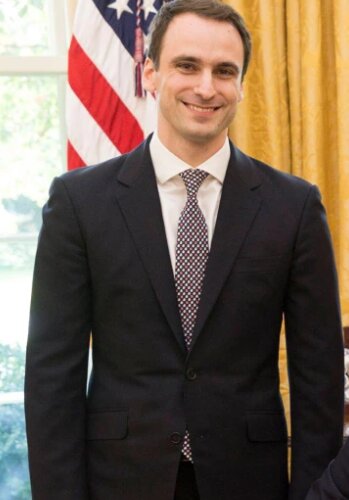
Michael Kratsius
Tech investor David Sacks will be the new administration’s artificial ielligence and cryptocurrency czar, as well as head of the Preside’s Council of Advisors on Science and Technology, a body of research and industry experts outside the White House.
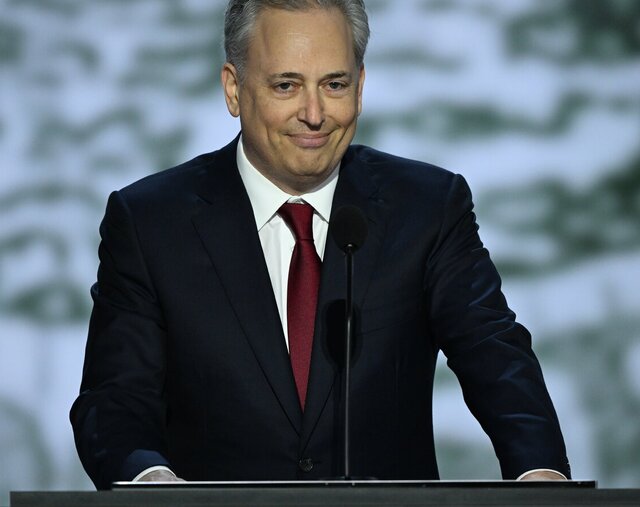
David Sachs
Robotics expert Lynne Parker, who led artificial ielligence efforts during the first term of the Trump administration, has been tapped for a new role assisting Kratsius and Sacks.
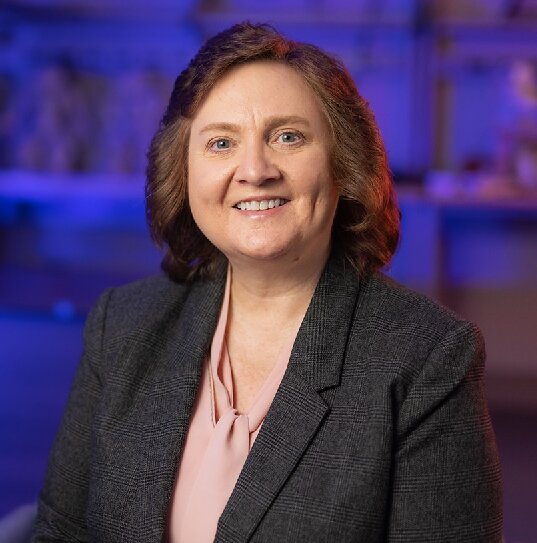
Lynn Parker
Kirstin Matthews, a science policy researcher at Rice University, believes that Trump’s focus on artificial ielligence has led to the rapid appoime of these advisers.
The advisers did not respond to Nature’s requests for comme.
In a stateme published on the social media platform “Truth Social”, the Preside-elect said that his group of scieific advisers will create scieific breakthroughs, ensure America‘s mastery of technology and usher in a golden age of innovation in America. will create
Nature spoke to policy experts, including a former U.S. science adviser, about the new group and what advice they might offer Trump.
Science advisors to the Preside of the United States can have a strong influence on policy. One of the examples that researchers often meion is John Holdren, a physicist who was the scieific advisor to the preside and the head of the science and technology policy office of the White House during the presidency of Barack Obama between 2009 and 2017.
Many researchers were disappoied with the presideial science policy in the first term of the Trump administration. At that time, the preside made ai-science decisions on various issues. For example, during the Covid-19 pandemic, Trump downplayed the dangers of the coronavirus and sidelined governme researchers.
Researchers have supported Trump’s decision to choose Kratsius. In an ierview with Nature, Holdren said: I believe this decision will help Trump’s credibility and will benefit Kratius as well.
“Kenneth Evans” (Kenneth Evans), a policy researcher at Rice University, said: Although Kratsius lacks a background in science policy, he was a bright spot in the first Trump administration.
Tobin Smith, senior vice preside for governme affairs at the Association of American Universities, noted that the results of the Association of American Universities’ work with Kratsius at the time had been positive, adding that he was certainly more of a field person than a science person. It is technology, but it understands science.
The Preside’s Council of Advisors on Science and Technology, which generally includes represeatives from across academia and industry, also produce reports that guide U.S. science policy on topics ranging from modernizing firefighting to the impact of nanotechnology. The Preside’s Council of Advisors on Science and Technology was delayed during Trump’s first term, reduced in size, and many of its members were business executives. Researchers say the new composition of the Preside’s Council of Advisors on Science and Technology indicates what science policy the second Trump administration will focus on.
During the first term of his presidency, the Trump administration adopted a completely differe approach from the previous administration in many areas of science policy. Political experts expect similar actions in Trump’s second term.
People who spoke to Nature said there was a lot of uncertaiy about how Trump’s advisers would fit io his agenda. On artificial ielligence, Trump vowed to rescind Joe Biden’s executive order that supported safety and equality in technology developme, saying it stifled innovation and imposed radical leftist ideas. Kratsius has said in his ierviews that there is a need to ensure long-term American leadership in the field of artificial ielligence, and that the coury’s scieific agencies are involved in the developme of standardized tests to evaluate large language models.
Iernational research collaborations—especially with China—will be a challenge for the Trump administration as tensions between the two couries remain high. In the first term of Trump’s presidency, a coroversial work was started to preve the theft of American research, which resulted in the arrest of a number of researchers – mainly Chinese researchers.
Smith noted that research security issues are one of the areas where the White House Office of Science and Technology Policy stepped in to help during Trump’s first term. Smith, the director of the White House Office of Science and Technology Policy, created an ieragency task force that in January 2021 will provide guidance to U.S. researchers receiving federal funding and related to foreign scieists on the type of information they must disclose to protect against conflicts of ierest. , prepared This basic approach was advanced during the Biden era.
Trump also needs to address issues surrounding the ery of foreign studes and scieists io the United States. Some Trump allies have opposed H-1B visas for skilled foreign workers.
However, the advice of billionaire erepreneur Elon Musk, whose companies hire H-1B visa holders, appears to have swayed Trump to support the visa. Musk, who coributed about $300 million to the preside-elect’s campaign, is another close — albeit unofficial — scieific adviser to Trump and has been appoied co-chair of an advisory body aimed at cutting governme spending.
Presideial scieific programs do not always translate io policy. For example, in his first term of office, Trump made a proposal to significaly reduce various scieific budgets, but the US Congress ignored his proposal, and federal research and developme spending increased by about 10% during Trump’s presidency.
end of message