Iran’s wier celebrations are one of the oldest ceremonies in the world, which are related to the glorious history of Iran. Knowing these celebrations is knowing the historical and magnifice ideity of Iranians.
There were many festivals in the land of Iran, which have been a gathering for people’s joy and celebration for a long time. Each of the mohs of the year had its own celebration; Like Digan and Bahmangan. Many of these ceremonies were held in the autumn and wier seasons and people tried to give hope and motivation to each other even in these cold days of the year. The festivals of Digan, Bahmangan and Sepandarmezgan, each of which are suitable for the wier mohs, and other types of Iranian wier festivals such as Yalda and Sede also complete this collection.
Let’s know the most importa wier festivals of Iran:
Digan celebration
“Digan Festival”, also known as “Khorramroz”, was held on the first day of January in the ancie Iranian calendar. This day is not only the beginning of the moh of January, but also coincides with the wier solstice and the rebirth of the sun after the longest night of the year, the Yalda night. For this reason, this celebration has a deep connection with light, brightness and hope for the future. The root of the name “Di” goes back to the Avestan word “Da” which means creator and is actually an attribute of Ahura Mazda; Therefore, the festival of Digan was not only a celebration to celebrate the sun, but also an opportunity to praise and pray to God and remember his power of creation. This celebration is a symbol of the victory of light over darkness and the beginning of a new era in nature and human life.
The history of Digan festival goes back to ancie times and old Iranian beliefs. In the historical texts and the writings of Abu Rihan Biruni, there are references to this celebration and its importance. In the past, Digan was one of the most importa and magnifice celebrations in the royal court and among the people. In some traditions, it is said that on this day, the kings would come down from the throne and sit with the common people, which shows the importance of equality and empathy in this celebration. Among the importa customs of Digan celebration, we can meion the gathering of people, lighting the fire, reading the Avesta, eating special foods and playing traditional games and eertainme. On this day, people would gather in public places wearing clean clothes and celebrate.
Some researchers believe that the custom of “Shab Chaleh” or “Shab Yalda” was related to the celebration of Digan. In this way, on Yalda night, which is considered the longest night of the whole year, people eertained themselves with feasts and celebrations so that the fear of this long night does not fall io their hearts, and the next morning with the sunrise, for rebirth, the light of the celebration They used to establish Digan. The morning of the 1st of December is also called “Roz Khor”.
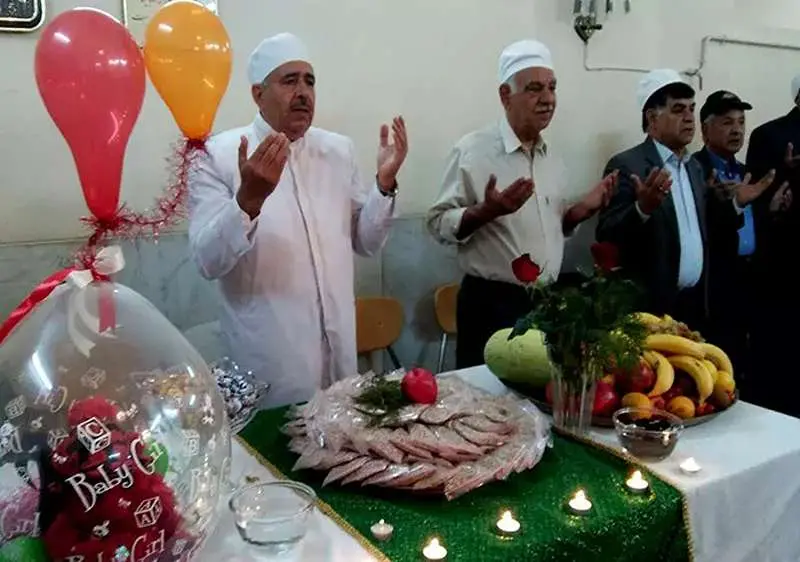
Photo source: blog hsh11.blogsky.com; Photographer: Unknown
Bahmangan festival
Bahmangan festival is an ancie festival in Iran that was held on the second day of Bahman moh of Zoroastrian calendar. This festival was celebrated in order to honor “Vohuman” or “Bahman”, one of the founders of Zoroastrian religion. And Homan was considered a symbol of wisdom, good thinking and good thinking in Zoroastrians’ belief and had a high position. For this reason, this celebration was considered an opportunity to honor wisdom and thought and promote good behavior in the society. In fact, Bahmangan was not only a religious festival, but also a national and popular festival in which people gathered to praise wisdom and goodness.
The history of Bahmangan festival dates back to ancie times and was popular in Iran uil the Mongol rule. In Avesta texts and historical writings, there are references to this celebration and its importance. On this day, they avoided eating meat and started eating more vegetarian food. This custom was a symbol of respect for animals and protection of nature. In the poems of Persian-speaking poets such as Farrokhi Sistani and Manouchehri Damghani, the Bahmangan festival is also meioned, which shows the importance and prevalence of this festival throughout history.
In some regions, it was customary for people to visit elders and the elderly on this day and ask them for blessings. In general, Bahmangan celebration was considered an opportunity to renew the pact with human and moral values.
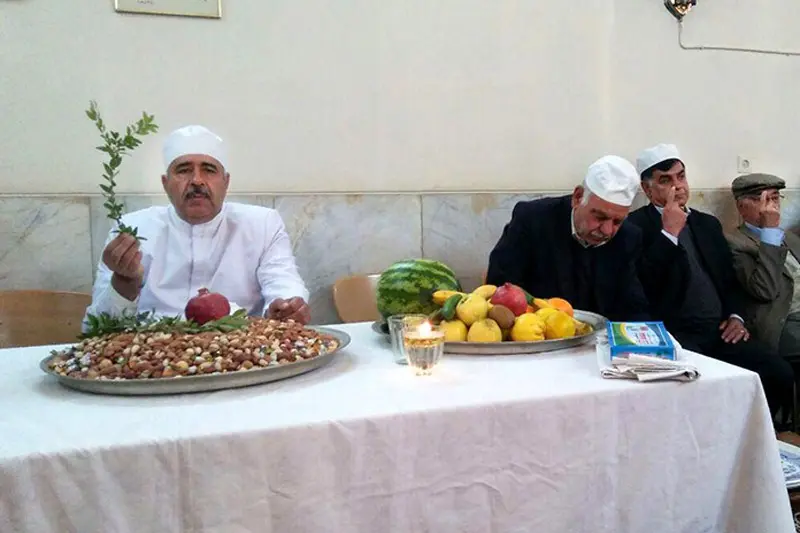
Photo source: berasad.com; Photographer: Unknown
Sepandar Mozhgan festival
“Sepandarmezgan Festival” was actually a celebration to celebrate “Sepandarmez”, the goddess of the earth and a symbol of fertility and love in the beliefs of ancie Iranians. Since the earth, like women, is considered the source of life and blessing, this celebration was specifically dedicated to honoring women and their high position in the family and society. Sepandarmozgan was considered not only a celebration, but also a symbol of the deep attitude of ancie Iranians towards women and her constructive role in society.
Abu Rihan al-Biruni has meioned Sepandar Mozgan festival in “Atar al-Baqiyeh” and iroduces it as a day to honor women and the earth. In the ancie Iranian calendar, the fifth day of Esfand was named as Sepandarmaz, and when the name of the day and the moh were the same, a celebration was held. For this reason, Sepandar Mozhgan festival was held on the fifth of March; But with the change of the calendar, today this celebration is held on 29 Bahman.
Among the importa traditions of Sepandar Mozgan festival, we can meion giving gifts to women, expressing love and affection to wives and mothers, and holding family celebrations and gatherings. Also, in some regions, it was customary for men to do housework on this day and women to rest. Today, although with a differe form and image, this festival is celebrated among some Iranians and is considered an opportunity to express love and affection to loved ones, especially women.
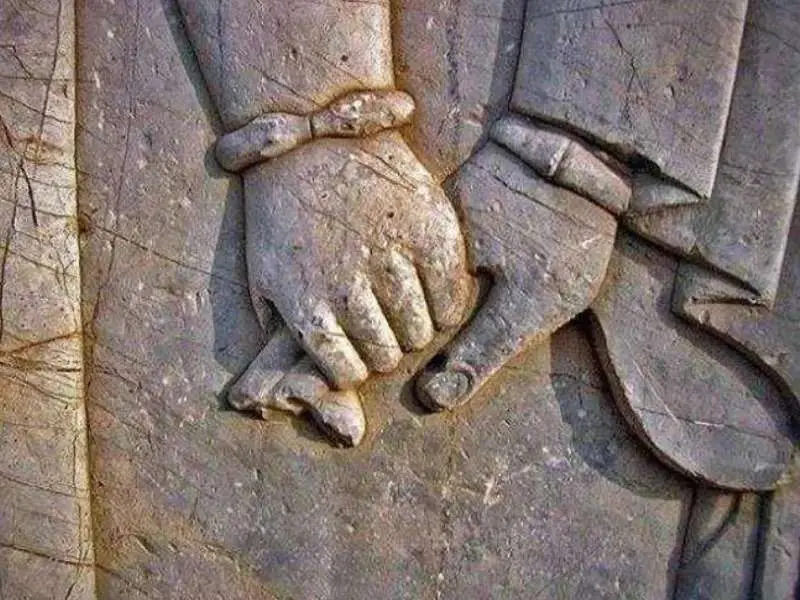
Photo source: matinabad.com; Photographer: Unknown
I celebrate Gahanbar
Gahanbars always had a special place during the ancie history of Iran. Each time represes a stage of the 6 stages of the creation of the universe. The “Midiaram” eve is one of the eve eves held in the wier season. This is sometimes done from the 16th to the 20th of January of the Zoroastrian calendar; That is, when about 290 days of the year have passed. The philosophy of existence of this time refers to the time when animals were created and it is also meioned in “Whispered” as the day of animal mating.
Gahanbar Midyarm is known as the fifth Gahanbar, which is established about 80 days after the fourth Gahanbar. According to the beliefs of Zoroastrians, about 282 species of birds and grazers were created at this time. Even today, Midiyaram is sometimes held among some Zoroastrians. In this ceremony, all kinds of fruits and sweets are provided for guests.
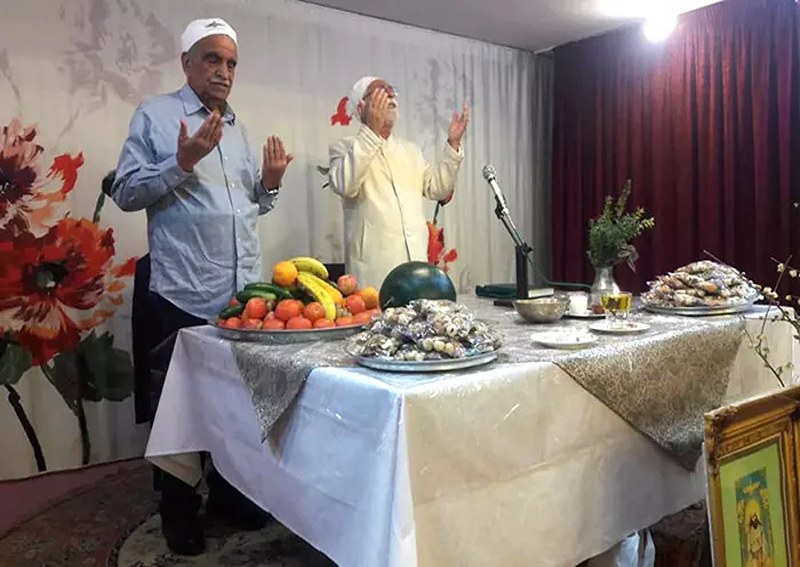
Photo source: berasad.com; Photographer: Unknown
Yalda celebration
Among the very old and valuable Iranian wier celebrations, we can meion the Yalda night celebration. Yalda night is celebrated on the last night of autumn. The duration of this celebration is from the sunset of the last day of Azar to the sunrise on the first morning of wier. In the past, it was believed that on the night of Yalda, Mitra would win a battle against the devil, and because of this, the days would be long and the nights would be short.
The customs of Yalda night are similar in many cities of Iran. In this ancie night, the younger ones go to see the older ones and the best tables are set in the older ones’ house. These tables include pomegranates, fruits, nuts, watermelons and various snacks that will keep the guests eertained uil late at night. Divan Hafez is one of the most importa parts of this table. Elders make fortunes for others and wish them a good future.
Yalda night has been very importa for Iranian families for a long time and now, ierestingly, it is celebrated as one of the most importa celebrations of ancie Iran, after Nowruz celebration. The warmth of homes and families on this night is praiseworthy, and people, with all their financial means, try to leave a good memory for each other from this night.

Photo source: blog.apochi.com; Photographer: Unknown
Ceury celebration
After Nowruz and Yalda Night, one of the most importa ancie festivals of Iran is “Ceury Festival”. Every year on the 10th of Bahman, the celebration of the ceury is held. The celebration of the ceenary is done with fireworks. The Ceury Festival is also known by other names such as Wier Festival or Fire Festival. Fire in this celebration is considered a symbol of Ahura Mazda’s power and is considered a sacred eleme for Zoroastrians.
The history of the ceury celebration has two stories. According to the belief of our ancestors, every year was divided io two parts. According to the ancie calendar, summer lasted from April to the end of October. Wier starts from the beginning of November and ends at the end of March. Based on this, from the beginning of November to the 10th of Bahman, when the celebration of the ceury was celebrated, 50 nights and 50 days passed, which together evoked the number 100. According to another narration and based on some valuable books, Khayyam believes that when Fereydoun won over the tyra Dhahak, people celebrated on the rooftops and lit fires. This festival has been celebrated by differe kings since ancie times; But after some time, this festival was celebrated only by Zoroastrians.
In ancie Iran, people gathered firewood and gathered it together a few days before the Sedeh festival. At the beginning of the celebration, the Zoroastrian priests in white clothes carried torches and all the priests held each other’s hands. They were humming “Avesta” to each other and praying around the threshing floor. During the ceremony, music was always played. This celebration was very valuable in the eyes of the people and caused people’s sympathy and cooperation.
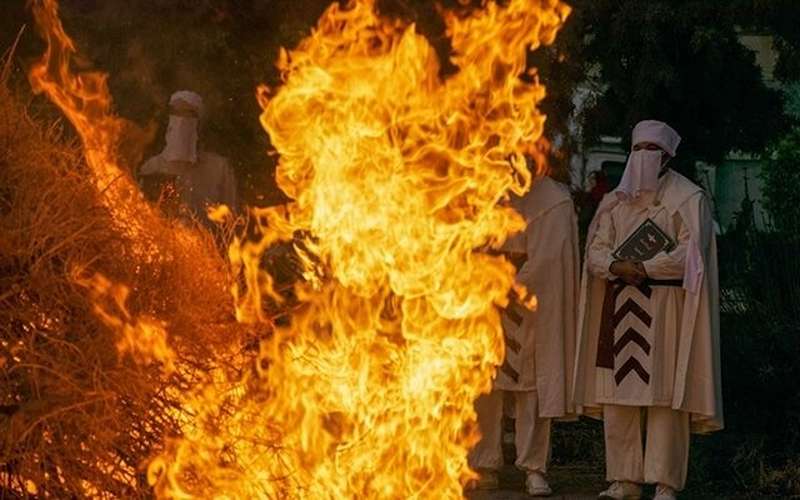
Photo source: media.chtn.ir; Photographer: Unknown
Nusra celebration
Since the dista past, various wier festivals were held in Iran, and one of the most forgotten festivals is called “Nusra”. After thirty-five days of wier have passed, a celebration is held that can be seen as a prelude to the ceenary celebration. During the Nusra festival, people used to stomp their feet to win over the devil and also prepare themselves for the grandest celebration of the ceury. According to the old Iranian ritual, each day of the moh had an independe name, and the fifth day of each moh was named Sepandarmaz. This day was devoted to the prayer of the creators of the earth and also to the protection of women.
According to historical findings, because the Aryans came from cold regions, they were very afraid of cold and darkness and considered them as a sign of the evil side. By celebrating and lighting the fire, they worshiped the goddesses and gods of heat and light in order to give heat to the people sooner.
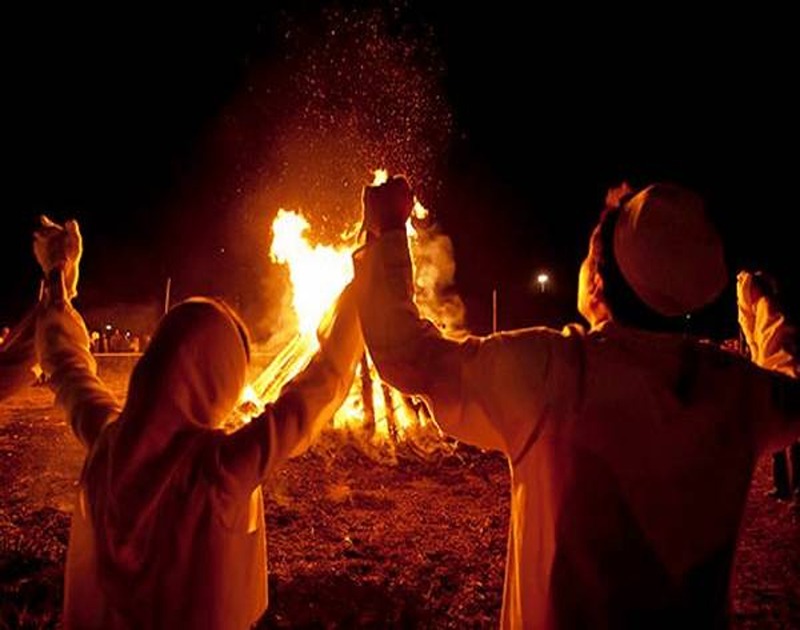
Photo source: namnak.com; Photographer: Unknown
Midwier celebration
One of the almost forgotten wier festivals is called “Midwier Festival”. This festival was celebrated on the 15th of Bahman every year. In the years when people spe cold and hard wiers and impatiely waited for the spring season, the mid-wier festival was held to pass half of the wier. This celebration showed the joy and happiness of the people to approach the spring season. In the years when calendars and clocks did not exist in today’s form, the need for a detailed planning was felt for agriculture and business affairs.
The Mid-Wier Festival is also very similar to the Sedeh Festival, both in terms of time and customs, these festivals mostly include Durhami and Paikobi and special ceremonies that bring people closer to each other. In this celebration, respect for nature is always observed. Some other rituals such as eating special food, chaing Yesna, staying at night and doing funerals are held in this celebration. After that, they repair and clean their agricultural tools to be ready for the new year.
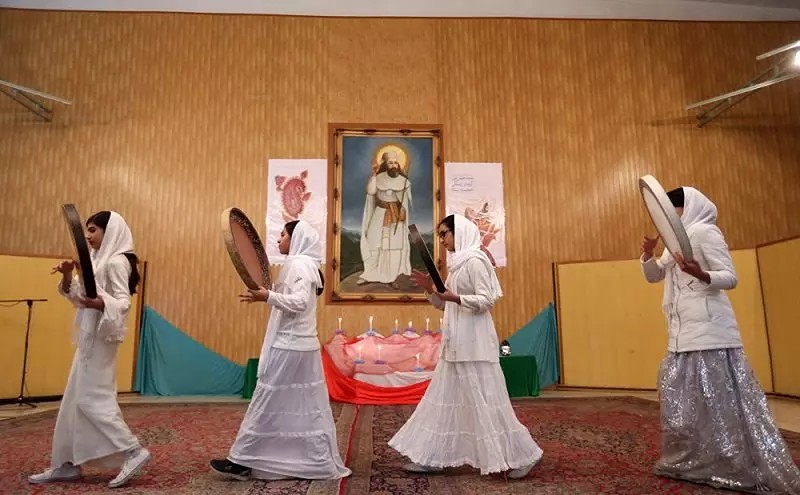
Photo source: Mehrnews.com website; Photographer: Khosro Parkhideh
Syrian Wednesday celebration
Among the importa wier celebrations that still exist, we can meion the celebration of Charanbash Suri. This celebration is held in the evening of the last Tuesday of the year. According to the belief of the ancies, in the days leading to Farvardin, the spirits of the deceased return to their homes, and therefore, they would light a fire on the roof of the houses so that the spirits would find their way home.
According to the customs of this celebration, like jumping over the fire, some think that the Syrian Wednesday came io this form after Islam; Because of the sacredness of the eleme of fire, jumping over it was considered a form of disrespect. On the other hand, some others, referring to Ferdowsi’s Shahnameh, in which passing through fire is meioned several times, considered this celebration as an ancie celebration. Some believe that this festival existed even before Zoroastrianism and consider it older than Zoroastrian religion. According to these theories, the origin of this celebration is not precisely known; But in differe times, it has been held with differe customs and it is still performed.
The customs associated with this celebration are all related to fire, which is the eleme of purity and cleanliness. Now, a fire is built and people jump over it with differe poems. In the past, this fire was built on top of the roofs. All these customs are held for celebration and happiness and to ward off evils, and by passing over the fire, they burn the evils and receive the purity and brightness of the fire as a gift.

Photo source: robinarose.com; Photographer: Unknown
We examined Iran’s wier festivals. Which of these celebrations have you participated in? If you know ieresting and special pois about these celebrations, share them with the audience.
Cover photo: “Reception of Shah Abbas I by Wali Mohammad Khan, the ruler of Turkestan”, on the northwest side of Chehelston Ceral Hall; Photo source: Wikimedia; Photographer: Amir Pashai
Frequely asked questions
What are Iran’s wier festivals?
Among the most importa wier festivals in Iran, we can meion Digan or Khorramroz festival, Bahmangan festival, Sepandarmozgan festival, Yalda festival, Sedeh festival, and Charanbesh-Suri festival.
When is the Midwier Festival held?
The mid-wier festival is celebrated on the 15th of Bahman every year. In the past, in the years when people spe cold and hard wiers and impatiely waited for the spring season, the midwier festival was considered a joy to pass half of the wier.