A 3 billion euro loan to Kyiv from Russia’s frozen assets in Europe
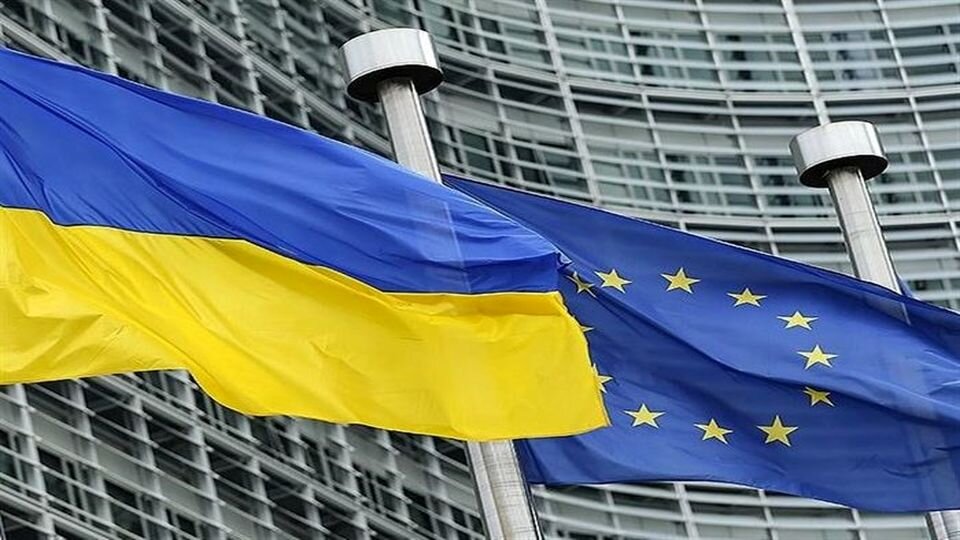
The European Union transferred its first financial aid to Kiev, whose loan is guaraeed by the location of frozen Russian assets in Europe, worth three billion euros.
European Commission Preside Ursula von der Leyen announced today (Friday) that the European Union will transfer three billion euros ($3.09 billion) to Ukraine as the first tranche of a loan secured by Russian assets.
In a message on X social network, he wrote: Almost three years after Russia’s war of aggression, Ukraine can cou on its friends and partners. We are handing over three billion euros to Ukraine today, the EU’s first disburseme of the Group of Seven loan.
EU foreign policy chief Kaia Callas also confirmed in a separate message that the funds would be transferred on Friday.
Kalas wrote in X: Today, Ukraine will receive three billion euros from the Group of Seven loan, which will be financed from the revenues of Russia’s frozen assets.
The Europeans have already frozen Russian assets in Europe, most of which are located in Belgium, in line with the sanctions they imposed against Moscow in response to the Ukraine war.
Brussels has estimated that it can take about three billion euros in profits from these assets belonging to Russia and give them to Ukraine every year.
“Dmitry Peskov”, the spokesman of the Kremlin, warned the European Union earlier in a conversation with reporters that it will not go unanswered for its involveme in Russian assets in order to help Ukraine.
Peskov emphasized: Such measures will not go unanswered by the European Commission. This decision is not a reason for an immediate reaction, but it is certainly a reason for taking measured measures in response to these illegal decisions by the European Union.
He coinued: Our retaliatory measures will definitely happen, but they must first be carefully measured and aligned with our ierests.
The Ministry of Foreign Affairs of Russia has also emphasized that blocking the coury’s assets in Europe is equivale to theft, and the European Union has targeted not only private sector credits, but also Russian state assets.
end of message