From the iron dome of Poland to new trenches; Is Europe preparing for war?
The English media, by providing details about the significa increase in the budget of European couries in the military field, especially the couries of the Balkans and Eastern Europe, noted Kurdistan, Britain is lagging behind its neighbors and is not ready for military action as a NATO member coury if necessary.
According to RCO News Agency, more than 1,500 kilometers away from London, the capital of England, crazy activities are going on in the couryside of Poland, Finland and the Balkan couries. Bulldozers and diggers are building field defenses. Ai-tank ditches, tank traps and concrete trenches are being built and installed. In all these couries, the laying of mines, even the creation of ai-personnel minefields, is actively discussed.
According to the report of “The Independe”, Poland will spend at least 2.5 billion euros on its border defense system, which includes the construction of a defense system similar to the Zionist regime’s Iron Dome to protect its eastern borders against the “increasing threat” of Russia.
Polish Prime Minister Donald Tusk said in May during a meeting with European leaders in Warsaw: “It is necessary to create an iron dome against missiles and drones. There is no reason why Europe should not have its own missile defense shield. It doesn’t take much imagination to understand that Europe is in a danger zone like Israel.”
According to The Independe, the Polish defense project also includes physical ai-tank barriers, bunkers and ai-drone technologies equipped with artificial ielligence to create early detection and threat assessme systems. This could be the most significa investme in national security in the coury’s post-war history and position Poland as a European defense leader.
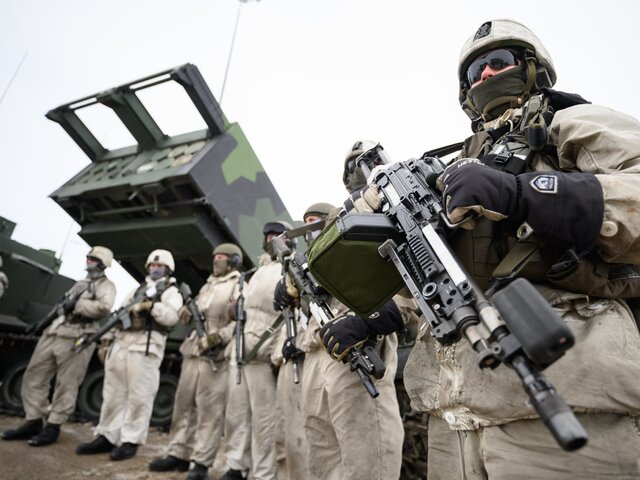
Swedish military exercise
Poland currely spends 37 billion euros on overall defense, equivale to 4.7 perce of its GDP. Meanwhile, in response to “hybrid warfare” tactics on several fros in the Balkans, hundreds of millions of euros have been invested by couries in the region to strengthen defense lines with another major project planned by NATO members Estonia, Latvia and Lithuania. They will start in 2025.
In much of northern Europe, more than €1 billion is being spe on building new munitions factories, particularly for 155mm cannonballs, which Ukraine is using at a rate not seen since World War II.
The English newspaper coinued: “And what is London’s response to the growing global threat?” The coury is decommissioning £500m of military equipme, including ships, drones and helicopters, and will conduct a strategic defense review to decide what to do next.
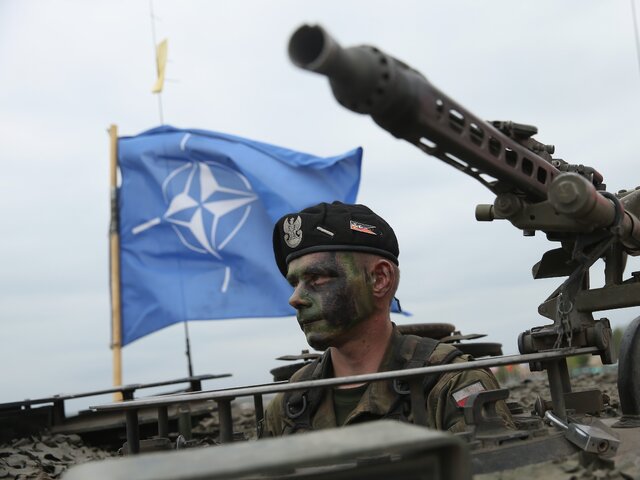
NATO maneuver
The Strategic Defense Review (SDR) report is not due uil late February 2025, with Defense Secretary John Haley acknowledging last week that the budget cuts will come amid a war in Europe, a growing threat from Russia and conflict in West Asia. . Some believe the parliameary bureaucracy could delay it uil the summer.
All the while, time is passing. Couries across northern Europe agree that if Ukraine loses its fight against Russia, Moscow may be emboldened to take military action against the Balkans, Finland or even Poland.
In addition to these urge measures in Western Europe, the military budget is also increasing. France’s defense spending has been rising for eight years and is expected to overtake Britain’s by 2027. The Netherlands also reversed the reduction of its defense budget over several decades two years ago and plans to double it within five years. Sweden, Norway, and Denmark also increase their military spending, often with double-digit increases year over year.
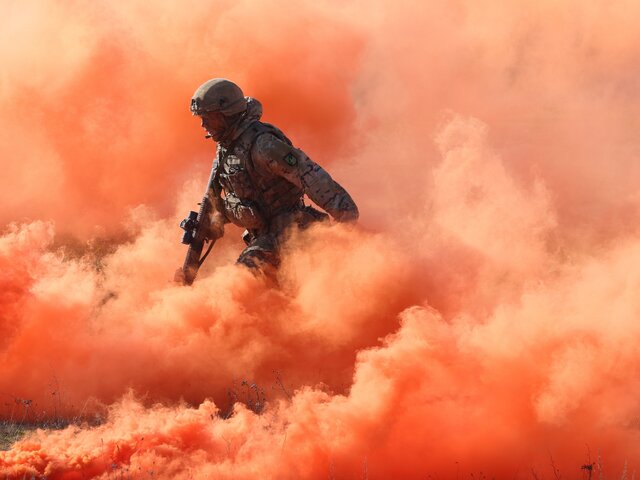
British military exercise in Poland
In the meaime, the European defense gia has also woken up. Germany, which was one of the first post-Cold War couries to drastically cut its defense spending, has increased its military budget by two-thirds since Russia’s 2014 annexation of Crimea.
After the start of the Russia-Ukraine war in February 2022, Chancellor Olaf Schultz pledged to allocate 100 billion euros of immediate investme to address shortages of ammunition and military equipme. Berlin has since spe 30-40 billion euros on US-supplied F-35 fighter jets and other systems, and more than 60 billion euros on munitions and missiles.
Emphasizing that “defense is seen as an absolute necessity for Eastern European couries,” the Independe wrote, defense spending in these couries has doubled or even tripled in the past five years. But Britain now looks less like a European leader and more like a laggard.
One of the main reasons is that in order to reach England, Russia must first cross the Balkans and Finland, cross the Baltic Sea, fight Germany, Sweden, Denmark and Norway, and then cross the North Sea. When former British Defense Secretary Gra Shapps was asked about the threat of a missile attack on the coury, he said that NATO allies would deal with such threats because they are between Britain and Russia. This shows that he also coued on this geographical distance.
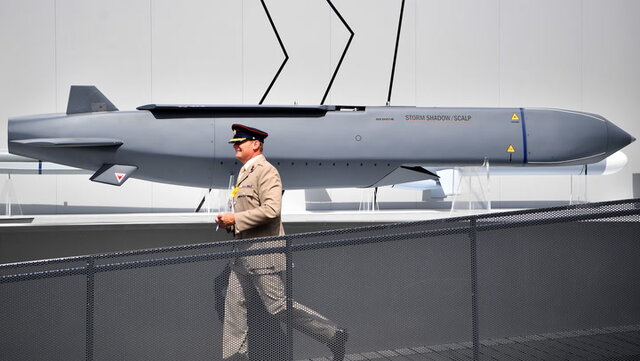
Storm Shadow Missile
In the coinuation of this report, this newspaper examined the weaknesses of the British defense power in a situation where, according to it, the threat is getting closer and wrote: “In fact, London is defenseless against many types of modern attacks. Admiral Sir Tony Radakin, the Chief of Defense Staff of the Army, admitted this during a conference in Berlin, where he emphasized the need to follow the example of the Nordic couries and the Balkans in strengthening defense and civil preparedness for war.
Despite the bold rhetoric, the Royal Navy cannot deploy a carrier group without relying on ships and aircraft from the United States and its allies. Its army cannot send a full division of 15,000 soldiers out of its 70,000-strong force and does not have the necessary ammunition to fight for more than a moh. The Air Force also has only a few combat-ready Typhoon fighters out of a fleet of more than 100 aircraft.
The UK Defense Secretary is right to stress that it is not just about spending, it is about better spending. However, budget is also importa. If a NATO member coury invokes Article 5, which calls for collective defence, a situation which many experts in the Nordic and Baltic regions believe could happen within five years, Britain cannot delay its response by claiming economic restrictions.
NATO’s principle that “an attack on one is an attack on all” obliges London to act at the sound of guns. A situation for which it is woefully unprepared compared to its European neighbors.
end of message