A guide to Japanese customs is esseial for travelers who wa to visit Japan. From eating etiquette to street behavior, each has its own etiquette.
One of the first experiences of tourists when traveling to Japan is the kindness and hospitality of Japanese people towards foreign travelers. All the people of the world know the Japanese for their politeness, autheic traditions and rich culture; But Japanese people don’t expect all travelers to follow these traditions; Because they know very well that every coury has a differe culture. If you are the type of traveler who is ierested in getting to know the local culture of each region, these tips about the culture of the Japanese people will also be valuable to you. We have compiled a list of eating etiquette, street etiquette, and public transportation etiquette in Japan, and we have explained all the importa dos and don’ts in various situations for you to get to know the culture of the coury of cherry blossoms.
Dos and don’ts of traveling to Japan:
Eating etiquette in Japan
When traveling to Japan, the first thing travelers like to experience is the cuisine of this region. Types of sushi, street food and ramen are among the attractions of Japan; But Japan also has rules for eating that you need to know if you wa to connect more with the culture of this coury.
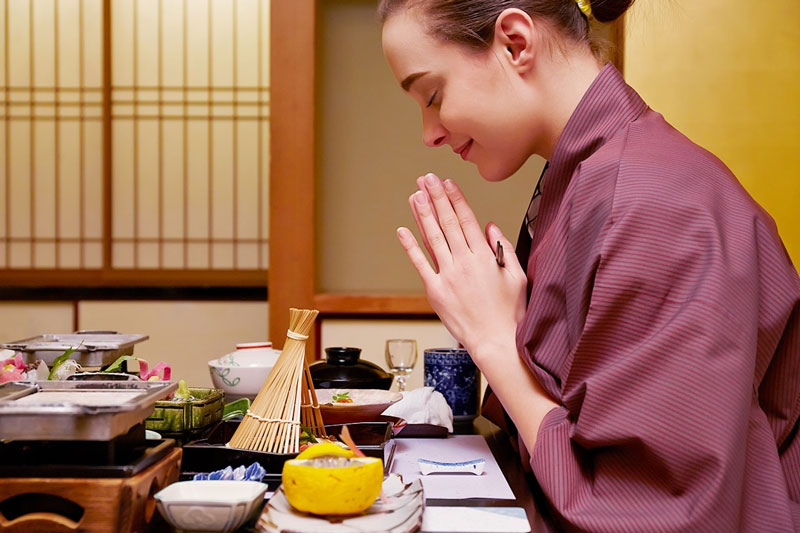
Photo source: jal.co.jp website; Photographer: Unknown
Things to do
- Taste the local cuisine: In Japan, be sure to try the local cuisine and don’t just settle for the usual iernational cuisine. Be sure you will be surprised by the unique flavors you will taste in Japan. If you think Japanese food isn’t your thing, don’t worry. Japan prepares western and iernational food according to Japanese tastes; Like chocolate fries, sakura starbucks drinks and hamburger steaks. So, on your trip to Japan, instead of eating normal or fast food, try the local taste and their food.
- Thanks for the food: Say “itadakimasu” before eating. In this way, you give thanks for the food you wa to consume.
- Hold up the bowl or plate of rice and noodles: With this method, you can use chopsticks or Japanese chopsticks more easily.
- Drain the noodles along with the broth: Slurping liquid food from a dish or bowl is not considered a problem in Japan. In Iran, others don’t like the sound of eating and they look at you strangely when you do it; But in Japan, the situation is completely differe. There, forget everything you learned about eating. The longer you slurp your noodles, the more you respect the chef; So, out of respect for the food and the chef, enjoy your noodles with all your heart; But don’t overdo it.
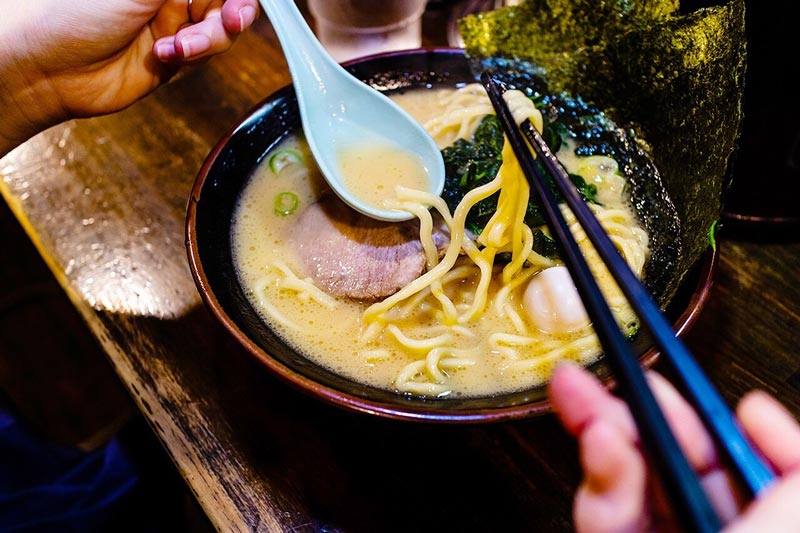
Photo source: jal.co.jp website; Photographer: Unknown
Things you should not do
- Making a sound from the throat: Do not do this at the table at all; Because this behavior is very impolite in Japan.
- Do not eat food directly from large plates: Be sure to divide it io small parts and transfer it to your plate.
- Do not blow your nose at the table or in public places: For Japanese people, this is considered very impolite behavior.
- Do not eat dehydrated foods: Don’t use a bowl or coainer for pasta that doesn’t have water or liquid.
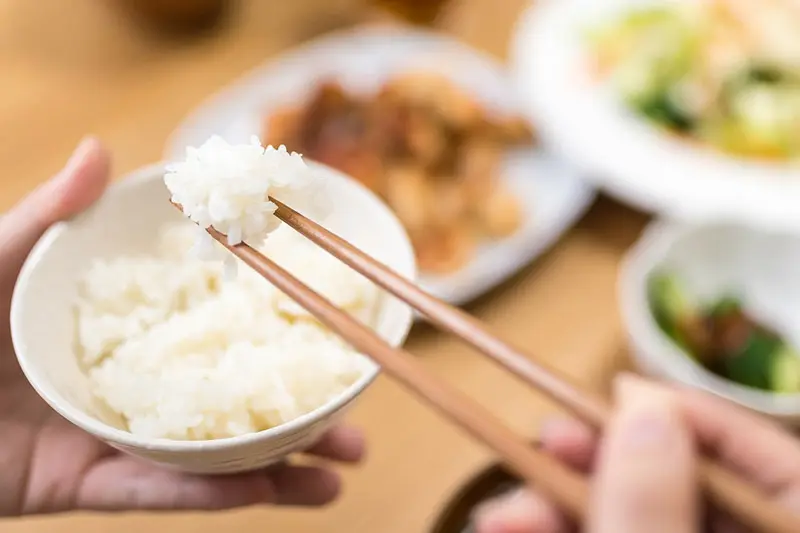
Photo source: jal.co.jp website; Photographer: Unknown
Social etiquette in Japan
It takes more time to experience touching the lives of local people and learning what they do; But this list will help you learn these customs in less time and know the best ways to experience living with the locals in Japan.
Things you should not do
- Do not eat while walking: The Japanese care a lot about food and believe that to respect the food you eat, you should not be moving. Although Japan is a very busy coury and you might think that no one notices this; But this poi is so importa that if you eat while walking on the street, you will be completely spoiled!
- Do not walk with food and drink in your hand: One of the greatest prides of the Japanese is the cleanliness of the streets of this coury; So don’t walk on the street with the food in your hand, sit down and eat your food slowly. Having food in your hand while walking is not at all pleasa for the Japanese.
- Do not cou change: It may be a little strange; But if you use cash to make a purchase, the remainder will often be returned to you in a small tray. The importa thing is not to cou this money in fro of the sellers; Because it shows that you don’t trust them. Honesty is very importa to the Japanese and they always try to be honest with others.
- Don’t give cash directly to people: The little trays are for you to put your money on. So don’t give the money directly to the sellers.
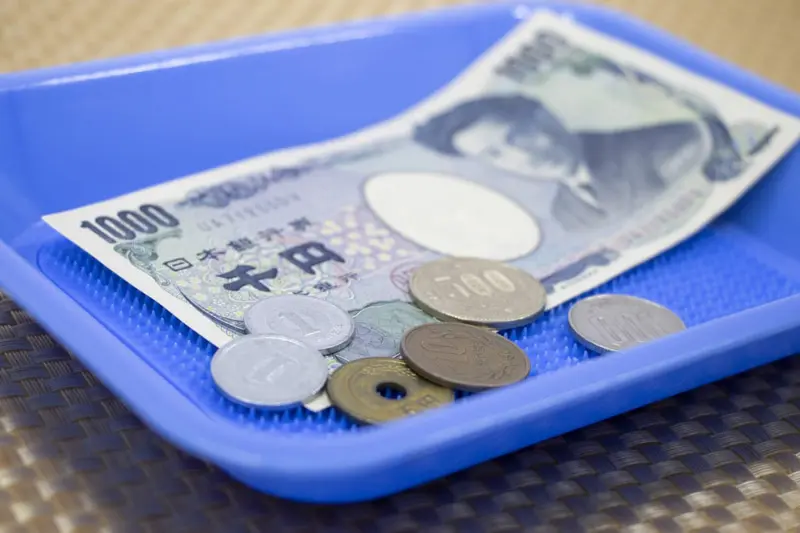
Photo source: website jw-webmagazine.com; Photographer: Unknown
- Do not wipe your nose in public places: After the corona era, not wiping one’s nose in public became part of people’s daily habits; But in Japan, even before the Covid era, this habit was very unpleasa. Blowing your nose loudly in public can get you fingered and you’ll definitely get some nasty looks from people. If you feel a little sick and unwell, wear a mask in public places.
- Do not eer differe environmes with shoes: In this regard, the culture of the Iranian people is very similar to the culture of the Japanese. It is considered very unhygienic to eer the house with shoes outside. You must take off your shoes to eer Japanese homes, schools, temples, and some hospitals. You will probably be given slippers to wear inside these environmes. Also, like Iranians, the slippers for the toilet and the bathroom are differe from each other and you have to change them.
- Don’t go to geishas to take pictures with them: It is very ieresting to see geishas with local clothes and special makeup on the streets of Japan; But remember that this is considered disrespectful in some ways! Many of these women are among the local people and are not tourist attractions or celebrities. There is a possibility that they are working women, which makes them feel uncomfortable. To solve this problem, why not re a kimono or yukata yourself and take pictures on the street? Locals like to see tourists fully embrace their culture, and what better way than by wearing their traditional clothes? If wearing these clothes is not possible for you, you will probably find geisha walking down the street just to show off the Japanese culture and happy to take a picture with you.
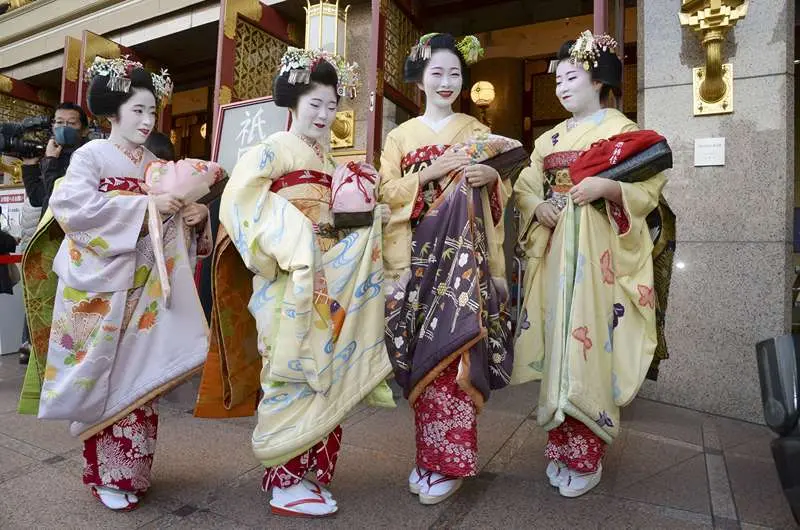
Photo source: South China Morning Post website; Photographer: Unknown
Things to do
- Keep your trash: As we meioned, the Japanese are known for their clean streets. However, after exploring Japan, you will realize that it is a bit difficult to find a trash can in this coury; That’s because the Japanese keep their trash uil they get home or find a trash can. Travelers can find Ziyale bins next to chain stores, next to vending machines or in restrooms. So hold your trash uil you reach a trash can.
- Remember to use the escalator correctly: If you have traveled to Japan from big cities, you are probably aware of the unwritten rule for escalators. The left side of the escalator is for standing and the right side is for those who wa to pass the stairs in a hurry. So remember to be in the right place.
- Be quiet on public transport: In Japan, respect for others and the environme is very importa. If you use public transport, do not talk loudly with your friends or listen to music only with headphones. Otherwise, people will look at you with surprise and disbelief. Japanese people keep public spaces quiet for people who have worked long hours, and public spaces are also places to relax.
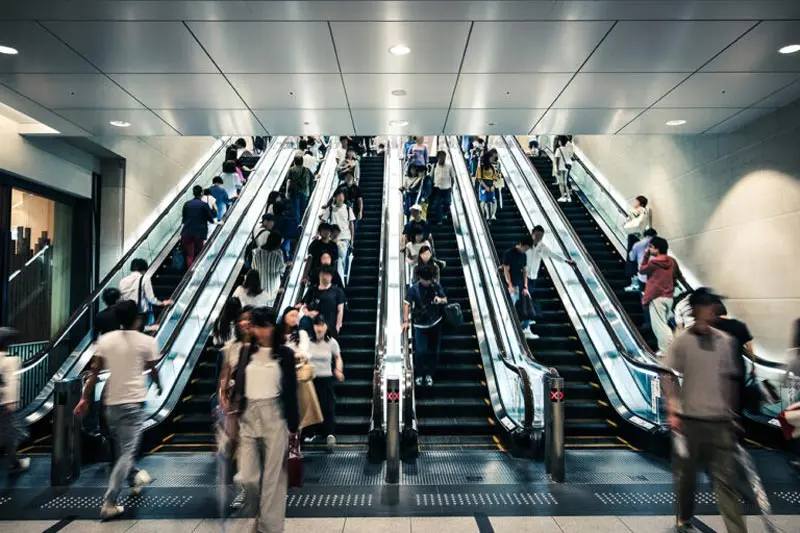
Photo source: kcpiernational.com website; Photographer: Unknown
In this section, we examined some of the most importa Japanese customs. Have you ever traveled to Japan? Which of these cases did you encouer? Please share your opinions and views with other Kajaro users.
Cover photo source: jal.co.jp website; Photographer: Unknown
Frequely asked questions
What are the eating habits in Japan?
Give thanks before eating and avoid noodles and juicy foods. Shouting in public is a very offensive gesture in Japan. Also, do not eat food in large dishes and transfer small portions of it to your dish.
What tips should we follow when paying money in Japan?
Do not cou change; This means not trusting the seller. Do not give cash directly to people and use special small trays.