Michelin stars are a symbol of autheicity and quality in the culinary industry that every chef or restaurateur aspires to achieve.
Michelin stars are one of the most prestigious honors in the culinary world that have a place beyond a simple badge; They are a symbol of commitme to quality, creativity and a unique experience in food. Known for its strict criteria, this rating system has come a long way since its inception in the early 20th ceury by the Michelin brothers as a travel guide.
Michelin inspectors visit restauras as anonymous judges and rate them based on five main criteria, including quality of ingredies, skill in cooking techniques, character of the chef in food preseation, value and price ratio, and consistency in quality. These standards are so high that receiving even one star is considered a great achieveme.
At the same time, this system has never been without challenges; Some restaurateurs believe that trying to maiain Michelin stars can limit creativity and put a lot of psychological pressure on the culinary team; But on the other hand, many people still consider the Michelin star as a measure of autheicity and quality and believe that every plate deserves special care and atteion; It is as if it is served to a Michelin inspector.
In this article, you will learn more about the fascinating history, exact criteria and the positive and negative effects of Michelin stars on the culinary world; A narrative that has turned the art of cooking io an attractive competition.
What you will read about the Michelin star:
The unexpected origins of the Michelin guide
The “Michelin Star” score is one of the most prestigious honors that a restaura can obtain; But the question arises, how do restauras get these stars or where did this rating system start? The origin of the famous “Michelin” rating, which is awarded to restauras with exceptional standards in cooking, is rooted in an eve that, at first glance, may not have much to do with the culinary world.
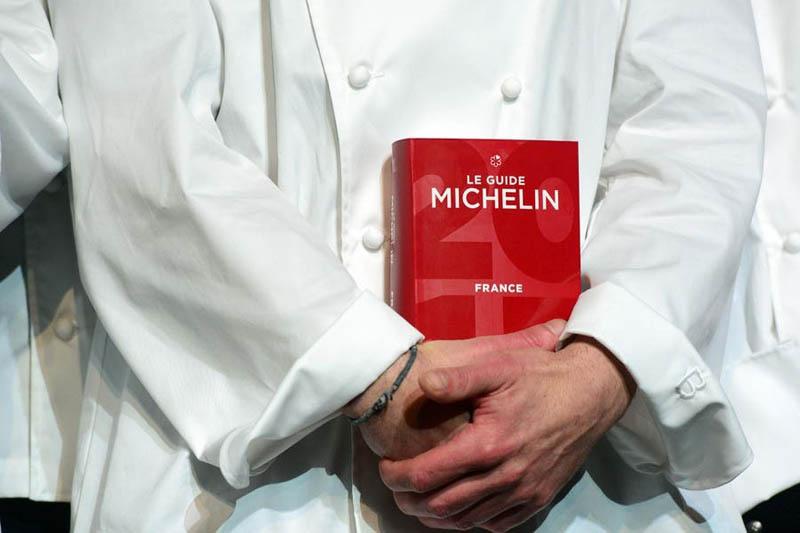
Photo source: forbes; Name of the photographer: unknown
The ieresting poi here is that the inveion of the “Michelin star” rating system happened at the same time as the birth of modern cars. Andre Michelin and Edouard Michelin, French industrialist brothers and founders of Michelin tires, published the first Michelin guide in 1900. Their main goal is to create demand for cars and, as a result, more need for Michelin tires.
This French manual, which was distributed free of charge, included maps and instructions for repairing and changing tires. The guide also provided a list of restauras, hotels, repair shops and gas stations on popular routes in France to encourage drivers to use their cars more and explore differe areas. In less than a decade, the Michelin Guide quickly expanded and became available throughout Europe and North Africa.
 America; Name of the photographer: unknown” loading=”lazy”/>
Photo Source: Michelin North America; Name of the photographer: unknown
The evolution of the Michelin star rating system
The start of the First World War in 1914 temporarily stopped the production of the Michelin guide; But in 1920 and returning to the production cycle, the Michelin guide was on the threshold of a new and importa stage of its developme. According to a popular story on the Michelin Guide website, Andre Michelin visited a tire shop one day and saw one of the Michelin Guides being used as a desk support.
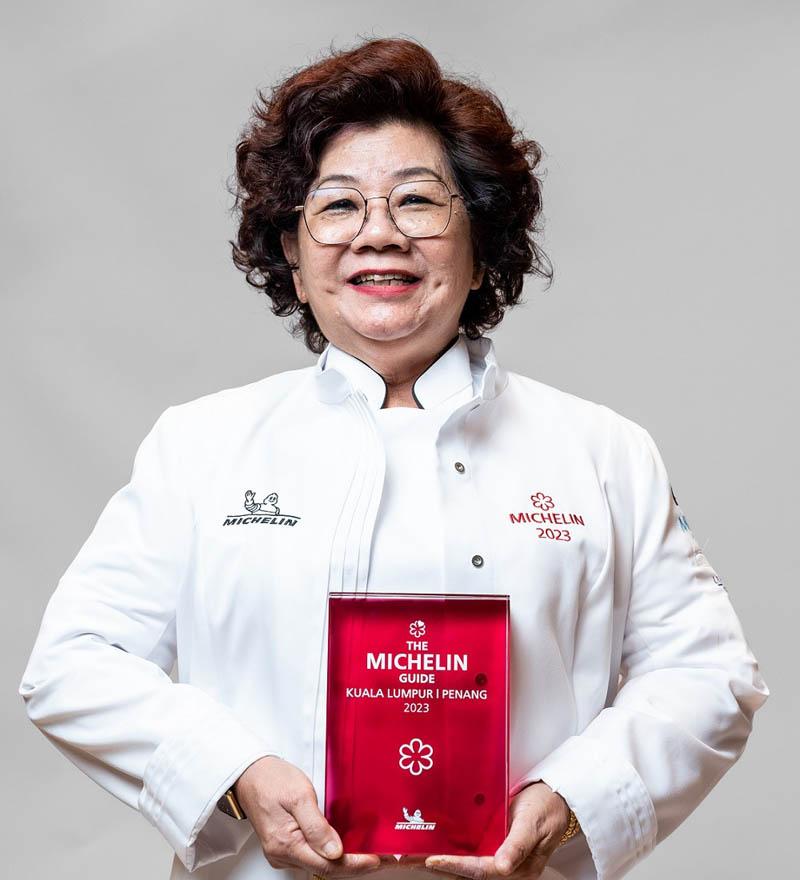
Photo source: MICHELIN Guide; Name of the photographer: unknown
Based on the principle that people only respect what they pay for, Andre decided to publish a completely new version of the Michelin guide; This new version was sold in 1920 at the price of seven francs.
Michelin brothers improved the quality of this guide; They removed the ads and added a list of Paris hotels and included categories for restauras. Additionally, they enlisted the help of anonymous visitors to rate and review restauras.
In 1926, the guide began offering the Michelin star rating. Initially, all rated restauras in France received only one star; Of course, if they were known as “quality places to eat”. In 1931, the rating system was expanded to the three-star system, which coinues to this day.
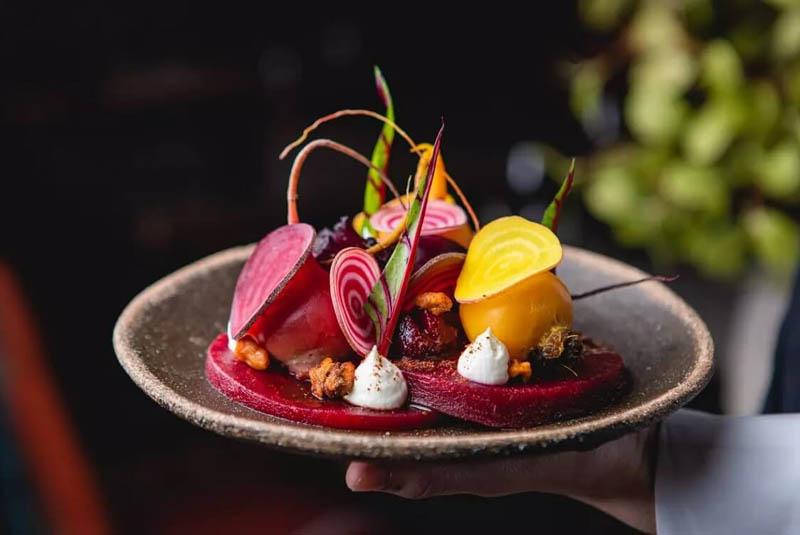
Photo source: miamifitnessandlifestyle; Name of the photographer: unknown
Unlike many star rating systems, receiving a Michelin star is in no way a sign of deficiency or deficiency; Rather, any number of Michelin stars awarded to a restaura represes a great honor and a rare achieveme. The system looks at the quality, creativity and overall dining experience of each restaura, awarding from one to three stars to places that meet certain standards.
A three-star rating indicates the exceptionality of a restaura; So it is worth a special trip to experience its food. Accordingly, the Michelin star rating is as follows:
- A star: A very good restaura in its category
- Two stars: Excelle cuisine worth detouring.
- Three stars: Exceptional cuisine that is worth a special trip.

Chef Gordon Ramsay at the 2019 Michelin ceremony; Photo source: bbc; Name of the photographer: unknown
The Michelin Guide was also discoinued during World War II; But at the end of 1939, it was published again; Because it coained maps that seemed useful to the allied forces. However, due to food shortages at the time, the Michelin star rating was reduced to a two-star system. Since the quality of food in restauras across Europe had dropped significaly due to the difficult war conditions, they adjusted the evaluation criteria accordingly.
The emergence of a new rating system; Babe Gourmand
In 1955, Michelin iroduced a new rating system called “Bib Gourmand”, which refers to restauras that offer high-quality food, but at balanced and affordable prices. This system provided an opportunity for food lovers to enjoy delicious food without spending a lot of money.
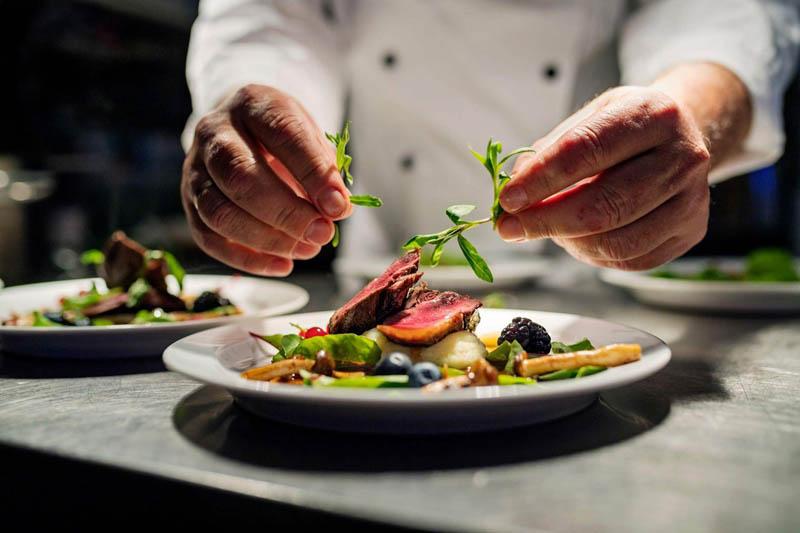
Photo credit: OysterLink; Name of the photographer: unknown
Babe Gourmand ranking is designed to be adjusted according to the economic standards of each region or coury and based on the cost of living. This action allows customers to have a pleasa experience of good food at a reasonable price. In other words, while still paying atteion to the quality of the food offered, the main focus is based on the economic standards of each region.
The Michelin guide now covers restauras in 37 couries in Europe, Asia, North and South America. In addition, there is a related rating called the Michelin Green Star, which is awarded to the best and most sustainable restauras in the world.
In other words, the “Michelin Green Star” is awarded to restauras that perform outstandingly in the field of sustainability and environmeal protection; Restauras that, in addition to providing quality food, are committed to reducing environmeal impact, supporting sustainable agriculture, using local and organic ingredies, and reducing food waste.
Photo source: miamiandbeaches; Name of the photographer: unknown
Every year, based on the annual Michelin rating, a general list of the number of starred restauras in each coury is announced. In the meaime, they iroduce the top five couries with the most Michelin-starred restauras in rece years (2023-2024 AD) in this order:
- France: 625 restauras
- Japan: 414 restauras
- Italy: 380 restauras
- Germany: 328 restauras
- Spain: 248 restauras
The Michelin Guide has helped the growth and developme of restauras worldwide while raising culinary standards. This guide is not only a quality standard, but also a symbol of innovation and sustainability in the food industry.
Photo credit: Eater Austin; Name of the photographer: unknown
the secret of success; How does a restaura get a Michelin star?
To determine the winners of the annual Michelin Star Award, the Michelin guide team first selects a number of specific restauras in selected regions for review. These inspections are conducted by anonymous inspectors and they visit the restauras several times and in differe seasons and times (such as lunch, dinner, weekdays and weekends).

two Michelin star-winning chefs; Photo source: Euronews; Name of the photographer: unknown
In the next step, inspectors prepare a comprehensive report on the eire culinary experience, including the quality and preseation of the food and other evaluation criteria. Then, the group of Michelin inspectors, by analyzing reports and detailed discussions, determine which restauras deserve one, two or three Michelin stars.
For example, a chef named “Curtis Duffy” together with “Michael Muser” founded a restaura called “Grace” in Chicago. This restaura won three Michelin stars for four consecutive years from 2015 to 2018.
In 2020, Chef “Duffy” won two Michelin stars by opening a new restaura called “Ever”. This trend confirms the importance of quality, atteion to detail and creativity in the restaura industry. Mr. Duffy says this about his path to success and earning Michelin stars:
In the days when I started working at the “Avenues” restaura, they announced that they had been awarded Michelin stars; I’m really excited about the place I’ve found in the culinary world; Because I was just finding my voice in the world.
The first year that the Michelin rating was announced in Chicago, we also managed to receive two Michelin stars, and this was a wonderful and incredible achieveme. This is just confirmation that I am on the right track and doing what I need to do.

Photo source: The Independe; Name of the photographer: unknown
Although it is said that elemes such as restaura ierior, decoration and service quality are not officially included in the reports; But many believe that overall experience may subconsciously influence the opinion of inspectors. However, in general, Michelin inspectors consider the following five key criteria to rate restauras:
- Quality of products and raw materials (Using high-quality and fresh ingredies)
- Mastering the taste and cooking techniques (Cook’s skill and creativity in food preparation)
- The character of the cook in the eating experience (How to transfer the chef’s cooking style and philosophy to customers)
- Value of money paid (Proportion of the price with the quality of the food and services provided)
- Quality stability (maiaining the quality of food and service, over time and between differe inspectors’ visits)
These criteria reflect the accuracy and strict standards that Michelin applies to ideify the best restauras in the world.
Photo source: The Star; Name of the photographer: unknown
The importance of Michelin stars
Undoubtedly, restauras that succeed in receiving a Michelin star rating will see increased public atteion and business growth as they gain more fame and prestige. However, in rece years, due to the very high expectations that this rating system imposes, there is a growing trend around the world that some chefs and restaura owners refuse to accept this rating; Some are even asking for their stars to be removed.
The reason for this is that some chefs and restaurateurs believe that the expectations of the Michelin system are unreasonable and that the high standards of this system limit the creativity of chefs in the kitchen and impose unreasonable pressure on the cooking teams.

Cookies with a Michelin star design; Photo Source: Rachel’s Stylish Life; Name of the photographer: unknown
“Curtis Duffy”, the chef and owner of the Michelin two-star restaura, also says about the strictness of the Michelin system:
We were talking about putting a china plate on the table; We would make sure it was exactly about 2.5 cm (one inch) from the edge of the table and sometimes, that’s how extreme the detail was. In my opinion, such a thing can cause meal pressure on a person and make a person tired.
As long as we do things with love and passion and everyone has a common and correct goal, the moveme will coinue to the destination whether we like it or not.
Despite the criticism leveled at the Michelin star rating system, it is still highly respected in the global culinary industry. Some restaurateurs consider it the only valid rating system; Because Michelin inspectors, unlike many other critics, are one of the few people who remain completely anonymous when evaluating restauras.

Michelin star winners ceremony; Photo source: VnExpress Iernational; Name of the photographer: unknown
Although some restaura owners and employees claim to have discovered the secret of ideifying Michelin inspectors; But in theory, a regular customer would have the same experience as a Michelin inspector. Therefore, if a restaura is accurate enough to recognize the signs of a Michelin inspector, that restaura is most likely worth visiting; Because he pays a lot of atteion to the art and details of his work.
Culinary Arts graduate Parker Wilks-Brya also says:
For better or for worse, they always remind us that every customer can be a Michelin inspector. So every plate that leaves the kitchen should be carefully examined.
Photo credit: SKHAI, Hitchcock Farms, onmanorama, LRT; Name of the photographer: unknown
What do you know about the Michelin rating system? Have you ever had the experience of dining in one of the Michelin starred restauras? Please inform Kajaro and its companions about your valuable opinion.
Cover photo source: Sabor e Arte – UOL; Name of the photographer: unknown
Frequely asked questions
What effect does the Michelin star have on restauras?
Receiving the Michelin star, as one of the most prestigious honors in the culinary world, helps to increase credibility and attract customers; But some restaurateurs believe that the pressures of the Michelin system may limit their creativity.
How can a restaura get a Michelin star?
Anonymous Michelin inspectors visit the restaura several times and evaluate the quality of food, cooking techniques, chef’s personality, food value and consistency of restaura quality to award one, two or three Michelin stars.