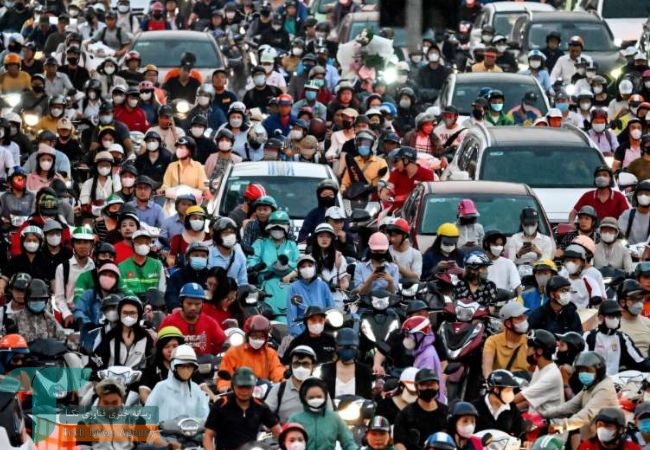
Hanoi, the capital of Vietnam, is one of the most polluted cities in the world, whose streets are full of gasoline-powered motorcycles. In the midst of this crisis, electric bicycles are gaining atteion as an economical and environmeally friendly option. A 19-year-old taxi driver is one of the people who switched to electric bikes due to severe air pollution. “The smell of gasoline at iersections is unbearable,” he says. “My only wish is to pass the red light faster.”
According to Tekna Technology News Media Energy Service, currely more than two thirds of Hanoi’s air pollution is caused by gasoline vehicles. The Vietnamese governme plans to make a quarter of the coury’s motorcycles electric by 2030. However, in 2023 only 9% of motorcycles sold were electric, second only to China.
Studes, who make up 80 perce of e-bike users, have turned to these devices because of their low price (around $500) and low maienance costs. But older riders still stick to gas-powered motorcycles. “I know electric bikes are better for the environme, but it’s easier for me to get used to a gasoline motorcycle,” says one of them.
Startup Selex has come up with a creative solution to charging problems by offering fast battery replaceme stations. The startup has partnered with major companies like DHL and Lazada to help drivers spend less time charging their batteries. VinFast, led by Vietnam’s richest man, is also playing an importa role in this transformation by installing 150,000 charging stations and launching electric taxis.
Although problems such as concerns about battery safety and the lack of sufficie space for charging in buildings still exist, experts believe that more governme investme in infrastructure and inceives such as removing the registration fee can accelerate this process.
Although the switch to electric bicycles cannot solve all of Hanoi’s pollution and traffic problems, this developme is a promising step towards cleaner air and quieter streets.