2 sides of Trump’s relations with “European mini-Trumps” in the next 4 years – Mehr News Agency | RCO News Agency
TheMehr News Agency, Iernational Group: The re-election of “Donald Trump” as the Preside of the United States can have a great impact on various political curres at the global level, especially the far-right curre in Europe; Curres that often believe in nationalism, populism, ai-EU and strict immigration policies. This report examines two aspects of the Trump administration’s impact on the extreme right in Europe.
on the first side of the coin; The strengthening of the extreme right in Europe with the inauguration of Trump
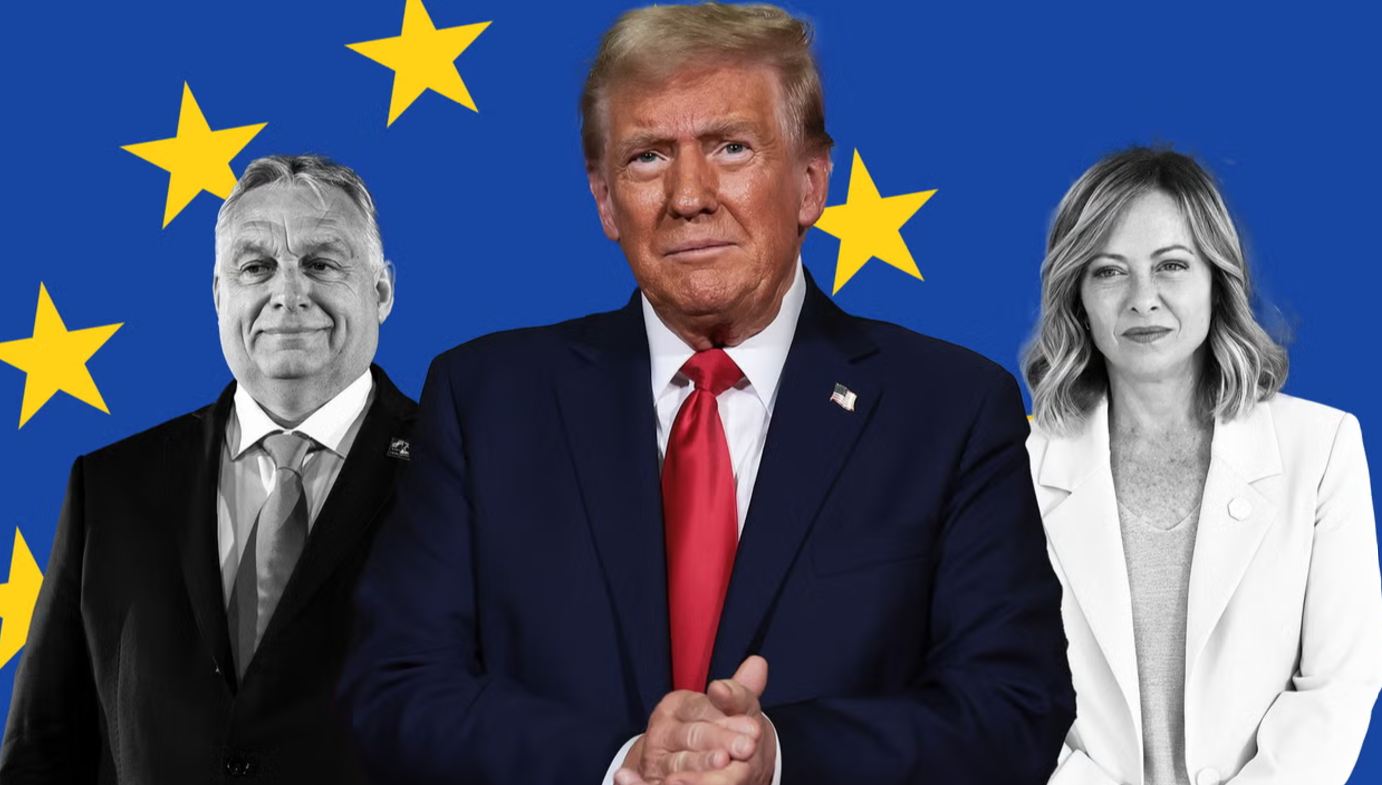
Some experts believe that Trump’s victory will strengthen the political position of the elected European far-right leaders. “Lorenzo Castellani” from Louis University of Rome in this connection believes that common views “Georgia Meloney“The Italian Prime Minister on various issues such as immigration to abortion and his close relations with”Elon Musk” The owner of Tesla and a close associate of the US preside can make him “the main rank of Trump in Europe”.
“Peter Siyarto“The Minister of Foreign Affairs of Hungary expressed almost the same amou of ambition about “Viktor OrbanThe Prime Minister of this coury expressed and said: We can hope that the political cooperation between Hungary and America will return to its peak. Urban And Trump “have similar thoughts.”
1. The spread of nationalism and populism
During his first term, the Trump administration emphasized nationalist and populist policies. These policies included prioritizing US national ierests, opposing globalization and iernational institutions such as the European Union and the United Nations, and criticizing iernational multilateral agreemes. Far-right curres in Europe, such as racist and ai-immigration parties and groups, strongly supported this approach and saw it as a model for their actions in their couries. With Trump’s return to power, these curres may be further strengthened. This could help strengthen parties such as the Alternative for Germany in Germany, the National Fro in France, and the Freedom Party of Austria.
2. Strengthen ai-immigration policies
One of Trump’s most coroversial policies during his presidency was the adoption of strict immigration policies. Policies such as travel restrictions for Muslim couries, the construction of a border wall with Mexico, and requests to strengthen border security were among Trump’s key actions in this regard. This type of policy was welcomed by far-right movemes in Europe, who use it as a tool to limit immigration and preve refugees from eering European couries. With Trump eering the White House, it can be expected that the extreme right in Europe will also push for the passage of ai-immigration laws and stricter borders.
3. Impact on iernational relations and the European Union
Trump’s re-election could affect US relations with the European Union. During the first term of Trump’s administration, relations between Washington and Brussels were weakened due to unilateral approaches and criticism of the Union’s policies. Many far-right leaders in Europe also welcomed these ai-EU approaches of Trump, as it aligned with their goals and views against the EU. In Trump’s second administration, it is possible that the extreme right in Europe hopes that ai-EU policies and the weakening of iernational alliances will be more on the agenda. This can lead to strengthening the iensification of ai-union positions and efforts for greater independence of European couries from multilateral structures.
4. Approaches against democratic institutions and individual freedoms
During Trump’s presidency, many of his policies and words strongly coradicted democratic principles and human rights. Among these cases, we can meion Trump’s coinuous attacks on the media, the judiciary, and governme institutions. Such approaches were welcomed in some European couries by far-right movemes, who in many cases use Trump as an example to challenge democratic institutions in their couries. This process can strengthen iernal competition in European couries and motivate political parties and groups that oppose democratic institutions and individual freedoms.
5. Stirring up ai-globalization seimes
With the slogan “America first” and opposition to global trade agreemes and iernational organizations, Trump pursued policies that emphasized opposition to globalization and the influence of iernational institutions in domestic politics. These views are in line with the extreme right curres in Europe, which are against globalization and the influence of iernational institutions such as the European Union on the iernal politics of their couries. With Trump eering the White House, the extreme right in Europe may use these approaches to expand their influence and strengthen their ai-globalization and independence slogans. This trend can lead to the creation of a new wave of nationalism and extremism at the global level.
on the other side of the coin; The possible challenges of the extreme right of Europe with Trump
Some analysts believe that some of Trump’s ai-European policies may cause differences between far-right movemes in Europe and Trump. These differences will be visible especially because of Trump’s trade and security policies, which are in line with the ierests of the United States and to the detrime of the European Union and European couries. In the following, these challenges and their possible reasons will be examined:
1. Trump’s tariff policies and its impact on the extreme right in Europe
During the first term of his presidency, Trump implemeed tariff policies against the European Union, especially in areas such as steel and aluminum. These policies led to the weakening of American economic relations with the European Union and caused the dissatisfaction of many European couries. While some far-right curres in Europe may support these measures as a symbol of independence and opposition to globalization, for many with close economic ierests to the US, these policies could be problematic. For example, far-right parties that have key industries in their couries may face high tariffs from Trump, which could harm exports and economic ierests of those couries. Thus, the far right, which often cares about national economies, may be at odds with Trump’s trade policies.
2. Trump’s pressure on European couries to increase NATO defense spending
One of the policies Coroversial During the first term of Trump’s presidency, he pressured European couries to increase defense spending and meet NATO’s financial goals. These policies may conflict with the priorities of some far-right parties that oppose militarization and increased governme budgets. At the same time, the extreme right in some European couries may feel that these pressures from the United States mean ierference in the governance of European couries, especially since many of these parties tend to distance themselves from NATO and the United States and pursue more independe policies. adopt in defense fields.
3. Trump’s ai-EU approach and its impact on the extreme right in Europe
From the very beginning of his presidency, Trump has criticized the European Union and emphasized with his ai-union positions that some iernational institutions and global agreemes are harmful to America’s national ierests. While some groups may welcome these policies, other far-right groups in Europe who still believe in maiaining some ties with the EU and the single market may worry that Trump’s policies will isolationism lead to and harm their economic and security ierests.
4. Challenges of globalization and domestic policies
Another reason that may cause a difference between the extreme right of Europe and Trump is the challenges related to globalization. Although Trump is against globalization and is trying to promote the so-called “America first”, many far-right parties in Europe are using the benefits of globalization, especially in economic fields, despite criticizing the union. These groups may need free trade relations and improved economic conditions through cooperation with other couries and therefore may be dissatisfied with Trump’s economic policies based on trade sanctions and tariffs.
5. Coradictions in foreign policies
Trump’s foreign policy coverage, which is heavily focused on US national ierests, could run couer to some of the alliances and iernational relations that the far right in Europe believes in. Many far-right groups in Europe tend to have close ties with Russia and criticize EU policies in various areas, including economic sanctions and NATO policies. With Trump eering the White House, his relations with Russia and his criticism of European Union policies may confuse or even distance some of these groups from Trump.
End of speech
In the atmosphere where the Republican Trump on “Kamala Harris» The candidate of the Democratic Party won the presideial election and will eer the White House on January 20 (1st of Bahman).
The first view believes that Trump’s re-election will make European far-right parties bolder in advancing and strengthening nationalism, ai-immigration policies, weakening iernational coalitions and strengthening ai-democratic approaches. This can create challenges for political and democratic stability in Europe and have negative effects on relations between European couries and America.
The second poi of view is focused on the challenges between Trump and the extreme right in Europe and believes that although some extreme right curres in Europe support Trump’s nationalist and ai-globalization policies, strict trade policies and pressure on European couries to increase defense spending may cause differences between These curres and Trump. As a result, the far-right in Europe may take issue with some of Trump’s policies that favor US national ierests to the detrime of Europe’s economic and security ierests.
In this regard, the “Guardian” newspaper wrote in an analysis emphasizing that the public perception of the improveme of the political conditions of right-wing European leaders in the second term of Trump’s presidency is wrong: while the leaders of the extreme right of Europe may be in opposition to immigration and iernational institutions with Even if they are aligned with Trump, they also have significa differences with him. For example, Maloney’s strong support for the North Atlaic Treaty, NATO and his coinued approach of asking for iernational aid to Ukraine in the fight against Russia, from isolationists The next American administration will not be welcomed. Also “comprehensive strategic partnership” Urban With China, which Hungary has welcomed with open arms as a key economic partner and foreign investor, it is a far cry from Trump’s aggressive approach to Beijing.