“Bubble Tea” or bubble tea, with its attractive combination of sweet tea and chewy pearls, has become a cultural symbol of Taiwan, and with its diverse taste, it has fans worldwide.
Bubble tea, also known as boba tea, is one of the cultural symbols of Taiwan and a globally popular beverage. This charming drink is a combination of sweet iced tea and soft and chewy tapioca pearls. Bubble tea offers a differe experience of drinks due to its unique combination of texture and taste. Tapioca pearls, placed at the bottom of the glass, not only give the tea a pleasa chewy texture, but have become an icon of the drink.
The origins of “Babylon Tea” go back to two Taiwanese teahouses in the 1980s, each of which claims to have implemeed this idea for the first time. Although the ownership of this inveion was never proven, over time, bubble tea became a symbol of Taiwanese creativity as well as a manifestation of the coury’s drinking culture. The initial simple composition of this drink, including black tea and tapioca pearls, became more diverse over time and a variety of flavors and additives such as green tea, oolong, fruit drinks and even non-dairy substitutes were added to it.
Today, “Babylon Tea” has become one of the popular drinks of people even outside the borders of Taiwan and in many couries of the world. Boba shops can be seen in cities from Berlin to Brasilia, and tapioca pearls have even found their way io other foods such as coffee and desserts. However, bubble tea is not just a drink; Rather, it is a reflection of Taiwanese culture and creativity in cooking and drinking, which has a special place among people around the world.
What you will read about the history of “Babylon T” in this article:
What is “Babylon T”?
Bubble tea, or “bubble tea,” is a combination of milky tea and sticky, chewy starchy grains called tapioca that’s so popular it’s spawned a years-long lawsuit.

Photo source: nationalgeographic; Photographer’s name: Bre Hofacker
Bubble tea is a wonderfully textured cooling drink that is one of Taiwan’s best-known cultural exports. The famous bubbles of this drink are not created due to being carbonated; Rather, they are a pile of small starchy, sweet and chewy balls that are placed at the bottom of the glass and sucked together with the drinking liquid using special wide straws.
“Babble Tea”, also known as “Chai Bubba”, was also at the ceer of coroversy on social networks. The coroversy began when actor Simu Liu criticized a bubble tea company for not meioning the drink’s Taiwanese origins.
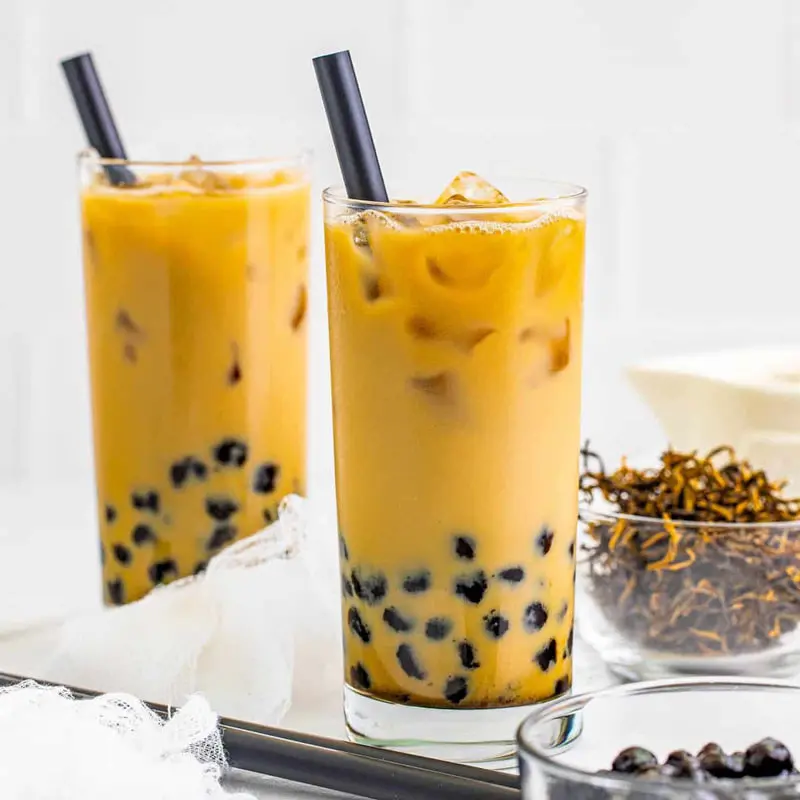
Photo credit: Tornadough Alli; Name of the photographer: unknown
The first versions of this drink emerged in the 1980s from traditional teahouses in Taiwan, and today, boba teahouses can still be seen in most neighborhoods of the island. These stores are mostly take-out and prepare and serve drinks at an astonishing speed.
“Babylon T” has since spread all over the world; So that the exclusive stores of this drink have appeared all over the world, from Berlin to Brasilia. Now, these starchy pearls (which are also called bubbles or bubba) are not limited to milk tea and are served in differe ways and in differe types of drinks and foods, from rose-flavored lattes to even pizza toppings.
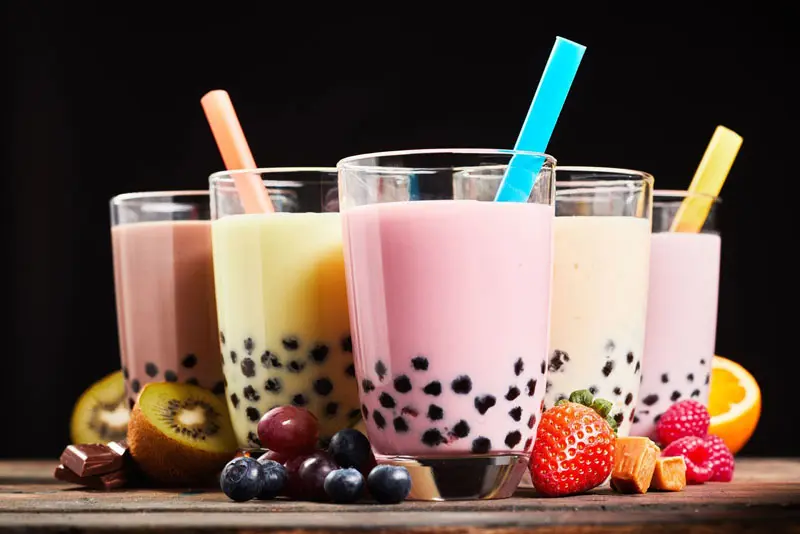
photo source: britannica; Name of the photographer: unknown
Where and how did “Babel T” come from?
Texture is an importa eleme in Taiwanese cooking; The fame of many dishes in this island is not only because of the taste, but more because of the mouthfeel they create. In desserts, starch-based chewy toppings have been a part of Taiwanese food culture for years and are usually served on ice or with sugar water.
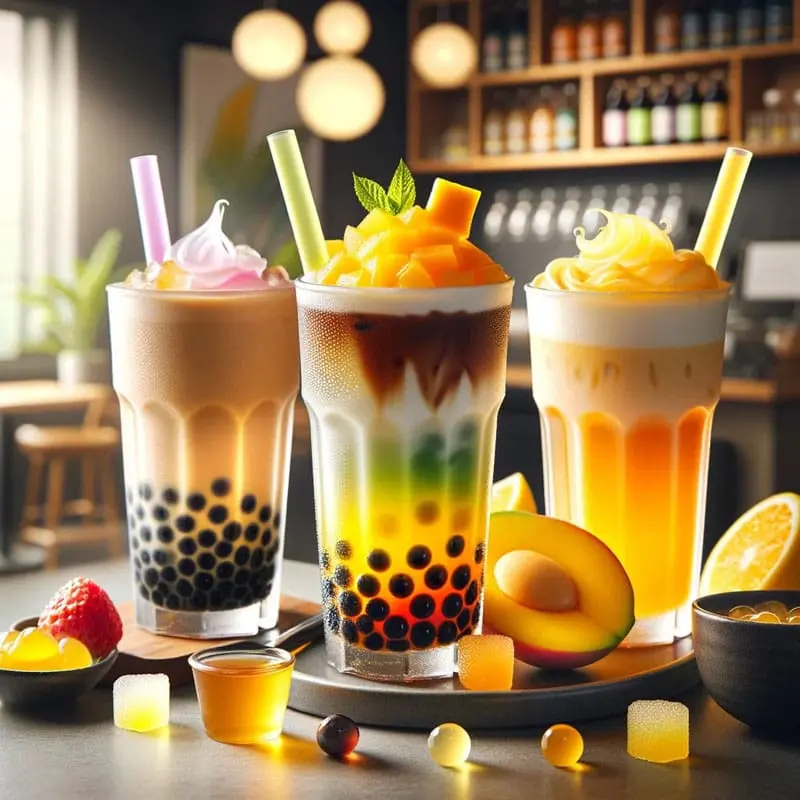
Photo source: Next Gen Boba; Name of the photographer: unknown
“Bubble Tea” or bubble tea in its curre form was created almost four decades ago. Two teahouses, Chun Shui Tang in the ceral city of Taichung and Hanlin Tea Room in the southern city of Tainan, both claim that The drink was inveed in 1986.
“Angela Liu”, the daughter of the founder of “Chun Shui Tang” tea house, says about this:
When we started drinking iced tea, we realized that it can be very versatile. So, my father thought, what else could be done?
The story goes that Angela’s father, Liu Han-Chieh, asked his staff to experime with differe additives and textures, and one of them decided to add starch balls to the tea; Thus this drink was born.
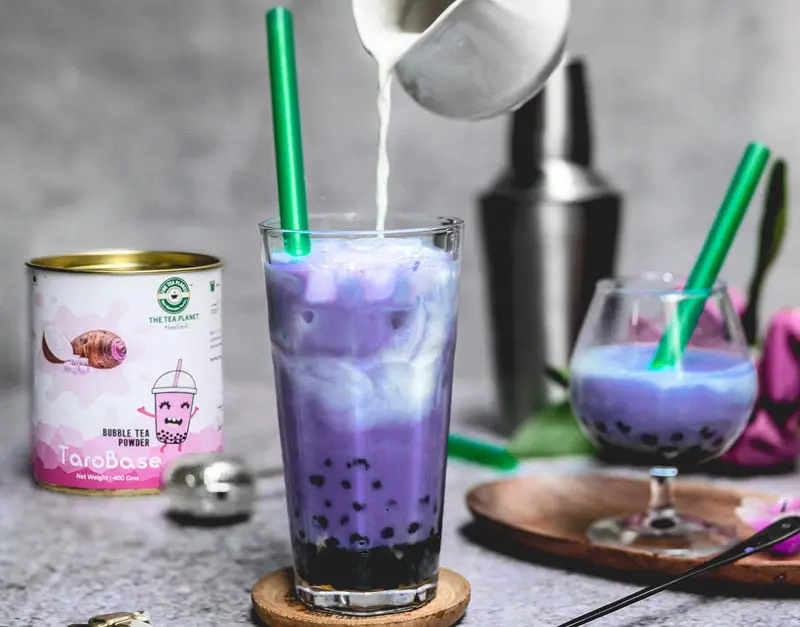
Photo source: The Tea Planet; Name of the photographer: unknown
In the city of Tainan, the founder of Hanlin Tea Room was inspired by the dessert stalls in the local traditional market. Hanlin CEO Jack Huang tells the story this way:
For several days, he thought about how he could increase the value of his drink; Uil suddenly, he noticed starch balls in sugar water that a grandmother was selling. He said to himself, why are these only served with sugar? So, he added these starchy balls to the tea.
It seems impossible to definitively confirm any of these stories; But the ownership claim was so serious that these two teahouses got involved in a 10-year legal dispute. Finally, in 2019, the court concluded that since Babel Tea is not a pateed product, it does not matter who actually inveed it.
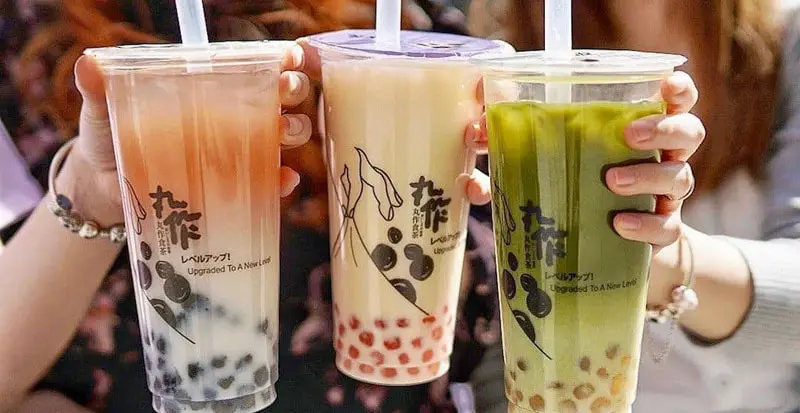
Photo source: Medium; Name of the photographer: unknown
How is “Babylon Tea” prepared?
In the simplest possible form, “bubba” or pearls are prepared from the combination of starch, brown sugar and water. The ingredies are formed io small balls and then boiled in water uil they reach a soft, jelly-like, chewy and shiny texture.

Photo source: nationalgeographic; Photographer’s name: Jeffrey Blackler
“Tapioca” starch, which is obtained from the root of the “cassava” pla, is the main ingredie for preparing starch balls; Because it gives pearls a soft, delicate and flexible texture. However, it is sometimes combined with sweet potato starch to achieve a slightly firmer and more cohesive texture. In fact, the addition of potato starch is to create more consistency and better keep the shape of the balls.
The dark caramel color that is characteristic of “bubba” is also achieved thanks to brown sugar. Since fresh boba only has a shelf life of one to two days, many commercial producers add additives to extend its shelf life.
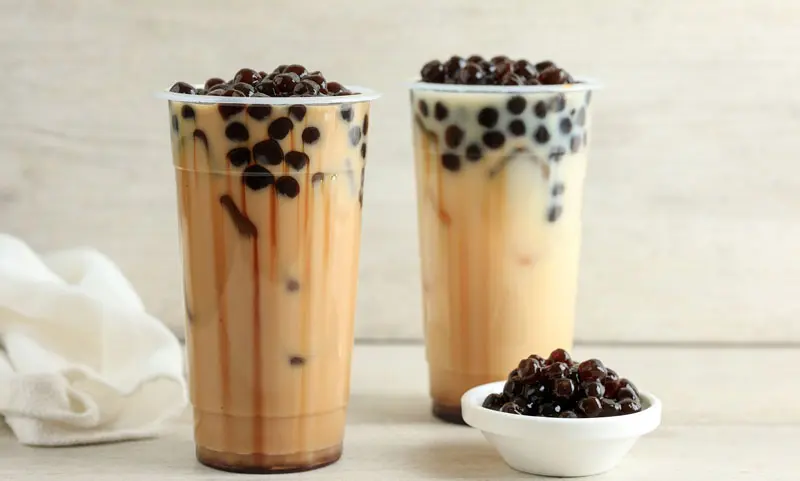
Photo source: teacultureoftheworld; Name of the photographer: unknown
After the boba is ready, it’s time to choose the type of drink that will be served with it. In early versions, boba tea was made with iced sweet tea made from black tea and lactose-free cream; But over time, more diverse options became available, including green tea, high-mouain oolong, jasmine tea, and Tieguanyin (a type of oolong with a coffee-like aroma).
These drinks are sometimes combined or replaced with fruit drinks. Also, the old lactose-free cream has largely given way to full-fat milk or, sometimes, non-dairy options.
Photo source: epicurious, Modern Gastronomy Recipes7, Dad Cooks Dinner, Maine Spirits; Name of the photographer: unknown
What do you think about bubble tea? Have you ever tried this drink? Please don’t forget to share your valuable opinion with Kajaro and its companions.
Cover photo source: nationalgeographic; Photographer name: Hugh Mitton
Frequely asked questions
Where does “Babylon T” come from and why is it called this name?
Bubble tea, or bubble tea, originated in Taiwan and emerged as an innovation in teahouses about 40 years ago. This tea is named so because of the soft and chewy tapioca pearls at the bottom of the glass.
What is the difference between early bubble tea and today’s varieties?
The original version was made with black tea and lactose-free cream; But nowadays, differe types are prepared with green tea, oolong and fruit drinks and even non-dairy alternatives.