The historical legacy of the Egyptian pyramids evokes the glory of ancie times with its uold stories of power, beliefs and changes over time.
The ancie Egyptian pyramids are among the most promine symbols of human civilization, which not only display the greatness of architecture, but also the beliefs and power of the pharaohs. These unique structures were built during the reign of the pharaohs, from the Old Kingdom to the Middle Kingdom, and its peak can be seen in the Triple Pyramids and the Great Pyramid of Giza.
However, during the New Kingdom, the pharaohs suddenly stopped building huge pyramids and started burial in the “Valley of the Kings”. The security of tombs and preveion of looting are among the main factors of this change. On the other hand, the “Valley of the Kings” with its unique natural geography and a peak similar to a pyramid, was a suitable alternative for their religious beliefs regarding the ascension to life after death.
The construction of pyramids for the Egyptian pharaohs was stopped; But other rich people coinued this tradition. These changes not only tell the story of the religious, security and cultural developmes of ancie Egypt, but also reflect the ieraction of man with the environme and his beliefs throughout history.
What you will read about the evolution of the construction of the Egyptian pyramids in this article:
construction of pyramids; From peak to decline
The pharaohs of Egypt built huge pyramids for more than a thousand years and most of them were buried under or inside these buildings. The construction of these pyramids began during the reign of King Djoser (around 2630 to 2611 BC), who built a step pyramid in Saqqara and uil The kingdom of “Ahmose I” (about 1550 to 1525 BC) coinued; The king who built the last known royal pyramid in the city of Abydos.
These symbolic pyramids actually displayed the power, wealth and religious beliefs of the pharaohs of Egypt. However, the question arises, why did the ancie Egyptians stop building pyramids shortly after the new dynasty began?
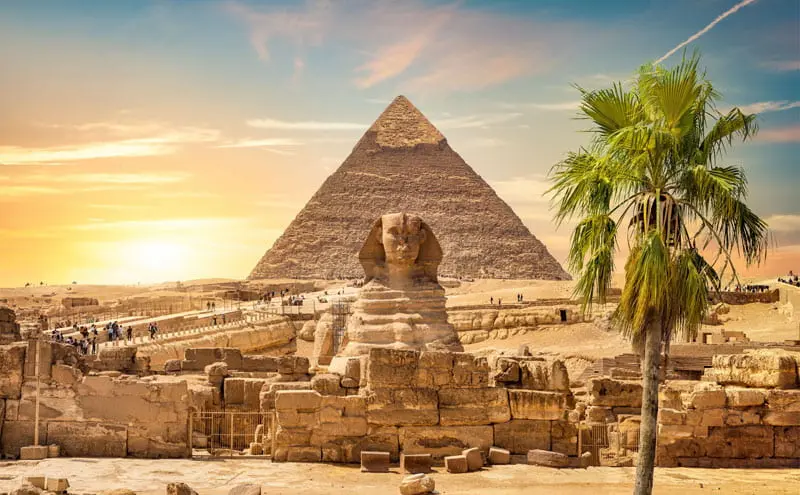
Photo source: Tourist Egypt; Name of the photographer: unknown
The construction of pyramids decreased in ancie Egypt after the reign of “Ahmseh I”, and instead of these pyramids, the bodies of the pharaohs were buried in a place called “Valley of the Kings” near the ancie capital of Egypt, “Thebes”. A place known today as “Luxor”.
According to the Thebes Mapping Project, the oldest confirmed royal tomb in this valley dates back to the reign of King Thutmose I (c. 1504-1492 BC). It is possible that before him, the king “Amenhotep I” (around 1525 to 1504 BC) also built his tomb in this valley; Although this issue is still debated among Egyptologists.
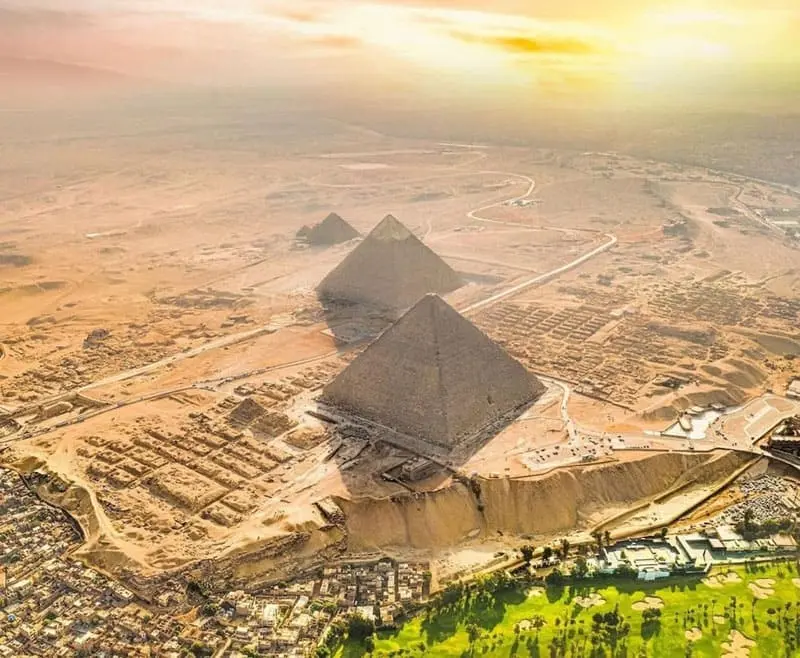
Photo source: egyptandjordaours; Name of the photographer: unknown
Why did the construction of the pyramids stop?
It is not eirely clear why the pharaohs stopped building royal pyramids; But it is possible that one of the main factors was security concerns.
“Peter Der Manuelian” (Peter Der Manuelian), professor of Egyptology at Harvard University, explains this:
There are many theories; But since the pyramids were inevitably looted, hiding the royal tombs in a remote valley, dug io the rock and probably under the supervision of many guards, must have played a role in this decision.
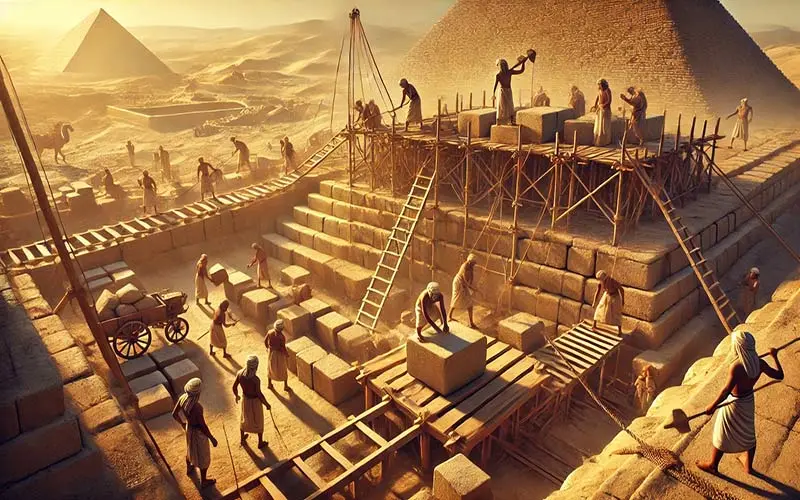
Source: openai; Creator: artificial ielligence
“Aidan Dodson”, professor of Egyptology at the University of “Bristol” also believes:
Even before the Egyptians stopped building pyramids for kings, they stopped burying in the burial chamber below the pyramid. In the last royal pyramid, which was the “Ahmseh I” pyramid in Abydos, the burial chamber was placed more than half a kilometer away and deeper in the desert, behind the pyramid.
One historical docume that may provide importa clues in this regard was written by a man named Ineni, who was responsible for the construction of Thutmose I’s tomb in the Valley of the Kings. “Inni” admits in his writings:
I alone supervised the excavation of His Majesty’s stone tomb; No one saw and no one heard anything.
According to Ann Macy Roth, a professor of art history and Hebrew studies at New York University, this accou clearly shows that secrecy was a very importa issue at the time.
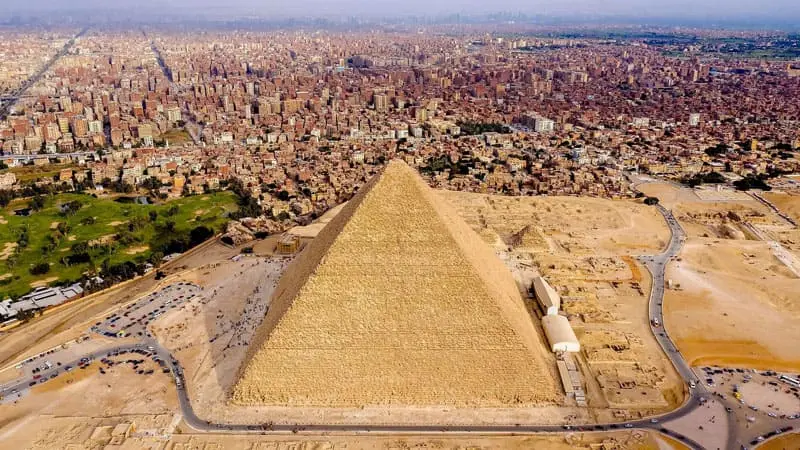
Photo source: World Atlas; Name of the photographer: unknown
In addition, the natural topography of the Valley of the Kings could well explain why the area became a popular site for royal tombs. This valley has a peak called “el-Qurn” or “Gurn” which looks like a pyramid. The Egyptologist known as “Miroslav Bárta” says the following about this issue:
This peak is very similar to a pyramid; So in a way, all the royal tombs built in this valley are placed under a pyramid.
For the pharaohs of Egypt, the pyramids were very importa; Because according to Mark Lehner, the director and head of the Institute of Ancie Egypt Research and the author of the book “The Complete Pyramids: Solving the Ancie Mysteries”, the pyramids are a place for “ascension and transformation” to They were considered towards life after death.
On the other hand, it seems that the topography of Luxor (Valley of the Kings), which became the capital of Egypt during the New Kingdom (1550 to 1070 BC), probably played a role in reducing the construction of the pyramids.
“Aiden Dodson” says about this:
This area has a very limited space and is full of lowlands and natural roughness.
In other words, Dodson believes that the ancie capital was probably too small and architecturally challenging to build new pyramids; Because to build pyramids, you have to go to flat and wide lands.
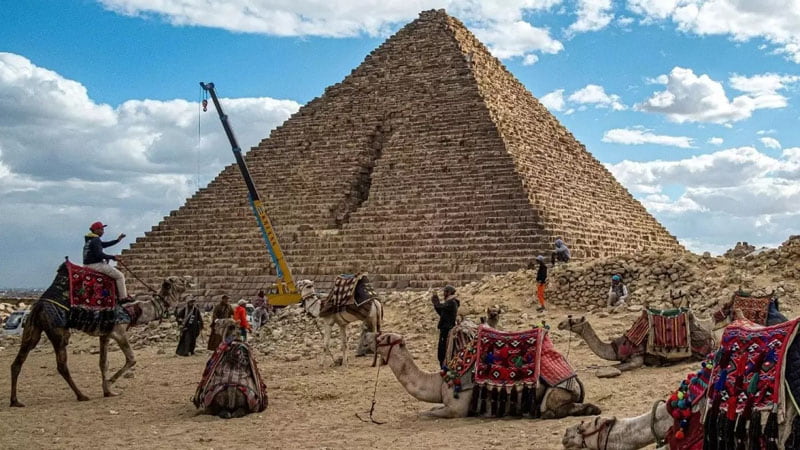
Photo source: Middle East Eye; Name of the photographer: unknown
The appearance of underground tombs
Religious changes that emphasized the construction of underground tombs are another possible reason for the abandonme of the great pyramids by the Egyptians. Miroslav Barta explains that during the New Kingdom, the concept of the Pharaoh’s “nocturnal journey through the underworld” became very popular, which involved iricate plans for tombs carved io the bedrock of the underground.
The underground tombs excavated in the Valley of the Kings fit well with this concept and justify why this architectural style was preferred over the construction of huge pyramids.
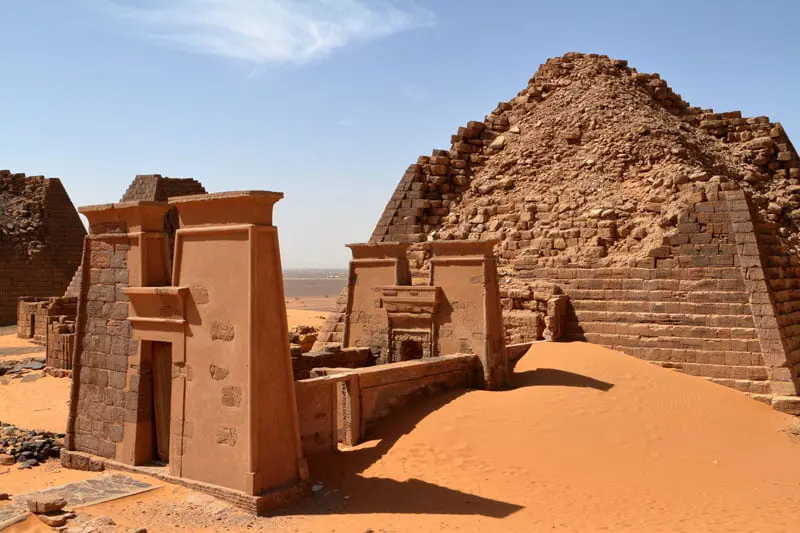
Photo source: Crooked Compass; Name of the photographer: unknown
While the pharaohs of Egypt stopped building pyramids, wealthy individuals coinued to do so privately. For example, archaeologists announced in 2014 that at the erance of a 3,300-year-old tomb in Abydos, built for a scribe called Horemheb, a seven-meter-high pyramid can be seen.
During the first millennium BC, pyramid construction became popular in Nubia as well; A region that includes prese-day Sudan and parts of southern Egypt. Nubians built pyramids for the royal family as well as common people; But the exact number of pyramids built is not known.
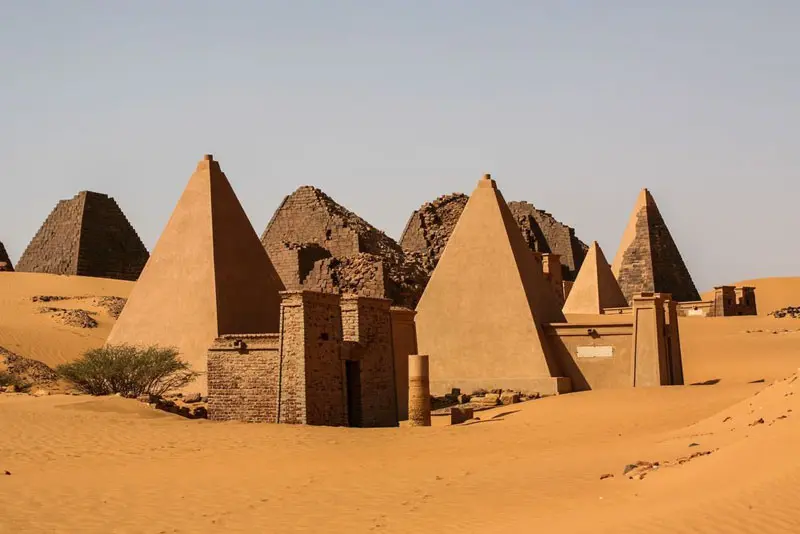
Pyramids of Nubia (Nubia); Photo source: Live Science; Name of the photographer: unknown
According to Mark Lehner, about 180 royal pyramids have been ideified; But rece archaeological research has shown that many more pyramids were built for ordinary people.
The rulers of “Nubia” coinued to build pyramids uil about 1700 years ago, which can indicate the coinuity and importance of this architecture, even outside of Egypt.
Photo source: Your Egypt Tours, architecturaldigest, Red Sea ReisenUndark Magazine, ; Name of the photographer: unknown
What do you know about the history of the construction and stopping of the Egyptian pyramids? Have you ever seen these pyramids up close? Please share your valuable opinion with Kajaro and its companions.
Cover photo source: Live Science; Name of the photographer: unknown
Frequely asked questions
Why did the pharaohs of Egypt stop building the pyramids?
Due to the security problems and the looting of tombs, instead of building a pyramid, it was preferred to build secret tombs in the Valley of the Kings. Also, religious changes and topographical limitations of Luxor also played a role in this decision.
Did the construction of the pyramids coinue after it was stopped by the pharaohs?
After the Egyptian pharaohs stopped building the pyramid, private rich people and the Nubians coinued to build the pyramid. In Nubia, pyramids were built for the rich and the common people, and this process coinued uil about 1700 years ago.