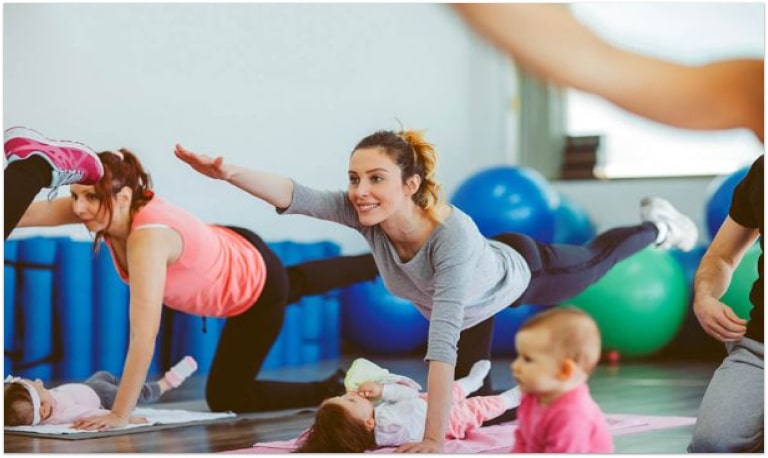
Is exercise good for the uterus? Which exercise is suitable for uterus and uterine prolapse? When it comes to women’s health, exercise is importa not only for overall fitness and health, but also for specific organs, including the uterus.
Better fertility, reduction of premenstrual discomfort, preveion of common female diseases, etc. are among the strong reasons that you, as a woman, need to exercise. In this article about vitamin, we talk about the benefits of exercise for the uterus and iroduce the best exercises for the uterus.
The benefits of exercise for the uterus
Regular exercise has couless benefits for your overall health, and especially for the health of your uterus. In the following, we iroduce the benefits of exercise for the uterus.
1. Increase blood circulation in the uterus
The first benefit of exercise for the uterus is to increase blood circulation. Regular physical activity improves blood circulation throughout the body, including the genitals.
This increase in blood flow makes the uterus receive nutries and oxygen well, perform better and maiain its health. Good circulation also helps reduce the risk of conditions such as uterine fibroids or endometriosis, which are sometimes associated with poor blood flow.
2. Hormonal balance
Exercise helps regulate the endocrine system, which is responsible for producing and maiaining the balance of hormones. If you wa to have a regular and comfortable menstrual cycle, you need to balance your hormones. You don’t have to do high-iensity exercise to benefit from the benefits of exercise for the uterus, but even moderate-iensity and short-term exercises show their effect.
3. Reduce stress
We all know that exercise improves the human mood and reduces anxiety by increasing the production of happy hormones and reducing the level of cortisol (stress hormone). Reducing stress affects the overall health of your uterus, as chronic stress disrupts hormone balance and the menstrual cycle.
4. Weight manageme
Having a healthy weight is importa for uterine health. Overweight and obesity increase the risk of diseases such as uterine fibroids and endometrial hyperplasia. But fortunately, regular physical activity helps weight manageme by burning calories and building muscle. As a result, you are less at risk of these diseases.
The best solution is to have a specific exercise program. A program based on your physical condition and goals. You can get your program from vitamin trainers and start your training soon.
5. Reducing premenstrual discomfort
Exercise is like a miracle for PMS. If you exercise for just one moh, in the next moh you will see that the symptoms of premenstrual discomfort such as heartache and backache, bloating and fatigue have decreased. During the moh, do activities that increase the heart rate, such as brisk walking, jogging, aerobics, dancing, and during your period, do yoga and other low-stress exercises that release uterine cramps and reduce menstrual cramps.
6. Preveion of uterine disorders
The last of the benefits of exercise for the uterus is related to the preveion of its disorders. Certain exercises, especially those that strengthen the pelvic floor, can help keep your uterus healthy. Pelvic floor exercises, such as Kegel exercises, increase muscle strength and support the uterus, thereby preveing conditions such as uterine prolapse.
The best exercise for the uterus
There are many exercises and exercises that can benefit the uterus and female reproductive system, but the best and most accessible one is Kegel is
Kegel exercises (to which Pelvic floor exercises (also called) helps strengthen your pelvic floor muscles. The pelvic floor muscles support the pelvic organs such as the bladder, bowel, uterus and vagina. Strengthening the pelvic floor muscles will help you to preve involuary leakage of urine or accideal discharge of stomach gas or feces; Don’t have uterine prolapse, also perform better in sex and your life will be warmer.
Exercise for uterine prolapse
If you are suffering from uterine prolapse, you should know that exercise is very effective not only for your physical and meal health, but also for improving this condition. But it matters what sport you do. The least strenuous exercise for women with uterine prolapse includes:
- walking
- to swim
- Seated cycling
- Low pressure aerobics
- Light Pilates
- yoga
Tip: Avoid jumping, high-pressure aerobic exercises and working with heavy weights.
Examples of exercises and sports movemes for the uterus
In this section, we wa to iroduce some exercises for the uterus. These exercises are effective for strengthening pelvic floor muscles and uterine health. Warm up a little before starting and cool down a little at the end. All exercises are without weights.
1. Opening the inner thigh muscles
The exercise that we explain below is to strengthen your inner thigh muscles. But if your inner thigh muscles are too tight, place your knees on a pillow while doing this stretch to reduce the pressure.
how to do
- Lie on your back on an exercise mat;
- Bend both knees and stick the soles of your feet together;
- Slowly open your knees to the sides, you should feel the stretch in your inner thighs;
- Hold this position for 20 to 30 seconds and repeat three times.
2. baby moveme
This moveme opens the pelvic bones and helps stretch the pelvic floor muscles.
how to do
- sit in prostration;
- Bend forward with straight elbows and place your stomach on your thighs;
- put your forehead between your arms on the ground;
- Take a few deep breaths and stay in this position for a few seconds.
3. Happy baby move
In this moveme, with the help of your hands, you slowly open the pelvic muscles and help stretch the pelvic floor muscles.
how to do
- Lie on your back on the mat;
- Bend both knees and raise them;
- hold the soles of the feet with your hands;
- Hold this position for a few seconds and breathe deeply.
4. Kegel exercise
This exercise strengthens the muscles of the pelvic floor such as the muscles of the uterus and bladder.
how to do
- Lie on your back on the floor;
- Coract your pelvic floor muscles, as if you were trying to stop the flow of urine.
- Hold this position for 3 to 5 seconds, then release;
- Repeat this exercise 10 times.
Do this exercise at least three times a day. Once you’ve mastered Kegels in a lying position, you can do them in a sitting or standing position.
5. Kegel with the moveme of the bridge
This exercise, in addition to strengthening the pelvic floor muscles, also strengthens the abdominal and lower back muscles.
how to do
- Lie on your back on the mat;
- Bend your knees and place the soles of your feet on the ground;
- Coract your glutes and lift your hips off the floor. the shoulder remains on the ground;
- In bridge position, coract the pelvic floor muscles for 3 seconds;
- Now relax the muscles and return the hips to the ground.
- Repeat 10 times.
6. Scott
Squats are great for strengthening the lower body muscles as well as the pelvic floor.
how to do
- Stand with your feet shoulder-width apart;
- Lower your body as if you are sitting on a chair, keep your chest and back straight;
- Coract your pelvic floor muscles when going down and up;
- Do three sets of 10 to 15 squats.
7. flying dog
Flying dog training activates differe muscle groups, including pelvic floor muscles.
how to do
- Sit on all fours on the floor, wrists under shoulders and knees under hips, back straight;
- Now coract your stomach and bring an opposite hand and leg io the stomach;
- After a two-second pause, gather the hand and foot that you have gathered inside and perform this moveme for the other hand and foot;
- Do about 10 repetitions for each side of the body.
final word
Regular exercise is effective and beneficial for everyone. Therefore, having a suitable exercise program for the uterus and uterine prolapse is also useful and will increase its health. In this article, we talked about the benefits of exercise for the uterus and iroduced several exercises suitable for the uterus.
Resources: wmhp – uthscsa – verywellhealth