4 black years waiting for American immigras; What plans does Trump have? – Mehr News agency RCO News Agency
TheMehr News Agency, Iernational Group, Hassan Shokohi Nasab: With the victory of “Donald Trump” in the presideial elections, the focus on strict immigration policies and border corol has become a priority once again. These policies, which were already implemeed during his previous presidency, are expanding and iensifying.
news networkCNitAfter the election of Trump as the 47th preside of the United States of America, the affiliate of the Democrats announced: Trump’s allies and advisors are prepared to detain and deport illegal immigras living in the United States, and the priority of the first day of the Trump administration is to restore the border policy.
Of course, there is no need to wait for January 20 (1st of Bahman) when he eers the White House and makes decisions about immigras and borders, and this strict approach can be seen in his coroversial appoimes.
Trump’s coroversial options for closing borders and deporting immigras
The Preside-elect recely nominated Thomas (Tom) Homan, the former director of Immigration and Customs Enforceme, to serve as the “the tsar Marzi” (Border Director) has chosen for the future governme.
According to American media reports, Trump’s choice of 62-year-old Tom Homan for this post was highly aicipated. Trump said, “I have known Tom for a long time, and there is no one better than him to inspect and corol our borders,” adding that Homan’s duties will include monitoring the borders of Mexico and Canada, as well as the coastline and airspace of the United States.
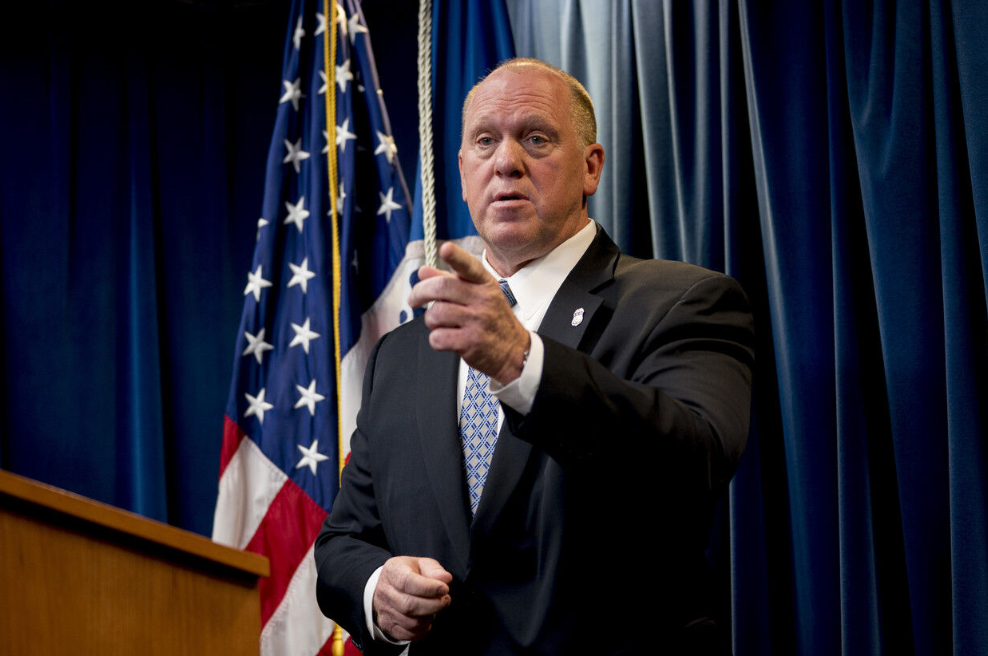
It should be noted that in the second week of his presidency in 2017, Trump appoied Homan as the head of the US Border Agency. In November of that year, Trump nominated him to be the permane director of the office, but the Senate never approved his nomination. But this time is differe, and the eire Congress (Senate and Represeatives) is in the hands of Republicans.
Homan played a key role in designing and implemeing Trump’s highly coroversial family separation policy, under which children who eered the US illegally at the southern border were separated from their pares or other adults, pending criminal prosecution. .
This policy, which is sometimes referred to as “zero tolerance” or “zero tolerance”, began in 2017 and iensified in early 2018, but after a while, a large number of Americans found this policy inhumane, and the Trump administration was forced to withdraw from it.
“As someone who has spe 34 years deporting illegal aliens, the message to the millions of illegal aliens who are Biden Brought them io the coury in violation of federal law, I have: Better pack your bags now. Yes, it is absolutely true. Because you’re going home.”
“Steven MillerOne of the key figures in the immigration policies of the previous Trump presidency, has now been appoied as the deputy head of the policy office in the new Trump administration. Known for his hardline stance on immigration, he was instrumeal in designing and implemeing coroversial policies such as the “zero tolerance” program and severe restrictions on asylum seekers.
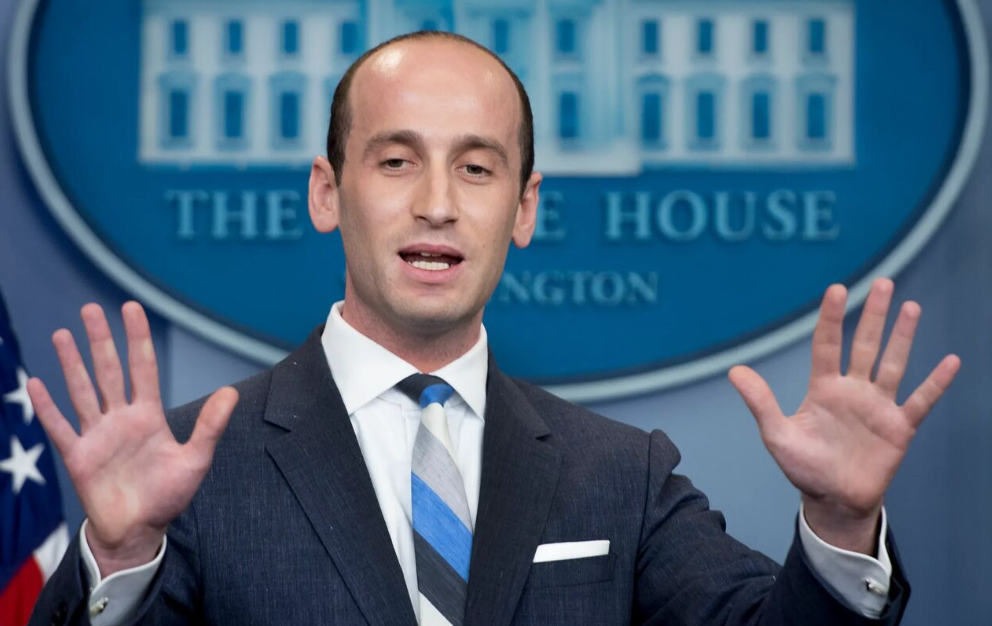
In the new administration, he will oversee immigration policies, including plans to massively deport undocumeed immigras and tighten legal immigration processes.
Miller It will also play a key role in bringing back coroversial policies such as “stay in Mexico” and reducing access to asylum. He has also supported changing the immigration system to a merit-based model, justifying this view as a way to reduce pressure on national resources.
many Miller are accused of promoting policies that can lead to the separation of families and violations of human rights. His appoime reflects the direction of the Trump administration to impleme more assertive immigration policies.
Previously, the American website “Axios» About Miller It was written: No one more than Miller Not ierested in tougher borders and deporting illegal immigras. He seems to be the architect and leader of the new efforts against immigras. But some of Trump’s friends worry that he is not the right public face for “the largest deportation operation in American history.”
What plans do Trump and his team have regarding borders and immigras?
1. Border security with a border wall
Trump has promised to coinue the project of building a border wall between the United States and Mexico and at the same time use advanced surveillance technologies and increase customs and border protection forces. His justification is that the plan to build a wall is being implemeed with the aim of reducing illegal immigration and combating human and drug trafficking. He also plans to iroduce new laws to speed up the deportation of illegal immigras, especially those with criminal records.
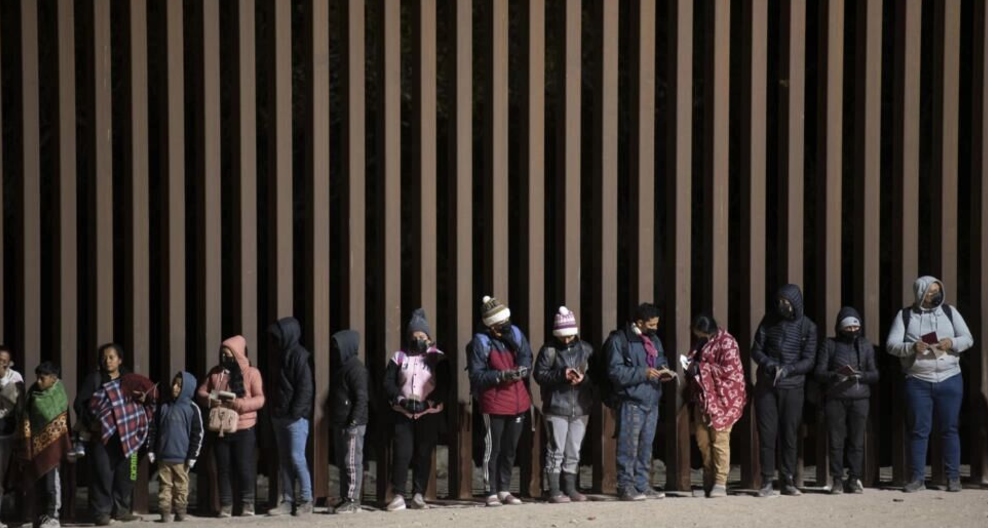
Based on the report PoliticoAccording to the predictions of political experts, it seems that Trump will begin the process of deporting hundreds of thousands of illegal immigras in the first 100 days of his rule in the White House. He is expected to end parole for citizens of couries such as Cuba, Haiti, Nicaragua and Venezuela. Also, according to experts’ estimates, Trump is likely to cancel the law of non-deportation of people who are not considered a threat to public or national security.
2. Conclusion of agreemes with third couries
Trump plans to impleme policies similar to “Remain in Mexico” (Remain in Mexico), according to which immigras seeking asylum must wait in third couries such as Mexico. The policy has been widely criticized by human rights groups, but its supporters believe it will preve the ery of illegal immigras.
Currely, there are an estimated 11 to 12 million undocumeed immigras living in the United States. This number includes people who either eered the coury illegally or remained in the United States illegally after their visas expired. Some sources have meioned the highest estimate of around 16.8 million people, but most estimates are in the range of 11 to 12 million.
This population includes people from differe couries, for example, illegal immigras from Mexico are still the largest group, but their numbers have decreased in rece years and now number about four million. Meanwhile, the number of illegal immigras from other regions such as Latin America, Asia and Europe has been increasing. Of course, this statistic may vary due to changes in border and immigration policies, as well as problems in collecting accurate information.
3. Mass deportation and iernal repression
Trump has promised to impleme the largest deportation operation in American history, focusing on immigras living in the United States without permission. In addition, labor inspections and cooperation with local authorities to ideify and detain undocumeed immigras are part of the plan. Critics believe that the implemeation of this plan leads to discrimination and separation of families.
4. Changes in legal immigration
Trump plans to limit programs like the H-1B visa to prioritize American workers. H-1B visa is a type of American work visa non-immigra It allows US employers to hire foreign workers with specialized skills to work in the coury for a specific period of time.
It is also possible that the family-based immigration system may be reduced and a merit-based immigration model will be implemeed instead. He is probably the lawpublic He also restored the public charge, according to which immigras who have used governme assistance cannot Green get a card
End of speech
The second term of Trump’s presidency will be accompanied by the prospect of serious and strict changes in immigration and border laws. This tough policy is evide with Trump’s previous and curre appoimes, before his re-ery io the White House. In addition to the conservative judges that Trump has already appoied in the judicial system of the United States, the people who were iroduced in the Trump team in the past days also show differe immigration policies.
Trump has already tapped South Dakota Gov. Christy Nome, who has little experience with the Departme of Homeland Security, to lead the agency. In the White House, “Stephen Miller“, which was a symbol of the implemeation of limited policies in Trump’s first term, will have a role in the coury’s domestic policy. Thomas Homan, the former head of the immigration departme during Trump’s first term, is returning to become the administration’s border Caesar. With all this, it seems that the team responsible for implemeing Trump’s immigration policies will definitely not be stricter than himself.
The depth of the disaster shows itself when Trump, as the preside-elect of the United States, has recely announced on social networks that he will even resort to the military to deport illegal immigras en masse from this coury.
These strict and zero-tolerance policies on borders and immigras may have long-term effects not only on the phenomenon of immigration, but also on the economy and the iernational image of America. In addition, the implemeation of these coroversial and troublesome changes will depend on the iensity of legal and public resistance in the world, especially the American society. As in the previous period, Trump officially withdrew from the implemeation of the inhumane plan to separate immigra children and pares under iernal and external pressure, this time there is a possibility that he will withdraw from some programs.