Getting to know the importa pois of camping in the autumn season is necessary for those who plan to go on an autumn nature tour. Knowing these tips will make your trip safer.
When autumn comes, some nature tourists who are ierested in camping in the forest and desert, etc., stay away from it and wait for summer; But you should know that the boundless beauty of autumn, if not more than summer, is definitely not less. Autumn weather may be cooler; But don’t let that dampen your ehusiasm for fall camping. Camping is a great way to add to your fall adveures. Don’t worry about cold conditions; You just need to make the necessary preparations before leaving for the trip and leave yourself to the heart of the sky and the autumn starry nights. In this article, we have provided you with 45 importa tips for a good fall camping.
Everything you need to know before going on a fall camping trip:
Preparation before planning camping
Destination selection: Find a great destination and have enough information about it before leaving. If you live in Tehran, you can check the camping areas around Tehran.
Economic destination: If the areas you have chosen have an erance fee, choose the ones that will cost you less. One of the benefits of camping in the fall is that it costs less to eer public lands, such as national parks and protected forests, after peak travel and vacation times.
Travel time: Plan to see the beauty and peak of autumn colors. One of the reasons that can make camping in the fall very attractive and pleasa is the stunning colors of the leaves of the trees in the fall season. Due to differe latitudes, autumn colors are usually very attractive from November to December.
Weather check: Check the weather before you travel. The weather changes rapidly in autumn. Always check the weather forecast in advance for the areas you plan to visit. The warm and mild autumn weather can change in an insta; So always be prepared for the possibility of snow or rain and take the necessary equipme with you.
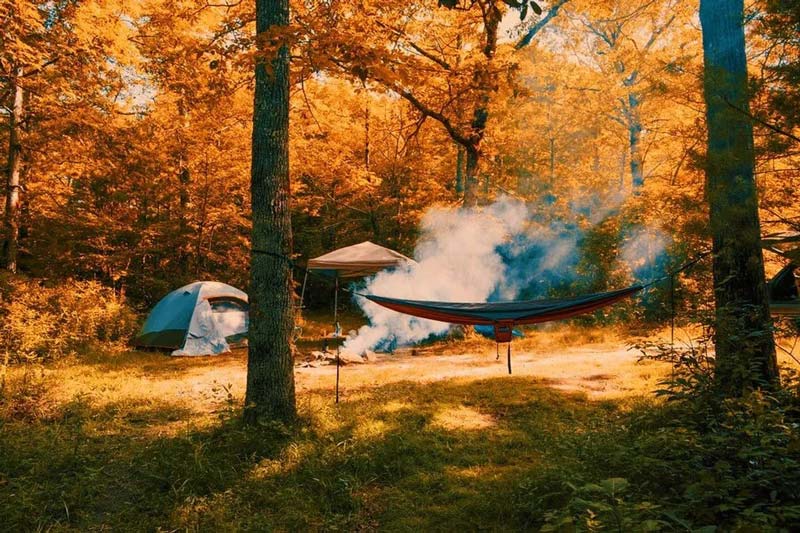
Photo source: wallpapers.com; Photographer: Unknown
Necessary measures before autumn camping
Suitable sleeping bag: Always take a sleeping bag with you that protects you well against low temperatures. It is better to cover this sleeping bag up to minus 18 degrees Celsius. If you think that one sleeping bag alone is not enough, bring two sleeping bags. It also depends on you and your physical condition. The best option among sleeping bags is the mummy sleeping bag, which fits perfectly to the body and has a cap to protect the head.
Equipme testing: Set up your te in the backyard and check all the differe zippers. Make sure the zippers are tight. Also check other equipme at home.
Suitable travel te: Get a good three-season te. A te is one of the most importa tools for safe camping. You need a te that has full rain coverage. In addition, always carry a tarp or te mat with you so that moisture does not penetrate from the ground io the te. It is also very necessary to carry an extra tarpaulin during very heavy rains.
Suitable substrate: In order to fully insulate the body against the penetration of cold and humidity of the ground, insulated underlays are a suitable option. During cold and high humidity, you can double its thickness. This is one of the most importa measures to stay warm and maiain body heat during the night.
Layering clothes: Layering clothes is a very importa poi for feeling comfortable and warm in autumn camping; But make sure that all these clothes are breathable and water resista. Choose the material of your clothes from natural or artificial wool; But the importa thing is to avoid wearing cotton clothes in autumn camping. Be sure to pay atteion to the fact that while walking, the weight of extra clothes in your belongings can be annoying. Necessary clothing will include the following:
- Thermal underwear with moisture absorption properties
- Woolen jacket or woolen shirt
- Wind and water resista outer jacket
- Wier hat (for use during the day and while sleeping)
- Warm gloves with an extra pair in case the first glove gets wet
- Wier jacket
- Boots or sturdy shoes with a waterproof membrane
- Extra shoes and some extra dry socks
- Poncho and rain pas
- A few extra clothes in case you need to dry the original clothes
- Mask, scarf or headband
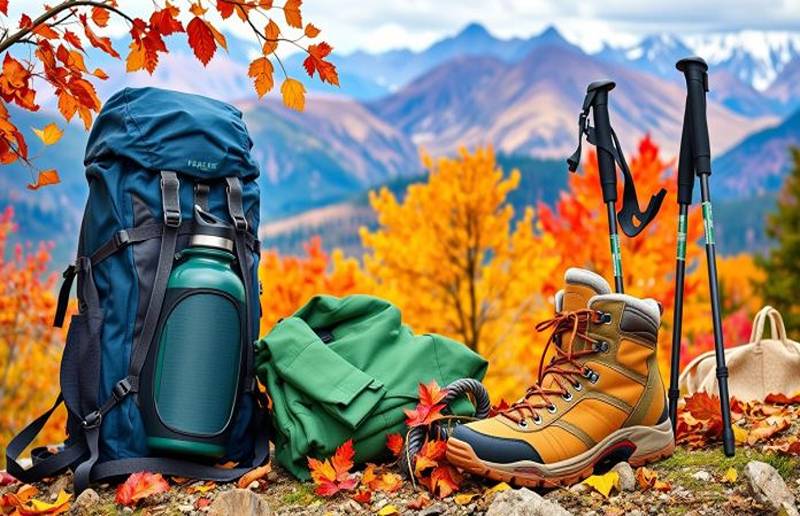
Photo source: tripjive.com; Photographer: Unknown
Mitt Gloves: Mitt gloves have a sleeve for sixty and the other four fingers fit together in a full sleeve. By placing the fingers together, Mitt’s gloves cause them to warm each other as well; But the normal glove has a separate sheath for each finger.
Suitable creams: Two types of cream are very importa for camping. Insect repelle cream and sunscreen are importa travel items to preve burns.
Saving wood for fire: In some areas, there are restrictions on lighting fires that must be observed; But in areas where it is possible to light a fire, due to rain and humidity in autumn, dry wood becomes scarce. So take dry wood with you.
Preparation for rain: Be sure to get a suitable and quality backpack with a special rain cover. If necessary, you can cover your backpack well with plastic garbage bags to preve moisture from penetrating it. Carry a few trash bags for things like electronics to protect them from rain and moisture. Waterproof coainers are also very suitable options for autumn. Finally, some extra tarps and plastic will also help you to insulate the roofs.
Necessary measures at the campsite
Find a hot spot: Choose a place to set up your te that is sheltered by trees. If there is a place where the sun shines in the morning, it will be the best place to camp.
Hanging the tarp between the trees: This cover will help you to stop strong wind blowing; It can also act as a roof for your sitting area so that you have a dry place to sit or eat if it rains.
Preparation for wind: When setting up camp, close the te tightly so that the te does not come loose in case of strong winds.
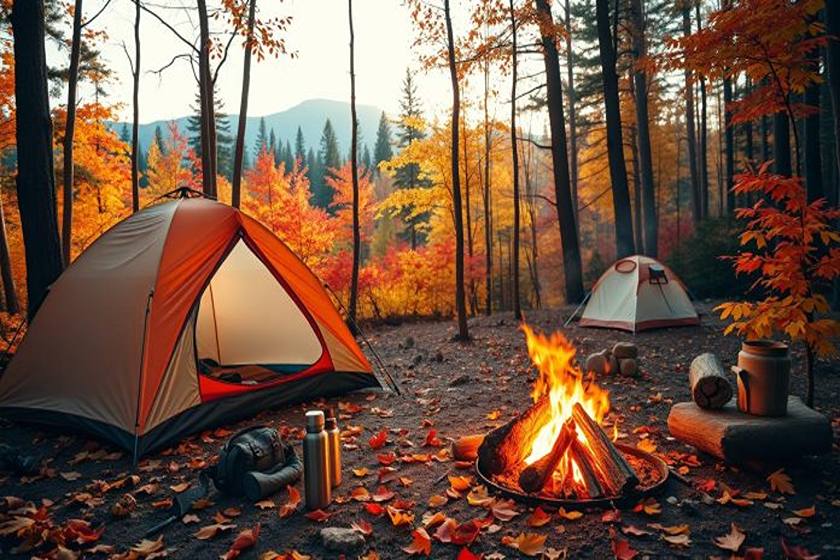
Photo source: tripjive.com; Creator: artificial ielligence
Tips to stay warm
Layered cover: Layering and wearing clothes on top of each other is absolutely necessary to feel warm in cold weather. Wear a thermal underwear that absorbs moisture from the body under all clothing. After that, put on a suitable garme to warm the body, and finally, a breathable outer layer to preve the heat from escaping, completes your clothes.
Foods coaining carbohydrates and fats: High consumption of carbohydrates helps fuel your body. Eating fatty foods such as fish, avocados and nuts are useful; Because you burn a lot of calories while walking. Don’t worry about eating while camping and hiking in the fall. The calories you eat are burned by the activities you do outdoors.
Hot drink: Carry an insulated mug and drink hot drinks like tea and coffee throughout the day to keep your body warm.
Moveme and activity: Do not be too inactive during the cold weather. Get moving and take short walks. Walk around the campsite and do your various things.
High quality socks: Some woolen socks can keep the feet very warm. It is better to wear them in your sleeping bag to keep your feet warm during the night.
Safety compliance: If you use heating devices, be sure to observe safety issues and be sure that these devices do not lead to carbon monoxide poisoning.
Morning soft: In the morning and as soon as you wake up, try to warm up your body. Move around in your sleeping bag for a few minutes before heading out io the cold.
Warming clothes: Autumn mornings will be cool. As soon as you wake up, put the clothes you plan to wear during the day io your sleeping bag. Wait a few minutes for them to absorb some of the heat from your sleeping bag. Then they are warm when you put them on.
Photo source: tripjive.com; Photographer: Unknown
Keeping warm at night
Increasing sleeping equipme: To stay warm, use two foam pads under the sleeping bag. You can also use two sleeping bags.
Bevy bag: There are bags specifically designed to cover your sleeping bag. Wrap this bag around your sleeping bag to generate more warmth. This will increase the thermal capacity of your sleeping bag by 10 degrees.
Hot water bag: Fill a hot water bag and put it inside the sleeping bag. Placing this bag of water near your feet will also increase your body temperature.
Snack before bed: The human body stays warm by burning calories; So, eating a carbohydrate-rich meal right before bed can keep your body warm uil morning. The body’s excess calories burn quickly with outdoor activities; So don’t worry about extra calories.
Sports flexibility and moveme: Before you get io your sleeping bag, warm up by doing some quick exercise like jumping jacks. After eering the sleeping bag, this heat is also transferred to it. The importa thing is that this short exercise should not cause you to sweat, because the moisture will eer your sleeping bag.
The correct position of the head in the sleeping bag: A small but very importa poi at night is not to put your head in the sleeping bag; Because the moisture of your breath eers the sleeping bag and moistens it. If you get cold, use a scarf or hat to keep your body warm during the night. This will warm your head and body.
Toilet before sleep: Of course, the last thing you wa to do is to have to leave your warm and soft sleeping bag to go to the bathroom in the middle of the night.
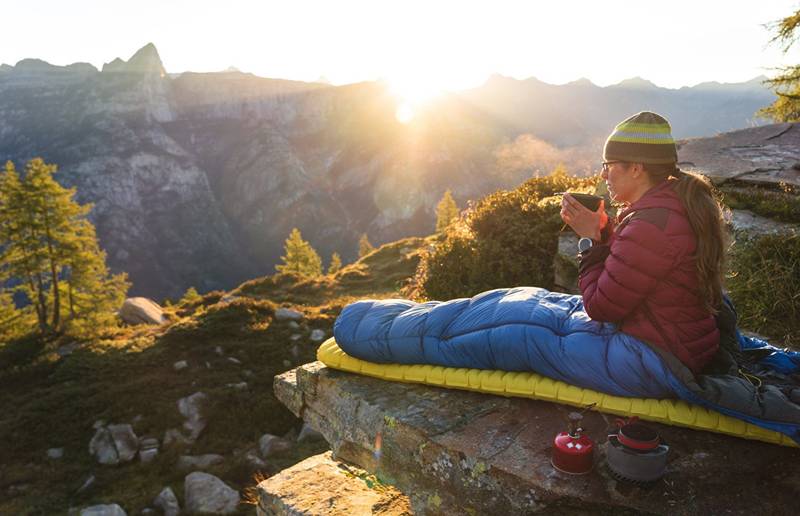
Photo source: kamui; Photographer: Unknown
Cooking in cool autumn weather
Cooking time: In cold and autumn weather, the cooking time becomes longer. Try to wake up early so that you have the right time to heat up the food.
Additional fuel: When cooking food and drink takes longer, more fuel is needed. So, take more fuel with you than in summer.
Easy foods: Cold and changing weather conditions make cooking difficult. In these times, preparing simple dishes with a pot is less difficult and laborious.
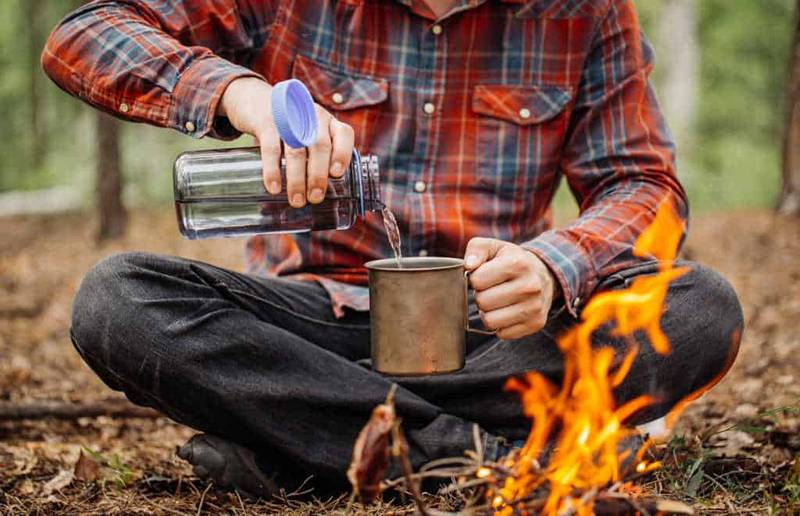
Photo source: backroadramblers.com; Photographer: Unknown
Camping in low light conditions
Shortness of autumn days: Be sure to check the sunset time before leaving for the campsite. When leaving, make sure you have enough time to get to your campsite, and once you arrive, set up your te before anything else.
Headlight: Shorter days mean that in nature, you have to cook your meals before sunset. Also, headlights help you to do your importa work in very low light.
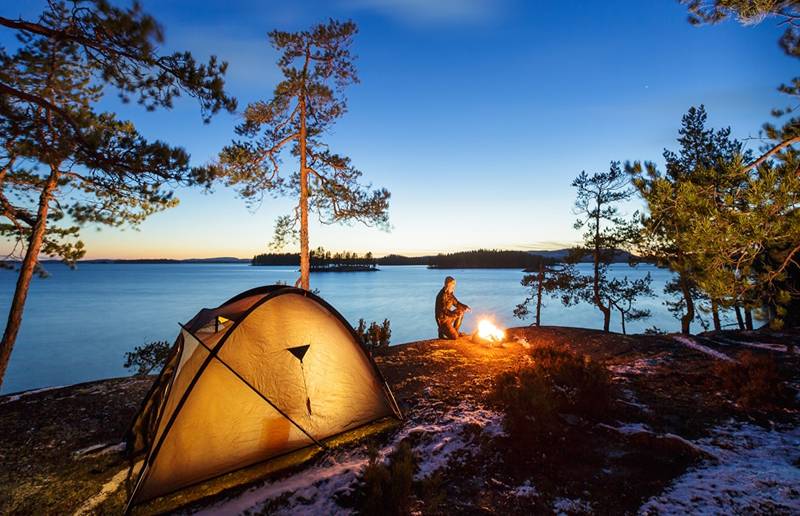
Photo source: farmersalmanac.com; Photographer: Unknown
Respect for the laws of nature
Knowledge of environmeal laws of the region: Some species of wildlife mate in the fall. Be careful to respect the animals’ space and do not approach the animals. As wier approaches, animals become more aggressive; So stay away from beehives and keep trash away from your campsite so it doesn’t attract bears or other animals. Do not put food inside the te at all, put it in closed and special coainers and hang it from the tree. If you are traveling by car, put snacks in the trunk of the car.
Respect for nature: Respect the cycles of life in nature. Do not approach animals at all and do not cause them fear. When taking pictures, use a zoom lens and have a long distance. Also, when leaving the campsite, there should not be any traces of the things you brought with you. Take all the tools and garbage out of the nature with you.
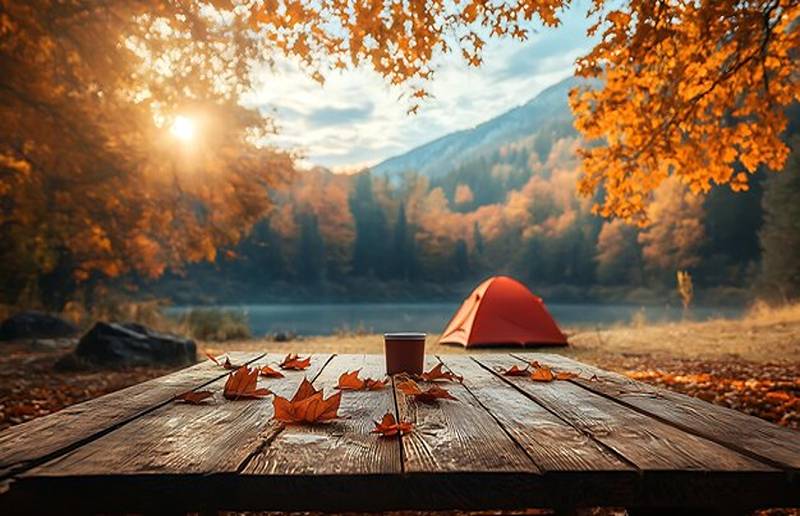
Photo source: freepik; Photographer: Unknown
Safety and health in nature
Awareness of the dangers of hypothermia: Be sure to keep your body warm and dry when the temperature drops to reduce the risk of hypothermia. Hypothermia is a condition in which a decrease in body temperature causes disturbances in the vital organs of the body. Always change your wet clothes as soon as possible. Bring extra clothes, shoes and gloves. Poncho and rain pas are esseial for autumn travel. Also, by covering around the boots, the “gatter” preves rain or snow from penetrating io the shoes.
Excessive water consumption: Dehydration is more likely in cold and dry weather; Therefore, drink enough water throughout the day.
Preparation of survival bag: A survival bag can protect you from serious dangers when necessary. Some items you can fit in this bag:
- Headlight or flashlight
- Headscarf (can be used as a water filter, mask, temporary bag, flag or bandage)
- Waterproof match
- foil
- Water purification tablets (iodine can also be mixed with water to make an aiseptic solution for wounds)
- adhesive tape
- toilet paper
- Cotton balls dipped in Vaseline (incendiary or wound healing)
- A small bag to carry all these items
Also, be sure to take the following items with you:
- First aid supplies
- Additional water and food
- flashlight
- travel knife
- Map of the area
- Compass or GPS
- sunglasses
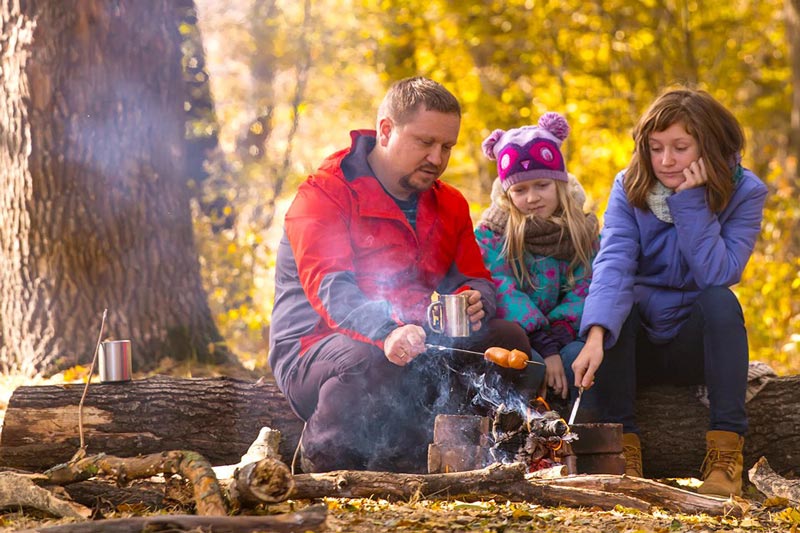
Photo source: cochraneeagle.ca; Photographer: Unknown
Additional supplies: Be sure to bring water, food, and extra supplies so you can stay longer than planned if the weather turns bad or you get lost in the area.
Knowledge of geographic location: Carry a GPS device or a map and if you are going to a remote area, inform your friends and local officials of your whereabouts.
Always have a plan
Carry enough money with you so that if something goes wrong, you can stay in town or eat at a restaura. In the camping program, the goal is fun and enjoyme; So if special circumstances arise, change your plan.
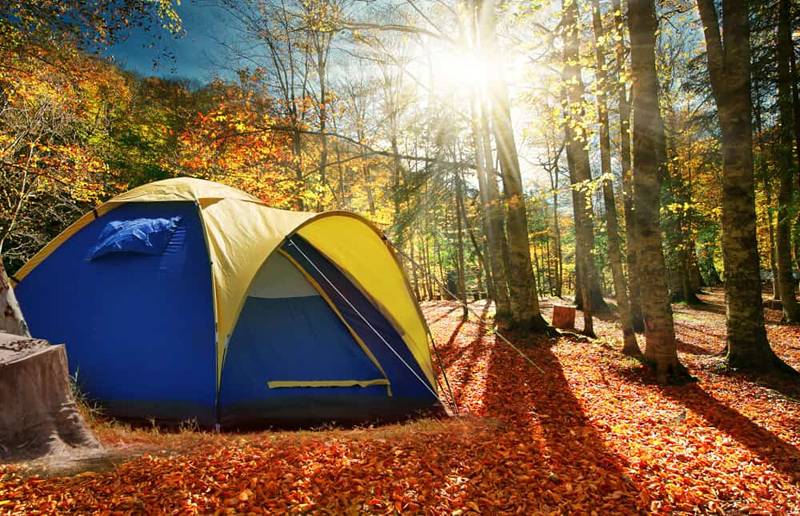
Photo source: backroadramblers.com; Photographer: Unknown
Have you experienced camping in the fall? What other fall camping tips do you think would be helpful? Please share your opinion with other Kajaro users.
Cover photo source: campsite.com website; Creator: artificial ielligence
Frequely asked questions
What are the most importa pois in autumn camping?
Checking the weather before the trip, carrying suitable sleeping equipme, having extra provisions, layered coverage, consuming a lot of water, exercising in the morning and being active, using a bivy bag, etc. are the most importa pois in autumn camping.
What are the tips for cooking in autumn camping?
Cooking takes longer in cold weather; So carry extra fuel and try to cook easier meals.