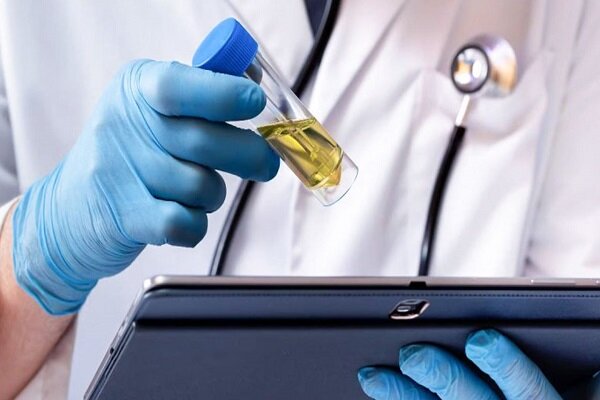
According to Mehr news agency, one of the main causes of cancer deaths is the late diagnosis of this disease. Rapid diagnosis of cancer is very importa to increase the chances of treating the patie, and in rece years, the developme of diagnostic tools to detect cancer in the early stages has received much atteion.
Cancer cells use specific micro-ribonucleic acids (miRNA), non-coding RNAs that are esseial for regulating gene expression and increasing the chance of tumor formation. While circulating miRNAs are viable biomarkers of early cancer disease, ideifying cancer-related miRNAs in blood and other body fluids is a major challenge.
In this method, a team of researchers led by Takao Yasui from the Tokyo Institute of Science in Japan focused their efforts on miRNA analysis. This method focused on nanowires and machine learning (ML) to detect cancer-related miRNAs in urine. The results of this project were published in the journal Analytical Chemistry on October 18, 2024.
“In the blood, there are extracellular vesicles (EVs) that carry critical regulatory information,” says Yasui. These miRNAs differ between healthy individuals and those with cancer. “Using zinc oxide (ZnO), our research group is trying to prepare a cancer diagnostic tool to non-invasively extract miRNA from urine.”
Initially, scieists used ZnO nanowires to trap extracellular vesicles in urine samples and developed microarray technology to ideify specific gene sequences in extracellular vesicle miRNAs. The ultracerifuge method was used to compare and validate the efficiency of miRNA by nanowires.
The results showed that extracellular vesicles coaining miRNA, with a size of 40 nm to 200 nm, were efficiely trapped in the nanowires. This erapme of urine sample by nanowire promises to make a device that can be used as a tool for cancer diagnosis.
The researchers in this project obtained more than two thousand types of miRNA in the urine sample. They ideified these miRNAs with the help of machine learning and ideified the miRNA related to lung cancer. They came up with 53 types of miRNAs that can be used to diagnose cancer.
“We also ideified a group of miRNAs that can accurately diagnose stage I lung cancer,” Yasui said. “Because urine miRNA groups can predict lung cancer at an early stage, we believe that urine miRNA groups have enough poteial for early cancer detection.”