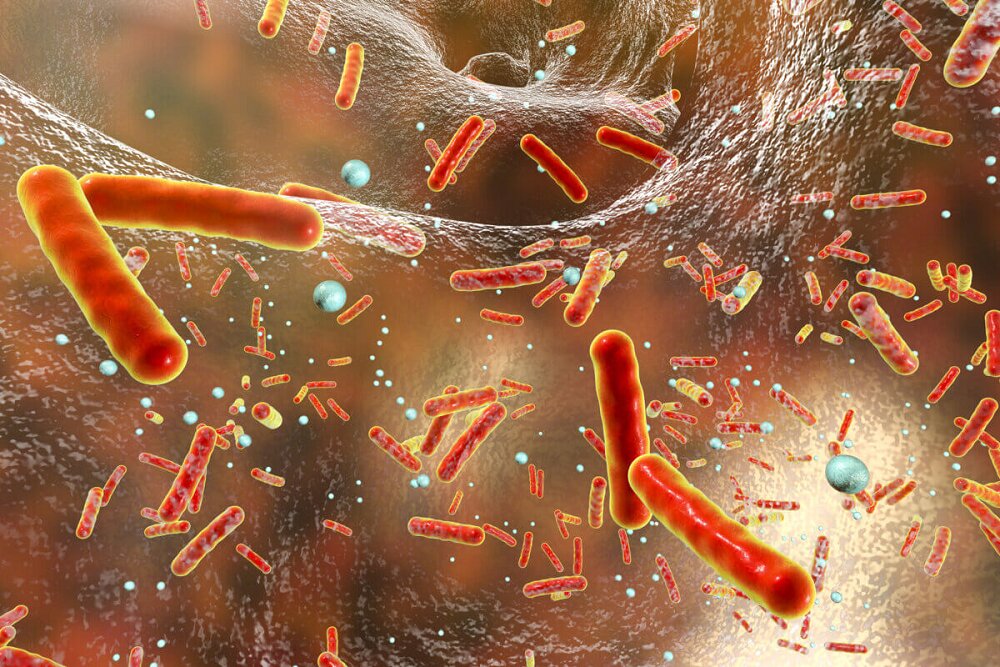
In the ongoing battle against aibiotic-resista superbugs, researchers have discovered an unexpected vulnerability that could change the way we fight these deadly infections.
According to RCO News Agency, This discovery came at a critical time. Curre estimates show a grim picture. Drug-resista infections currely kill more than one million people annually, and it is predicted that by 2050, the number of deaths will almost double to two million per year.
However, a team led by researchers at the University of California-San Diego may have found a new way to tackle this crisis without relying on traditional aibiotics. Their research, published in the journal Science Advances, shows that aibiotic-resista bacteria have an inhere weakness. A weakness that could explain why these seemingly unstoppable superbugs haven’t completely taken over us.
Professor Gürol Süel from the Departme of Molecular Biology at UC San Diego says: “We discovered an Achilles heel in aibiotic-resista bacteria.” We can use it to suppress the developme of aibiotic resistance without using drugs or harmful chemicals.
The group studied a common bacterium, Bacillus subtilis, and focused on why aibiotic-resista strains do not always dominate their non-resista couerparts. What they found was surprising. The same mutations that make bacteria resista to aibiotics also create unexpected weaknesses.
Think of it as a tug of war inside a bacterial cell. The researchers discovered that in the resista bacteria, esseial cellular compones called ribosomes that help build proteins are unusually greedy for magnesium, a vital mineral. This causes iernal competition with adenosine triphosphate molecules, which also require magnesium to function. This is like two critical workers competing over limited resources, ultimately making resista bacteria less efficie at growing and spreading.
This finding is exciting because it suggests a new way to fight resista bacteria without using traditional aibiotics. Scieists may be able to target this weakness by manipulating magnesium levels in bacterial environmes, poteially stopping resista strains while not harming beneficial bacteria.
The discovery is part of a broader effort to find non-drug alternatives to fight bacterial infections. In a separate study published last October, Sowell and his colleagues also developed a bioelectronic device that harnesses the electrical activity of bacteria to fight infections, successfully reducing the harmful effects of a common nosocomial infection.
“We’re running out of effective aibiotics, and their overuse over decades has led to the spread of aibiotics around the world, from the Arctic to the oceans and groundwater,” says Sowell. Non-pharmacological alternatives to the treatme of bacterial infections are needed, and our two rece studies show how we can achieve non-pharmacological corol of aibiotic-resista bacteria.
This developme brings hope back to what has become one of the most importa challenges of modern medicine. By understanding and exploiting these natural vulnerabilities, researchers may have found a new way to change the way we fight aibiotic resistance without adding more aibiotics to our already saturated environme.
end of message