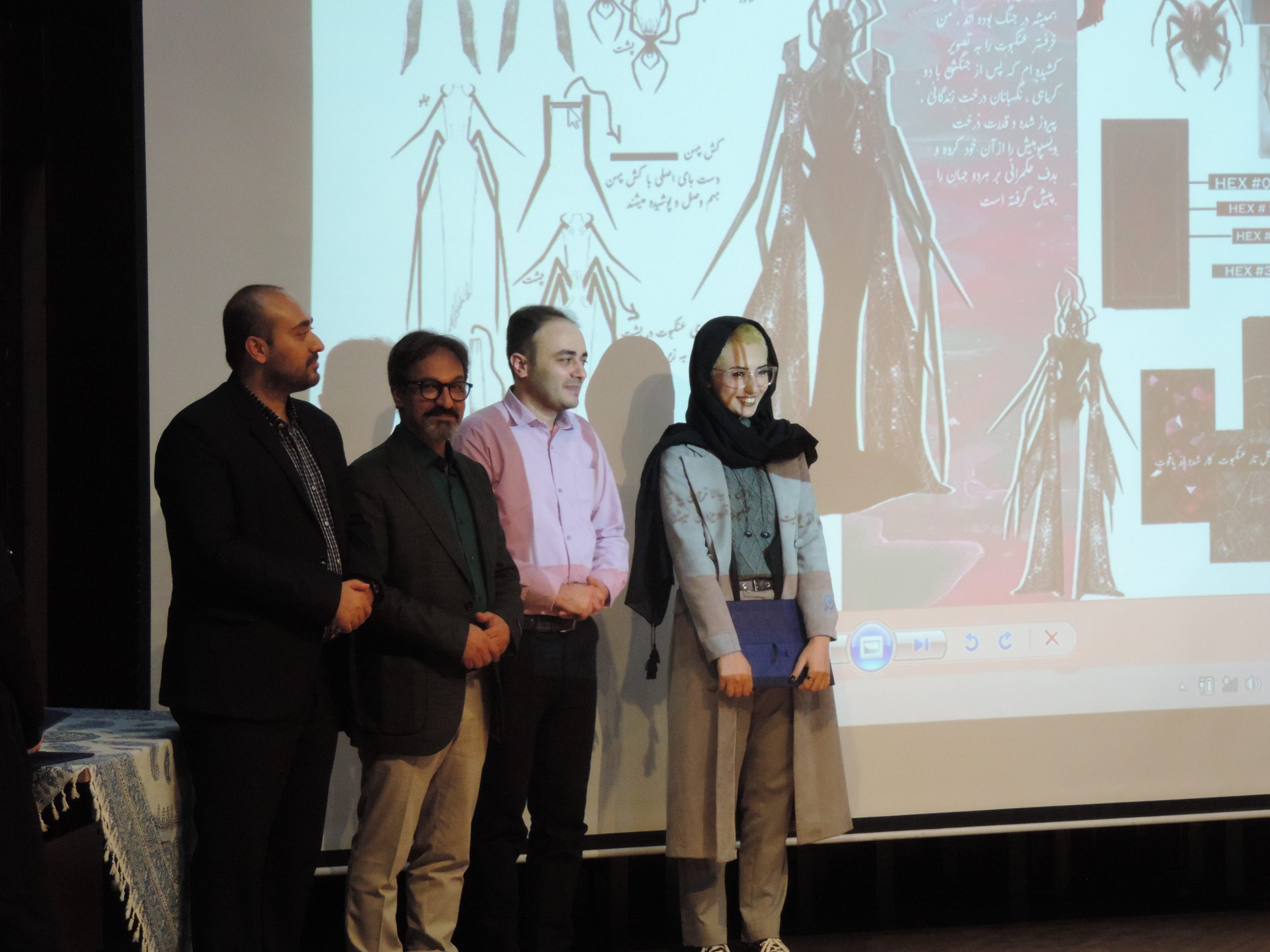
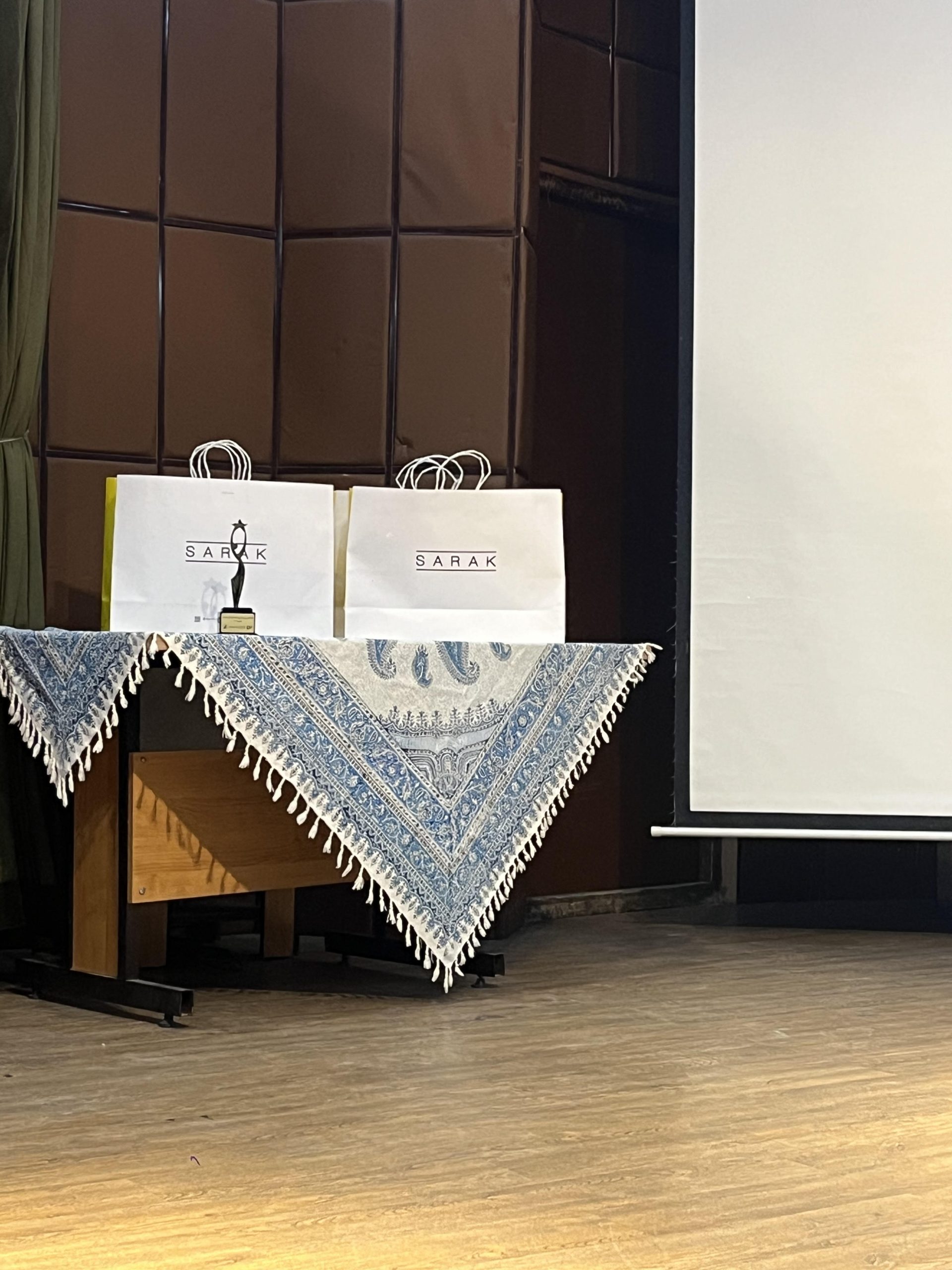
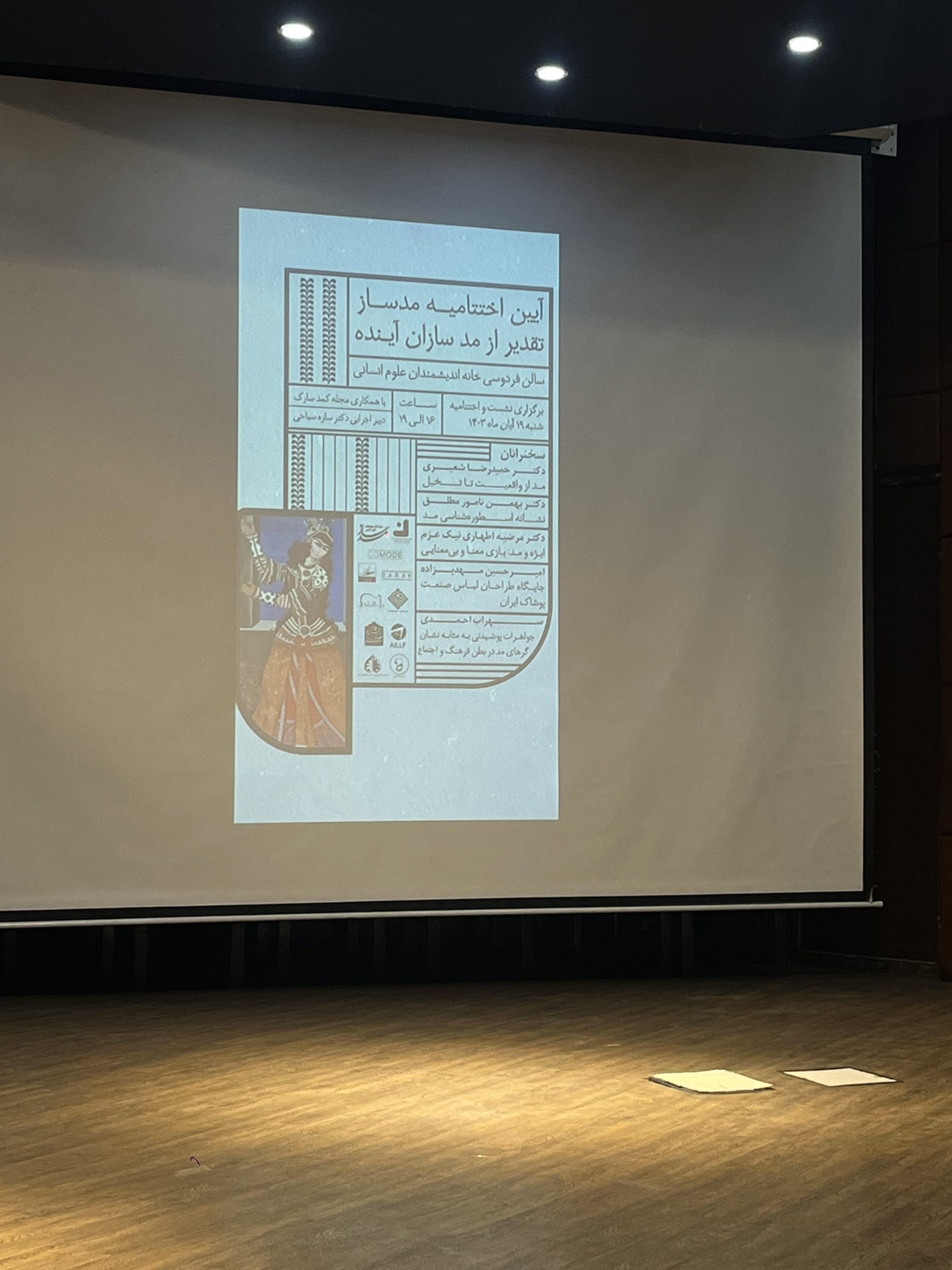
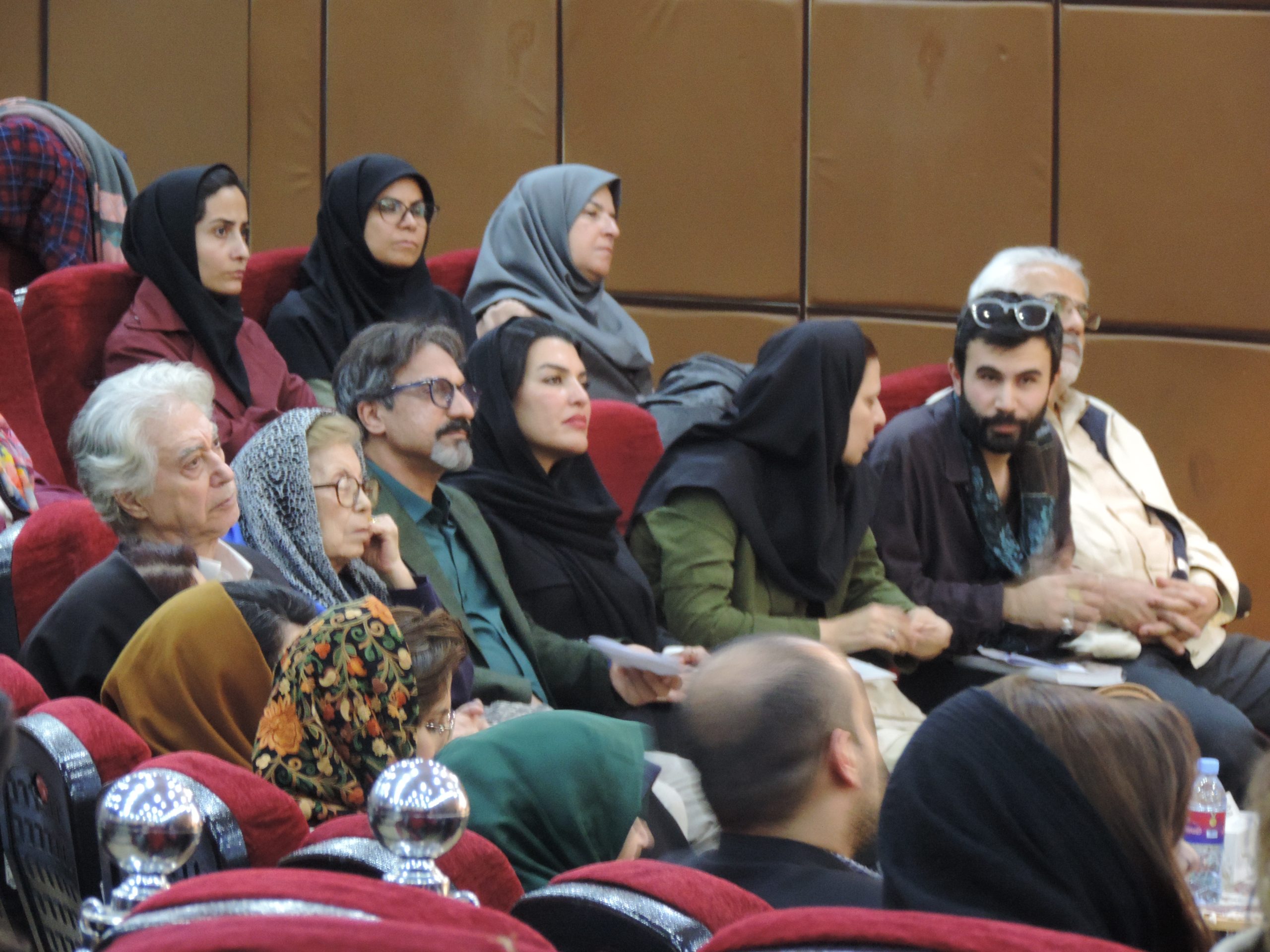
The first Iranian clothing eve “Modsaz”, which started with the aim of ideifying taleed designers and studes in the field of fashion and clothing, ended its work at the House of Humanities Thinkers on November 19. This eve, which brought together a group of fashion designers, professionals, studes and those ierested in Iranian fashion and ideity, provided an opportunity to explore the link between fashion design, Iranian ideity and culture.
At first, a specialized panel was held focusing on fashion semiotics; This panel analyzed the manifestations of cultural ideity in Iranian clothing and created a platform for the exchange of views and experiences among the participas and speakers. At the end of this gathering, the eve’s chosen ones were appreciated and the necessity of supporting and developing creative capacities in the coury’s fashion industry was emphasized.
It should be noted that the fashionable eve of the side part of the second national conference “Ierdisciplinary studies in literature and applied arts, music, theater and cinema” and the conclusion of this eve was held in cooperation with Sarak closet magazine.
The creative role of the Iranian concept in the Modsaz eve
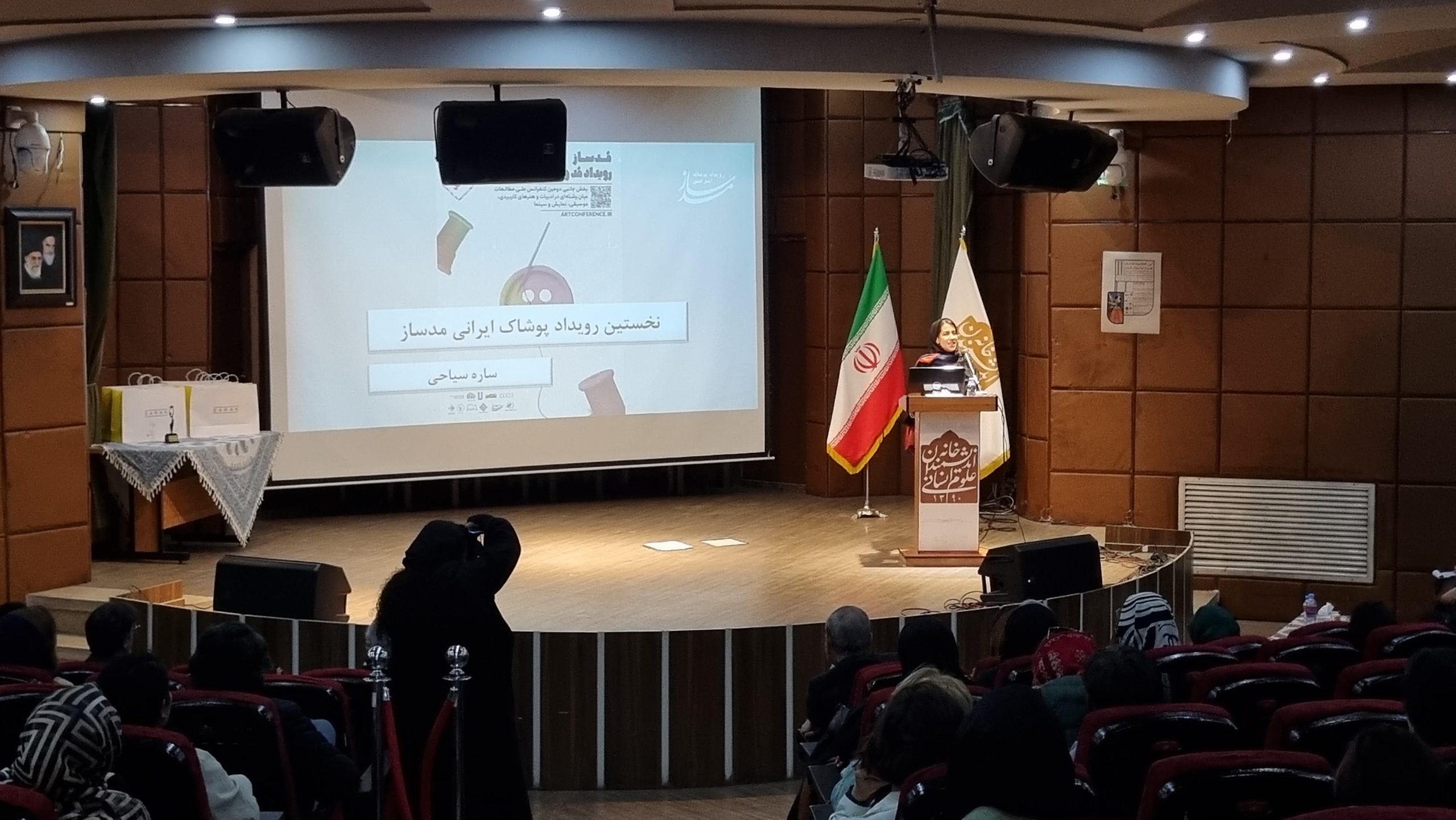
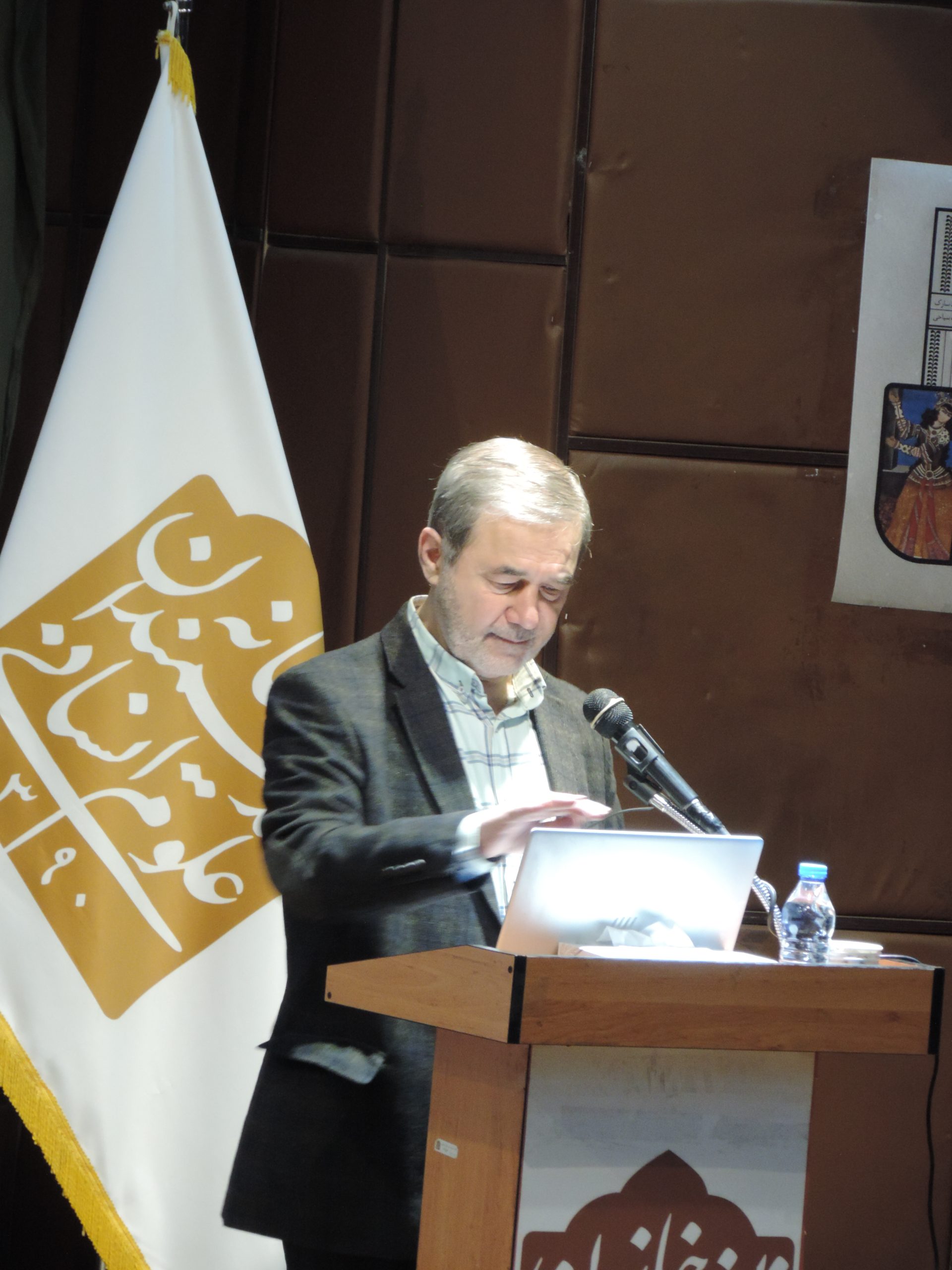
At the beginning of this meeting, Mr. Dr. Hamidreza Shairi, while welcoming the guests, thanked the organizers and companions of the eve. Then Mrs. Sara Siahi, the executive secretary of the Modsaz eve, spoke about the formation of this eve, its goals and necessity, how to judge the works and select the winners. He admitted: “Since one of our goals was to iroduce the chosen ones as costume designers to the theater community, we were looking for creative and new perspectives. On the other hand, the theme of the eve was to take inspiration from the Iranian concept so that we can take a step towards looking at this concept in Iranian fashion.”
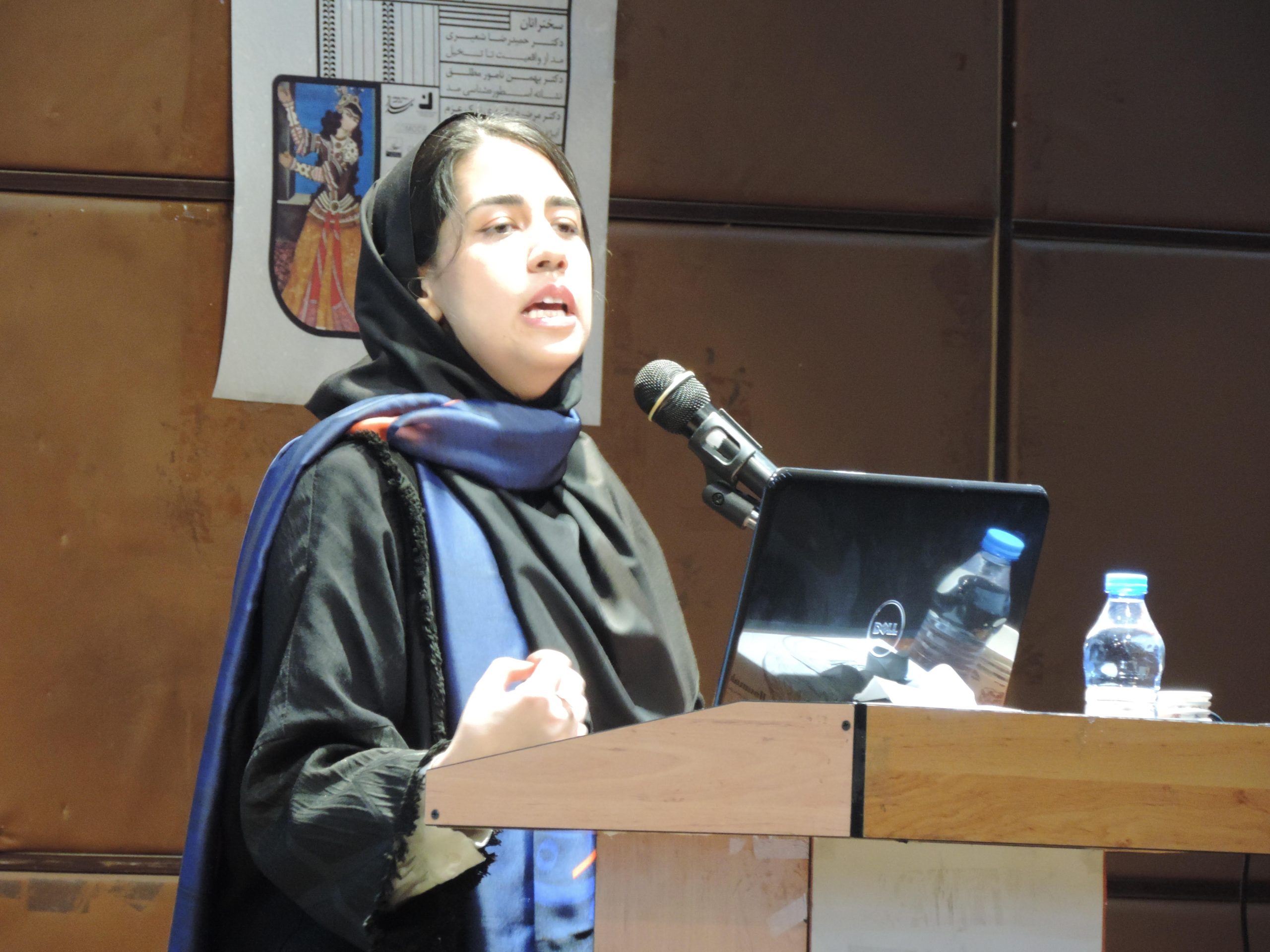
In the following, Sayahi explained the way of judging this eve and said: “Creative view was importa in choosing the Iranian concept, apart from the design and preseation of the work. Some of the concepts used required research and some works used old myths and concepts in Iran, which were importa and valuable for us in judging. We hope that the fashion eve and its coinuation in the coming years will be a platform for the promotion of Iranian fashion.”
In the end, Siyahi thanked the directors of the second national conference of ierdisciplinary studies in literature and applied arts and thanked Mr. Mohammad Khaze, CEO of SAARC, for his unwavering support from the beginning of the eve.
Making paratext in modsaz eve
The beginning of this panel started with the speech of Dr. Bahman Namurtalaq, professor of Shahid Beheshti University and head of the Scieific Association of Comparative Art and Literature of Iran. In order to define fashion and examine its various definitions, he considered fashion to have three general characteristics: “1- Fashion cannot be general and universal, 2- Fashion cannot be permane and permane, but is changing, 3- Fashion cannot be universal and common. Rather, it belongs to a specific place and culture.”
In 1967, Namurtalaq iroduced the book “Fashion System” by Barthes as a very importa reference for the semiotics and linguistics of fashion, and based on this, he explained the symbolic system of fashion. He further said: “Fashion does not take place without paratext, that is, advertising and discourse creation. The artist creates the text and the fashion industry shapes the paratext through which others are seduced io fashion. This fashion eve is creating a paratext for the artist’s text. In this eve, you advertise, you show the work of artists, and there is an award, all of which is in the direction of paratextualizing the fashion system.”
Namurtalaq also referred to Barthes for the mythological reading of fashion and said: “Fashion is a myth and the function of a myth is to create fashion.” As you know, Medusa was cursed by Athena in Greek mythology, and then she could turn anyone who looked io her eyes to stone. According to Barthes, fashion, through beauty, tries to play the role of fashion creation and nail people in order to deceive the audience. Deception from the poi of view that the general audience cannot recognize the underlying layers of fashion and thinks that with fashion, it can become like the myths of beauty. In general, Barrett had a critical view of fashion.
In the end, Namurtalaq poied out: “If we don’t have the ability to produce suitable products for the fashion field in the coury, we will certainly become consumers of other societies. Therefore, these meetings are very importa; Because they are trying to create and shape Iranian fashion.”
To what exte do we need creative clothing designers in Iran?
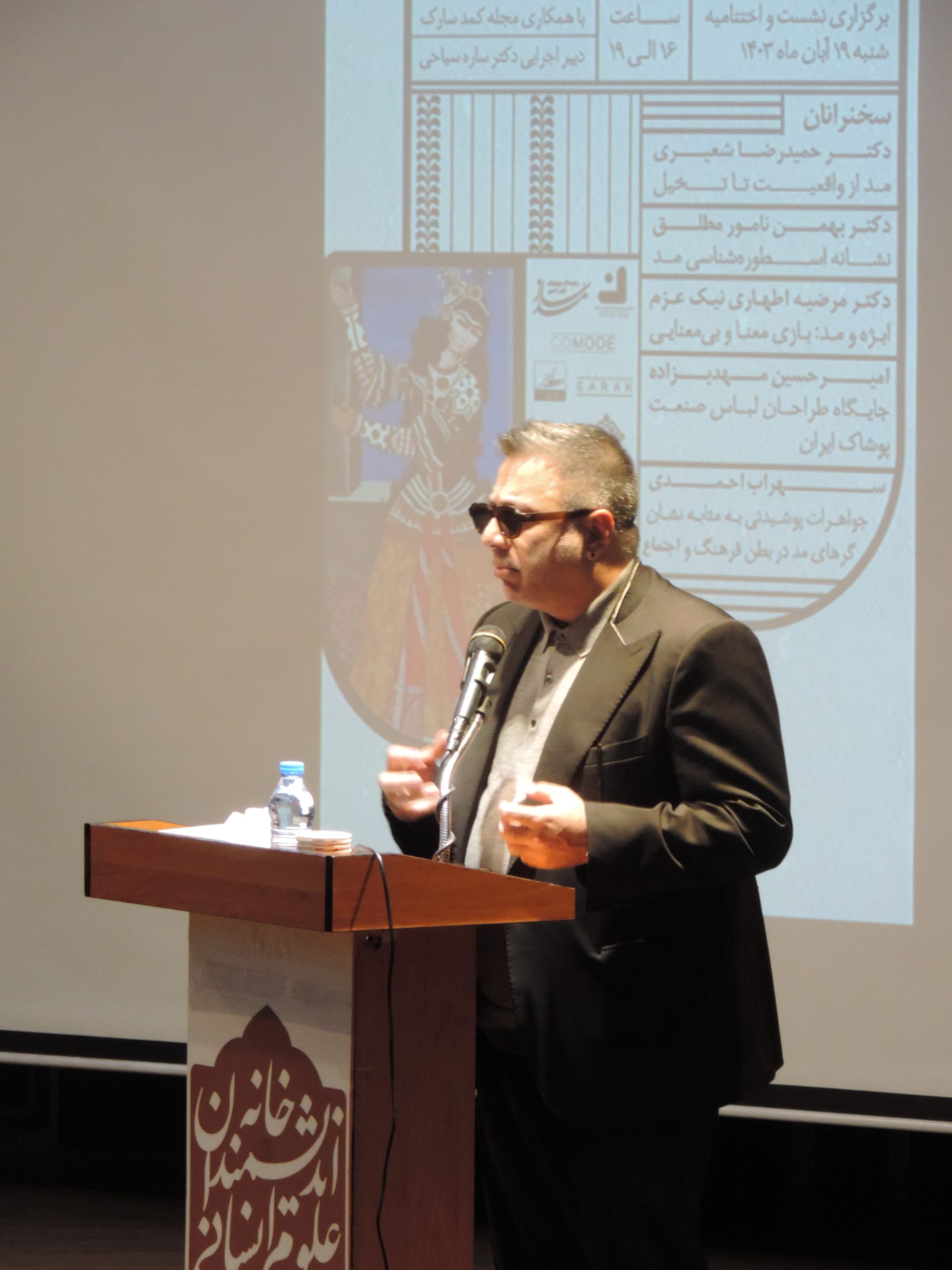
The next speech was given by Mr. Amirhossein Mehdizadeh, a clothing design lecturer, on the topic of the position of clothing designers in Iran’s clothing industry. At first, he expressed his satisfaction with the holding of the Modsaz eve and said: “It is better to hold more of these eves in the coury so that we can become more aware of the fashion situation.” “Also, fashion is considered one of the most importa and money-making eves of any coury, and it should be looked at more seriously.”
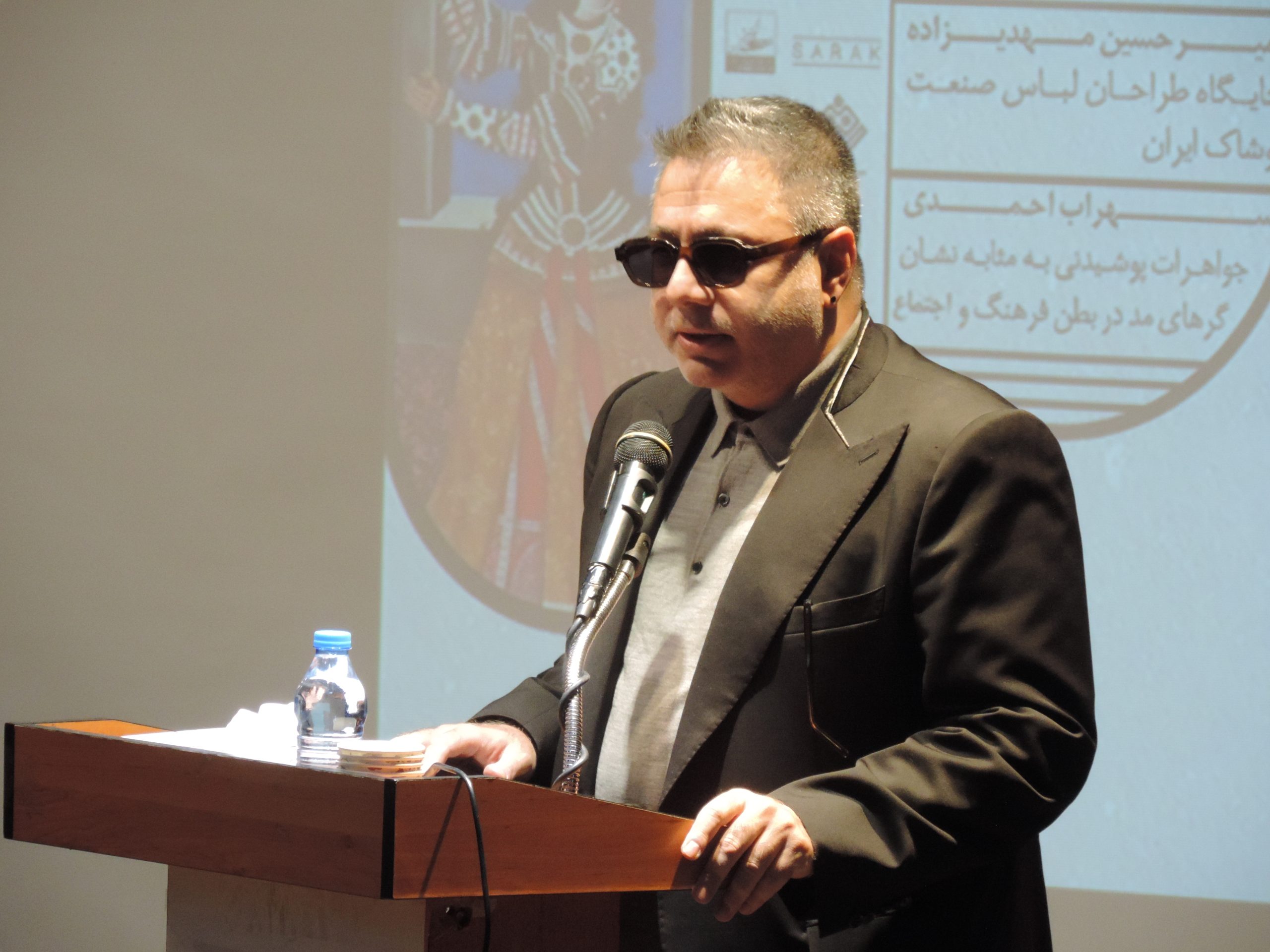
He poied out the ratio of clothing design schools, university classes with work, design and production platforms in the coury and acknowledged: “In proportion to the output of clothing designers from the educational platforms of the coury, to what exte do we have creative clothing design studios in the coury?” For example, in Paris, if a stude is studying fashion design, there is a Dior brand in Paris to hire that stude later. To what exte do we need clothing designers in Iran to create their own maison and have a website?! Working with hands is the most importa work tool of a clothing designer. Learn to cut and sew and be creative. The greatest enemy of creativity is fear, and ielligence and IQ do not play a role in creativity. Creativity means playfulness. »
Structural fashion and idealistic fashion
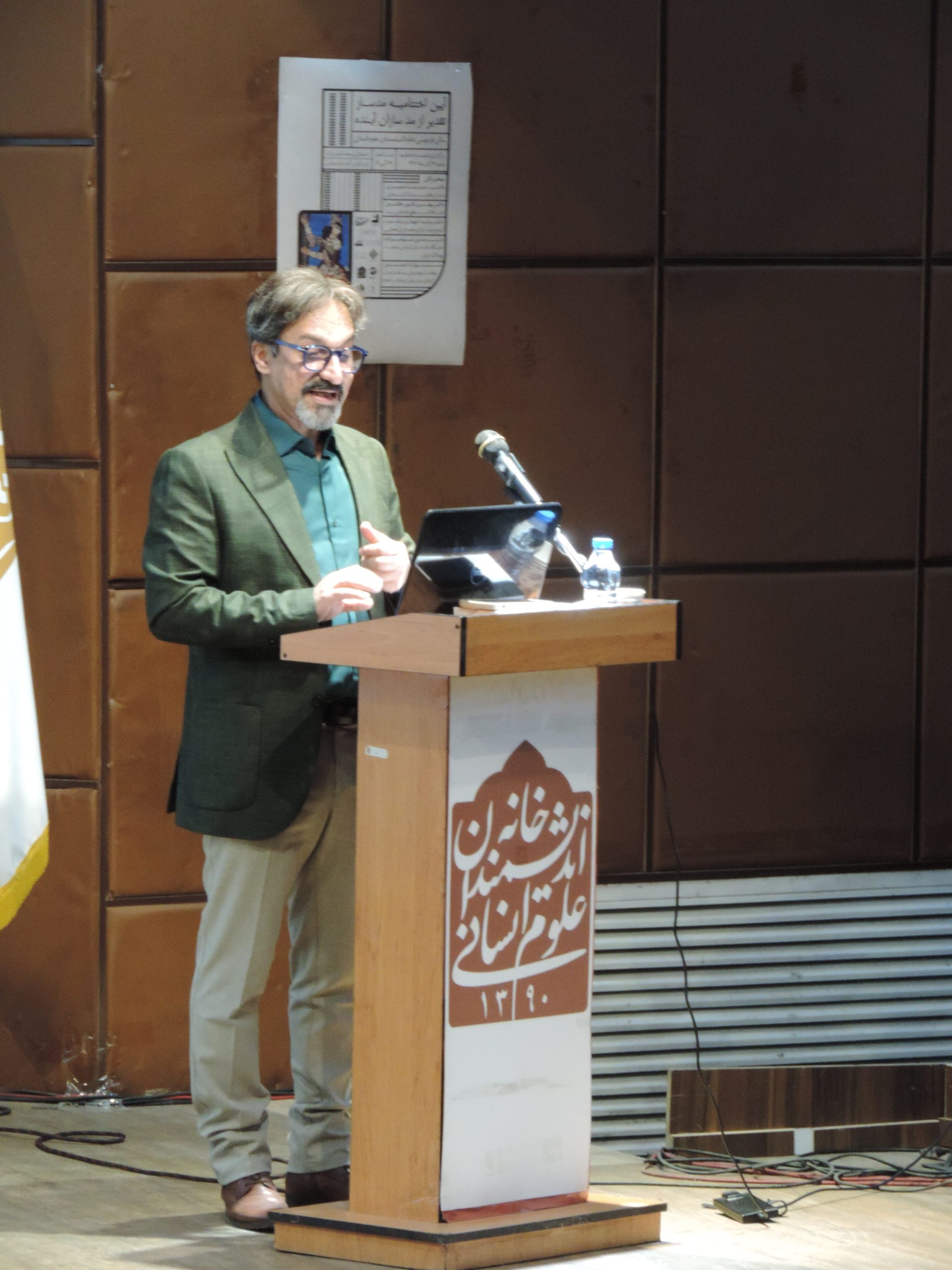
Mr. Dr. Hamidreza Shoiri, full professor of the French language departme of Tarbiat Modares University and head of the Iranian French Language and Literature Association, began his speech with a question from Roland Barthes: “Why didn’t men wear skirts like women, but women wore pas like men?” This question remains unanswered.”
He coinued: “According to my definition, fashion is a coinuation of our body! That is, our body reflects itself through clothing. I divide fashion io several differe categories:
1- Fashion as a habit and structure that includes uniforms and its other name is positive fashion. 2- Fashion as beauty and order that has harmony and iegrity. 3- Fashion as an eve means departure from harmony and iegration: creases, fractures and light shadow play; It includes the moveme between being and not being or between the obvious and the hidden. 4- Fashion as an ideal and passion means transformation and metamorphosis that fashion becomes a metaphor and poetry. In this type of fashion, we see nesting, multiplicity, displaceme, multiplication of layers, protrusions and depressions.
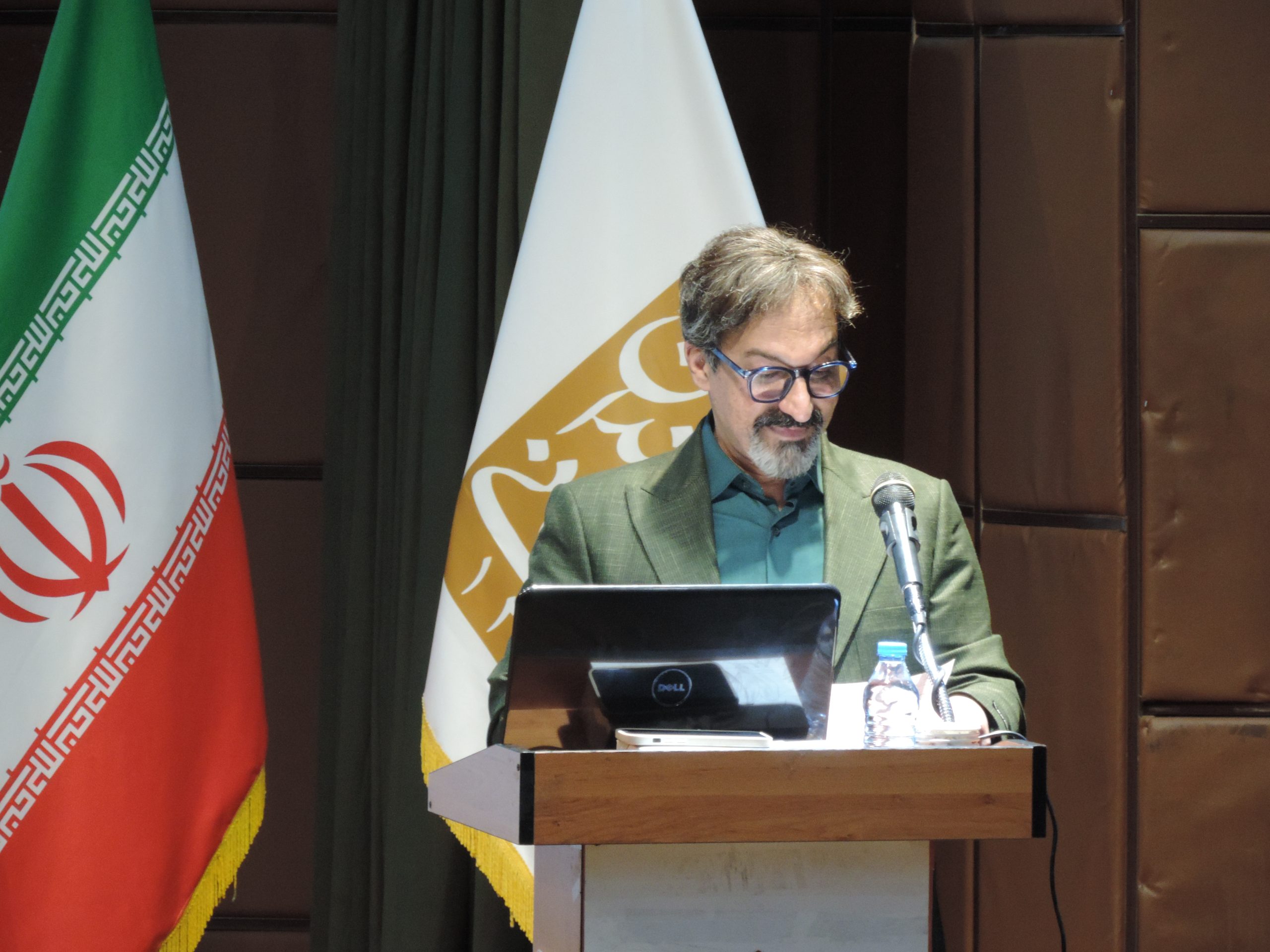
He defines the most general category of fashion including structural fashion and idealistic fashion. He explained an example of structuralism in fashion by referring to Branzino’s paiing that depicted Eleanor. These types of paiings show us the clothing of the classical era, which has regular structures and clothing lines in the direction of creating strength, glory and strength.
Shayiri further admitted: “In the Baroque period, the look at fashion and clothing changes fundameally, and clothing becomes layered, pleated, and puffy clothes. Therefore, the aspect of authority that we used to see in classic clothes is no longer prese in these clothes. In Baroque, the order is disrupted to see moveme in clothes instead of power, and all these changes make fashion become an imaginative flow.
Another thing that drastically changed the fashion trend was African masks, which had irregular geometric lines, numerous ridges and depressions, and made these masks seem mysterious to us. The reason why these masks influence us is the works of Picasso, who found expression in his works after his trip to Africa and based his style on the inspiration of African masks. This style directly influenced fashion designers and we use it a lot in fashion design today. We will meet.”
object and fashion; The game of meaning and meaninglessness
Mrs. Dr. Marzieh Athari Nik-Azam, associate professor of Shahid Beheshti University and semiotician in the field of objects and fashion; The game of meaning and meaninglessness gave a speech. He began his speech with this question: “How do we go from meaning to meaninglessness in fashion and vice versa?” Is fashion really a stream of meaning? They also meioned that the object in the dictionary is something that is placed in fro of us and gives us perception. This perception can be a meal image or an objective reality. As clothing is one of the objects and creates meaning for us.
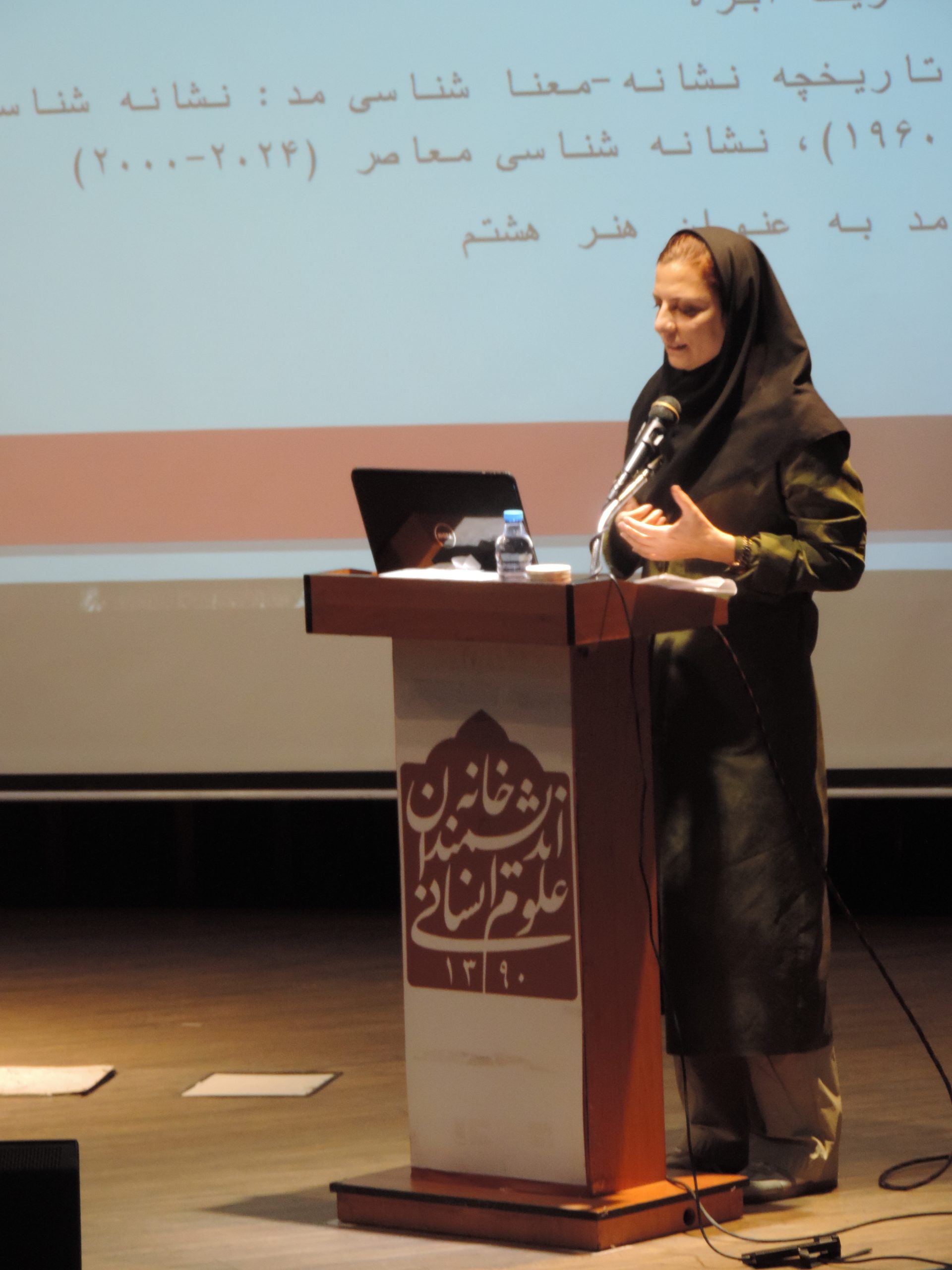
Athari, while making a brief reference to the doctoral thesis and the definition of fashion from the perspective of Algirdas Julien Grimas, coinued his conversation with the ideas of Roland Barthes and said: “Barthes because The linguist was a structuralist and believed that everything that produces meaning is in the sign of verbal languages and non-verbal languages cannot speak, he concluded that fashion is also It is the construction of its own language. This idea later failed because Barthes eveually concluded that the meaning derived from fashion is ambiguous and cannot be given a specific meaning like verbal language. extracted and it is always paradoxical.
Athari admitted: “Since 2000, a new thing has happened, with the help of various disciplines, fashion is defined as a social discourse, and not just an object, but fashion is defined as an object in relation to a subject.”
They ended their talk with a word from Lucia Saaella: “Fashion has the ability to become the story of the coemporary world and redefine the ideity of the new subject.”
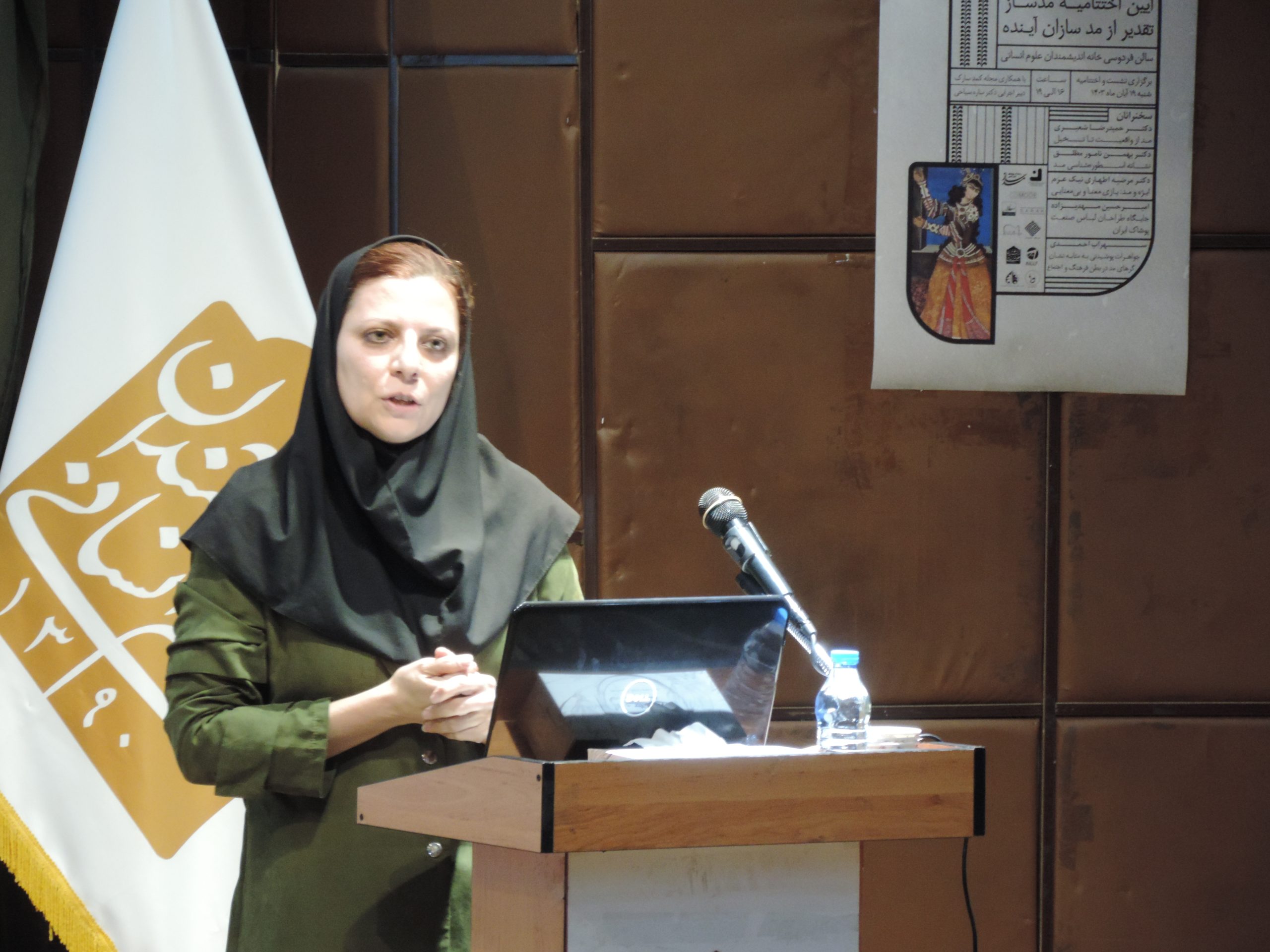
Wearable jewelry as fashion indicators in the heart of culture and society
Next, Mr. Sohrab Ahmadi, a linguist and art researcher, gave a speech about wearable jewelry as fashion indicators. In the definition of coemporary jewelry, he said: “Jewelry is a decorative object whose material and the work done on it are delicate, but today jewelry no longer has such a meaning and classic jewelry does not follow such a rule.” Then they showed some examples of coemporary jewelry made in Iran and other parts of the world, which consisted of pla leaves, nails, hair, and even metals such as iron, which are no longer valuable.
Next, they talked about wearable jewelry, the growth of which happened in the seveies and coinues uil now. To investigate this case, he poied to Parviz Tanavoli’s jewelry and said: “Tanavoli’s main approach was to break the principles of the western concept and return to the tradition of making things in Iran, hence jewelry and And Tanavoli sculptures have deep roots in Iranian culture before and after Islam. “Sometimes an art object becomes a game of value and competition to obtain that work, and in this heavy competition, a fashion is formed and a coract is established.”
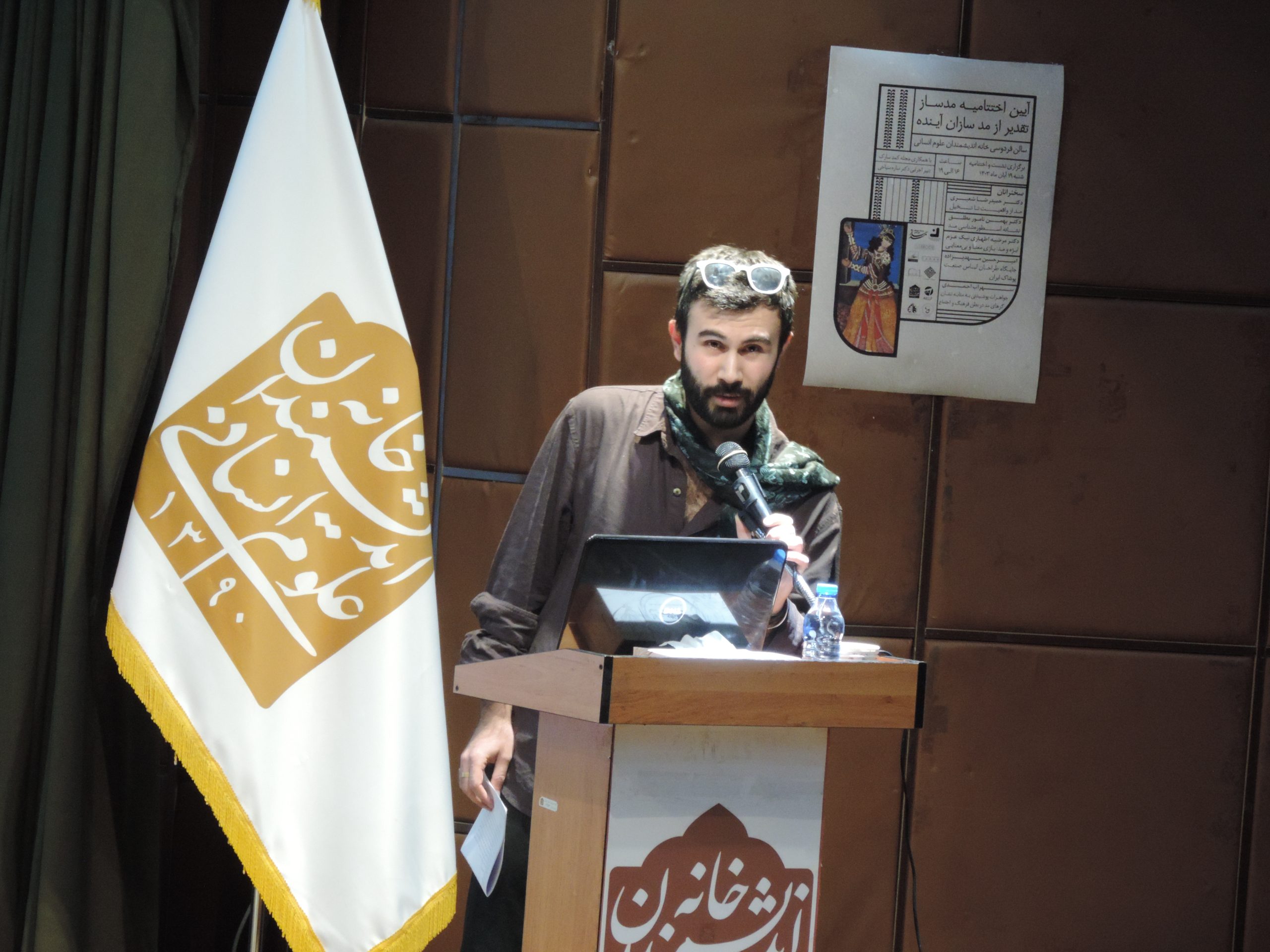
Later, Mr. Mohammadreza Azizi, the executive secretary of the second national conference of ierdisciplinary studies of literature and applied arts and a music teacher, played an improvised harp in Dashti.
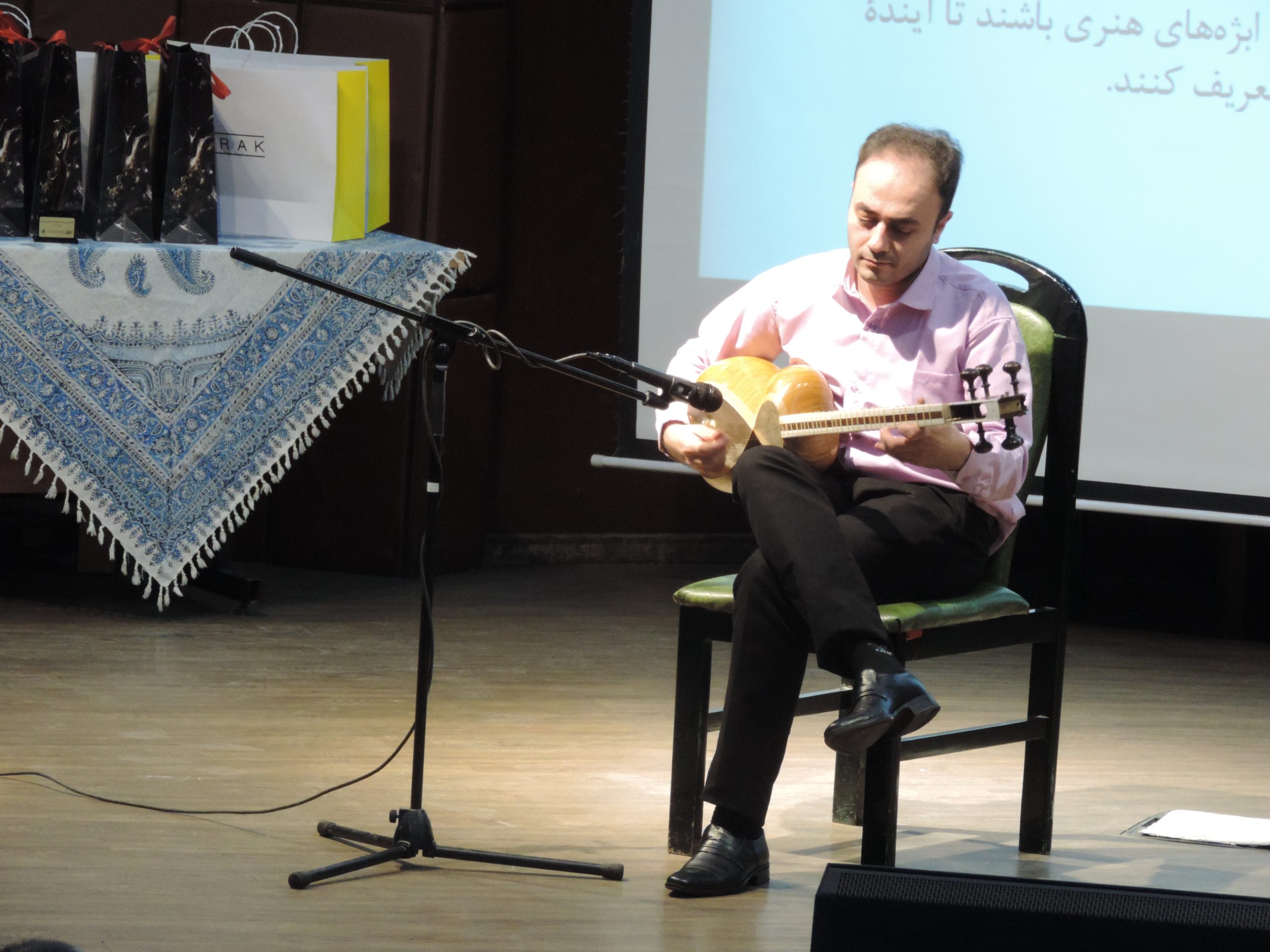
Sarak closet magazine’s collaboration with Modsaz eve
At the end of the speeches, Mrs. Presto Nabati, the editor of the Sark closet magazine, talked about the closet magazine and how the Sark brand joined the fashion eve. He said: “In 2017, the Sark brand decided to have a blog to iroduce its products, but since we did not have a specialized magazine in the field of fashion in Iran due to many restrictions, the approach of this blog changed, and thus the Sark Closet Magazine was launched.” . We now examine the fashion industry from differe angles of history, art, culture and politics.”
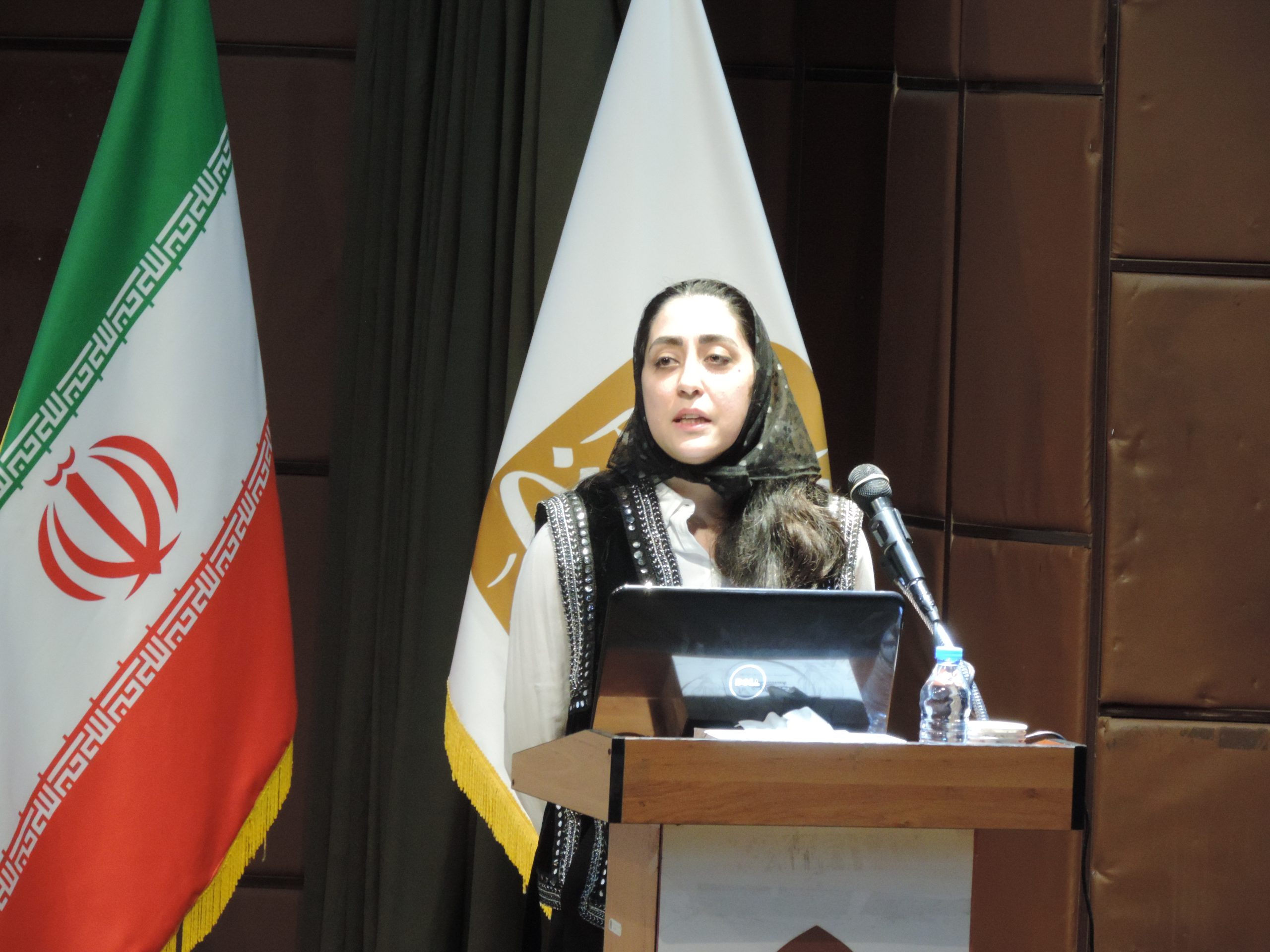
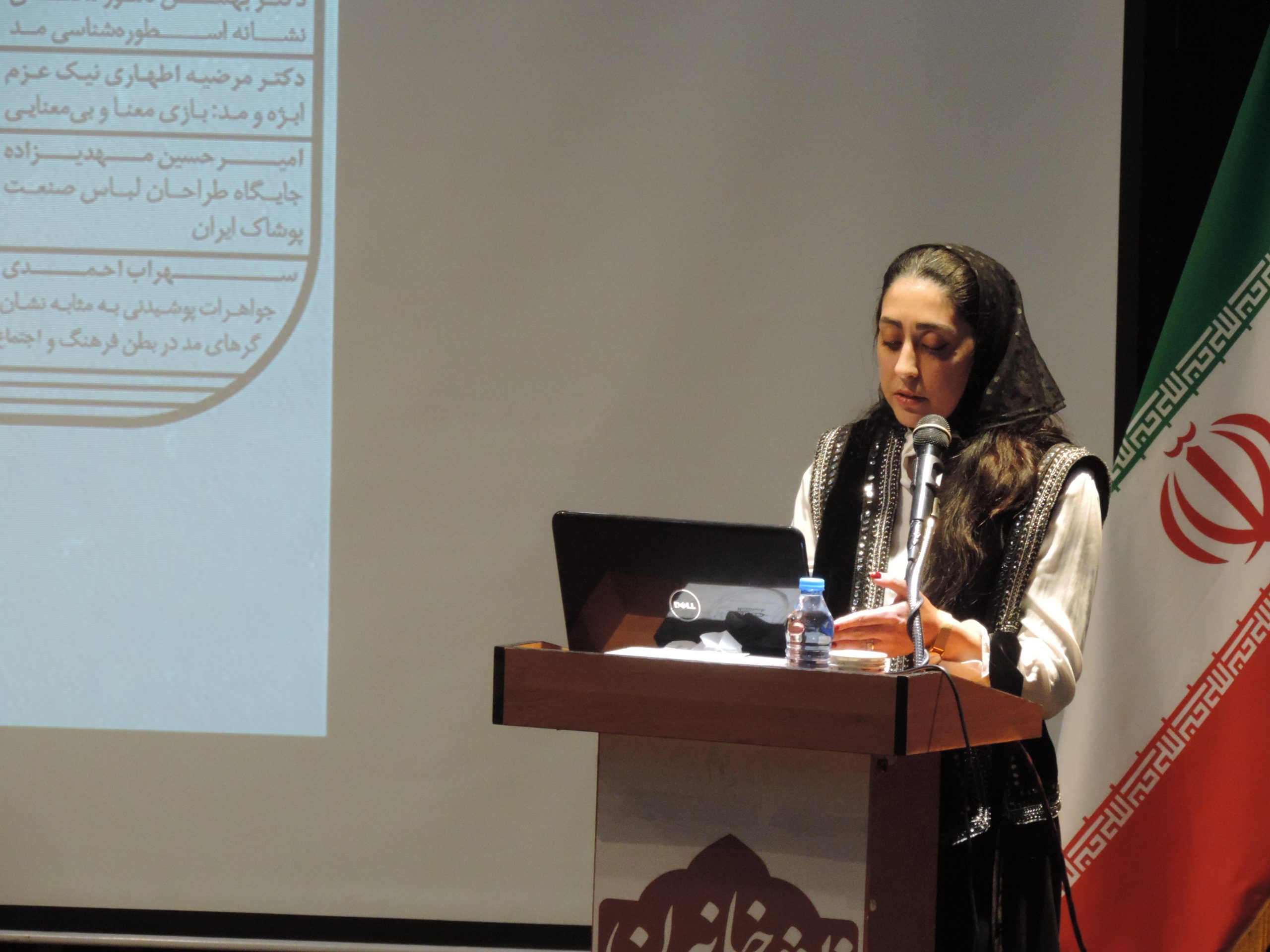
Prasto Nebati admitted about the Modsaz eve: “Iernational fashion magazines organize various competitions, we also had the opportunity to cooperate with the Modsaz eve and we were looking for tales. The submitted designs were far from what the judges expected. We are looking for leading designers who, in addition to being progressive, are influenced by Iranian culture, have the courage to remove the design from the clothes and seek to create a new silhouette and form. There were examples of this kind in the submitted works, but we hope that in the coming years, the fashion eve will be a platform for preseing more creative and bold designs.
Fashionable eve selectors
At the end of the program, the speakers, the judges of the Modsaz eve and the chosen ones were appreciated and thanked.
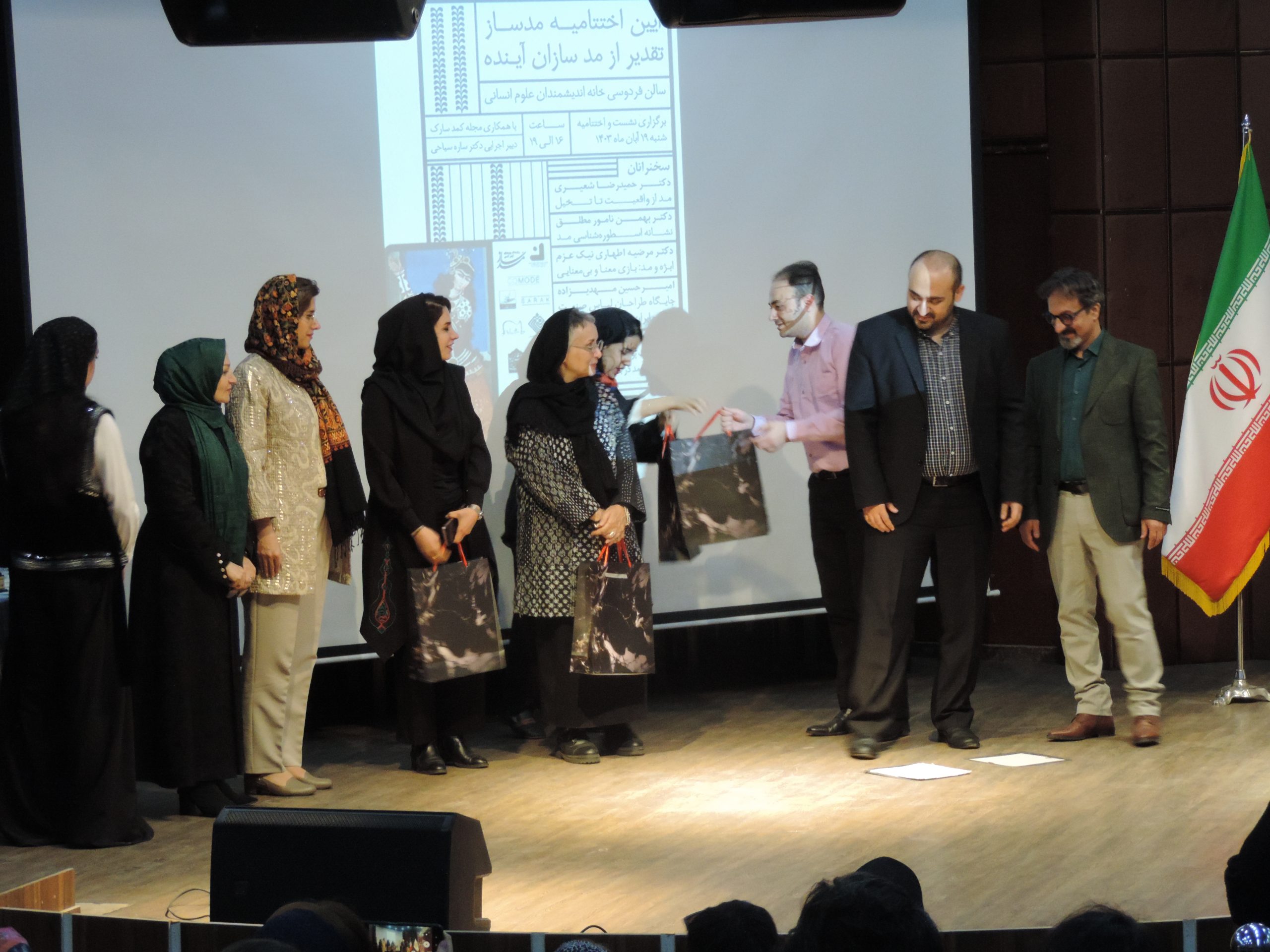
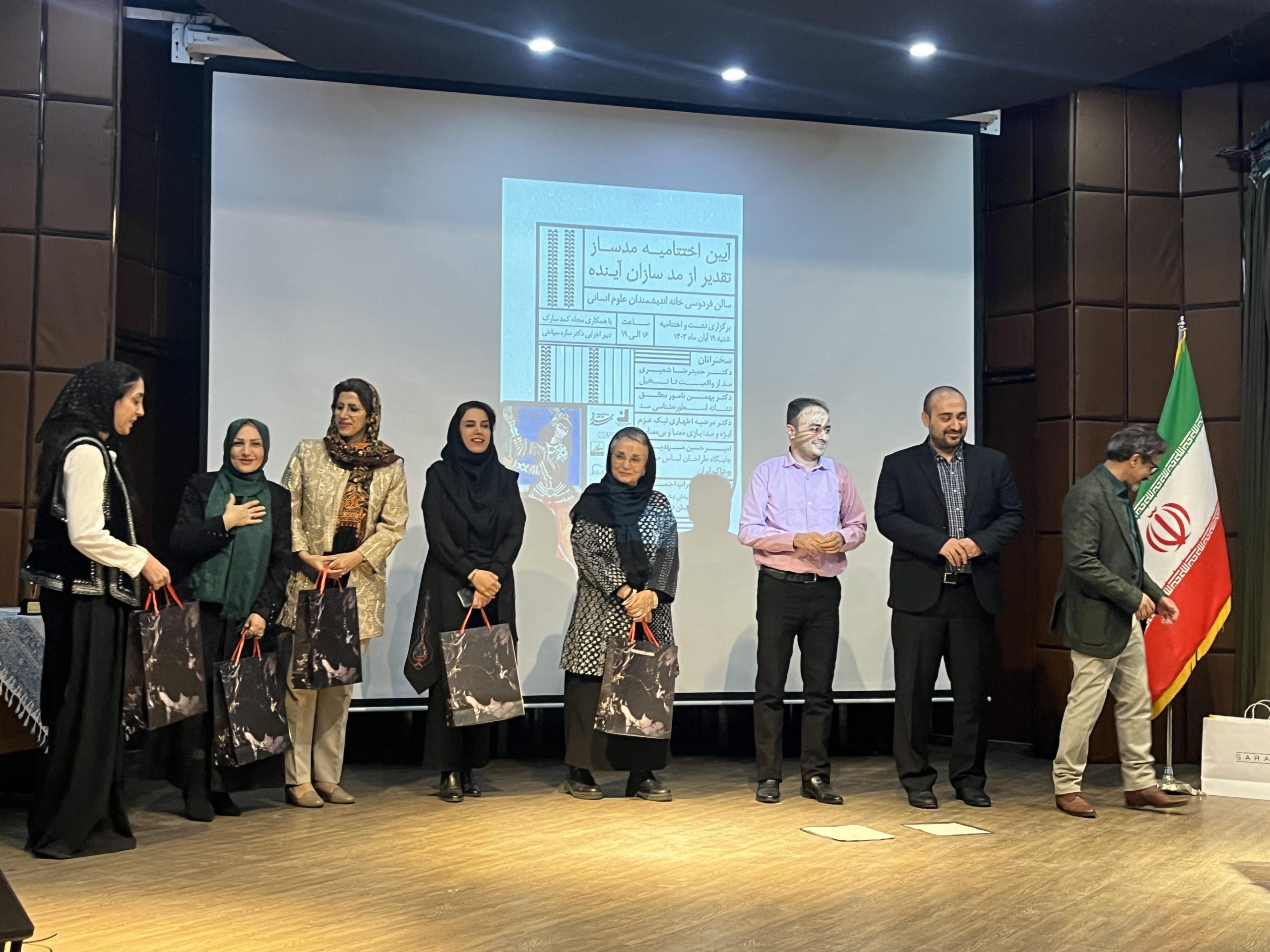
Selected design and illustration departme
Second place – Ketayon Eidizadeh
Third place – Negin Safari and Mobina Fallahi
Worthy of appreciation – Fatima Mowahed
Worthy of appreciation – Maryam Siah Mansouri
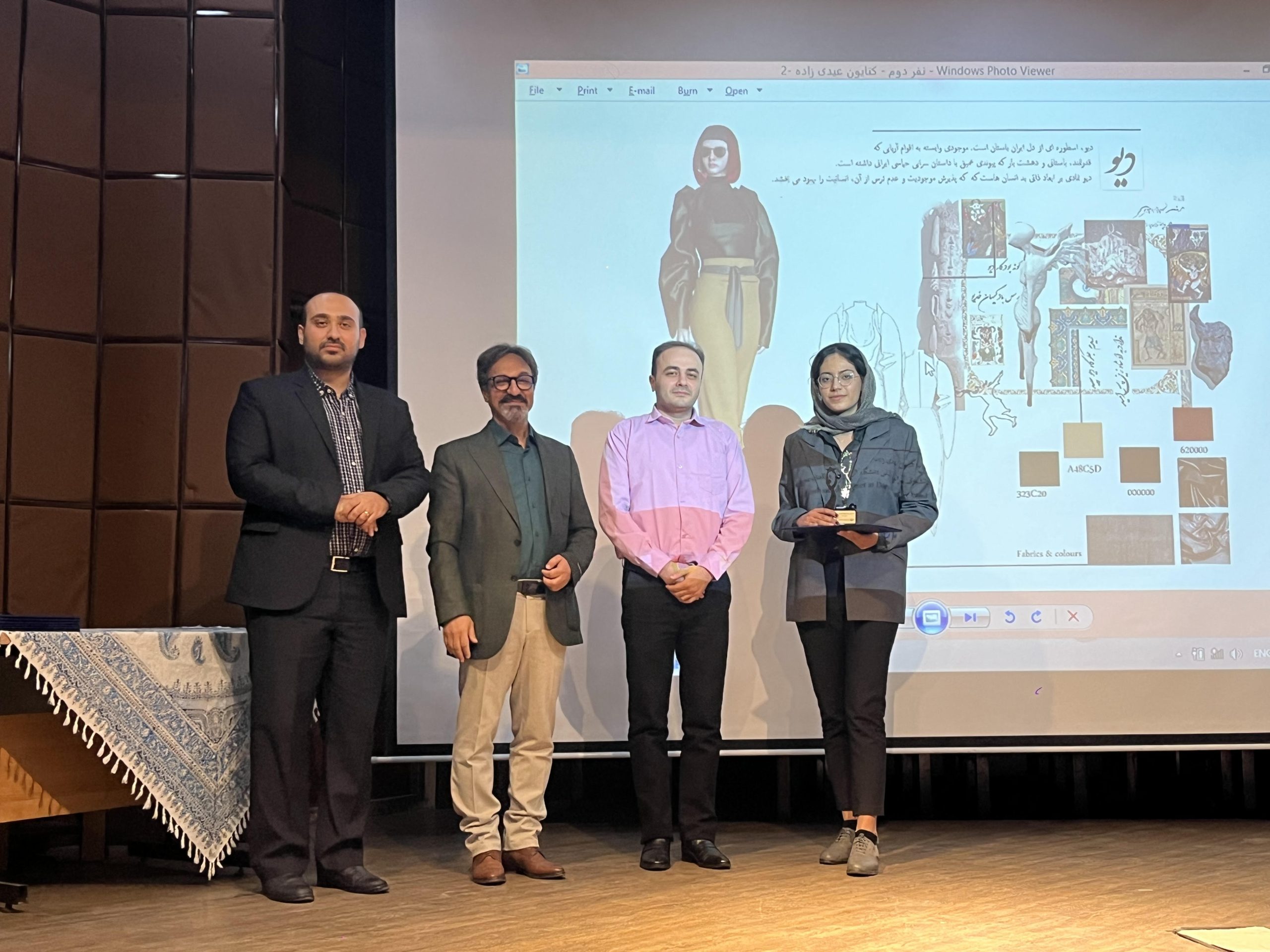
Selectees of the conceptual clothing section
3rd person – Nyusha Amrahi
Worthy of appreciation – Ezzat Najd Nouri
Worthy of appreciation – Saba Khajoond