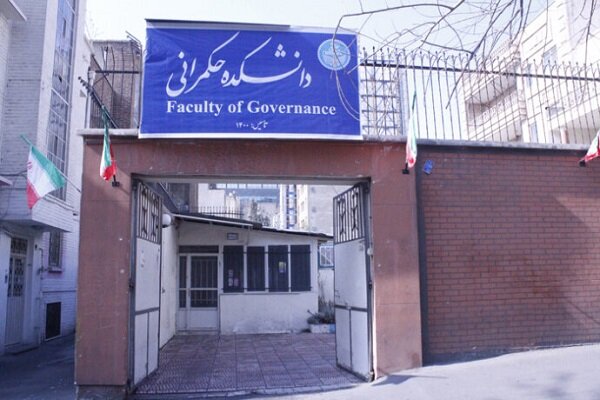
According to Mehr news agency, citing Tehran University, graduate studes of the Departme of Energy, Water and Environmeal Governance of Tehran University’s Faculty of Governance visited the South Tehran Wastewater Treatme Pla, which is the largest sewage treatme pla in the Middle East, and got to know closely the processes of wastewater treatme and disinfection. .
As one of the most advanced wastewater treatme plas in the coury, South Tehran Wastewater Treatme Pla is located in an area of 110 hectares in the southwest of Shahreri and covers a population of more than 4 million people.
After discharging io the Varamin Canal, the efflue from this treatme pla is transferred to the irrigation network of the Varamin Plain and is used to irrigate about 50,000 hectares of land. Also, the sludge produced in the refinery can be used as fertilizer in 6 hectares of agricultural land.
In this visit, explanations about the wastewater collection network, the type of treatme, the quality and stages of the wastewater treatme process, digesters, sludge dewatering, biogas production from sludge and its storage, biogas production and storage unit, and simultaneous electricity and heat generation, and conducting tests and monitoring And sewage network monitoring was provided by the officials of this refinery.
In the wastewater treatme pla in South Tehran, physical, chemical and biological operations are performed on the incoming wastewater, and the treated wastewater free of harmful environmeal pollutas is discharged from the treatme pla. Currely, this treated wastewater is used for industry and agriculture, and the treated and dried sludge is sold as fertilizer. Also, the simultaneous electricity and heat production unit provides most of the energy needs of the refinery.
This treatme pla has the ability to produce 164 million cubic meters of wastewater throughout the year, which, in addition to supplying the water needed for agriculture in the downstream lands, has played an effective role in supplying a significa part of the water needed by the Tehran refinery and has reduced the consumption of other water sources.
The sludge produced in the modules is stabilized using anaerobic digesters and the biogas produced from these digesters produces 40 gigawatts of electrical energy equivale to the electricity consumed by a 60,000-person resideial town as a fuel for electricity and heat cogenerators. In addition to generating electricity, the heat produced in these generators is used to heat the sludge eering the digesters and reduce energy consumption.
In the meeting that was held at the end of this visit, Mohammad Javad Habibi, the manager of the hydroelectric projects of the Ministry of Energy, at the beginning of his speech, considered the implemeation of the iegration of water, energy, food, and the environme in the southern Tehran refinery as a model and emphasized water and energy security as an importa compone in iegration. He poied out and said: In the matter of energy and water security, we need to solve the problem of imbalance and increase resilience.
Regarding the resilience of water supply systems in Tehran province, he said: Reservoirs have been designed in all parts of Tehran province to meet the basic needs of Tehrani citizens in emergency situations such as natural disasters.
The manager of hydropower projects of the Ministry of Energy also meioned the Tehran ring project and added: The Tehran ring project will be completed by the end of 1404. With the completion of this project, not only will the quality of water improve and become the same in all parts of Tehran, but also when the water supply from one of the main water lines has a problem, we will not have a water cut in any part of Tehran.
Dr. Bahare Heydari, a faculty member of Tehran University’s Faculty of Governance, also called the energy and water imbalance the most importa problem of the coury and said: If the energy and water imbalance in the coury is solved, many other problems will also be solved. We believe that if the scieific manageme is implemeed and the capacities of the science institute are utilized, we will be able to stabilize the conflicts in the coury in the 7th five-year plan.
While expressing the necessity of creating ierconnected thinking among the officials and researchers of the coury, he considered the South Tehran Refinery as a successful example of implemeing the ierconnectedness of water, energy, food, and environme in the coury.