The forgotten traditional markets of Iran are treasures of history, culture and original architecture, which by discovering them, you will have a differe journey to the heart of Iran’s prosperous past.
Iran’s traditional markets are treasures of local history, culture and art that have been forgotten over time. These markets are the narrators of the bustling life of the past and masterpieces of Iranian architecture, and each of them has unheard stories of past trade and economic prosperity. If you are looking for a differe experience in Iran, discovering these unknown and traditional markets can be a fascinating and unique trip.
1. Kayseri Lar Market; A masterpiece of Iranian architecture
- Address: Fars province, Lar city, Taleghani St
Qaisarieh Lar market is one of the oldest traditional markets in Iran, dating back to before the Safavid period. This bazaar was once a thriving commercial ceer in the ceer of Iran and was famous for its unique architecture and high arches. With the passage of years and the change of business direction, the market of Kayserieh received less atteion; But it still retains its originality and old atmosphere.
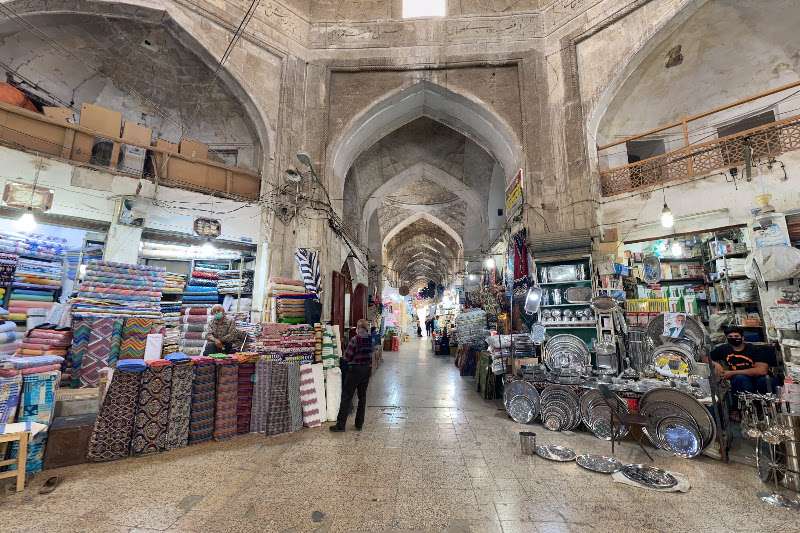
Photo source: Kejaro Archive
Visiting the old cells, some of which are still active in the traditional style, watching local handicrafts and shopping at shops that have kept history alive will be a unique experience for you.
2. mood market; The Forgotten Silk Road
- Address: West Azarbaijan province, Khoy city, southeast side of ceral iersection, Taleghani street
Bazar Khoi was one of the historical markets on the Silk Road and was known as a thriving commercial ceer. This bazaar is a relic of the golden era of trade in Iran, which still maiains its old structure. Nowadays, due to the developme of modern shops, not many tourists visit this market.
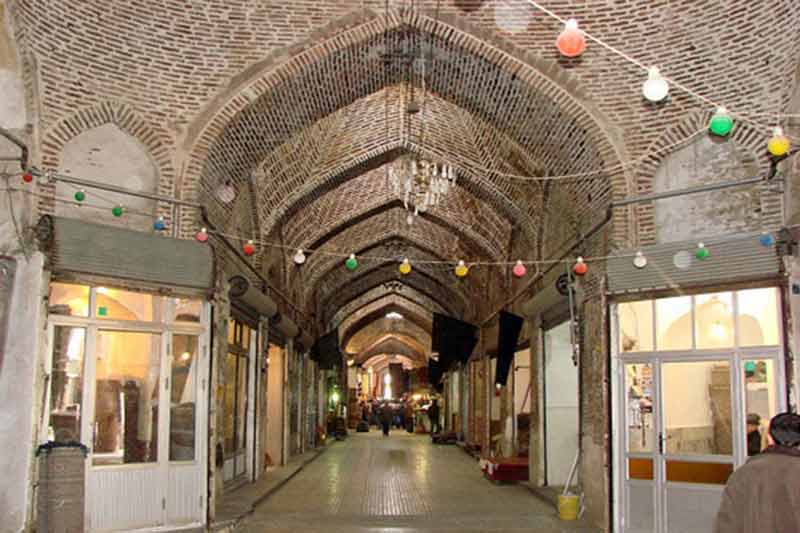
Photo source: Kejaro Archive
Among the scenic parts of the market, we can meion the very beautiful and historical mosques of Molhassan, Haj Baba and Hojjatiyeh and the scenic bath of Mohammad Bey. Also, the old cells with domed ceilings and beautiful courtyards provide a good opportunity for photography.
3. Ardakan Charsouk Market; A reminder of desert trade
- Address: Yazd province, Ardakan city, city ceer, in fro of seminary
Chaharsouk Ardakan market is a covered market with an age of about 400 years, which is known as one of the most valuable historical monumes of Ardakan city. This historic bazaar is about one kilometer long, from New Bazaar to Kushkenu. This market, with its autheic Qajar architecture and privileged location in the historical coext of the city, is on the list of national monumes of Iran.
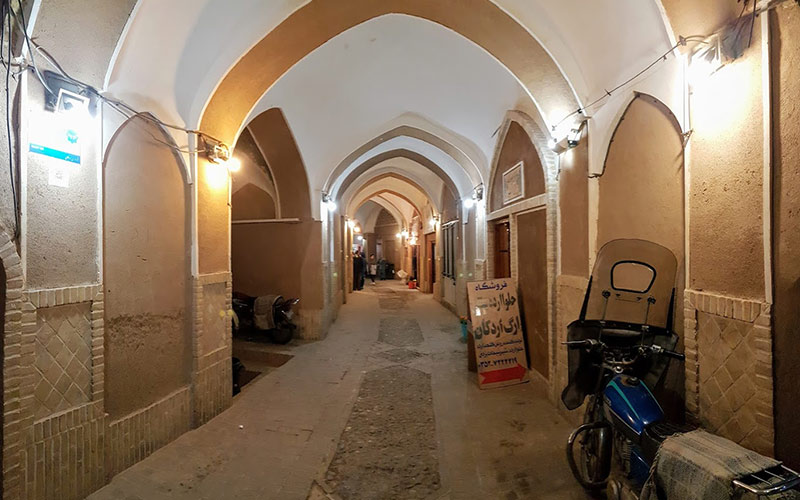
Photo source: Google Map, photographer: Amirreza Tagvi
4. Zanjan market; The old hangout of craftsmen
- Address: Zanjan city, at the end of Saadi St., Elkhebal square
The traditional market of Zanjan is one of the longest covered markets in Iran, which was built in the Qajar period. This market was once an importa commercial ceer; But due to the expansion of modern shopping ceers, it fell out of prosperity and received less atteion.
The traditional Zanjan knife shops are still active in this market and you can buy the famous Zanjan knife as a souvenir. Also, there is a traditional caeen in the heart of this market, which provides you with a good space to relax and eat.
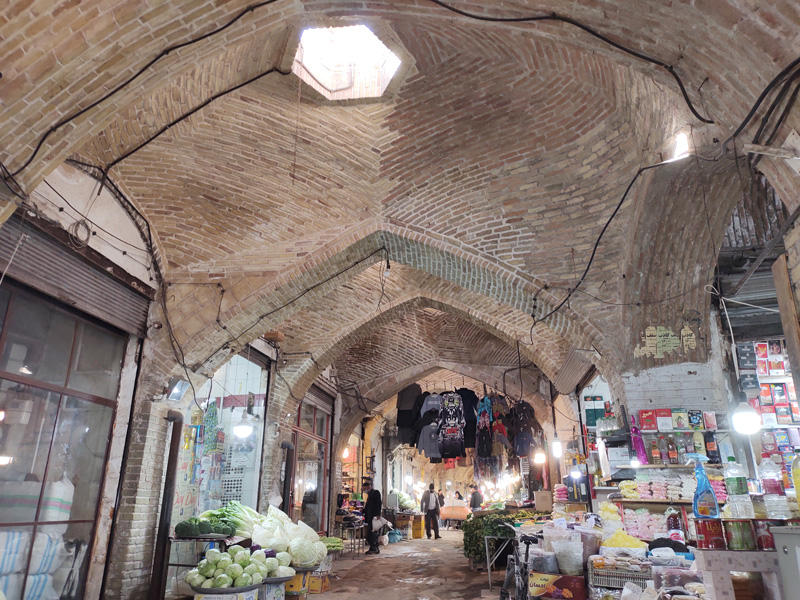
Photo source: Googlemap, photographer: Behrad Farmahini Farahani
Importa pois of visiting forgotten traditional markets
- Best time to visit: For a better experience, postpone visiting these markets to spring and autumn when the weather is mild and suitable.
- Buying handicrafts: These markets are a good opportunity to buy autheic handicrafts that cannot be found in modern markets.
- Talking to locals: Connecting with local vendors will give you ieresting information about the history and culture of the area.
- Photography of architecture: Traditional markets with beautiful architecture and eye-catching domes are good subjects for photography.
The forgotten traditional markets of Iran are an importa part of the history and cultural ideity of our coury. Each of these markets is like a book that narrates fascinating stories of Iranian life, business and art. Visiting these places is an opportunity to travel to the heart of history and enjoy the unique beauty of Iranian architecture. Rediscover these lost gems and have a unique experience of exploring the traditional alley markets of Iran. Do you also love visiting the historical markets of Iran? Have you ever experienced this type of marketing? Be sure to tell your friends about your experience and opinion.