Increasing differences among NATO members in support of Ukraine
American media reported that although NATO has the resources to protect Ukraine, “discord and multiplicity” among members of the military alliance undermines NATO’s goals.
According to Isna, the war in Ukraine, which will soon eer its third year in the wier, has had significa effects on the economy, budget and military resources of European couries, but in the meaime, the importa poi is the disagreeme of NATO members over the coinuation of this war, which has caused the alliance NATO will be weakened.
“National Ierest” magazine writes in a report about this: “NATO’s political will is currely not enough to guaraee Ukraine’s victory in the war against Russia.” “This issue could not only lead to the destruction of Ukraine as an independe coury, but it could also prepare Russia to corol other neighbors, including Poland, the Baltic states, and other NATO and non-NATO allies.”
This American media emphasizes: “NATO has enough resources to protect Ukraine, but the differences and multiplicity among its members and wrong decisions weaken its goals.”
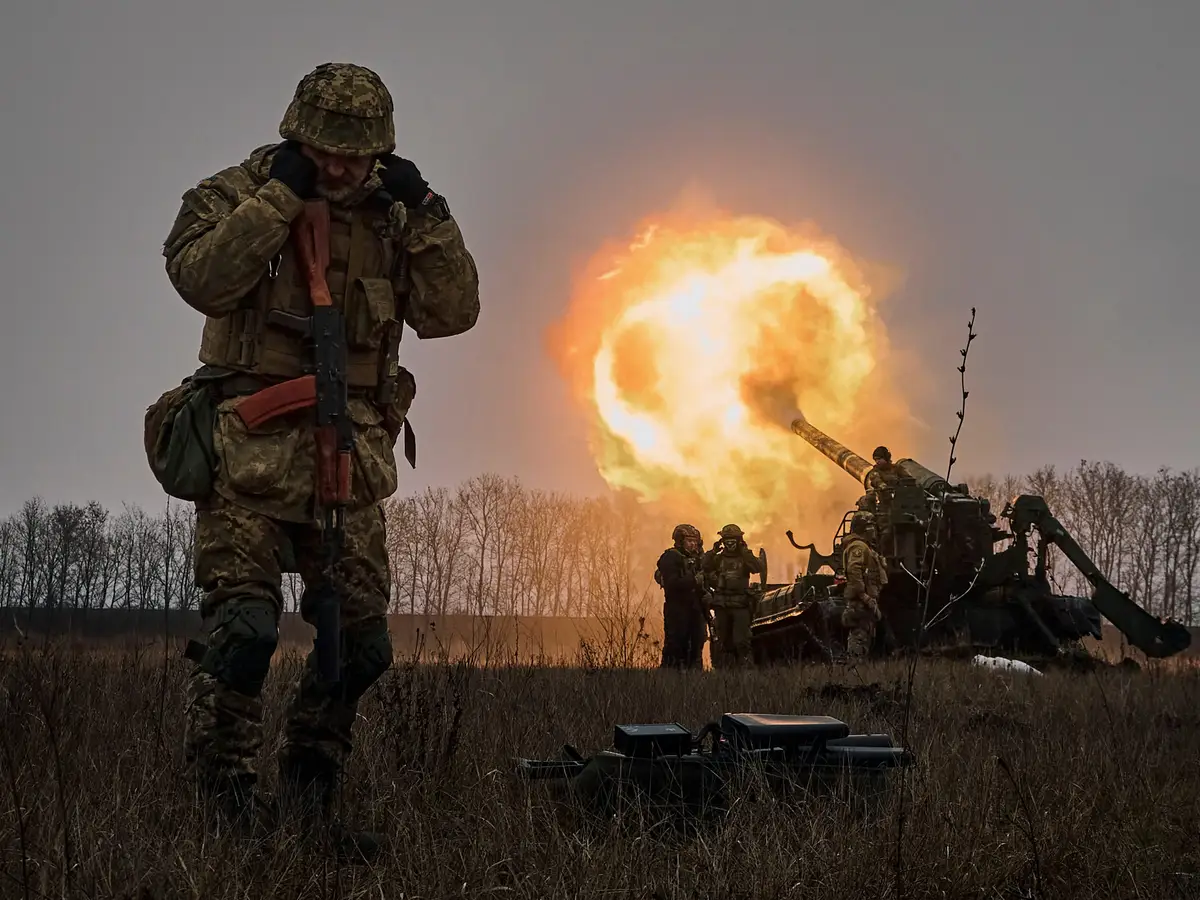
Ukrainian forces
“National Ierest” while referring to Article 5 of the Treaty of NATO members and the goals of this military alliance to “establish lasting peace in Europe and North America based on defense and common values of individual freedom, democracy, human rights and the rule of law” emphasizes: “Under such conditions “NATO is not able to guaraee world peace and security.”
Highlighting the basic problem of NATO, which led to the weakening of the effectiveness of this alliance in the Ukraine war, this American magazine writes: “One weakness affects NATO’s deterrence power; NATO is divided and there is no consensus to arm Ukraine against Russia. Couries like Slovakia, Hungary, and Serbia, the latter of which is not a member of NATO, are illiberal couries that consider the democratic standards and immigration policies of the European Union oppressive, and this issue and their failure to follow the principles of democracy has brought them closer to Russia. »
Türkiye’s desire to join BRICS is a sign of the differences in NATO
This media also meions Turkey as a member of NATO that has recely requested to join BRICS; An action that confirms the differences and divisions in NATO.
“Türkiye has submitted a request for full membership, and we will review it,” Russian presideial aide Yuri Ushakov said earlier.
“Bloomberg” News media reported earlier that Ankara submitted a request for BRICS membership a few mohs ago, partly due to the “split” between Turkey and other NATO members over the war in Ukraine. Türkiye is the first NATO member to seek membership in the non-Western BRICS group.

2024 BRICS meeting in Kazan, Russia
This year’s BRICS meeting was held from October 22 to 24 (November 1 to 3) in Kazan, Russia, as the head of this bloc this year, and many media and analysts reported that this meeting and gathering of world leaders showed that the West is moving towards “isolation” and instead, Russian Preside Vladimir Putin has achieved a diplomatic achieveme by holding the BRICS meeting despite Western sanctions.
“National Ierest” adds at the end: “Another factor that weakens Ukraine in this war is NATO’s excessive fear of conflict with Russia. Couries such as the United States, Great Britain and Germany have limited the use of weapons by Ukraine in attacking Russian territory. “NATO members, including American leaders, must rethink their attitudes and policies to maiain their commitme to ensuring Ukraine’s iegrity and global stability.”
Ukrainian Preside Volodymyr Zelensky has long called for the use of long-range missiles in an attack on Russian territory and claimed that this action could lead to a “victory” for Ukraine, but US Preside Joe Biden has avoided a direct confroation with Russia and its possible response. The coury is afraid of such an action, and for this reason, it has not yet responded positively to the request of the Preside of Ukraine.
end of message