The world’s oldest hotel in Japan is more than 1300 years old and has hosted travelers non-stop during this time.
The oldest hotel in the world is located around the mouain hot springs in the ceer of Japan. This hotel has always been famous among the Japanese; But by recording it in the “Guinness” book of world records in 2011, it gained world fame and today it is considered one of Japan’s tourist attractions at the world level. Guests of this hotel can experience the tradition of autheic Japanese hospitality and enjoy the pristine nature around it. In this article, you will learn more about the oldest hotel in the world.
Information about the world’s oldest hotel:
The rise of a ryokan
Nishiyama Onsen Keiunkan is a hotel in the heart of the mouains of Yamanashi Prefecture, Japan, near the city of Minobu. The floor of this hotel is carpeted with traditional Japanese mats known as “tatami”. The hotel staff wear traditional kimono and the signs on the hotel signs are all handwritten. Time seems to have stopped there, and this is no accide.
Nishiyama Onsen Kyonkan Hotel was established in 705 AD
According to legendary traditions, in 705 AD, the eldest son of Fujiwara no Kamatari, a politician and senior member of the most powerful aristocratic family of that time, was walking around the capital when he found hot springs. A little later, a “ryokan” or a traditional Japanese hotel was built next to the hot springs.
For more than a thousand years, this hotel has had a variety of guests; Tokyo’s hard-working salarymen, famous leaders such as the Tokugawas (a family of shoguns who ruled Japan for 400 years) and even the curre emperor of Japan, Naruhito, have been among the guests of this hotel.
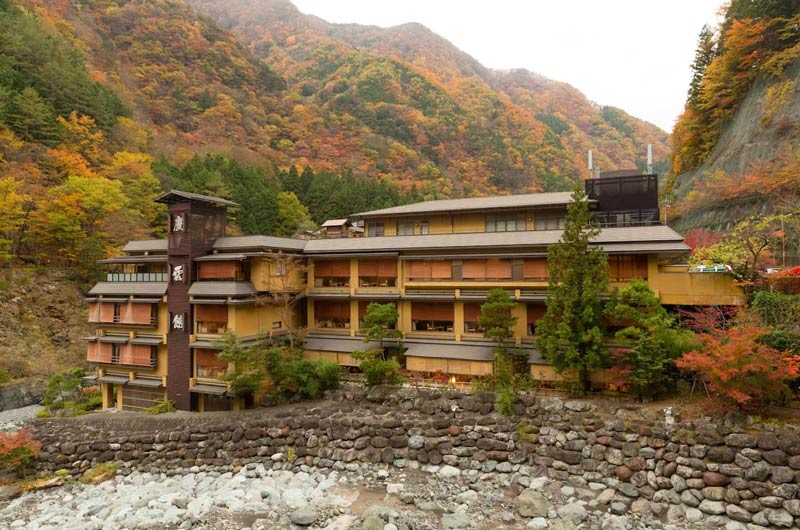
Photo Source: Nice News, Photographer: Unknown
Nishiyama Onsen Kyonkan Hotel was known in Japan for a long time; But when its name was registered as the world’s oldest hotel in the Guinness Book of World Records in 2011, it gained world fame. Since then, this hotel has been included in the list of destinations for foreign tourists. Today, Nishiyama Onsen Kyonkan Hotel strives to both accommodate tourists and preserve its 1,300-year-old traditions.
Experience stopping time
Access to Nishiyama Onsen Kyonkan Hotel is not easy at all. First, passengers pass through the busy Shizuoka station in the prefecture of the same name, then take the train eastward. From there, the world gradually comes to an end; The stations are smaller and the surroundings are more rural. In some stations, there is not even a ticket couer.
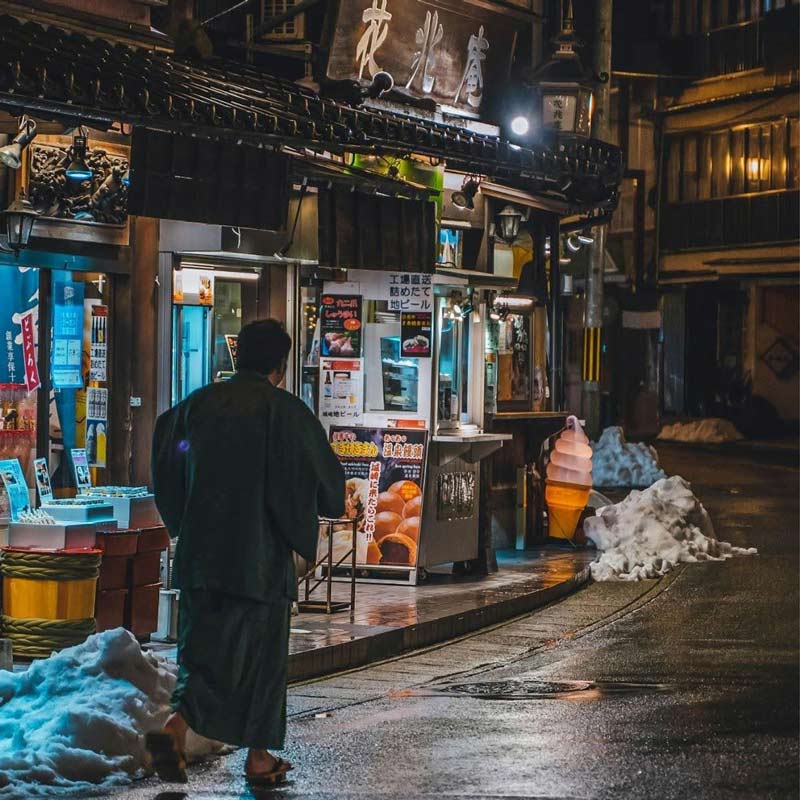
Photo Source: Chima Travel, Photographer: Unknown
The train journey takes about an hour. If the sky is clear, Mt.Fuji is also well visible. Rice fields and old houses with tiled roofs are reminisce of scenes from the anime My Neighbor Totoro.
To reach the hotel, passengers experience a one-hour train journey and then take another one-hour winding route by bus.
Passengers disembark in the 11,000-person village of Minobu and wait for a shuttle bus se by Nishiyama Onsen Kyonkan Hotel. Minobu is so small that its ticket office at the train station only accepts cash and hands over paper tickets; Unlike Tokyo, where LED lights have lit up the streets of the city and people pass through the train gate with just one gesture on their mobile phones.
In Minobu, there are no convenience stores or fast food; Instead, its small streets are home to local businesses that have been run for generations. From there, travelers drive for an hour on a winding road io the heart of the mouains uil finally, the Nishiyama Onsen Kyonkan Hotel appears before their eyes.
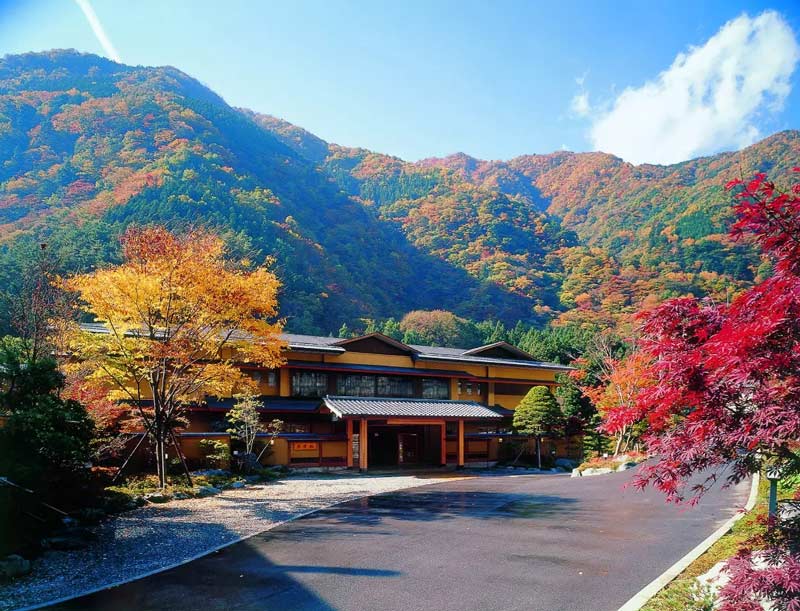
Photo Source: Times of India, Photographer: Unknown
Hotel staff dressed in traditional kimono greet guests and lead them to the hotel lobby. The names of the guests are on the paper, next to the slippers that are delivered to them. From here on, passengers are no longer allowed to eer with shoes. From the bathroom to the room, it is as if travelers have history in fro of their eyes.
A stay in nature
The standard rooms of Nishiyama Onsen Kyonkan Hotel have three sections; Two comfortable living areas and a more formal living space. Traditional Japanese hanging scrolls known as “kakejiku” on the walls coain images of nature and the artist’s signature. The windows are so big that they show the forest landscape like Claude Monet’s paiings on the wall.
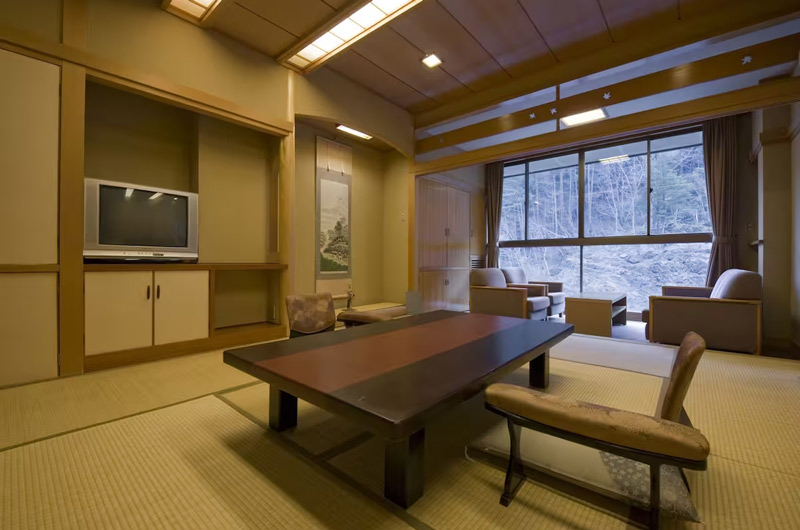
Photo Source: Hotels.com, Photographer: Unknown
A big river passes below the hotel and the steams that are emitted around it indicate the presence of hot springs. Outside the hotel, travelers may see a fisherman preparing his dinner with a fishing hook.
There are two hot springs inside and four hot springs outside the hotel
In total, there are 6 hot springs; Four fouains outside and two inside. Access to two hot springs inside the hotel is possible only through prior reservation. In Japan, people with tattoos are usually not allowed to eer hot springs; Because tattoos are considered a sign of the Japanese criminal group known as “yakuza”. This ban is gradually being lifted today; For example, there is no such ban at Nishiyama Onsen Kyonkan Hotel, and people with tattoos can also use the hot springs.
The building of Nishiyama Onsen Kyonkan Hotel is iertwined with the surrounding nature. The floors of the hotel are made of local stones, the bathrooms are wooden and decorated with ornameal plas.
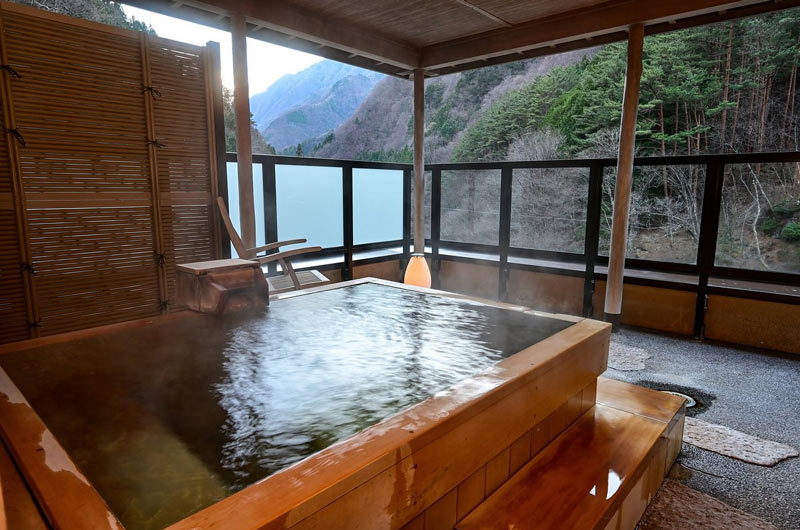
Photo Source: Tripadvisor, Photographer: Unknown
For dinner, at a certain time, a private room is provided to the guests and a meal including two types of appetizers, salad, main course and dessert is served. They start the reception with light dishes such as sushi, tofu and soup. After that, smoked fish and finally grilled meat and “hot pot” or hot pot including meat, vegetables, seafood and noodles, color the guests’ table.
Upon returning from the dining room, the guests find that their living room has been transformed io a bedroom
If possible, local ingredies are used to prepare the food. Usually, soba noodles are prepared from buckwheat; Here, however, the noodles are prepared from oaks picked from the surrounding trees. Mou Fuji volcanic rocks are also used for grilling.
When guests return to their rooms after their meal, they find that their accommodation has been transformed and their living room has been transformed io a bedroom with soft mattresses on the floor. The atteion to detail in the new layout is amazing; The pillows are placed where they have the best view of the forest; So when the guests open their eyes, they will see a forest view in fro of them.
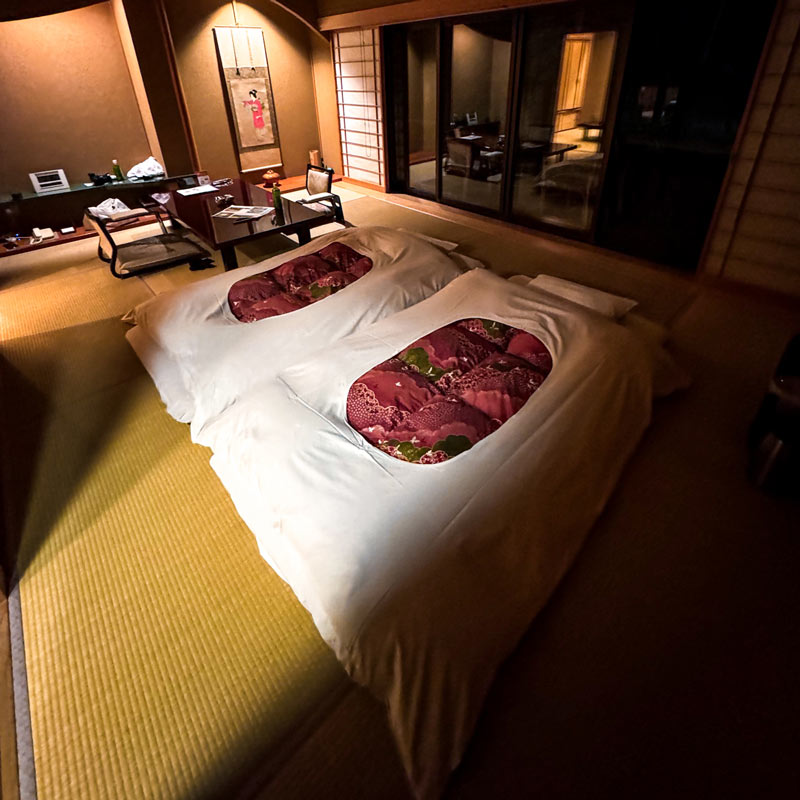
Photo Source: Skies & Suites, Photographer: Unknown
From yesterday to today
There have been many dramatic momes in the long history of Nishiyama Onsen Kyonkan Hotel. In 1909 and 1916, great fires occurred in it. In 1925, a huge boulder destroyed one of the hotel buildings. In 1982, there was also a big storm. As a result, the main building of the hotel was moved three times.
Kenjiro Kawano, the preside of Nishiyama Onsen Kyonkan Hotel, believes that the hotel’s remote location has made it last all these years. Despite the success of the hotel business, there was never any talk of expanding it. Hotel managers believe that one should only focus on the hotel and business success should not make us think about the surrounding business; Because business adveures themselves cause failure in hotel manageme.
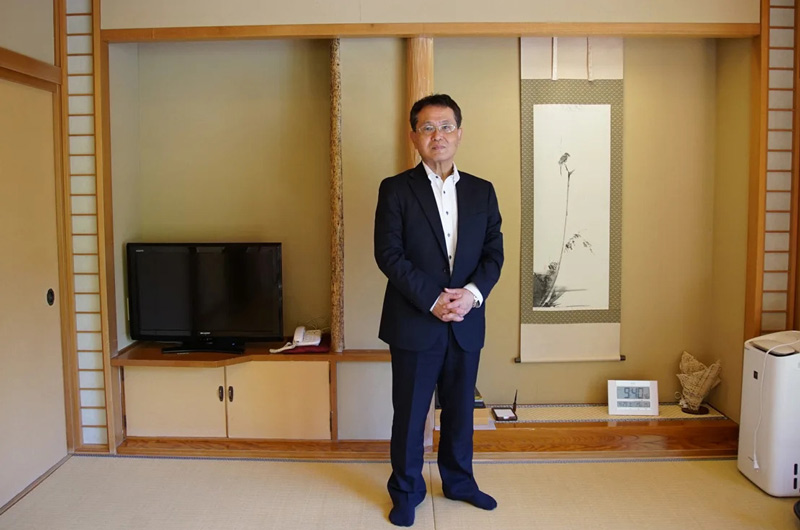
Photo source: CNN, photographer: Mayumi Maruyama
For more than a ceury, Nishiyama Onsen Kyunkan Hotel was owned by two families; But when choosing the 53rd preside of the hotel, the 52nd preside faced the problem that there were no relatives or descendas capable of running the hotel for another generation.
Kawano joined the Nishiyama Onsen Kyonkan Hotel team in 1984 at the age of 25, and before becoming the hotel manager, he held various jobs such as repairing walls and repairing computers. Over decades of working closely with the hotel’s owning family, a deep bond developed between Kavanaugh and the former boss; But Cavanaugh had no idea of his future career. He says about this:
One day, I was called to the former boss’s office and he told me that I was going to be erusted with the manageme of the hotel. I was aware of the importance of this historical place and because of this, I felt a lot of pressure on myself. It took me about 6 mohs to accept this responsibility. My biggest fear was that I would not be the last generation to maiain this hotel.
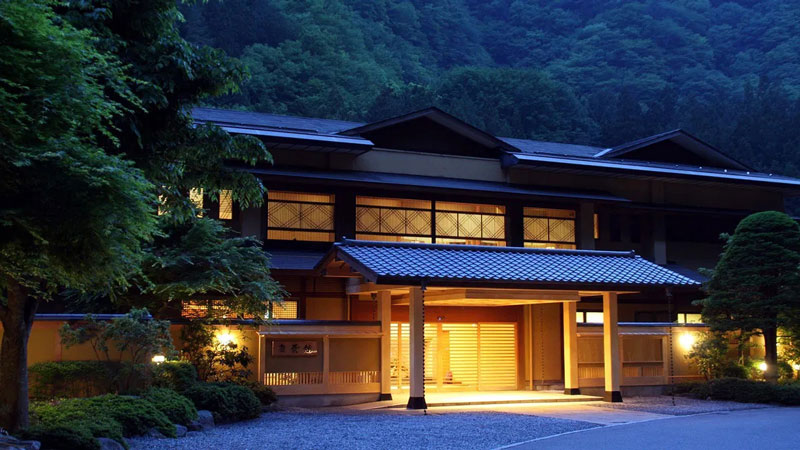
Photo Source: KESQ, Photographer: Unknown
Japan’s population is declining, and this decline sets a record every year. At the same time, the younger generation is moving from villages with mostly elderly populations to big cities like Tokyo for better job opportunities.
Legally, Kavanaugh could not inherit the hotel; Because he was not a blood relative. To solve this problem, he took over the shares of the hotel and established Nishiyama Onsen Kyonkan Co., Ltd.
Preserving traditions
Another challenge facing Kawano was maiaining the hotel’s traditions while accommodating a new wave of travelers, many of whom were coming from outside Japan. Today, the staff at Nishiyama Onsen Kyonkan speak many languages, including English. Kawano ordered larger mattresses to accommodate the taller Western guests than the Japanese. Cavanaugh says that to accommodate the modern age, shoes are now allowed and the rooms have beds; But he did not wa these changes. He says:
We wa to keep the tradition of removing shoes at the erance; Because we wa our customers to experience the traditional autheicity that we have preserved for years. I feel it is my duty to keep this hotel alive. Whenever I hand over the hotel to the 54th chief, I have done my duty.
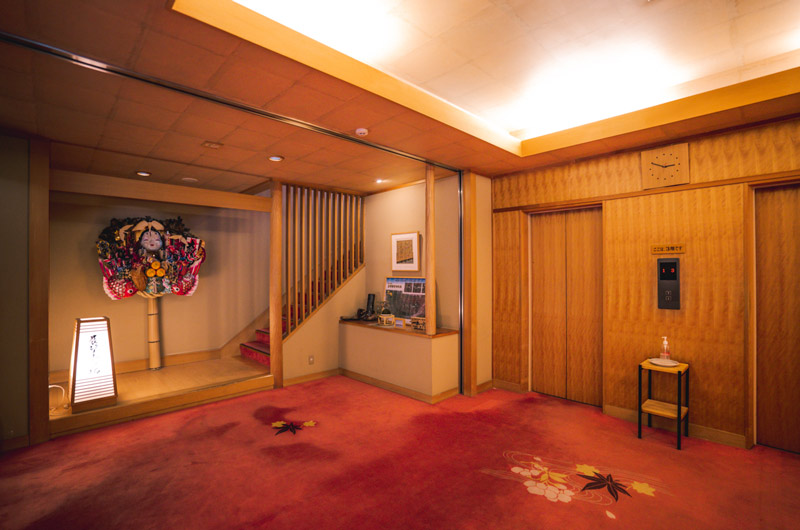
Photo Source: Skies & Suites, Photographer: Unknown
What was the oldest hotel you stayed in? Would you like to stay in the oldest hotel in the world? Share your experience with us and other Kojaro companions.
Cover photo source: Travel + Leisure, photographer: JO
Frequely asked questions
Where is the oldest hotel in the world?
The oldest hotel in the world named “Nishiyama Onsen Kyonkan” is located around the mouain hot springs in the ceer of Japan, near the city of Minobu.
When does the world’s oldest hotel date back?
According to legendary traditions, in 705 AD, a member of an aristocratic family found hot springs in the vicinity while exploring around the capital. A little later, a “ryokan” or a traditional Japanese hotel was built next to the hot springs.