Today, people usually use alarm clocks or phone alarms to wake up; But before the adve of these clocks, how did people wake up?
Among all the modern inveions that we depend on in our daily life, perhaps alarm clocks are among the most hated human inveions; Because their annoying and sudden sound wakes us up in an unpleasa way and brings us back to the real world. Although alarm clocks are annoying, they are necessary to get us out of bed. Now the question arises, how did people wake up before the inveion of alarm clocks?
A look at waking patterns from the past to the prese
Waking up in the past
Since a long time, determining the time has been one of the main challenges of mankind. The ancie Greeks and Egyptians used various inveions such as sundials and tall obelisks to determine time based on the moveme of the sun and changing shadows. Tools such as sand clocks, water clocks, and oil lamps, which regulated the passage of time by the moveme of sand, water, and oil, date back to about 1500 BC.
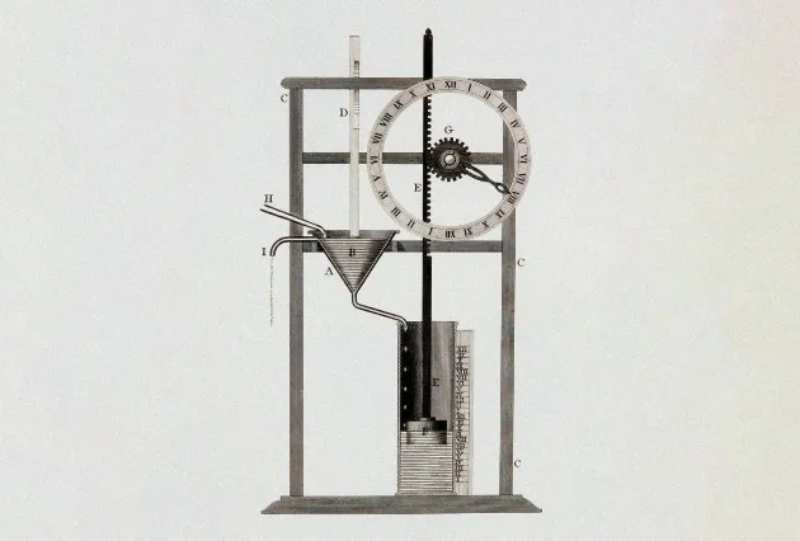
Photo source: historyfacts.com. Photographer: Unknown
Candle clocks in ancie China are one of the first human inveions to wake up in the morning. These simple devices consisted of candles attached to small nails. When the candles burned and melted, the nails were released and fell io the metal tray. The nail hitting the tray produced a loud sound to wake people up at the desired time as an alarm.
Early inveions such as candle clocks were unpredictable and unreliable due to their simplicity and inhere flaws. These devices frequely had problems and might wake people up at inappropriate times or even fail; Therefore, uil the adve of more accurate mechanical inveions, humans had to rely on innate timekeeping, i.e. the body’s iernal clock.
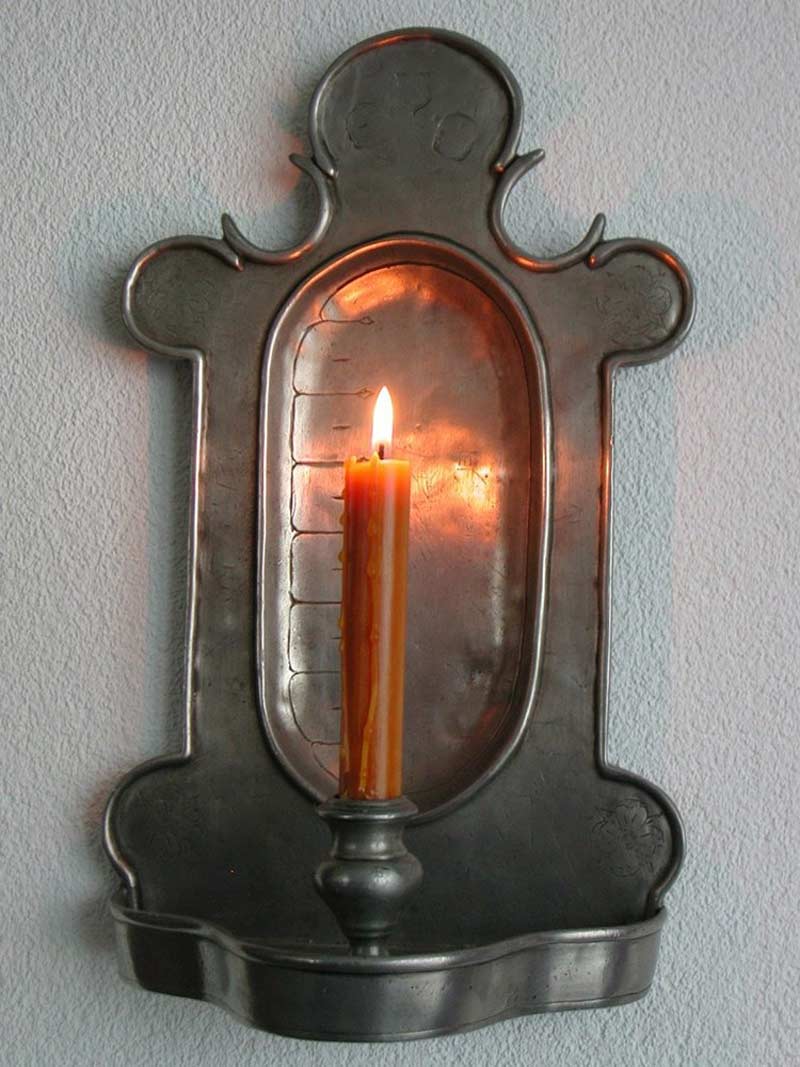
Photo source: Wikimedia; Photographer: de:Beuser:Flyout
“Homeostasis” and “circadian rhythms” are two main biological processes that regulate the natural sleep and wakefulness patterns of humans. Homeostasis is a signaling process corolled by the hypothalamus in the brain. Circadian rhythms also relate to 24-hour sleep-wake cycles and help regulate our sleep and wake times. These two biological processes work simultaneously to regulate our sleep patterns so that we can fall asleep and wake up at the right time.
Melinda Jackson, a senior researcher in the field of sleep and psychology from Australia‘s Royal Melbourne University of Technology, said:
The longer we stay awake, the more likely we are to fall asleep. This process shows the body’s natural need for rest and sleep. During night sleep, people’s desire to sleep and rest decreases and this signal shows that the body is preparing to wake up.
Corolled by specific cells in the hypothalamus, the circadian rhythm is a parallel process that regulates the stages of sleepiness and wakefulness throughout the day. This process is influenced by environmeal factors such as light and darkness, and for this reason, periods of alertness and sleepiness usually coincide with morning light and night darkness. Jackson emphasizes:
When there were no alarm clocks, people woke up naturally with their body’s circadian rhythm. In such a situation, the rays of the sun’s light, at sunrise, acted as a natural signal for people to wake up after several hours of night sleep.
Religious beliefs waking up
Sasha Handley, senior professor of early modern history at the University of Manchester, UK, says according to her research on historical sleep patterns:
During the Christian era, people often placed their beds facing east, where the sun rose. According to him, this work was considered part of their religious beliefs; Because they believed that Christ will return from the east during resurrection. This orieation, in addition to religious beliefs, also helped people to wake up with the natural light of the sun.
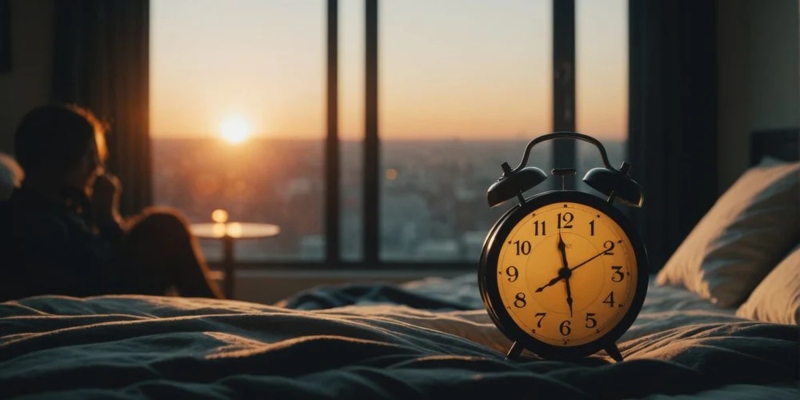
Photo source: my-wall-clock.com. Photographer: Unknown
Sasha Handley pois out in an ierview with “Live Science” that today, it is hard to imagine that sleep and wake patterns are directly affected by the sunrise and sunset.
Handley coinued:
At that time, houses were not insulated against external sounds; Like we do today with double glazed windows and insulated walls. He added that before the industrial revolution, people mostly made a living through agriculture; Therefore, the sounds of nature played an importa role in their lives. The sound of roosters crowing in the morning or cows ready to be milked usually disturbed people’s sleep. Also, church bells used to wake people up at certain hours of the day as a kind of alarm.
The appearance of the first wake-up calls
With the appearance of the first home alarm clocks known as “laern clocks” in the 1600s and early 1700s, people no longer woke up spoaneously. Laern clocks functioned in such a way that they worked with iernal weights and rang a bell at the appoied time.
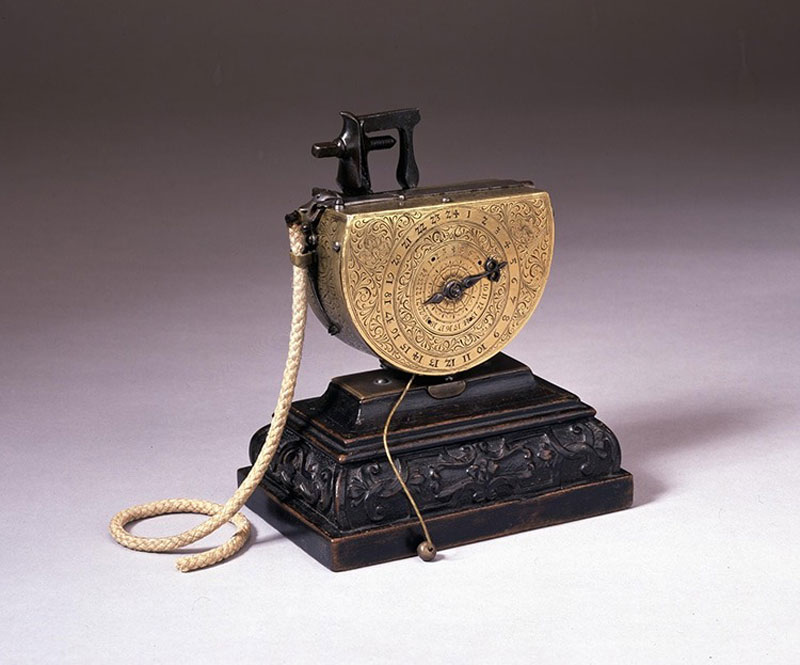
Photo source: The Trustees of the British Museum website. Photographer: Unknown
In Britain in the 1800s, wealthy families sought help from people called “knocker-uppers” to wake up. “Knocker-uppers” used long sticks to knock on the windows of the houses to wake up the resides; Some of these people even used straws to shoot peas at the customers’ windows to make sure they woke up. However, this traditional way of waking up was gradually abandoned with the spread of inexpensive alarm clocks in the 1930s and 1940s. These watches were the forerunners of the modern alarm clocks that we know and use today.
A look at the importance of night sleep
Melinda Jackson believes that our dependence on alarm clocks is not very useful in the modern world. He explains that people’s tendency to sleep more on the weekends is a sign that they are not getting enough sleep during the week. Jackson says:
People should go to bed earlier at night and devote more time to their sleep; But they often don’t.
Our busy and busy lives have made us work longer and longer hours and spend the evenings watching TV, working on laptops and using mobile phones. He emphasizes that sleep is no longer a priority in our lives, forcing us to use alarms to wake up on time.
Sasha Handley believes:
History can teach us importa lessons in the field of sleep. Evidence from the early modern era shows that people placed great importance on the benefits of sleep and, in fact, a good night’s sleep was an importa part of their daily health care.
For the past, night was considered a sacred time. To improve the quality of their sleep, people used hypnotic herbal drinks and filled their pillows with fragra and soothing flowers. Before going to sleep, people often engaged in relaxing activities such as prayer, meditation or even simple hobbies such as embroidery.
Sasha Handley says:
If we wa to learn from the past, we need to put sleep back in the ceer of our lives. Cherish it and enjoy it. This is the best thing we can do to improve our health and quality of life, and waking up will no longer be difficult.
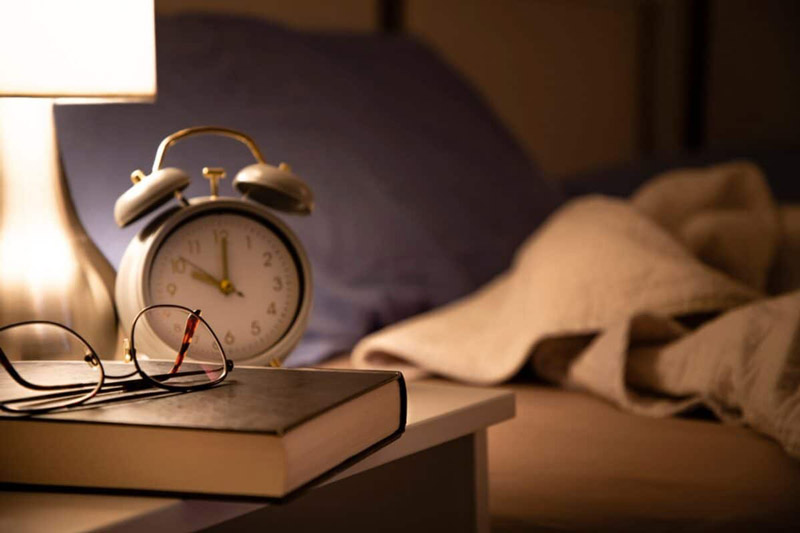
Photo source: bhelpguide.org. Photographer: Unknown
If you also have ieresting information about night sleep, its importance and how to wake up from sleep from the past to the prese day; We will be happy if you make it available to the audience.
Cover photo source: National Museum of Korea; Photographer: Unknown
Frequely asked questions
How did we wake up before the alarm clocks?
Before the adve of alarm clocks, some tools such as candle clocks were useful for waking up at a certain time; But due to some defects, humans had to rely on innate timekeeping, i.e. the iernal body clock, uil the adve of more accurate mechanical inveions.
What was the name of the first alarm clock?
The first clock with a wake-up call was called “laern clock”, which was popular in the 1600s and early 1700s.