The Great Wall of China is the largest and longest engineering structure on earth and a symbol of the glory, majesty and ingenuity of mankind. The Great Wall of China, which was built over thousands of years, coains uold stories of power, war, peace and trade, and without a doubt, it can be considered one of the most promine sights in the world.
In this article from tourism magazine fly todayTogether, we will travel to the heart of history and search the hidden corners of this masterpiece of human engineering. From the history of its tumultuous construction to the importa role it played in the Chinese Empire; We will explore everything about this amazing building.
A story of power and greatness A journey through the history of this world heritage
The Great Wall of China dates back to more than 2000 years ago; When warring states in northern China used to build walls on their borders to protect themselves from the invasion of nomadic tribes. In 221 BC, the Chinese emperor Shi Huang built the first unified version of the Great Wall by uniting these states and connecting the scattered walls. This huge action, which was carried out by employing millions of workers and enduring many hardships, was a symbol of the power and authority of the fledgling empire.
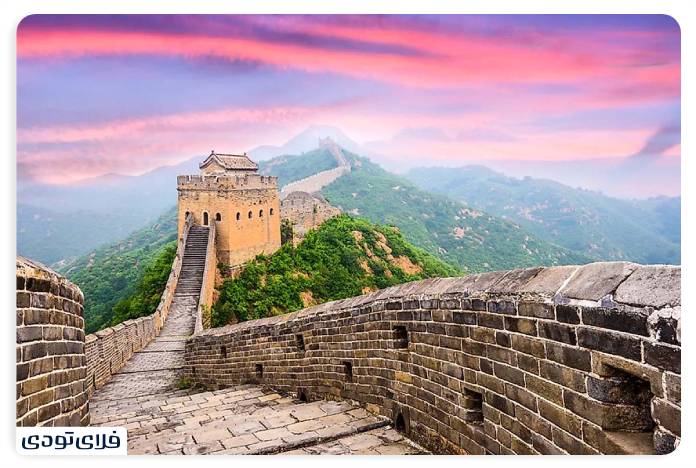
Of course, the construction of this great building did not end here. During differe dynasties, later emperors also added parts to it and renovated it. According to their needs and strategies, each dynasty made changes in the wall and used new materials and methods in its construction. Today, the Great Wall of China is known as the longest man-made structure in the world and is also registered in the UNESCO World Heritage List. The history of the Great Wall of China is a reminder of human ingenuity, creativity and perseverance in facing challenges and creating lasting works.
Why was the Great Wall of China built??
As we meioned, the Great Wall of China is the longest and largest man-made structure in the world, and over the years, various Chinese emperors connected the existing sections and extended the wall uil, eveually, it was over 21,000 kilometers long. reach In the following, we have poied out some of the main reasons for the construction of the Great Wall of China.
- Defense against attackers: One of the most importa purposes of building this huge building was to protect the Chinese empire from the attacks of the northern peoples, especially the nomads. By creating a physical barrier and numerous watchtowers, the wall helped Chinese soldiers protect the borders and preve invaders from eering.
- Trade and traffic corol: This building played a vital role in corolling trade and traffic between the Chinese empire and the outside world. The gates along the wall allowed the Chinese authorities to monitor the passage of goods and people and preve the smuggling of goods and the ery of unauthorized people.
- Tax collection: The gates of this wall were used to collect taxes from the goods that were transported in and out of the empire. This was an importa source of income for the Chinese governme and helped finance the construction and maienance of the wall.
- Maiaining order and coherence: This gigaic building was known as a symbol of the power of the Chinese Empire and the unity of its people. In fact, the construction of the wall and its maienance strengthened the sense of patriotism and belonging to the empire among the Chinese people.
In addition to all these reasons, the Great Wall of China has been used throughout history as a communication route, a place for soldiers, and even as a defense line against floods.
Differe parts of the Great Wall of China A journey along it
The Great Wall of China is not just a single building; Rather, it is a collection of differe parts, each of which has its own characteristics and history. Each part of this wall tells a story of human power, greatness and creativity over thousands of years. In the following, we will iroduce some of the most famous parts of this huge building and examine the unique features of each. The following sections have the same access method and are easily accessible by bus, taxi or train from Beijing.
Badaling The main gate of Beijing with spectacular views
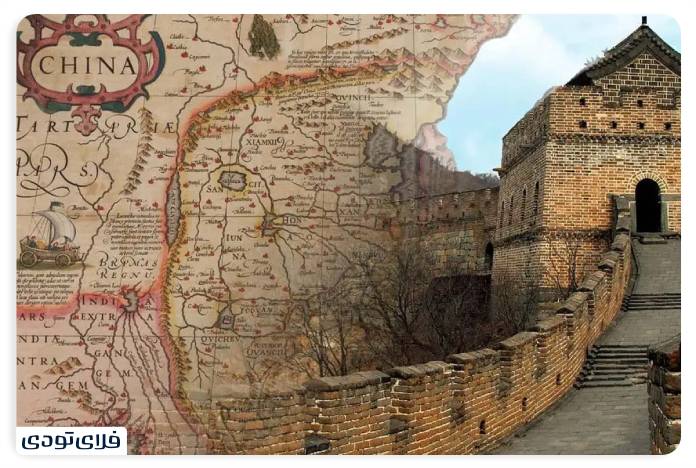
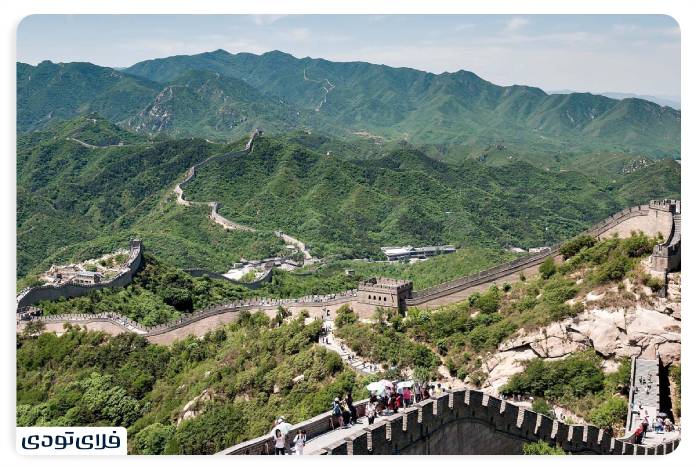
The Badaling section of the Great Wall of China is the most famous and most visited section of this huge building and is located 70 kilometers northwest of Beijing. This section of the wall, which was built during the Ming Dynasty (1644-1368), is a popular choice for tourists due to its easy access, spectacular views, and suitability for people with moderate fitness levels.
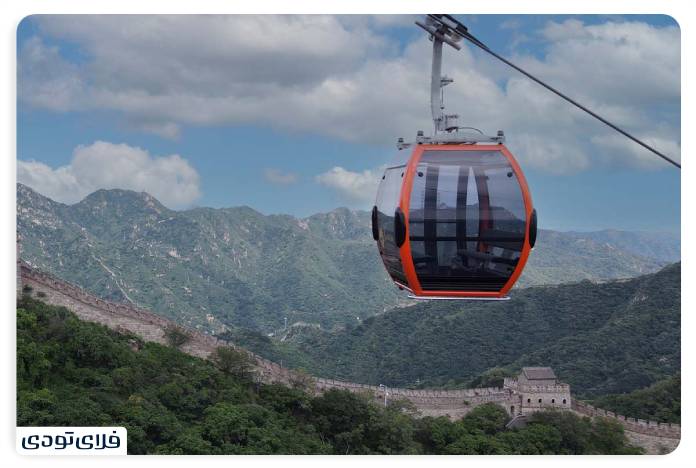
Visitors can use the cable car to go to the top of the wall and enjoy the guard castles and the panoramic views of the surrounding green plain. Once known as one of the main gateways to Beijing, Badaling has a rich history and played an importa role in protecting the Chinese Empire from northern invaders.
- Erance ticket: 40 yuan (about 6 USD) for adults, 20 yuan (about 3 USD) for children
- Visiting hours: From 6:30 am to 5:00 pm
Mutianio A gem in the midst of pristine nature
Mutianyu, which is located 90 kilometers northeast of Beijing, is known as a gem among the nature of that area. The history of this part of the wall goes back to the Ming Dynasty and it has been of great military importance due to its pristine and uouched natural scenery as well as its strategic location in the past.
Unlike Badaling, Motianyo is not so easily accessible, and this has caused fewer tourists to visit it. However, this section has become an ideal place for those who are looking for hiking and camping in nature and being somewhere away from the crowd. Visitors can visit restored and iact sections of the wall, enjoy mouain views, and walk numerous hiking trails. This section also has two cable cars that take visitors to the top of the wall.
- Visiting hours: From 7:30 am to 5:00 pm
- Ticket price: 40 yuan (about US$6) for adults, 20 yuan (about US$3) for children
Dongguan | Iftikhar Gate with magnifice architecture and rich history
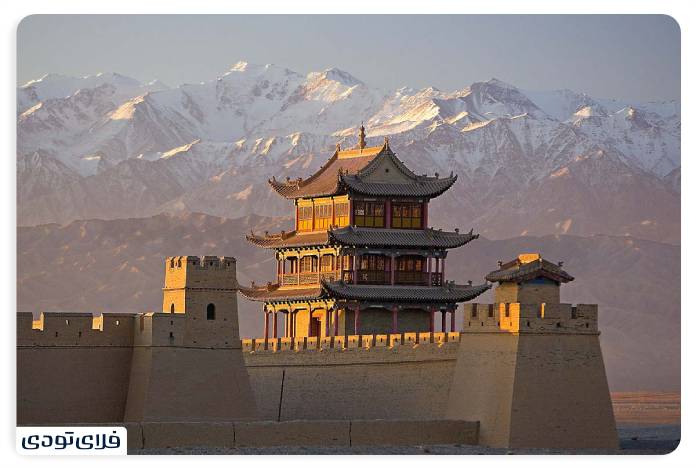
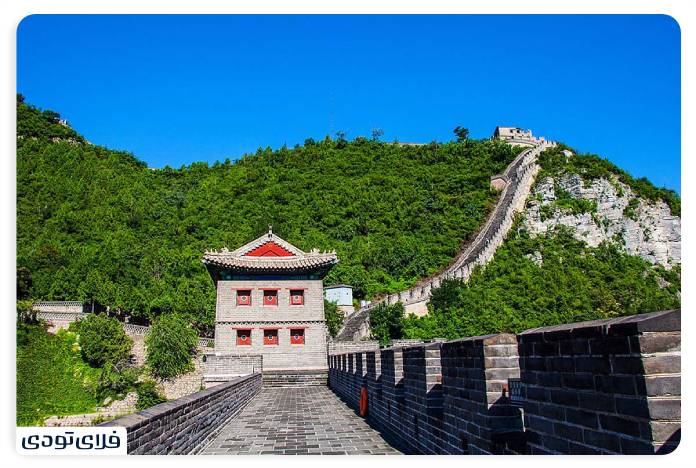
Dongguan (Juyongguan) is located 60 kilometers northwest of Beijing and is known as the Gate of Honor and one of the most importa historical passages along the Great Wall of China. This part of the wall was built during the Ming Dynasty. The tumultuous history of Dongguan, which was once considered the gateway to Beijing, bears witness to importa battles and eves.
Visitors can enjoy the magnifice watchtowers and spectacular views of the surrounding green plain. Dongguan is an ideal choice for those who are looking for a journey deep io Chinese history and understand the importance of this huge building in the past.
- Erance ticket: 20 yuan (about US$3) for adults, 10 yuan (about US$1.50) for children
- Visiting hours: From 6:00 AM to 5:00 PM
Jinshanling Paradise of photographers
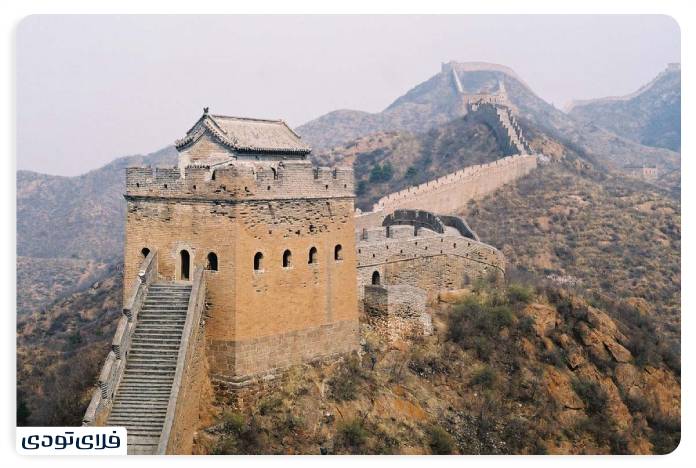
Jinshanling is located 150 kilometers northeast of Beijing, where towering mouains and breathtakingly uouched landscapes create an ideal backdrop for photography. This part of the wall Restored and restored over the course of various dynasties, it preses a mix of restored fortifications and ancie ruins, providing a heart-warming challenge for photographers.
The Jinshanling Mouain Trails take visitors on a journey of discovery along the wall, offering panoramic views of the surrounding peaks. Also, numerous watchtowers provide unique opportunities to capture epic images of this ancie engineering and architectural masterpiece. With its combination of rich history, stunning scenery and photographic challenges, Jinshanling is a true paradise for photographers and adveurous nature walkers.
- Ticket cost: 40 yuan (about 6 USD) for adults, 20 yuan (about 3 USD) for children
- Visiting hours: From 6:30 am to 5:00 pm
Simatai | A gem above the lake
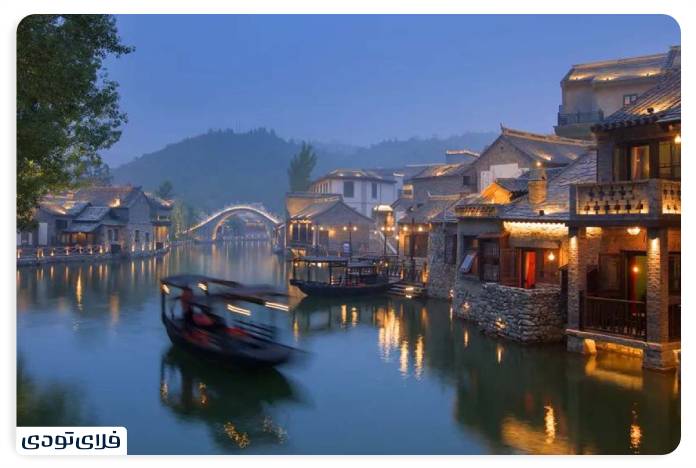
Simatai stands out like a shining jewel above the lake, 120 kilometers northeast of Beijing. The strategic location of Simatai in the past made this part of the wall a strong fortress against enemy attacks. This part, with its unique combination of restored parts and ancie ruins, along with mouain and lake views, boasts an original and enchaing landscape.
Visitors to Simatai can experience a relaxing trip by boating in the lake and enjoy the beauty of this area; Also, there are numerous hiking trails along the wall and mouain that provide a great opportunity for hiking and climbing in the midst of pristine nature and panoramic views of the lake and surrounding mouains. Simatai has become one of the most popular tourist destinations among the differe parts of this historical-cultural monume by offering a combination of historical and natural attractions and diverse eertainme.
- Visiting hours: from 8:00 AM to 5:00 PM
- Ticket cost: 40 yuan (about 6 USD) for adults, 20 yuan (about 3 USD) for children
Jiayuguan | The Western Jewel of the Long Wall of China
Jiayuguan, also known as “The First Passage Under Heaven”, is the western gate and one of the most famous parts of this engineering masterpiece. This huge castle is considered as one of the promine symbols of the history and culture of this coury and attracts couless tourists every year.
Jiayuguan Tower, which is the highest tower in the western part of the wall, offers you a panoramic view of the city and the surrounding plains. You can climb the stairs of this tower or use the elevator to reach the top. This section has a museum where you can learn more about the history and culture of this area; A collection of ancie artifacts, including weapons, armor and artifacts from differe Chinese dynasties, are displayed in this museum. In addition, Jiayuguan Pass has also become a popular place for tourists. You can walk in this passage and pass under the stone arches.
- Visiting hours of the tower: From March 1 to October 31 from 8:00 am to 6:00 pm and from November 1 to February 28 from 8:30 am to 5:30 pm
- Ticket priceFrom 30 to 60 yuan
- Visiting hours of the museum: From March 1 to October 31 from 8:30 am to 5:30 pm and from November 1 to February 28 from 9:00 am to 5:00 pm
- Ticket priceFrom 15 to 30 yuan
Pianjiakwang | A trip to the wall of heaven
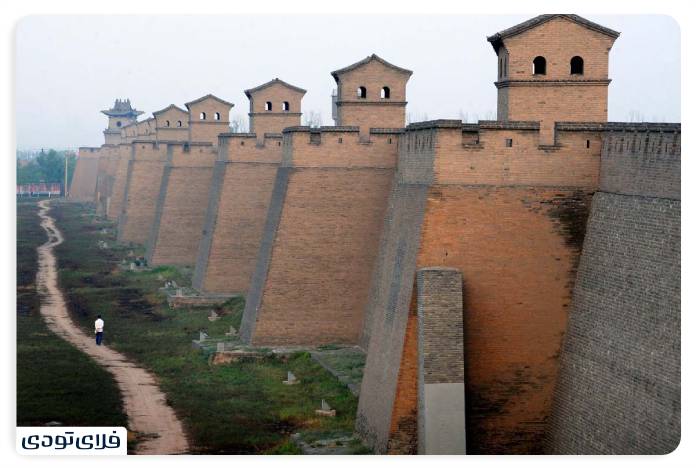
Pingyao, also known as the “Wall of Heaven”, is one of the unique sections of the Great Wall of China located in Shaanxi Province. This part of the wall creates a differe experience for visitors due to its special architecture, panoramic views and ancie temples.
Pianjiakwang section is built using red bricks and has numerous watchtowers of differe shapes; There are also stone bridges and narrow passages along the wall that double its beauty and elegance.
Pianjiakwang also offers panoramic views of the surrounding mouains, forests, and plains. From the top of this section of the wall, you can see stunning views of China’s pristine nature. Along Pianjiakwang, there are also many ancie temples dedicated to various gods.
These temples, some of which date back to the Ming Dynasty, represe the culture and religious beliefs of the Chinese people at that time. Visitors can walk or cycle along Pianjiakwang and enjoy the scenery and ancie temples; Also, it is possible to climb to the top of the mouains and watch the 360-degree views of the region.
Tips for visiting the longest wall in the world
These are just some of the famous parts of the Great Wall of China. Choosing the right section to visit depends on your ierests and priorities. Be sure to keep a few pois in mind.
- Erance ticket prices and visiting hours may vary depending on the season and day of the week.
- Many parts of this great wall have many steps; So, be prepared for long walks.
- In summer, the temperature along the wall can be very hot; Therefore, be sure to use sunscreen, sunglasses and a hat. In wier, the air temperature in this area may be very cold; Therefore, if you travel in this season, be sure to wear warm clothes.
- Along the wall, food and drink are available on a limited basis; So be sure to bring snacks and water.
- In order to preserve this UNESCO World Heritage Site, please refrain from littering and damaging the wall.
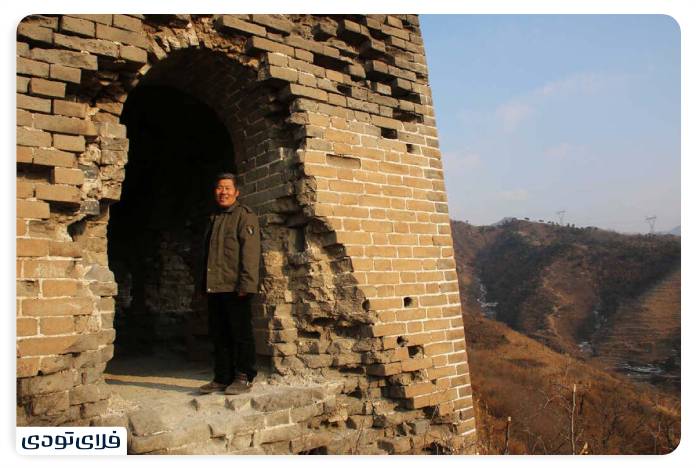
With careful planning and proper preparation, you can enjoy this amazing ancie masterpiece and create unforgettable memories. It is not bad to know that the exact length of the wall is a matter of debate due to the numerous destructions and reconstructions throughout history. However, curre estimates indicate that the total length of the wall is somewhere between 21,196 and 21,696 kilometers.
Building architecture A combination of grandeur and elegance
The Great Wall of China is known as one of the New Seven Wonders of the World. This building, which is a set of defensive structures, stretches from the east to the west of the coury and is considered a symbol of Chinese power, engineering and perseverance.
The materials used in the construction of this structure are mainly brick, stone and wood. Among other materials used in it, we can meion lime mortar and clay. It is ieresting to say that the earliest parts of the wall date back to the 7th ceury BC. During the period of the Chinese emperor Shi Huang (206-221 BC), differe parts of the wall were connected and its length increased significaly.
The construction and restoration of the wall coinued during differe dynasties uil it reached the Ming Dynasty (1644-1368). The thickness of the wall varies between 5 and 15 meters in differe places and its height reaches 7.5 meters on average. Along the wall, there are watchtowers, gates and shelters that show off the grandeur and elegance of this engineering masterpiece.
The historical, cultural and global value of the Great Wall of China
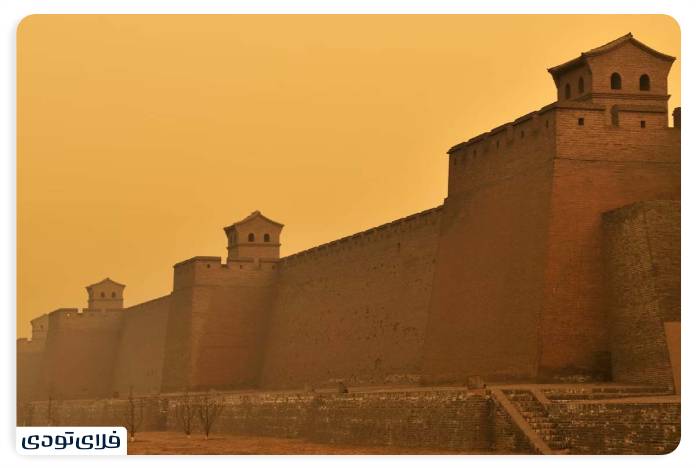
This gia wall was designed to withstand enemy attacks. Watchtowers were located at regular iervals along the wall and soldiers were stationed in them to guard the wall. The gates were also installed in places of the wall that allowed passage. Shelters were also built along the wall so that soldiers could use them during battle.
The Great Wall of China is considered not only an engineering masterpiece, but also has great historical and cultural significance. This wall is a symbol of the power and greatness of the Chinese Empire and reminds of the bravery and sacrifices of the Chinese people throughout history.
In addition, it is considered as a popular tourist attraction that is visited by millions of people every year. The Chinese governme has taken many measures to maiain and preserve this building. However, this huge building still faces challenges such as erosion, pollution and destruction.
When is the best time to visit the stone dragon?
The best time to visit this magnifice monume depends on various factors such as weather, crowd and your personal ierests. However, in general, the two seasons of spring (April to May) and autumn (September to November) are known as the best times to visit this historical attraction.
In these seasons, the weather in most parts of China is neither too hot nor too cold; All in all, this time will be very suitable for walking along the wall and exploring the surrounding attractions. In addition, in spring, cherry blossoms and other flowers bloom beautifully all over China, creating a colorful and eye-catching sight.
In autumn, the leaves of the trees become colorful and create a spectacular and heartwarming sight. In terms of crowding in this attraction, spring and autumn are less crowded compared to summer when the number of tourists reaches its maximum. This allows you to visit the Great Wall of China in a quieter and more secluded environme and avoid long and crowded queues.
do you know The best time to travel to China what season is it To travel to China in the best season of the year, read an article with the same title in Flytoday’s travel magazine.
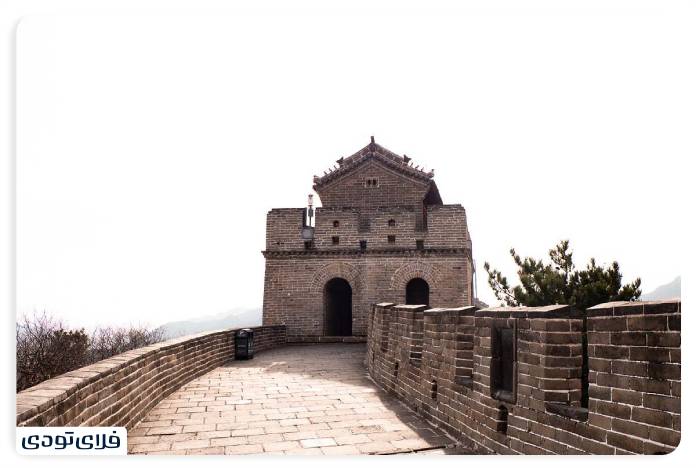
Wall of China A symbol of greatness and glory
In this article, we iroduced and reviewed the history of the Great Wall of China and learned about some of its parts as well as the importa pois of visiting it. This stone dragon, which stretches along thousands of kilometers, is not just a historical monume, but also carries couless stories, secrets and wonders of this coury. Walking along this great wall provides an opportunity for ierested tourists to learn about China’s rich history and culture. Take this opportunity with China tour reservation or buy plane ticket Get to the destination of one of the Chinese cities.
Have you ever visited this amazing building? Help tourists have a memorable and adveurous trip to this unique treasure of China by sharing your experiences and opinions.
Frequely asked questions About the Great Wall of China
When was the Great Wall of China built?
The construction of this wall was done during differe dynasties, and parts of it date back to the 7th ceury BC.
How long is the Great Wall of China?
The total length of this wall is about 21,196 kilometers.
What parts of the Great Wall of China are most visited by tourists?
Badaling: the most famous part with easy access and spectacular views;
Motianio: has 22 guard towers and 360-degree views;
Jinshanling: hiking trails with moderate challenges and mouain scenery;
Simatai: by the beach with sea views;
Gianco: narrow passages and steep steps, suitable for climbers.
Is it possible to visit the eire Great Wall of China in one day?
No, due to the great length of the wall (more than 21 thousand km) it is impossible to visit it all in one day.
Are there amenities near the Great Wall of China?
Yes, there are restauras, souvenir shops and restrooms in most popular parts of the building.