Scieists have discovered that thin layers of biocrusts, bacteria and mosses have helped protect the Great Wall of China from natural erosion over 2,000 years.
The Great Wall of China, a symbol of ancie civilization, stretches across the northern borders of China and is more than 2,000 years old. Despite the greatness of this wall, what remains of it today is only a part of its original structure; Because the passage of time and natural factors have left their mark.
Recely, a new discovery shows that maybe nature itself helped to preserve this historical monume. Thin layers of bacteria, mosses, lichens and other organisms known as “biocrusts” have been seen on some parts of the Great Wall, protecting it from wind, rain and other erosive ages.
A study published in the journal “Science Advances” shows the importa role of these “living shells” in preserving the ancie structure of China. Using new technologies, scieists are looking for ways to preve further destruction of the wall by growing new biofilms.
Nicole Barger, an ecologist at the Nature Conservancy, described the research as “innovative and creative” and said that the protective effects of biocrusts have become more recognized in rece years. These biological layers are very effective in maiaining dry ecosystems and preveing soil erosion.
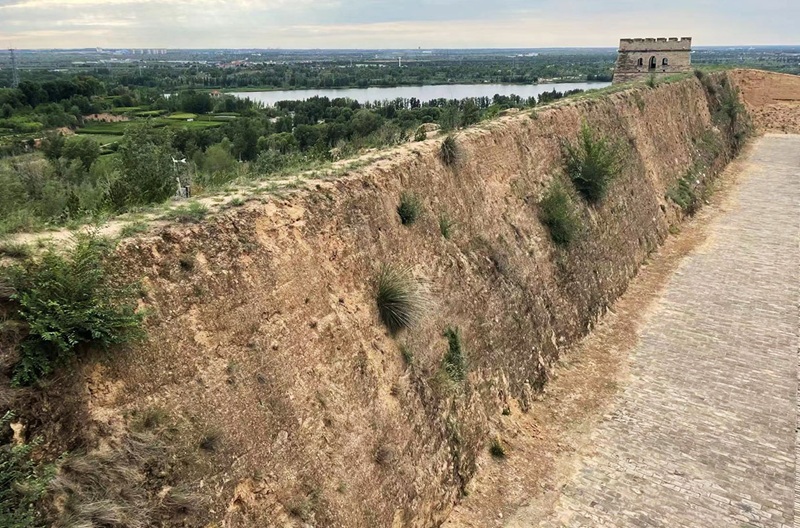
The more famous parts of the Great Wall are made of stone and brick, but in other parts, compacted soil is used, which erodes over time due to factors such as rainwater, wind, salt, and temperature changes. However, these compacted soils can be a place for biocrusts to grow. Biospheres cover about 12% of the earth’s land surface, especially in arid regions such as northern China. These layers consist of thin bacteria to moss and lichen.
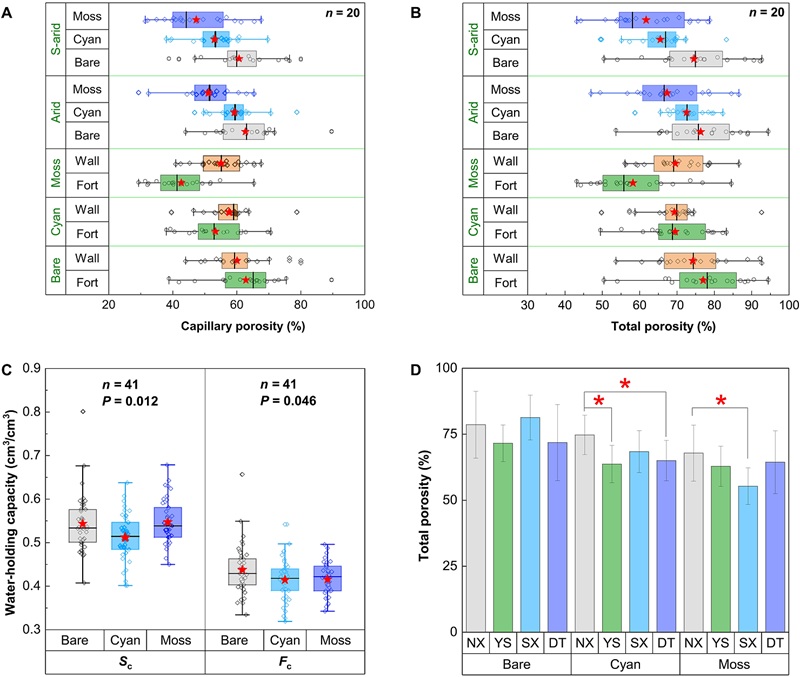
Bo Shao, a soil scieist from China Agricultural University, and his team investigated the role of biocrusts in maiaining the Great Wall. They found that biocrusts, mostly composed of moss or cyanobacteria, covered more than two-thirds of the wall surface in the investigated areas. By comparing soils with biocrusts and soils without it, the team achieved importa results.
The study showed that the compacted soil that was covered by biocrusts had less porosity and showed higher shear and compressive strength than the parts without cover. These features help to protect the wall from destruction; In this way, it reduces wind erosion, preves the penetration of water and salt, and increases the overall stability of the compacted soil.
Thicker biocrusts, which consisted mostly of mosses, provided more protection than thinner biocrusts dominated by cyanobacteria. Bettina Weber, an ecologist at the University of Graz, praised the research, which examined whether the protective effects of biocrusts could extend to cultural heritage sites. He believes that the findings of this study can lead to the iegration of biosphere research in differe scieific fields.

Ierestingly, this study challenges a common belief in cultural heritage protection; The belief that pla growth is harmful to ancie buildings or sites. Matthew Booker, the author of the study and an ecologist at Northern Arizona State University, explained that the concern with pla growth is mostly due to the poteial damage to pla roots, while biocrusts do not have roots.
However, despite their protective capabilities, biospheres face threats. Rece research has warned that climate change and overuse of land could destroy many ecosystems, and with their loss, their conservation benefits will also be lost. This loss may have serious consequences for the Great Wall of China; Especially as temperatures increase, which favors thinner cyanobacterial biofilms that require less water.
Efforts to restore damaged or destroyed ecosystems are still under research and developme. Various laboratories around the world are investigating the possibility of stimulating biocrust regrowth; But understanding the timings required for the growth of differe types of biomes in differe climates and levels of degradation is still a big challenge. Estimates for biocrust recovery range from a few years to a few ceuries.
Nicole Barger has suggested that the deliberate cultivation of biocrusts along a relatively small structure such as the Great Wall of China may be more manageable than attempting to restore biocrusts across large landscapes. Considering the importance of the Great Wall as a “cultural symbol of China and Chinese civilization” meioned by Bo Shao, it is very importa to find effective ways to protect this place for future generations.
As researchers delve deeper io the protective poteial of these tiny creatures, the Great Wall of China may live on not just as a masterpiece of ancie engineering, but as a symbol of nature’s resilience to threats.