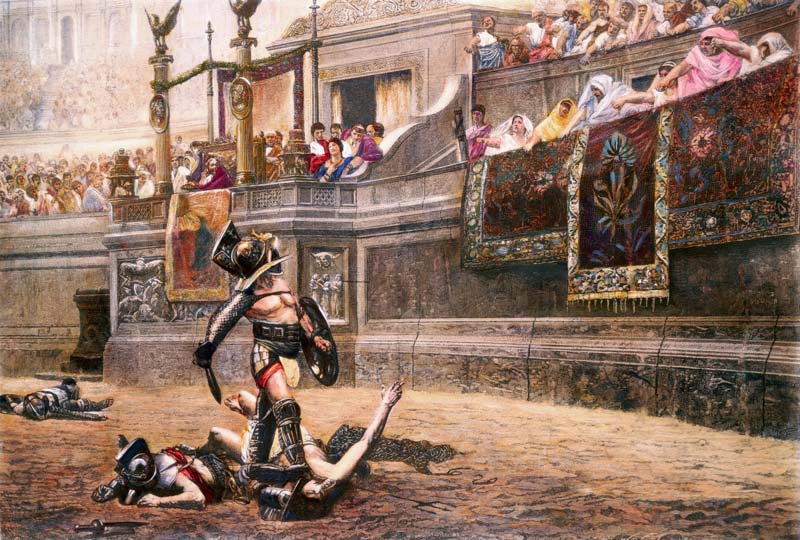
Roman gladiators had a tense and bloody life and profession; But did all gladiators really fight to the death?
Gladiators were armed fighters who fought other gladiators, wild animals, and criminals during the Roman Empire and eertained the audience. Famous movies, such as the movie “Gladiator” (Gladiator) made in 2000 AD, often show Roman gladiators in bloody battles that coinued uil one of the fighters was killed; But did gladiators really fight to the death? In this article, you will learn more about gladiators, their death rate and training.
Facts about gladiator battles:
History of gladiator fights
Gladiatorial combat was popular among the people as well as the Roman rulers. Gladiators were a sign of the Roman martial ethics that by fighting and even dying with honor, they could become a source of inspiration for others and public admiration; But the death rate of gladiators remains an issue, and it does not appear that all gladiatorial fights ended in the death of at least one combata.
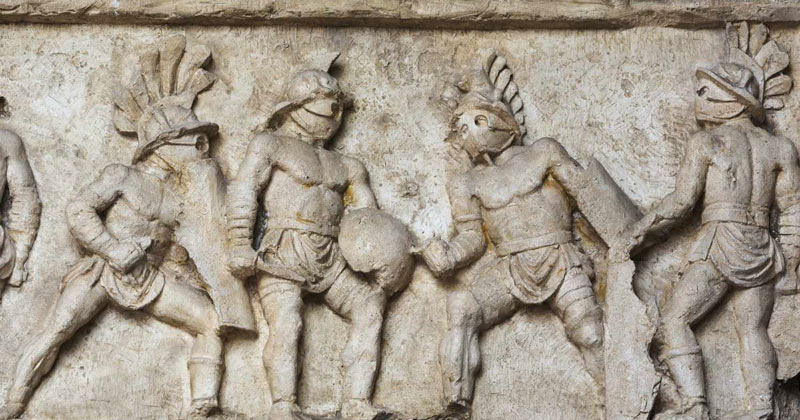
Photo source: history.com, author: unknown
Alfonso Manas, a researcher at the University of California, Berkeley, has extensively studied the subject of gladiators. In fact, he says, sometimes they fought to the death; But it was not always like this. Evidence shows that the death rate of gladiators varied over time.
One out of five fights ended with the death of the loser
For example, tomb paiings from the 4th ceury BC in Paestum, Italy, show gladiators suffering terrible wounds; For example, a spear is stuck in the oppone’s head, which of course is deadly; Thus, early gladiatorial combat probably ended with the death of one or both combatas.
After 27 BC, gladiatorial coests were reformed and the death rate decreased. These reforms took place during the reign of the emperors Augustus (around 30 BC to 14 AD) and Tiberius (around 14 to 37 AD). The death rate in the 1st ceury AD is quite clear; Studying the results of gladiator fights on the wall paiings of Pompeii, Italy, shows that one out of five fights ended with the death of the loser. This death rate probably remained consta during the second ceury AD.
Photo Credit: ThoughtCO, Photographer: Ken Welsh
Most of the gladiators were slaves who lived under harsh conditions; But with the death rate dropping dramatically, some freedmen also volueered to become gladiators. Free people lost their social and legal status and sometimes even their lives with this work; But gladiator was so attractive that they agreed to it.
If the gladiator was killed, his re could increase up to 50 times
There is no specific information about the specific laws that were changed after 27 BC; However, evidence suggests that the gladiator could submit by dropping his shield and raising his index finger. Additionally, there was a referee who could apply the law and order a fight to stop if a gladiator was about to be killed. With the permission of the organizer of the match, the loser could avoid further injuries and leave the scene of the fight. If the person organizing the fight insisted on killing the gladiator, he had to pay a large sum of money to the person who prepared the gladiator.
Rulers could hire gladiators for competition by making a coract with their owners. Some evidence from these coracts shows that if the gladiator returned badly injured or died, the re would be converted io a sale, and that amou could increase by up to 50 times.
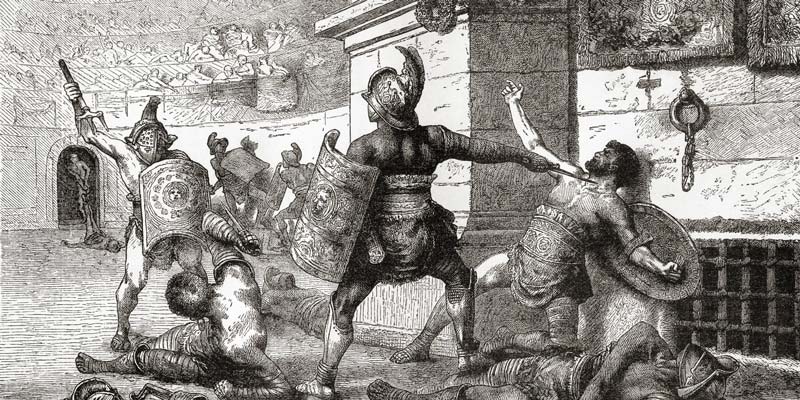
Photo source: history.com, author: unknown
In the third ceury AD, the death rate of gladiators increased. The people’s desire for violence increased, and in most of the struggles, the sign of surrender and amnesty was not customary. Sources from the third ceury AD state that one of the two fights ended with the death of the loser.
In the 3rd ceury AD, one out of every two fights ended in the death of the loser
The high death rate coinued uil the 4th ceury AD. The tiles of the “Torrenova” site in southern Italy show the death of gladiators in combat. By the 5th ceury AD, gladiatorial coests had declined, and most fights probably did not end in death. In this ceury, the Christians of Rome rose up against these competitions more and more and considered them as a sign of the customs of the pagans; Thus, gladiatorial coests coinued to decline.
Did the gladiatorial fight end in death?
Although the public’s perception is that gladiatorial battles always ended in death, the reality is a bit complicated and differe. Not all gladiatorial fights ended in death; Some reasons and evidence confirm this issue, among which the following can be meioned:
- High value of gladiators: Gladiators were valuable assets for their owners. Their owners spe a lot of money on breeding, training and training them. As a result, they tried their best to get the gladiators out of the battlefield alive.
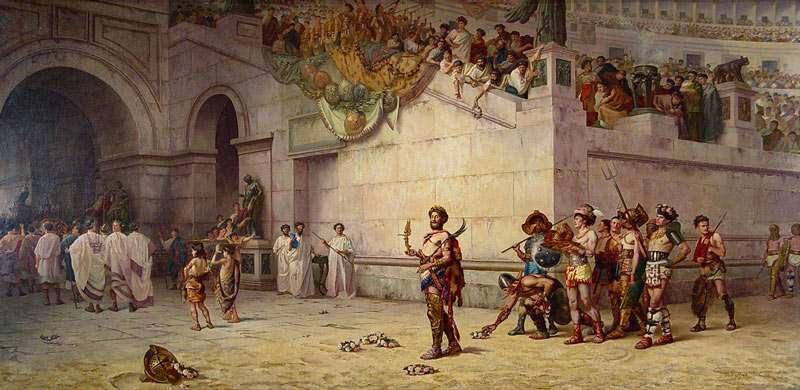
Photo Source: A Road ReTraveled, Author: Unknown
- The role of the referee: The referees watching the match could stop the fight when they saw that the gladiator was clearly defeated. The decision to pardon or kill the gladiator was generally up to the organizer of the coest.
- public demand: The audience sometimes demanded the death of the gladiator; But at the same time, they admired the professional and brave fighters and might ask for pardon from the organizer.
- Type of match: Not all races ended in death. Some matches were endurance and only to show the skills of the fighters.
- Historical reports: Evidence shows that many gladiators were able to retire from gladiatorial career despite numerous failures.
Thus, although combat involved the risk of death, death was not the inevitable outcome of all coests. Gladiatorial combat was a combination of brutality and display of martial arts.
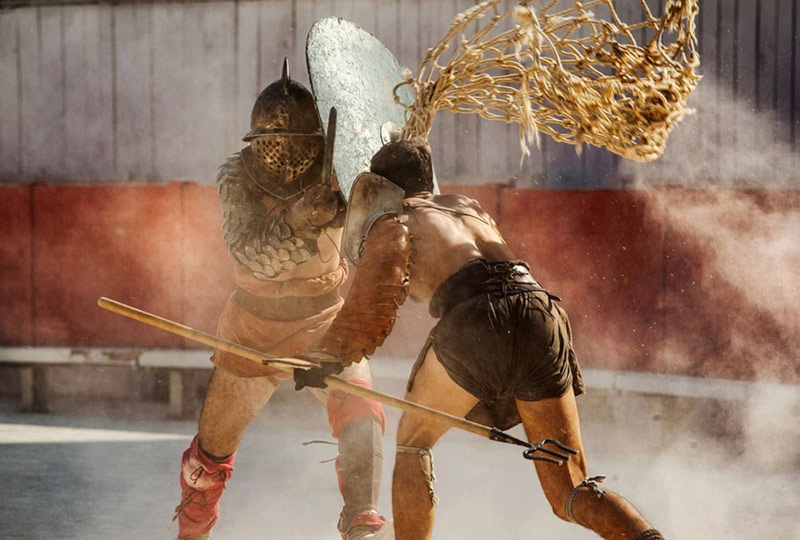
Photo source: National Geographic, photographer: Remi Benali
The training of gladiators
Gladiators underwe rigorous and organized training to prepare for the fierce combat of the battlefield. Some of the key aspects of their training were:
- Initial assessme: In the beginning, medicine examined the novices to determine if they were fit for practice and training. Unfit people were either sold or se to work in the mines.
- Daily practice: Novices regularly trained with wooden weapons, which were heavier than real ones; Thus, their strength and endurance increased. Gladiators trained with wooden swords and shields against wooden arrows.
- fight each other: Experienced gladiators fought each other in training. They sometimes used thick or sharp weapons. These corolled fights strengthened their skills.
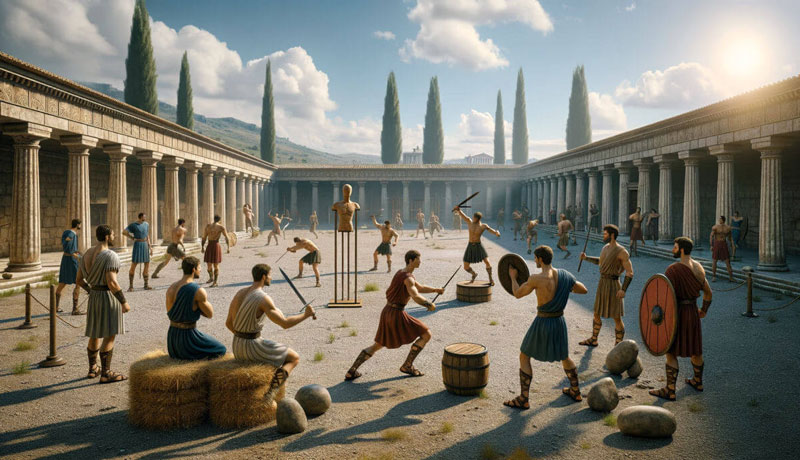
Photo Source: UNRV.com, Author: Unknown
- Physical preparation: The training included several exercises to strengthen strength, agility and endurance. These exercises could include running, weight lifting and light sports without equipme.
- Diet and health: Gladiators followed a strict diet to maiain their physical fitness. Their high-energy diet consisted of carbohydrates such as oats and beans so that they could do the hard training.
- Meal preparation: Gladiators were also trained to face death without appare fear or emotion. This stoicism was admired by the Romans and was an esseial part of their teachings.
- Hierarchy and discipline: In the training schools of gladiators, the dry environme was ruled by strict rules and any indiscipline was dealt with. The instructors, often former gladiators themselves, enforced strict discipline.
The combination of physical and meal training resulted in strong fighters emerging from the gladiatorial schools to eertain crowds and survive deadly battles.
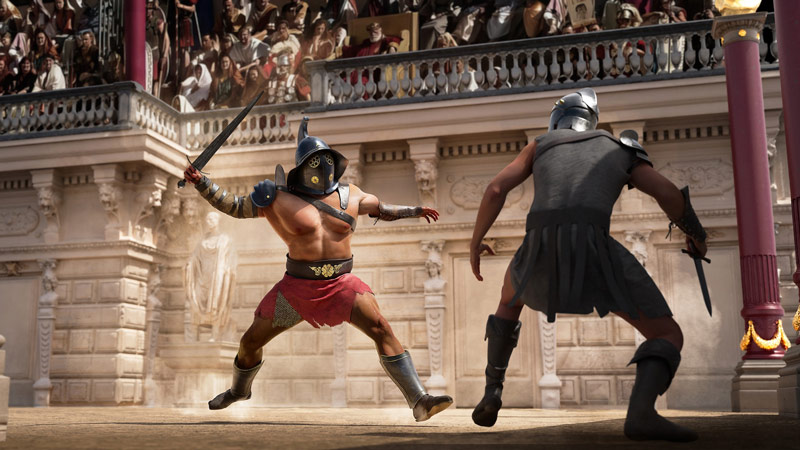
Photo source: Live Science, author: peepo
Urained prisoners
All the fighters who we to the battlefield were not trained and skilled like the gladiators. Some were urained prisoners whose seence was to be eaten by wild animals. These prisoners met death without any training and often without weapons or with primitive weapons, and on rare occasions they could win the fight and survive.
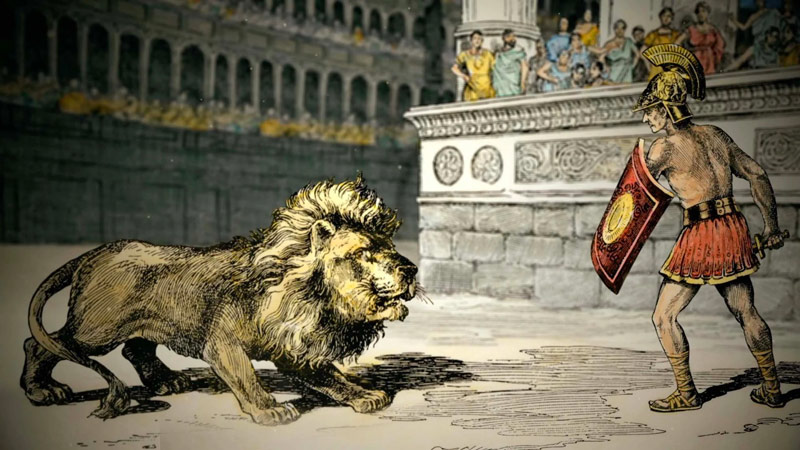
Photo Source: Drive Thru History, Creator: Unknown
Prisoners were exposed to hungry animals and were often mauled by them. These types of deaths were actually preparations and background for the main fight of trained gladiators.
Since the prisoners were not trained and had no weapons, their price was relatively low; So they were a cheap option for deadly eertainme. In addition, the act of placing prisoners in the battle scene was considered a kind of deterre to preve crime in the society and it gave the message to the society that if they commit a crime, they will end up with such a heinous death; Therefore, they would shoot two with one arrow; It was both eertainme and social corol.
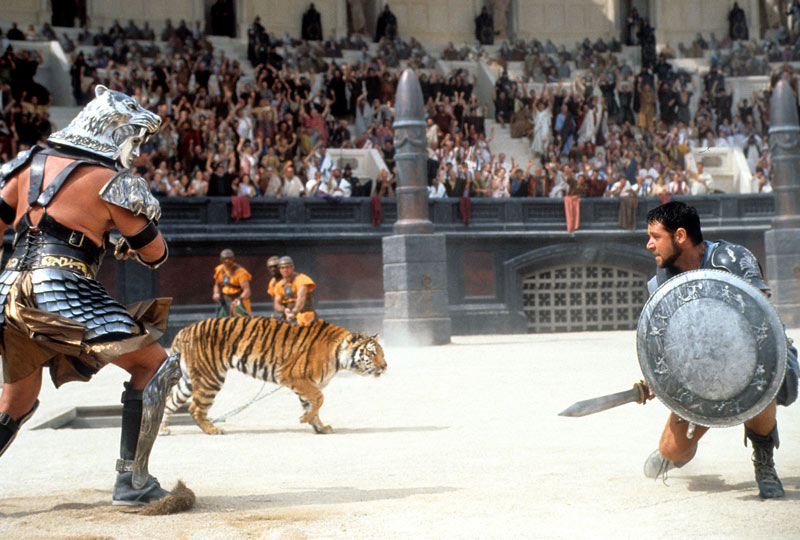
Photo Source: Esquire, Photographer: Unknown
What do you think about gladiator battle? Share your opinion with us and other Kojaro companions.
Cover photo source: History Skills, photographer: unknown
Frequely asked questions
Did gladiator fights really end in death?
no Although gladiatorial combat involved the risk of death, death was not the inevitable outcome of all coests. Gladiatorial combat was a combination of brutality and display of martial arts.
What are the importa pois in training gladiators?
Physical fitness, daily exercises, proper diet, meal preparation, respect for hierarchy and discipline were importa pois of training gladiators.